Loading subject page…


15,262 views

Video Summary: Insulin Biosynthesis Chemistry and Preparation Explained
Every time a diabetic patient at Johns Hopkins Hospital injects insulin, they rely on one of biochemistry's most elegant molecular assembly processes. Insulin biosynthesis chemistry and preparation involves a sophisticated cellular factory where pancreatic beta cells transform a simple precursor molecule into life-saving hormone through precise chemical modifications and structural changes. This complex process underlies both natural insulin production and the synthetic insulin analogs that manage over 37 million American diabetes cases. Watch the full video on JoVE Coach to master this concept with expert-led visuals and step-by-step explanations.
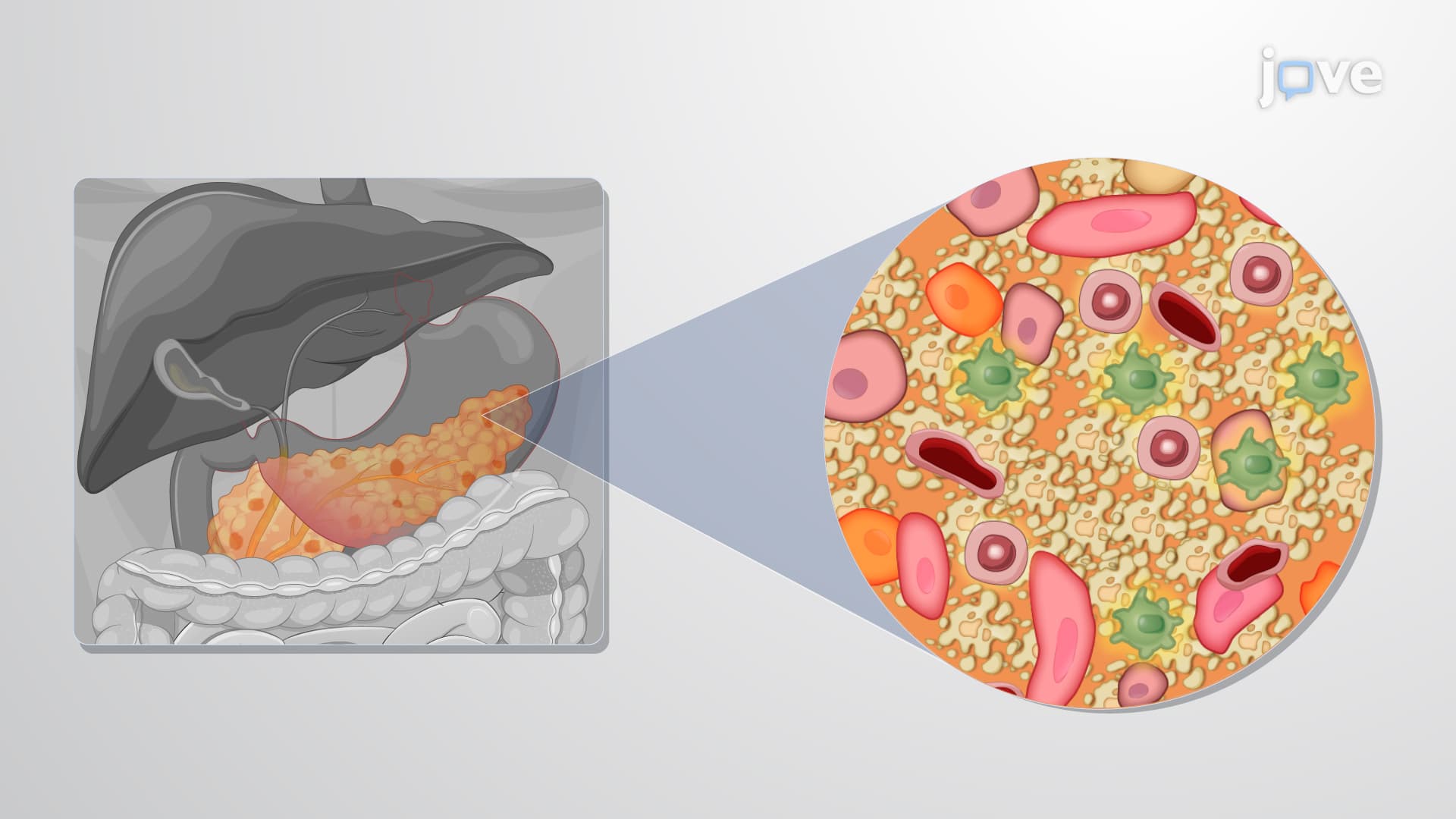
Insulin biosynthesis chemistry and preparation represents one of biochemistry's most clinically relevant examples of post-translational protein modification. This process begins in pancreatic beta cells within the islets of Langerhans, where specialized cellular machinery orchestrates the transformation of a single precursor protein into the mature insulin hormone that regulates glucose metabolism in millions of Americans.
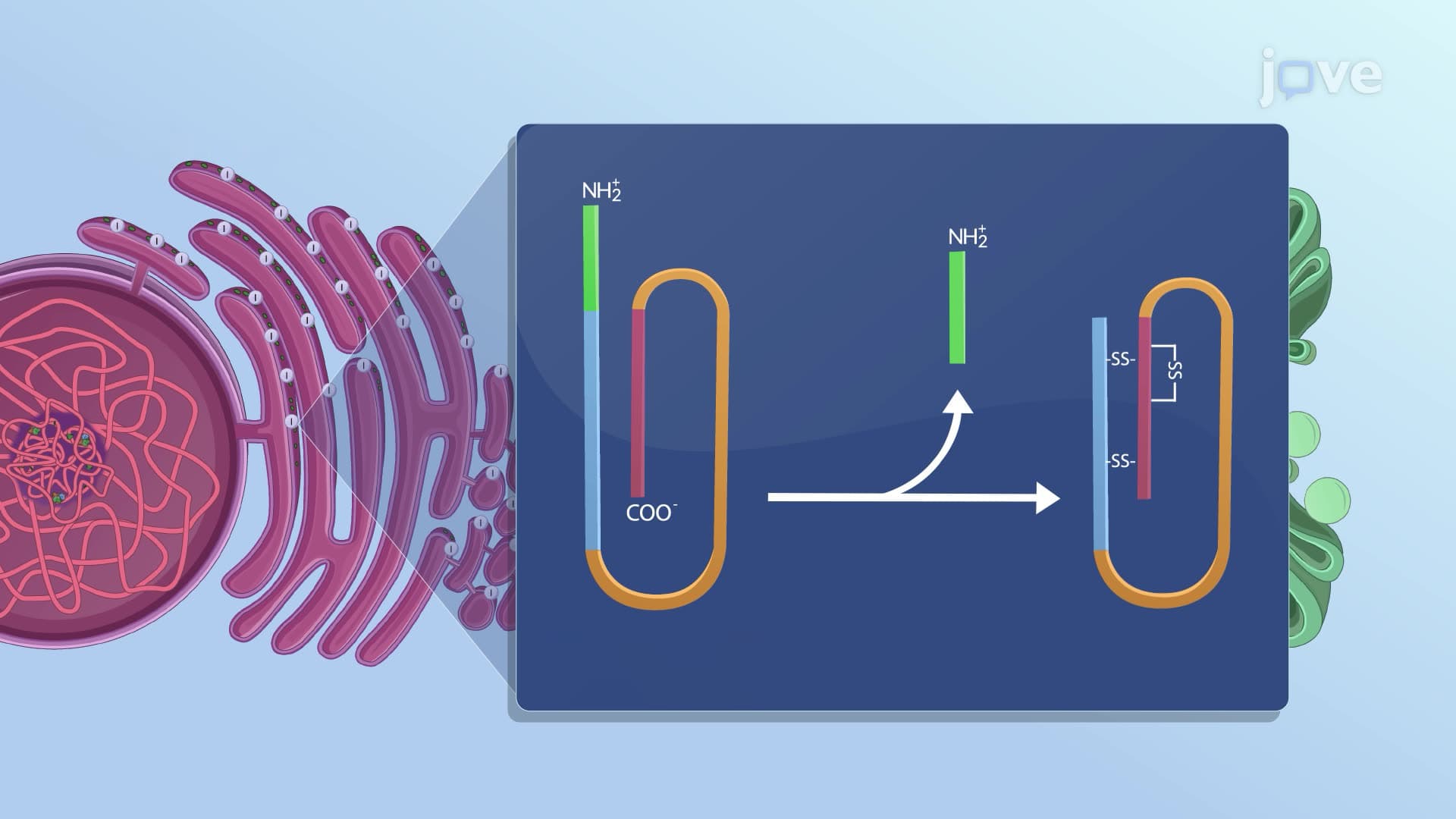
The biosynthetic pathway initiates in the endoplasmic reticulum with preproinsulin synthesis. This 110-amino acid precursor contains four distinct regions: an N-terminal signal peptide (24 amino acids), the B chain (30 amino acids), connecting C-peptide (31 amino acids), and the A chain (21 amino acids). The signal peptide guides the nascent protein into the ER lumen, where it's immediately cleaved by signal peptidase, yielding proinsulin.
Proinsulin undergoes critical structural maturation through disulfide bond formation between cysteine residues, creating the characteristic two-chain structure connected by the C-peptide. This molecule travels to the Golgi apparatus, where prohormone convertases PC1/3 and PC2 perform precise proteolytic cleavage, separating C-peptide from mature insulin while preserving the essential disulfide bridges between A and B chains.
Modern diabetes treatment relies heavily on understanding these biosynthetic principles. Pharmaceutical companies like Eli Lilly and Novo Nordisk employ recombinant DNA technology to produce human insulin in bacterial or yeast systems, mimicking the natural folding and processing mechanisms. This knowledge proves essential for students preparing for the MCAT biochemistry section or AP Biology exam, where protein processing pathways frequently appear.
The most fascinating aspect of insulin biosynthesis chemistry and preparation involves creating therapeutic analogs through strategic amino acid modifications. Insulin lispro exemplifies this approach-reversing positions 28 and 29 in the B chain (Pro-Lys to Lys-Pro) prevents hexamer formation, allowing rapid absorption for mealtime glucose control. Conversely, insulin glargine incorporates glycine at position A21 and adds two arginine residues to the B chain, creating a formulation that precipitates at physiological pH, extending duration to 24 hours.
These modifications demonstrate how understanding molecular structure directly translates to clinical applications, making this topic particularly relevant for pre-medical students and healthcare professionals studying pharmacology and endocrinology.
Related Micro-courses