Loading subject page…


15,261 views


Video Summary: Insulin Dosing Regimen and Adverse Effects Explained
Did you know that approximately 37 million Americans rely on precise insulin dosing regimen and adverse effects management to survive each day? Understanding how healthcare providers calculate the perfect balance between long-acting insulin (covering 40-50% of daily needs) and short-acting pre-meal doses can mean the difference between healthy glucose control and dangerous hypoglycemic episodes for diabetic patients at hospitals like Mayo Clinic. Watch the full video on JoVE Coach to master this concept with expert-led visuals and step-by-step explanations.
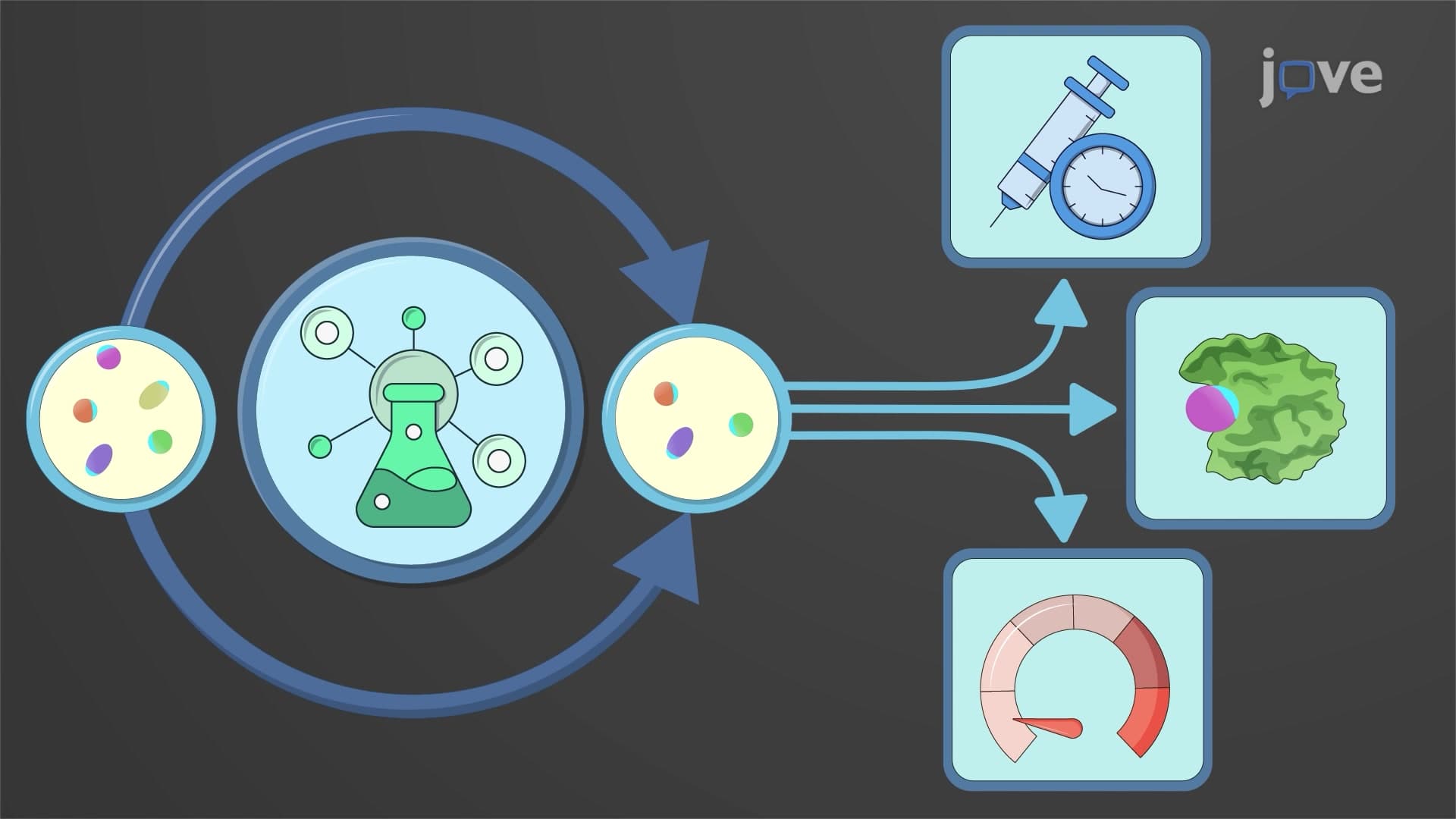
Modern diabetes management relies on sophisticated insulin dosing regimen and adverse effects protocols that healthcare providers must master to ensure patient safety. The foundation of effective insulin therapy lies in understanding how different insulin formulations work synergistically to mimic the body's natural insulin production patterns throughout the day.
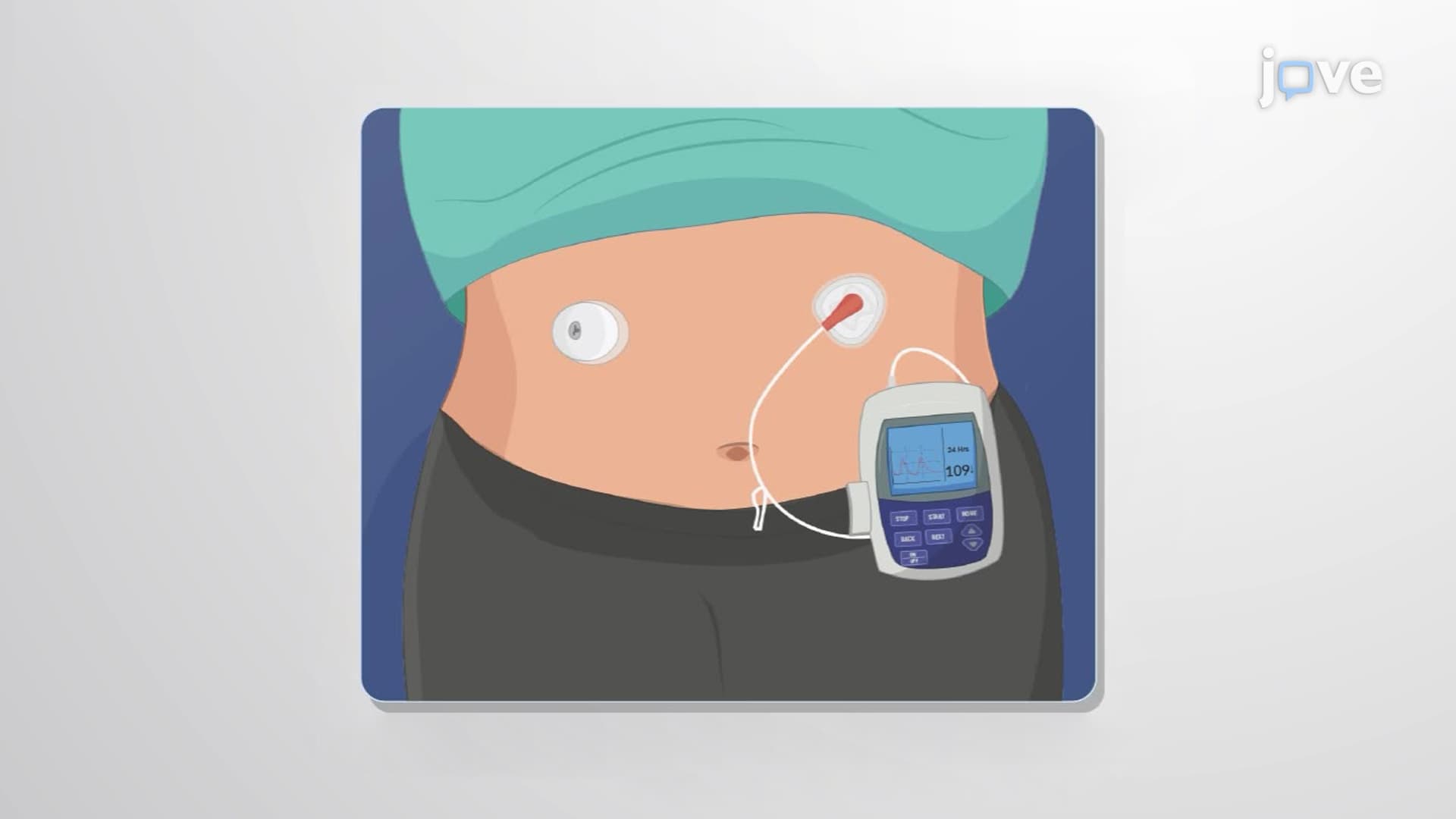
The gold standard approach involves intensive insulin therapy, where long-acting insulin analogs like glargine provide basal coverage representing 40-50% of the total daily insulin dose. This basal insulin maintains steady glucose control between meals and overnight. The remaining 50-60% comes from rapid-acting insulin administered before each meal to handle postprandial glucose spikes.
For example, a typical patient at Johns Hopkins might receive 20 units of glargine once daily, plus 8-12 units of rapid-acting insulin (like lispro or aspart) before breakfast, lunch, and dinner. This regimen closely mimics physiological insulin secretion patterns.
Alternatively, less intensive regimens use intermediate-acting NPH insulin twice daily for basal coverage, combined with regular short-acting insulin before meals. While simpler, this approach offers less flexibility and precise control, making it suitable for patients who cannot manage complex regimens.
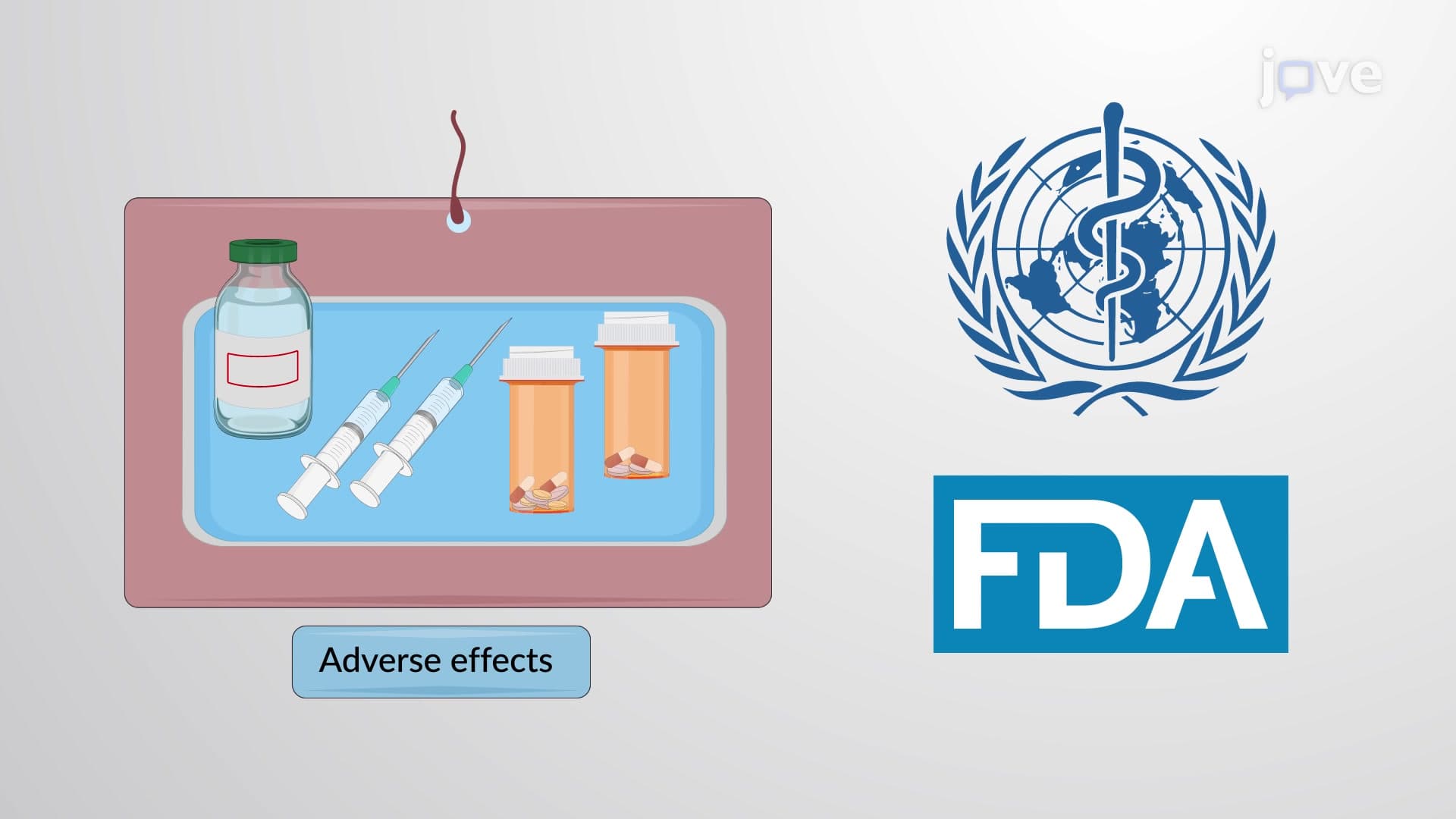
Healthcare providers emphasize rigorous monitoring through glucose self-testing and quarterly A1c measurements. These assessments help prevent the most dangerous adverse effect: hypoglycemia. When blood glucose drops below 70 mg/dL, patients risk serious complications including seizures, coma, brain damage, or cardiac arrest. Emergency departments across the US regularly treat severe hypoglycemic episodes, particularly in elderly patients or those with variable eating patterns.
Students preparing for the MCAT or NCLEX must understand that hypoglycemia represents an immediate medical emergency requiring rapid glucose administration, while hyperglycemia develops more gradually but can lead to diabetic ketoacidosis.
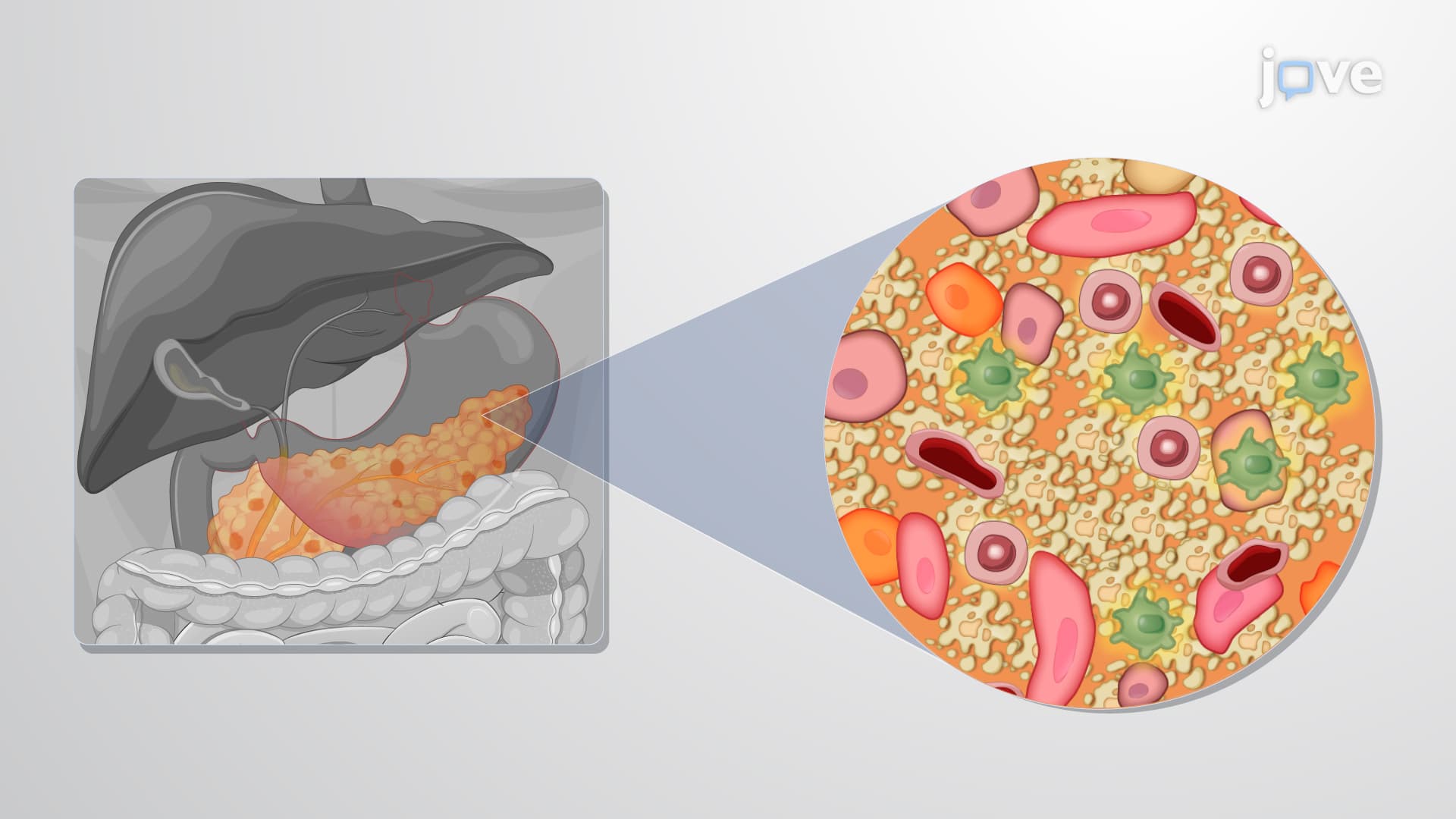
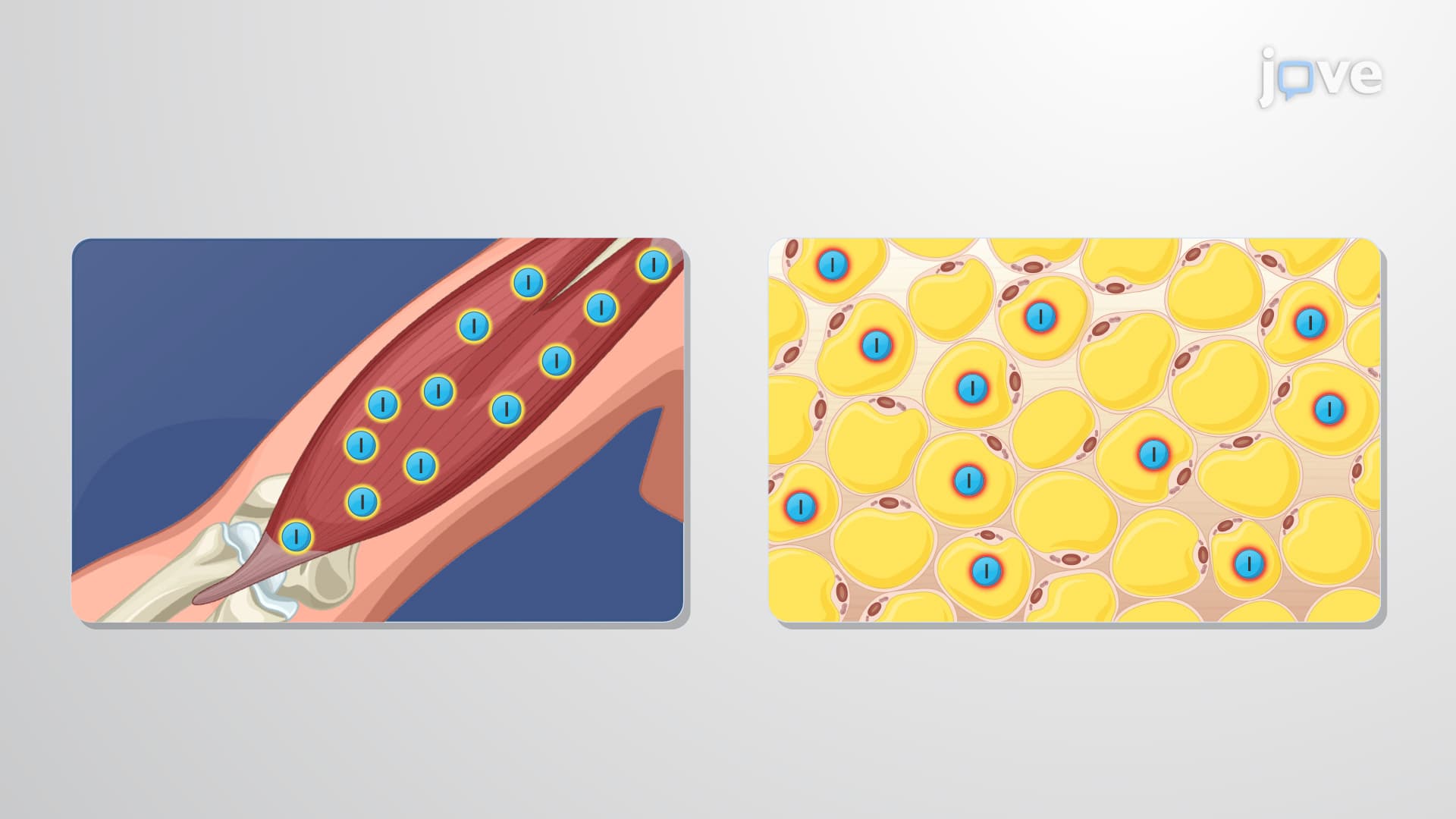
Proper injection technique and site rotation prevent lipodystrophy - the abnormal accumulation or loss of subcutaneous fat tissue. Insulin's lipogenic properties cause fat cells to enlarge when patients repeatedly inject at the same location. This creates unsightly lumps and can affect insulin absorption, leading to unpredictable glucose control.
Additionally, while rare, allergic reactions to recombinant human insulin can occur, ranging from local skin reactions to systemic anaphylaxis requiring immediate medical intervention.
Related Micro-courses