Loading subject page…


15,256 views

Video Summary: Insulin Formulations Types and Delivery Tutorial
Ever wondered why some diabetic patients inject insulin multiple times daily while others use once-daily shots? Insulin formulations types and delivery systems vary dramatically in their onset, duration, and administration methods. For instance, a Type 1 diabetic student at UCLA might use rapid-acting lispro before meals and long-acting glargine at bedtime, while a hospitalized patient receives continuous IV regular insulin. Understanding Insulin Formulations Types And Delivery Tutorial concepts helps explain these therapeutic differences. Watch the full video on JoVE Coach to master this concept with expert-led visuals and step-by-step explanations.
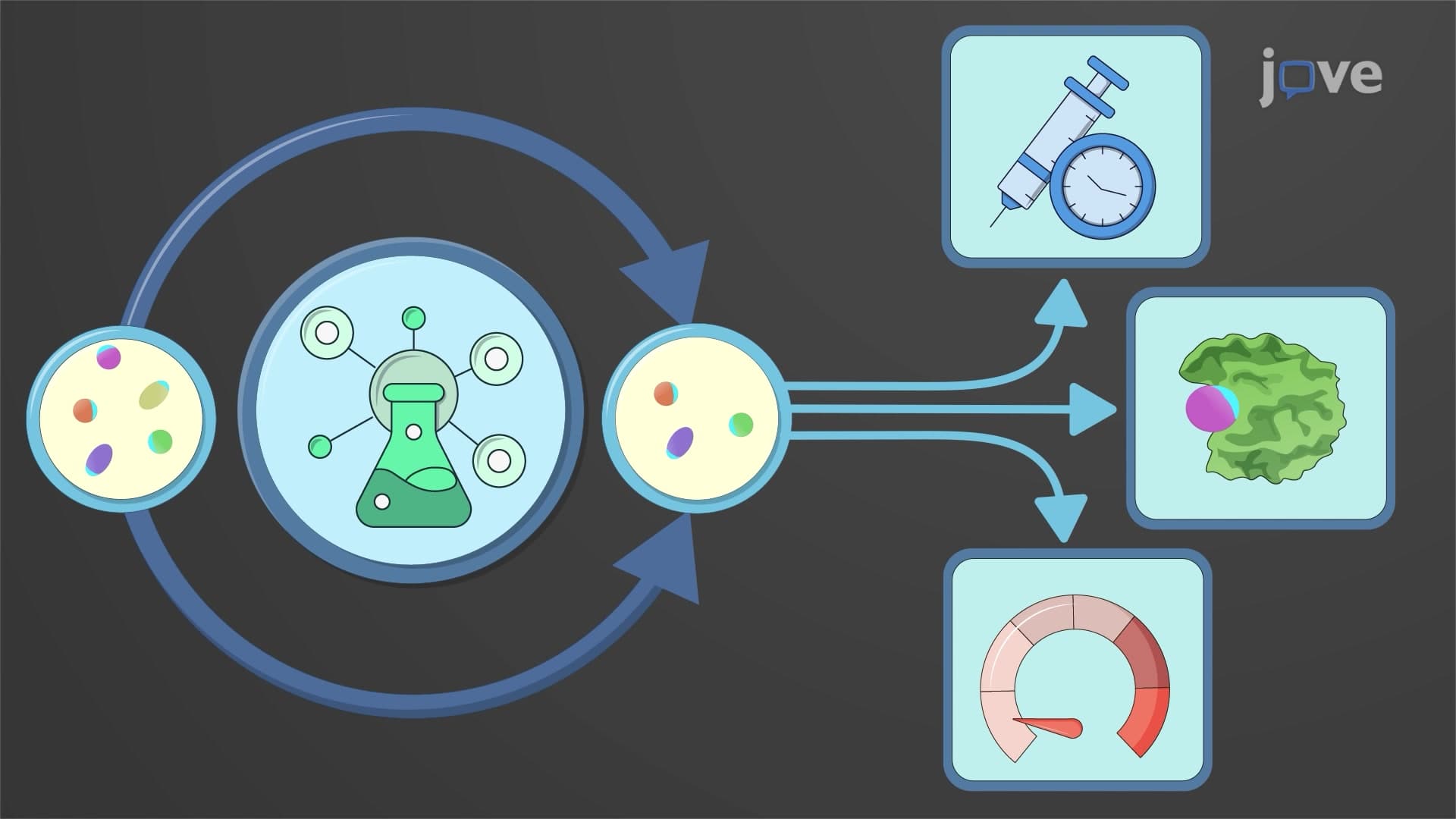
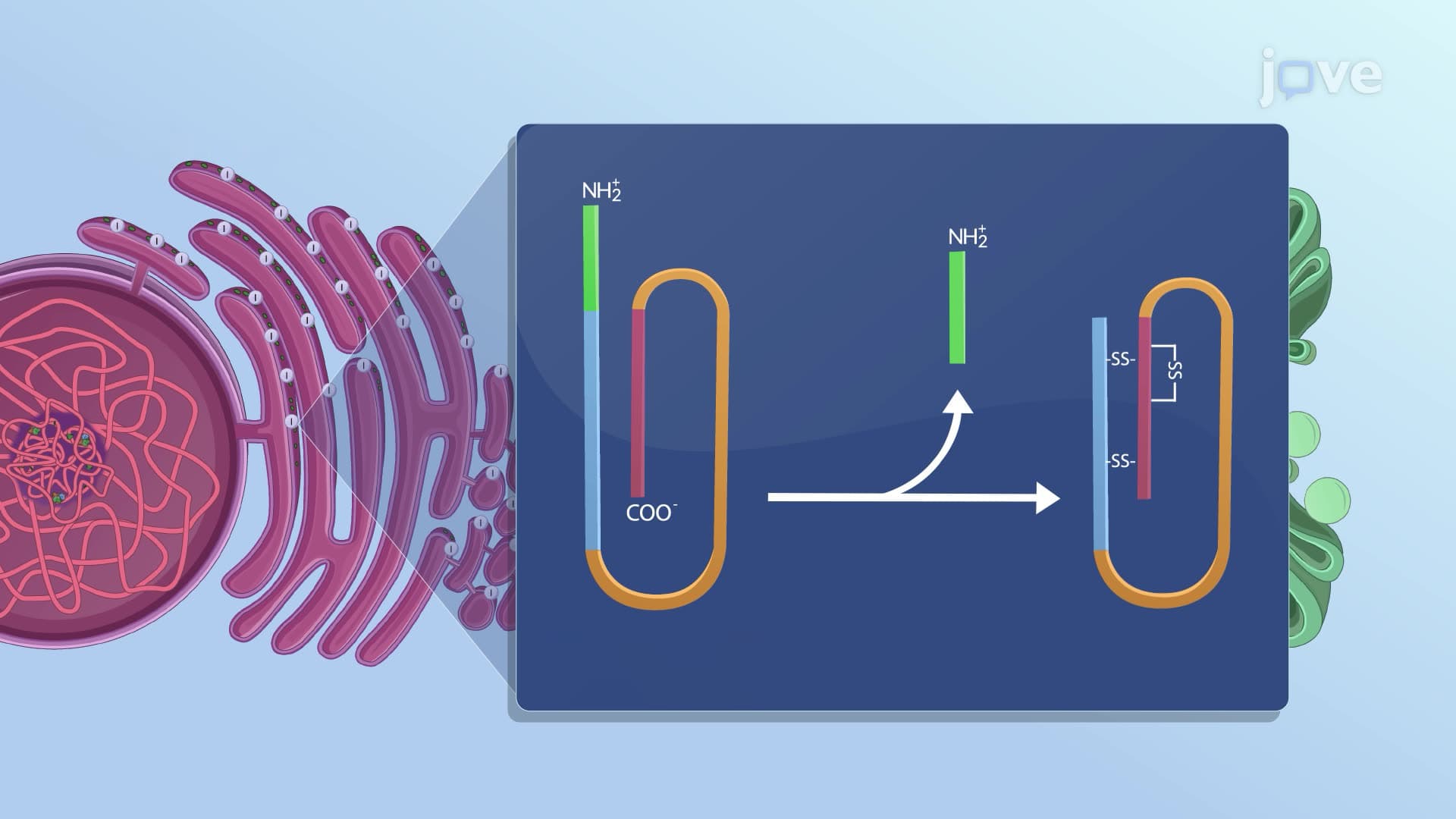
The science behind insulin formulations types and delivery centers on manipulating insulin's molecular structure to control absorption rates and duration of action. This pharmaceutical engineering directly impacts patient outcomes and quality of life for America's 37 million diabetics.
Rapid-acting insulin analogs represent a breakthrough in diabetes management. Lispro (Humalog), aspart (NovoLog), and glulisine (Apidra) contain specific amino acid modifications that prevent hexamer formation, allowing immediate dissociation into monomeric units upon injection. This molecular design enables absorption within 15 minutes, making pre-meal timing more convenient for patients.
Regular insulin, conversely, forms stable hexamers that must dissociate before absorption. This creates a 30-45 minute delay, requiring precise meal planning. For MCAT preparation, students should understand how zinc ions facilitate hexamer stability and how analog modifications disrupt this process.
NPH (Neutral Protamine Hagedorn) insulin exemplifies sustained-release technology through protein complexation. Protamine, a positively-charged protein derived from salmon sperm, binds insulin molecules while zinc ions provide additional stabilization. Upon subcutaneous injection, this complex gradually dissolves, releasing insulin over 10-20 hours.
Long-acting analogs like glargine (Lantus) achieve extended duration through different mechanisms. Glargine's acidic formulation precipitates at physiological pH, creating a subcutaneous depot that slowly releases insulin. Detemir (Levemir) uses fatty acid conjugation for albumin binding, while degludec (Tresiba) forms multi-hexamer chains, providing ultra-long action up to 42 hours.
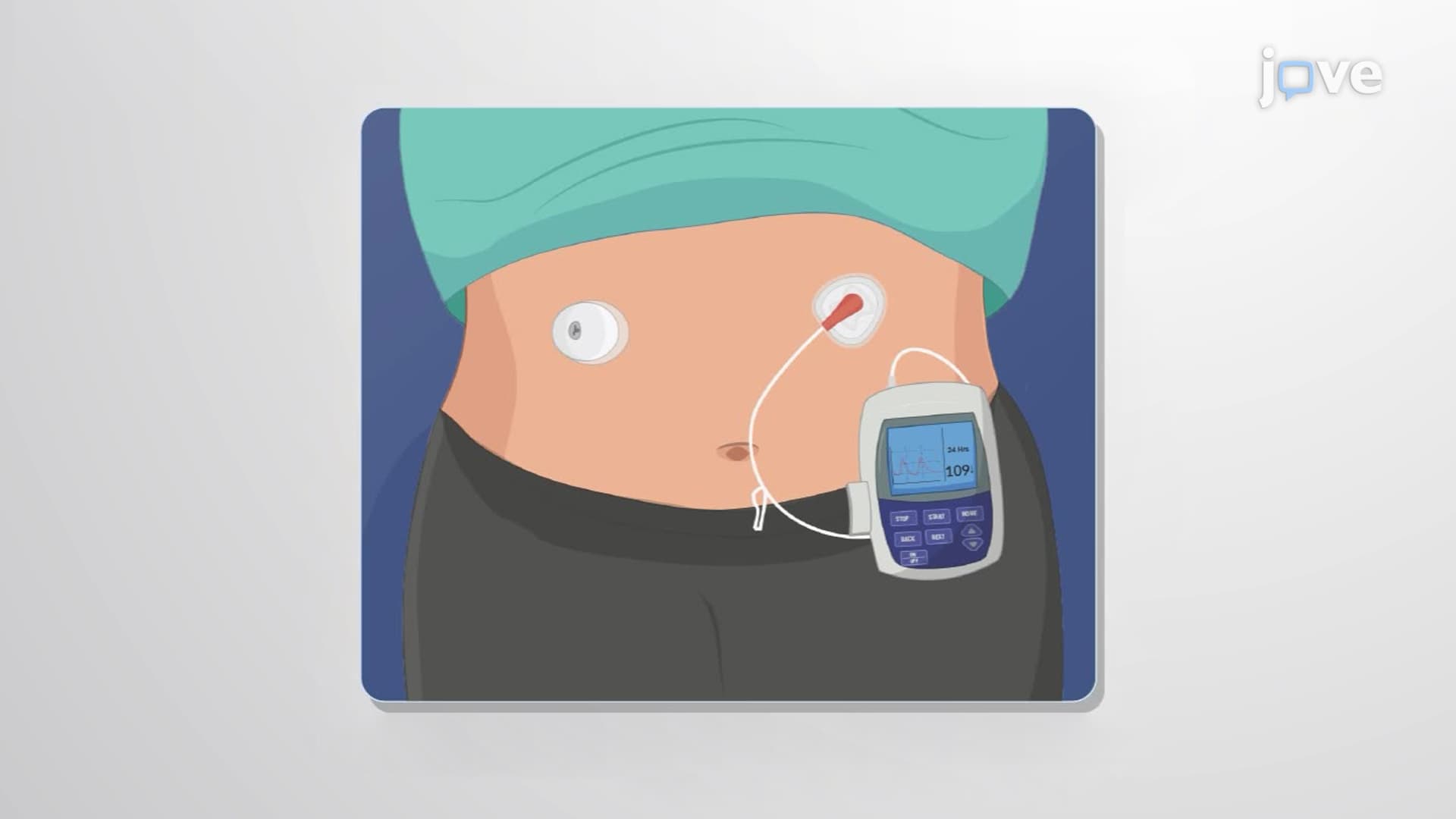
Modern insulin delivery transcends traditional syringes. Insulin pens offer precise dosing and portability, crucial for college students managing diabetes. Continuous subcutaneous insulin infusion (CSII) pumps deliver only rapid-acting formulations, providing basal rates and bolus doses that mimic physiological insulin secretion.
Healthcare settings utilize intravenous regular insulin for acute situations like diabetic ketoacidosis in emergency departments across hospitals like Johns Hopkins or Mayo Clinic. This route bypasses absorption variables, enabling precise glucose control during critical care and surgical procedures.
Related Micro-courses