Loading video…

 16 Concepts
 15.3K views

Video Summary: Oral Hypoglycemic Agents Glucosidase Inhibitors Explained
Did you know that blocking a single enzyme in your intestines can help millions of Americans manage Type 2 diabetes? Oral hypoglycemic agents glucosidase inhibitors work by preventing your body from breaking down complex carbohydrates too quickly, effectively controlling blood sugar spikes after meals. These medications, including acarbose and miglitol, are prescribed to over 500,000 diabetes patients annually in the United States. Watch the full video on JoVE Coach to master this concept with expert-led visuals and step-by-step explanations.
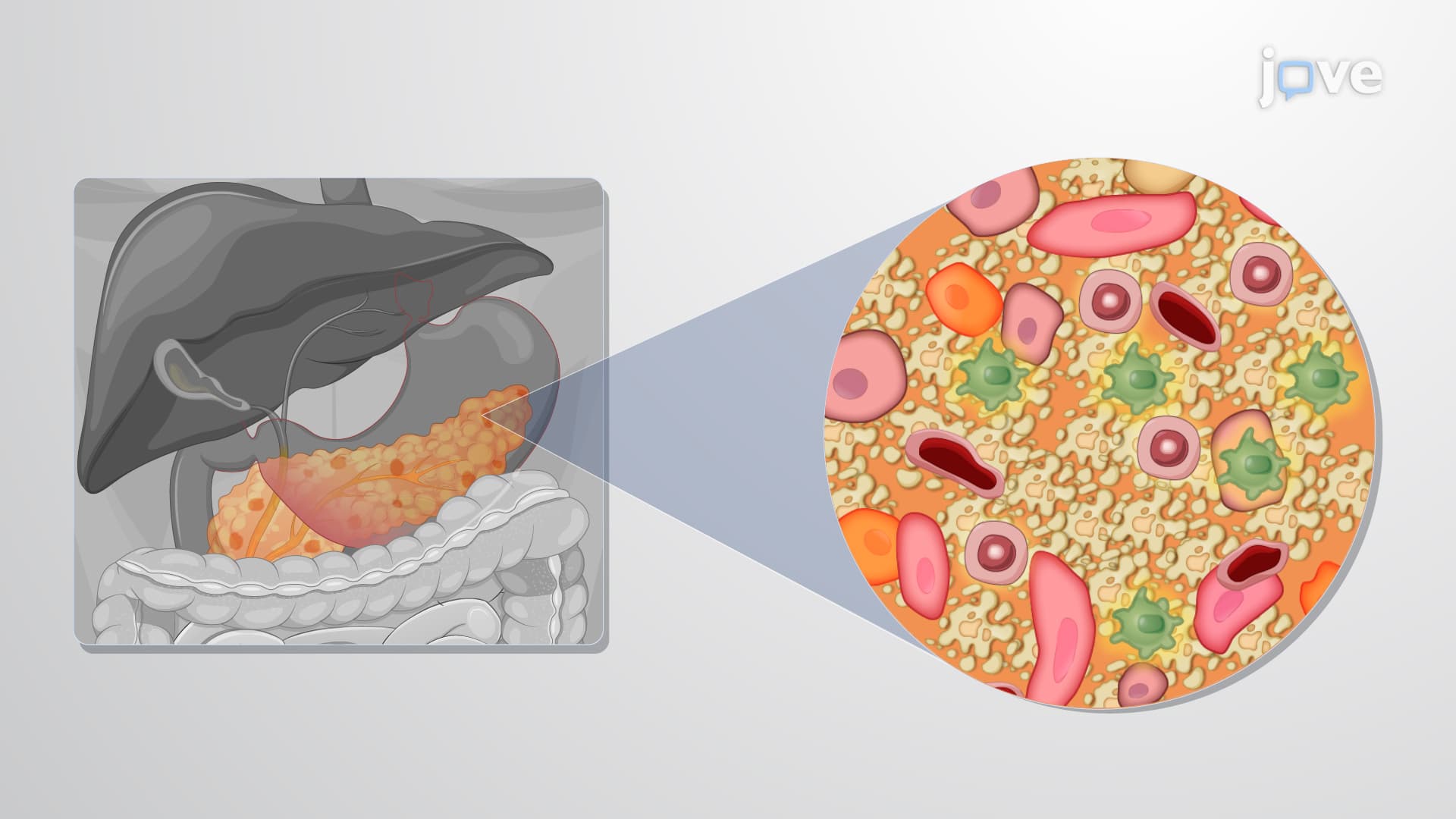
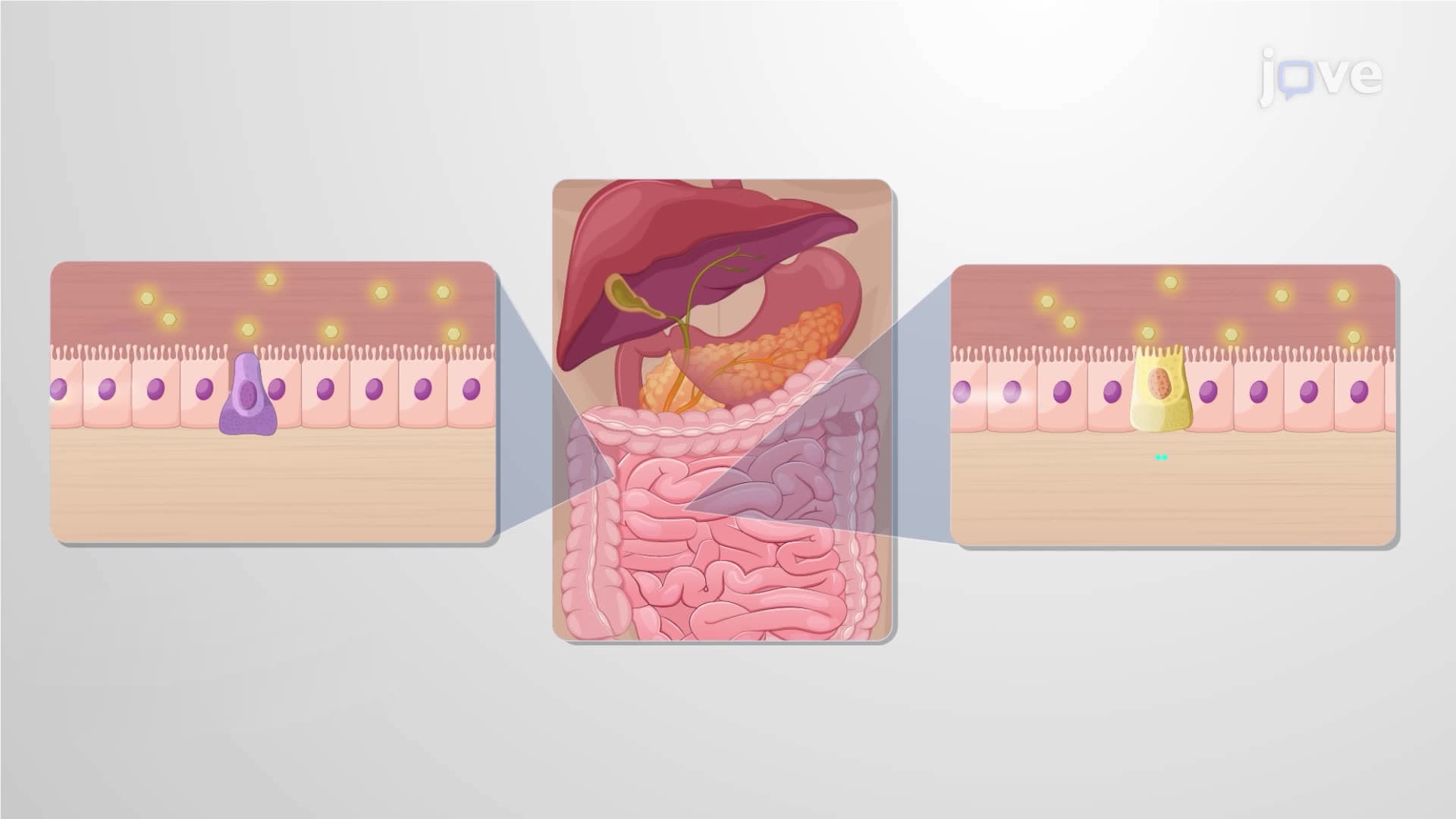
Alpha-glucosidase inhibitors represent a unique class of antidiabetic medications that work locally in the gastrointestinal tract rather than systemically affecting insulin production or sensitivity. These drugs target alpha-glucosidase enzymes located in the brush border of the small intestine, which are responsible for breaking down complex carbohydrates and disaccharides into simple sugars for absorption.
The therapeutic effect occurs through competitive inhibition of intestinal alpha-glucosidases, including maltase, isomaltase, sucrase, and glucoamylase. By blocking these enzymes, the drugs effectively slow the conversion of starches and complex sugars into glucose, creating a sustained-release effect for carbohydrate absorption. This mechanism directly addresses postprandial hyperglycemia, a significant concern in diabetes management.
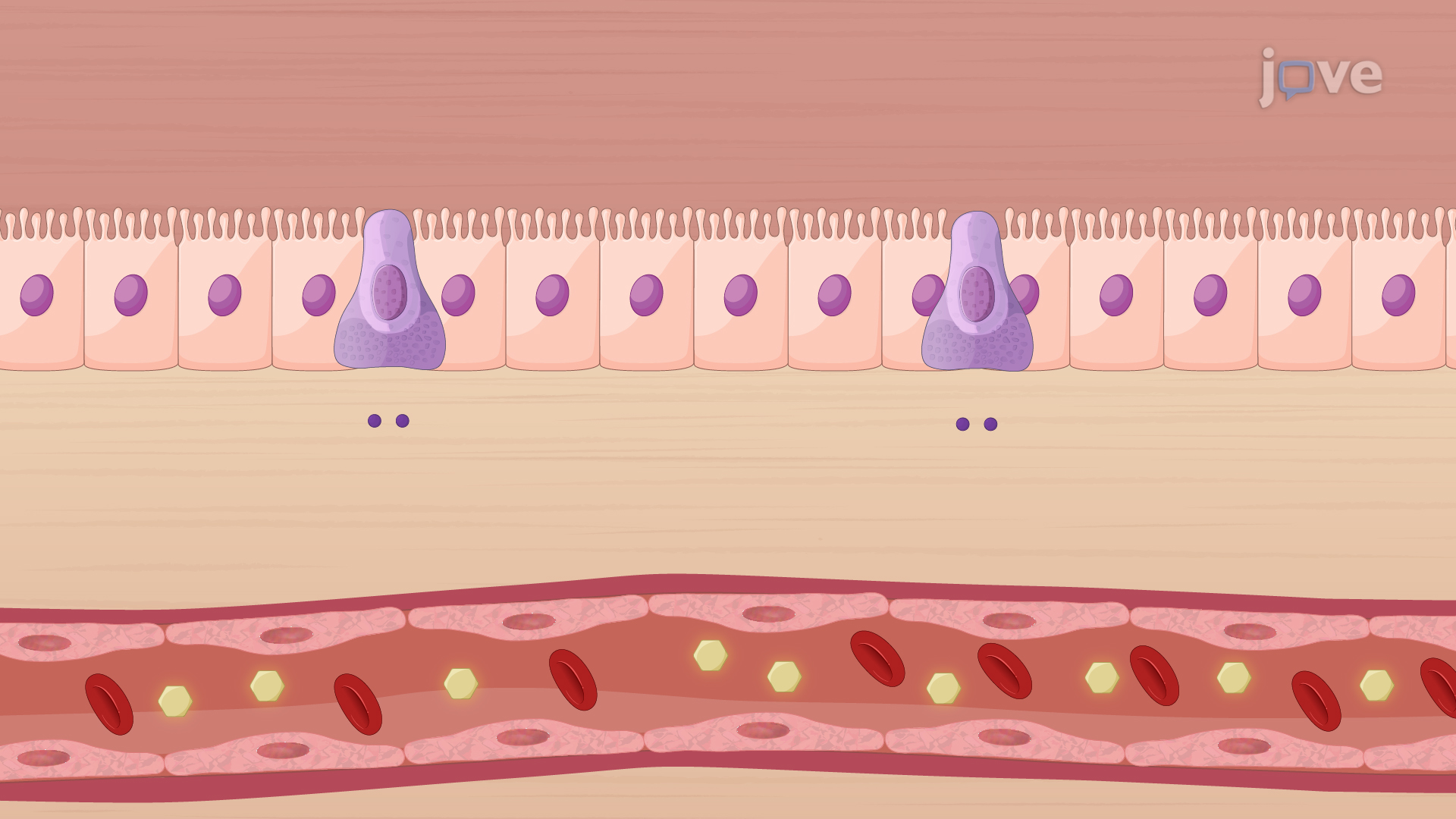
Additionally, these medications stimulate the release of glucagon-like peptide-1 (GLP-1), an incretin hormone that enhances glucose-dependent insulin secretion and suppresses glucagon release. This dual mechanism makes them particularly effective for controlling blood sugar spikes after meals, which is crucial for patients struggling with dawn phenomenon or those with predominantly postprandial glucose elevations.
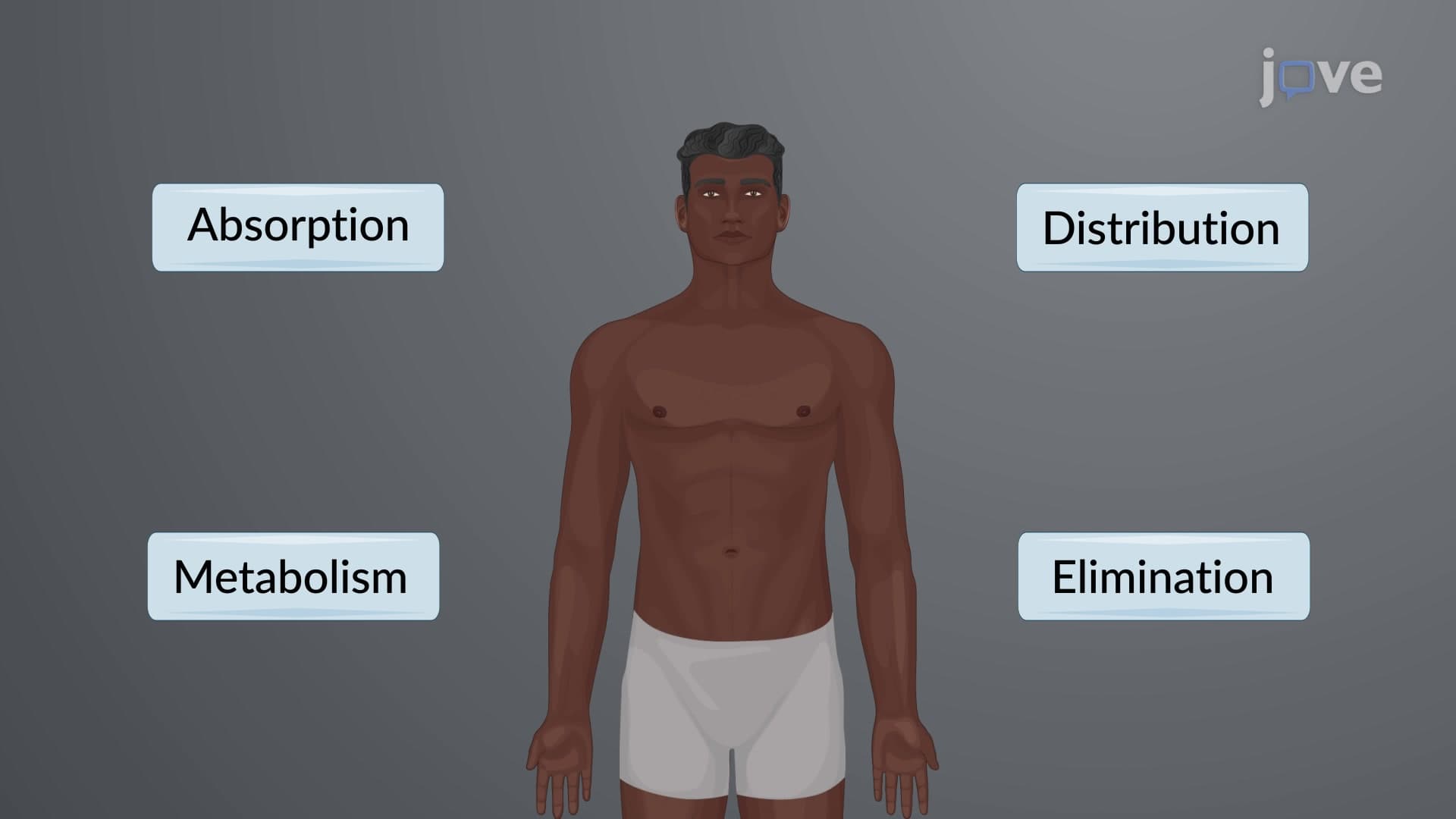
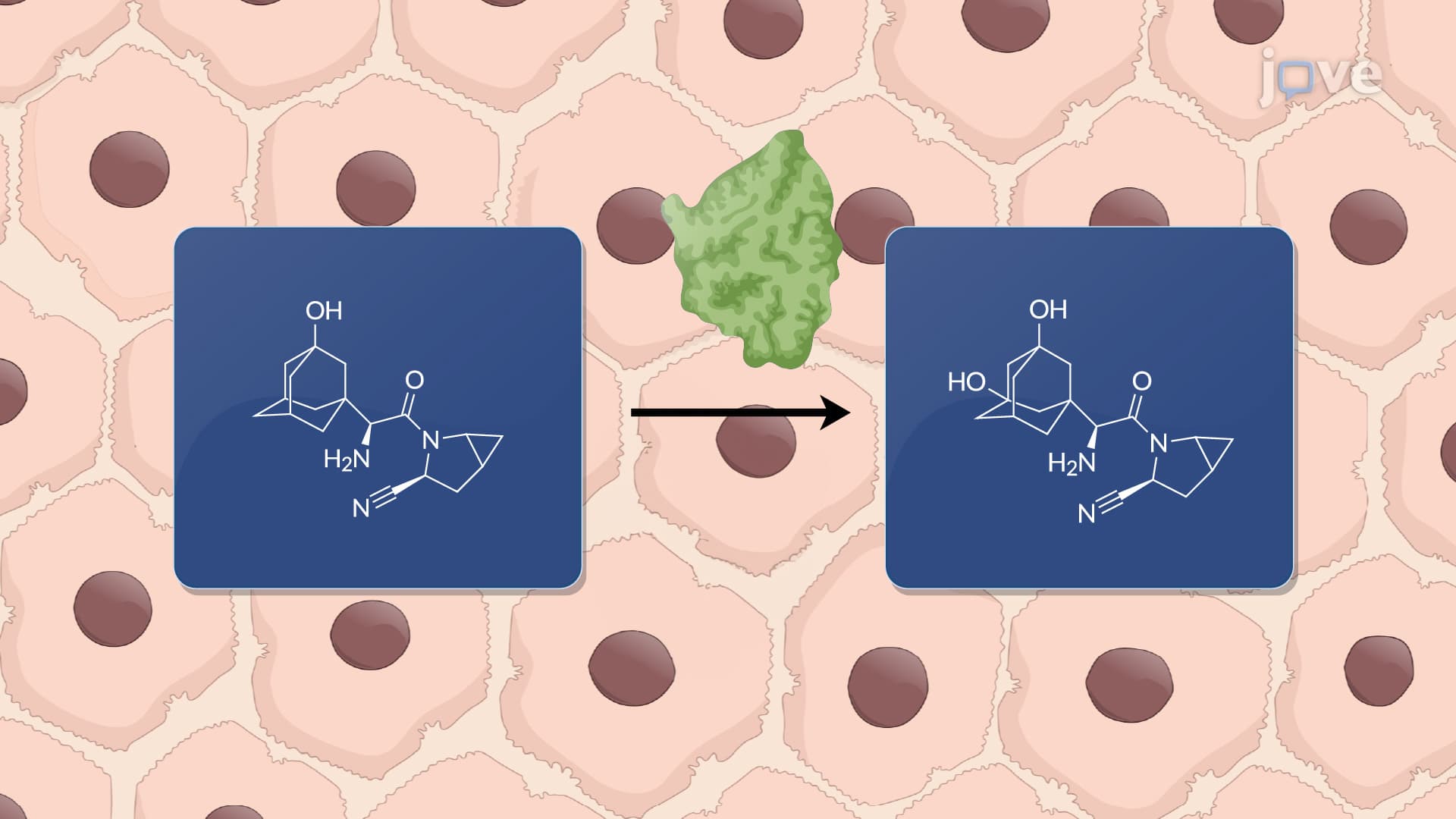
Acarbose, derived from Actinoplanes bacteria, exhibits minimal systemic absorption (less than 2%), with most of the drug remaining in the intestinal tract where it exerts its therapeutic effect. The small absorbed fraction undergoes renal elimination, making dose adjustments necessary in kidney disease patients.
Miglitol, a glucose analog with a chemical structure mimicking natural sugars, demonstrates significantly higher bioavailability (approximately 95% absorption). Despite this difference in absorption, both drugs are primarily eliminated through the kidneys, requiring careful monitoring in patients with renal impairment.
These medications are frequently tested on the MCAT, particularly in passages discussing carbohydrate metabolism and enzyme inhibition. AP Biology students encounter these drugs when studying digestive enzymes and metabolic regulation. For pre-med students preparing for the USMLE Step 1, understanding the mechanism helps answer questions about diabetes pharmacotherapy and gastrointestinal physiology.
The drugs are typically prescribed as adjunct therapy alongside metformin or insulin, rather than as monotherapy, making them important components of combination diabetes treatment regimens studied in pharmacology courses across US medical schools.
Related Micro-courses