Loading video…


 16 Concepts
 15.3K views


Video Summary: What Is Diabetes Management and Pharmacotherapy
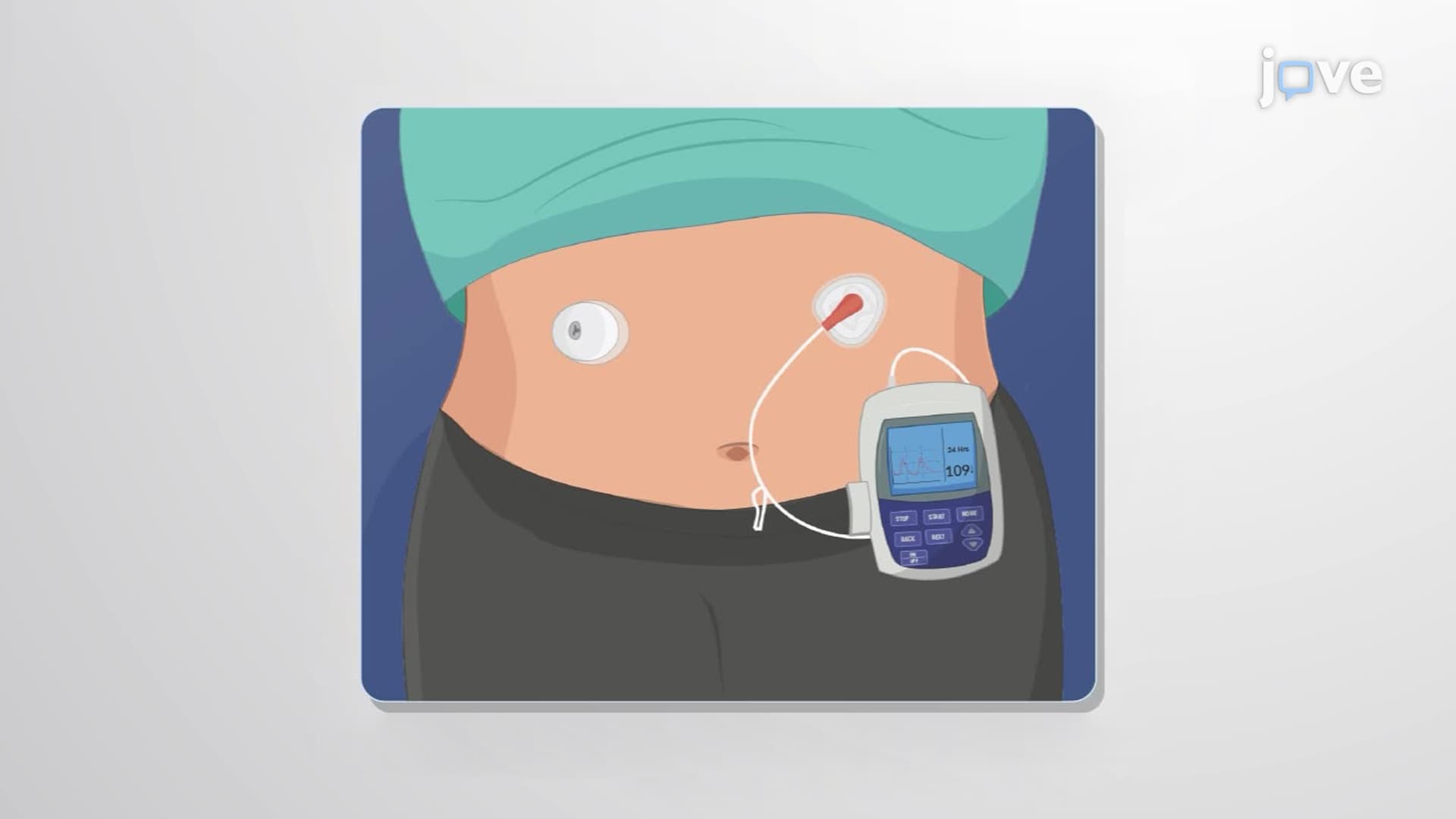
Did you know that over 37 million Americans live with diabetes, yet many don't fully understand how their treatment works? Diabetes management and pharmacotherapy combines medical treatments with lifestyle changes to control blood sugar and prevent serious complications like heart disease and kidney failure. For instance, a Type 1 diabetic student at UCLA might use continuous glucose monitoring alongside insulin injections to maintain healthy blood sugar levels throughout their studies. Watch the full video on JoVE Coach to master this concept with expert-led visuals and step-by-step explanations.
Diabetes management and pharmacotherapy represents a comprehensive, multi-faceted approach to treating one of America's most prevalent chronic diseases. This field combines evidence-based medication protocols with lifestyle interventions to achieve optimal patient outcomes. Unlike simple drug therapy, this approach recognizes that effective diabetes care requires addressing the disease's complex metabolic effects on multiple organ systems.
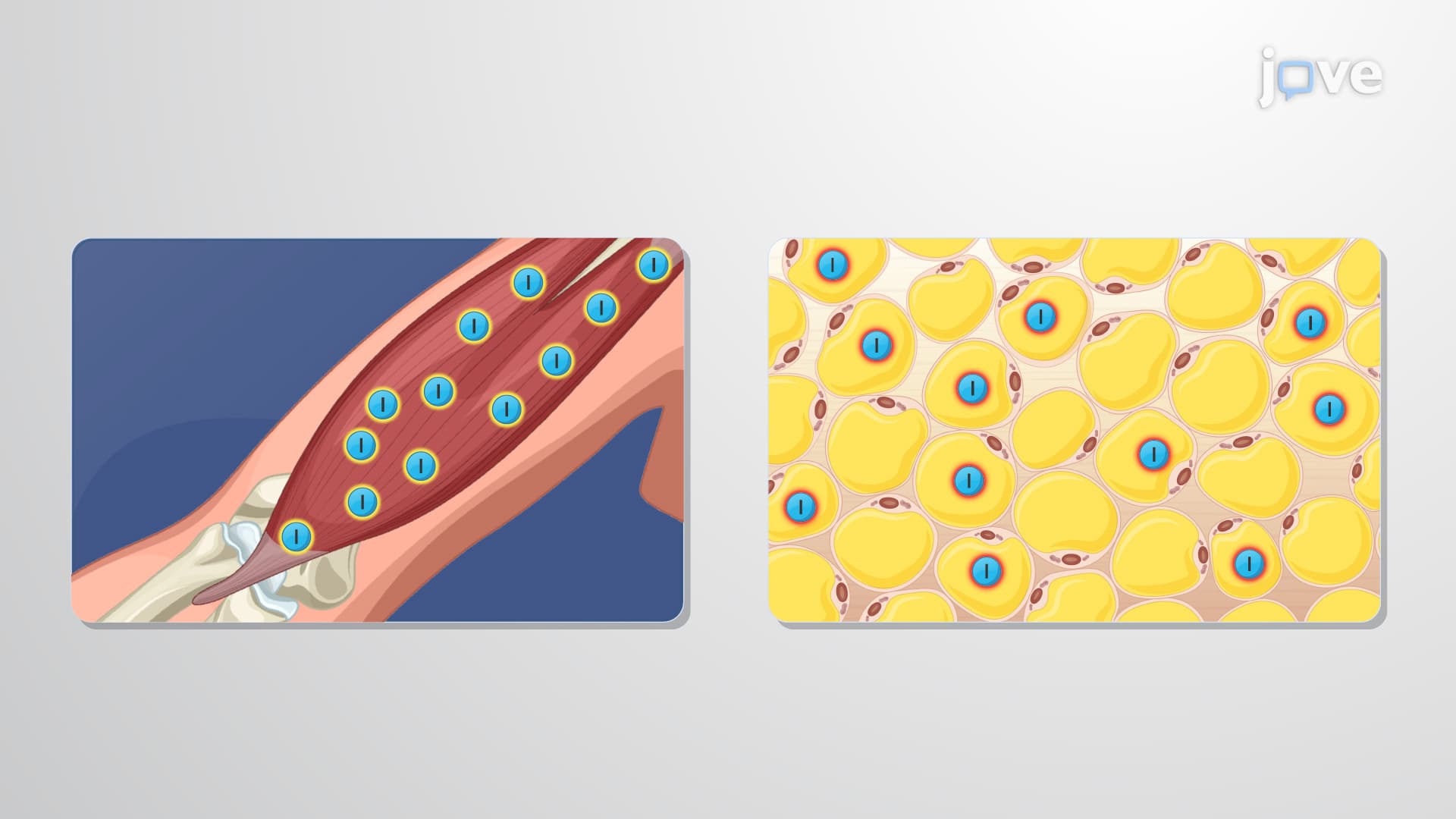
The pharmacotherapy component centers on insulin therapy, particularly for Type 1 diabetes patients who cannot produce insulin naturally. Modern insulin regimens use rapid-acting, long-acting, and intermediate-acting formulations to mimic normal pancreatic function. For example, a high school student with Type 1 diabetes might use a combination of long-acting insulin glargine for baseline coverage and rapid-acting insulin lispro before meals.
Effective diabetes management relies heavily on accurate glucose monitoring. Traditional self-monitoring involves fingerstick blood glucose testing, typically performed 4-6 times daily. However, continuous glucose monitoring (CGM) systems like those manufactured by Dexcom and Abbott have revolutionized care by providing real-time glucose readings and trend data.
The gold standard for long-term glycemic control assessment remains the hemoglobin A1C test, which reflects average blood glucose over 2-3 months. The American Diabetes Association recommends A1C targets below 7% for most adults, though individualized goals may vary. This measurement is crucial for MCAT preparation, as it frequently appears in clinical reasoning passages.
Modern diabetes management extends far beyond glucose control. Healthcare providers must address cardiovascular risk factors, as diabetes doubles the risk of heart disease and stroke. This includes managing hypertension (often with ACE inhibitors or ARBs) and dyslipidemia (typically with statins). Regular screening for diabetic retinopathy, nephropathy, and neuropathy enables early intervention to prevent irreversible complications.
The non-pharmacologic aspects of diabetes management are equally critical. Nutritional counseling helps patients understand carbohydrate counting, portion control, and meal timing. For Type 2 diabetes patients, weight management through caloric restriction and increased physical activity can significantly improve insulin sensitivity and glucose control. Exercise physiologists and certified diabetes educators work alongside physicians to provide comprehensive care that addresses each patient's unique needs and circumstances.
Related Micro-courses