Loading video…


 16 Concepts
 15.3K views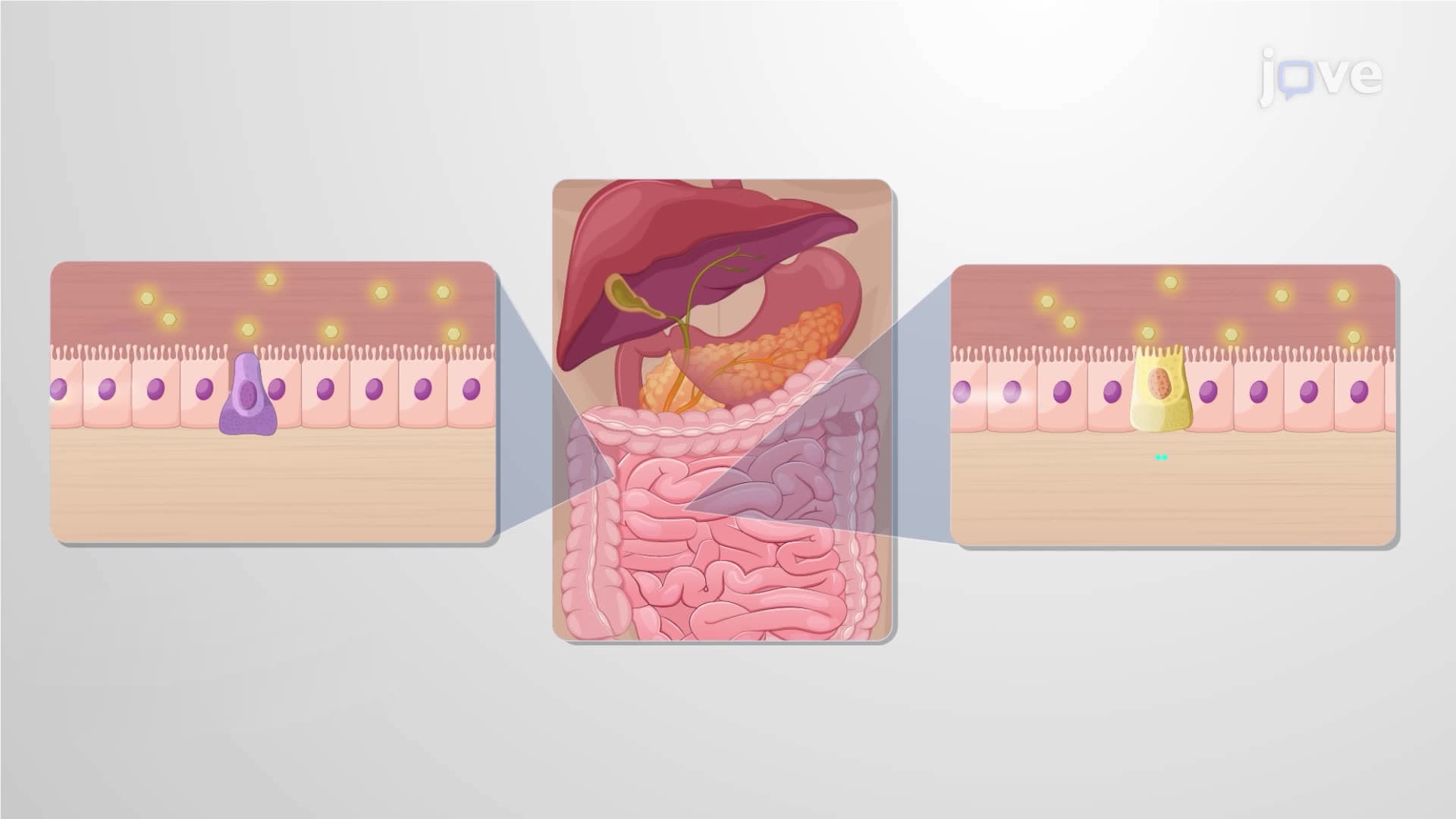

Video Summary: What Is Glucagon Like Receptor Agonists
Did you know that medications mimicking gut hormones can help millions of Americans lose weight while managing diabetes? Glucagon like receptor agonists are innovative drugs that work by copying the body's natural incretin hormones, particularly GLP-1, to improve blood sugar control and promote weight loss. The FDA has approved several of these medications, including Ozempic and Trulicity, which have revolutionized diabetes treatment across US healthcare systems. Watch the full video on JoVE Coach to master this concept with expert-led visuals and step-by-step explanations.
Glucagon like receptor agonists represent a breakthrough class of diabetes medications that harness the body's natural hormone system. These drugs work by mimicking incretin hormones, specifically GLP-1 (glucagon-like peptide-1), which are naturally released when we eat. Unlike traditional diabetes medications that simply lower blood sugar, these agents work through multiple pathways to provide comprehensive metabolic benefits.
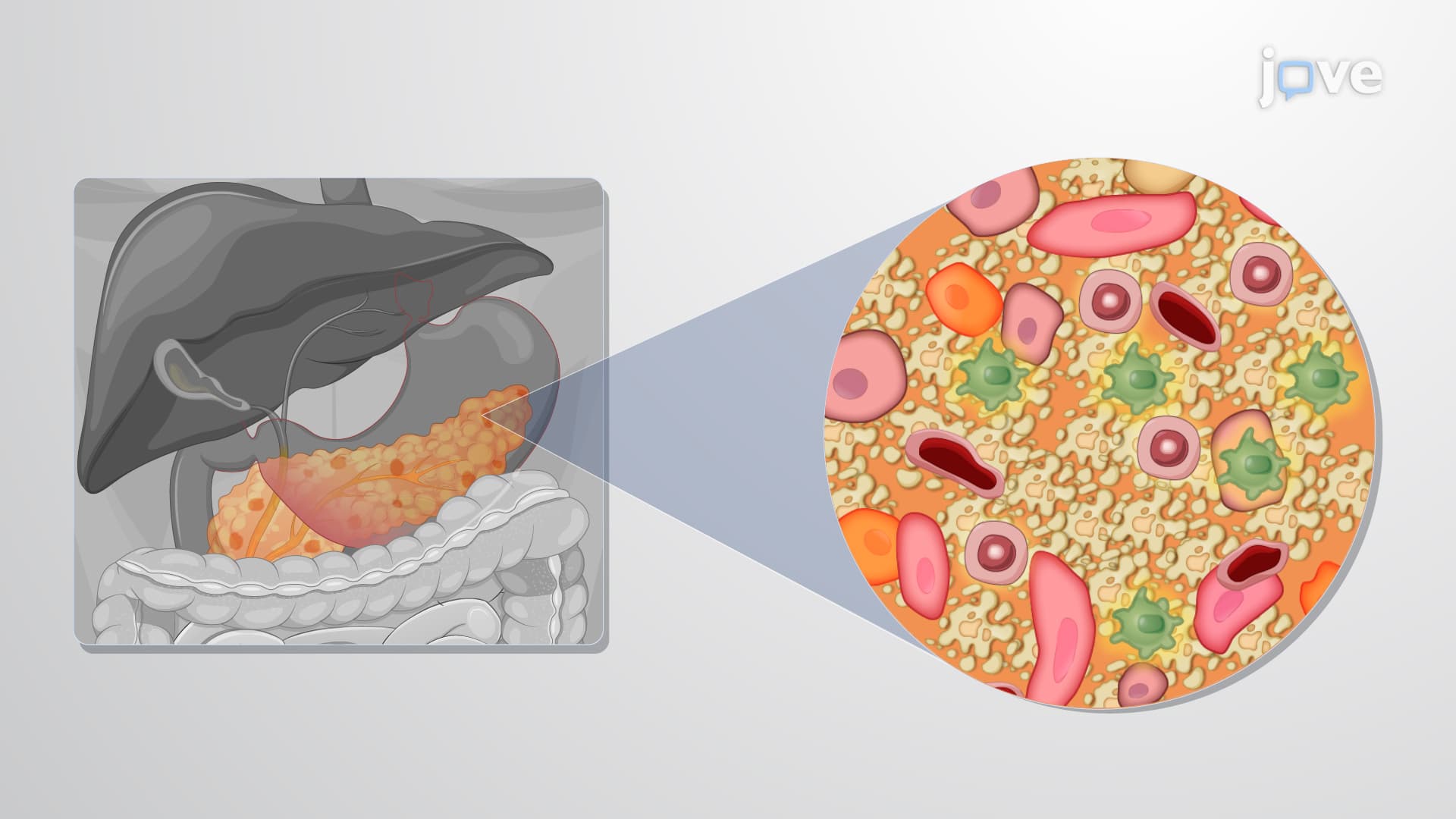
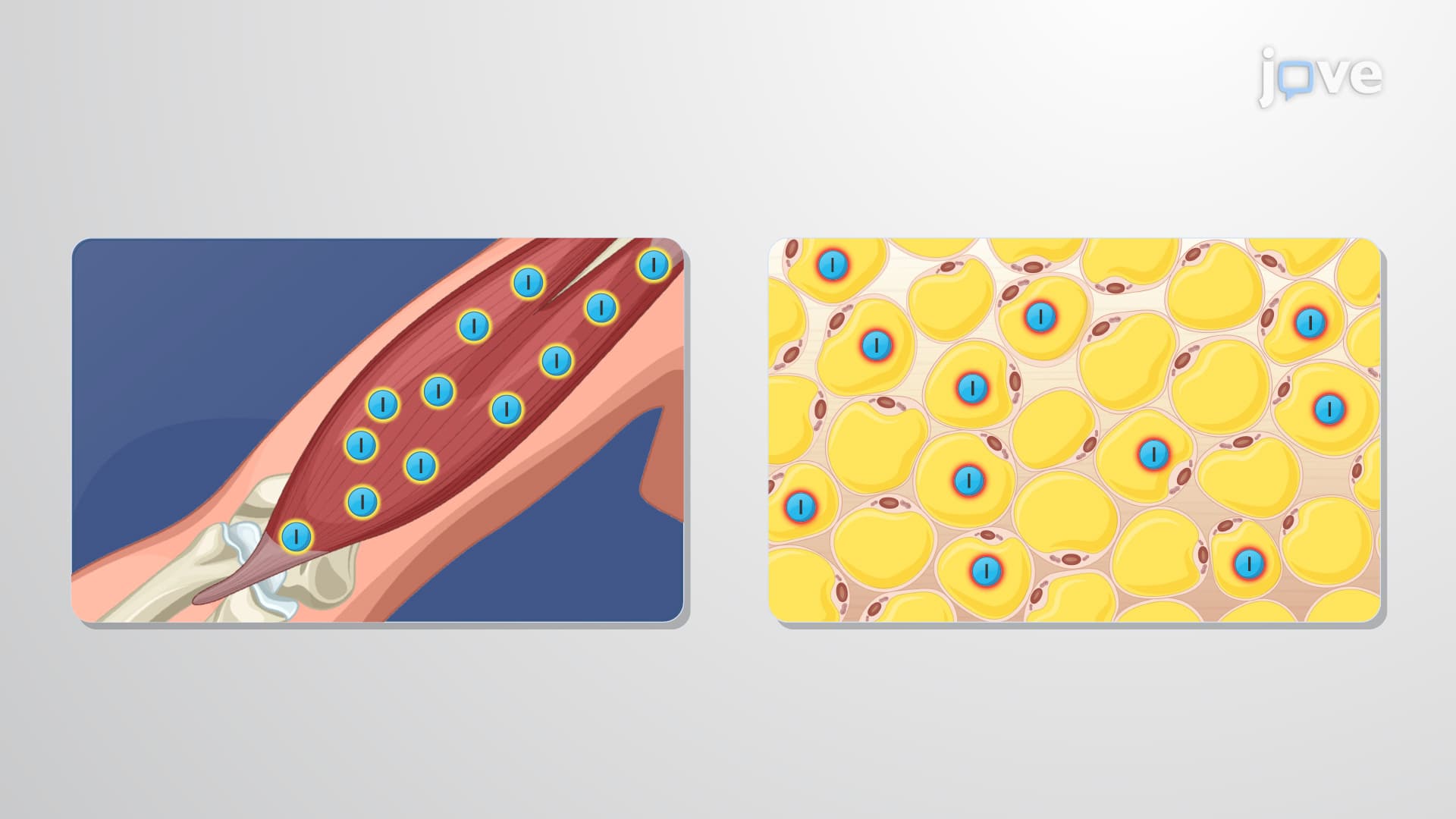
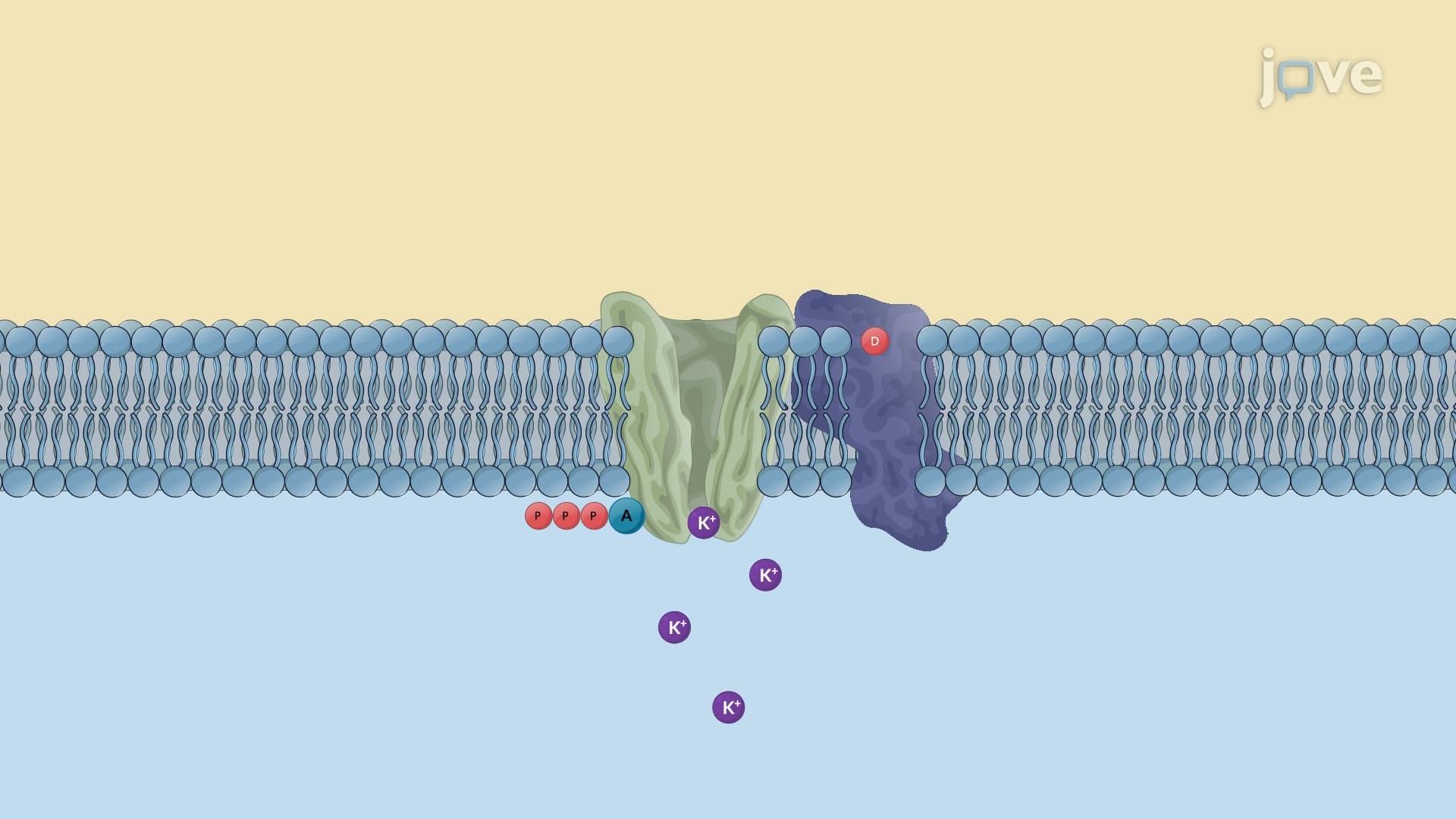
The human body has an elegant system for managing blood glucose after meals. When you eat a sandwich or drink orange juice, specialized intestinal L cells detect the incoming nutrients and release incretin hormones like GLP-1 and GIP (glucose-dependent insulinotropic polypeptide). These hormones travel to pancreatic beta cells, where they stimulate insulin release only when blood glucose is elevated-a safety feature that reduces hypoglycemia risk.
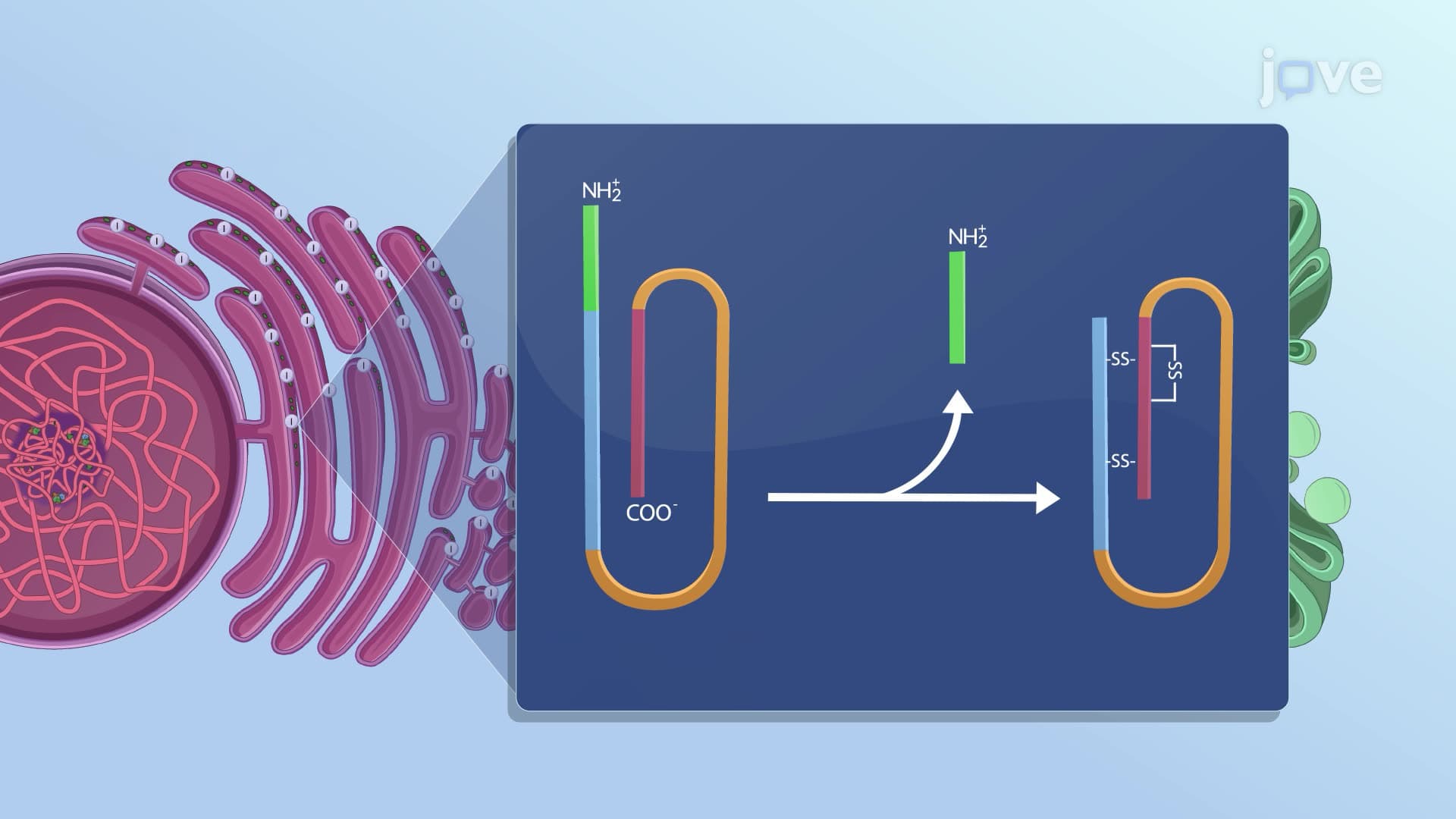
Both GLP-1 and glucagon actually originate from the same precursor protein called proglucagon. Different tissues process this protein differently: pancreatic alpha cells produce glucagon (which raises blood sugar), while intestinal L cells and certain brain neurons produce GLP-1 and GLP-2 (which lower blood sugar and provide other benefits).
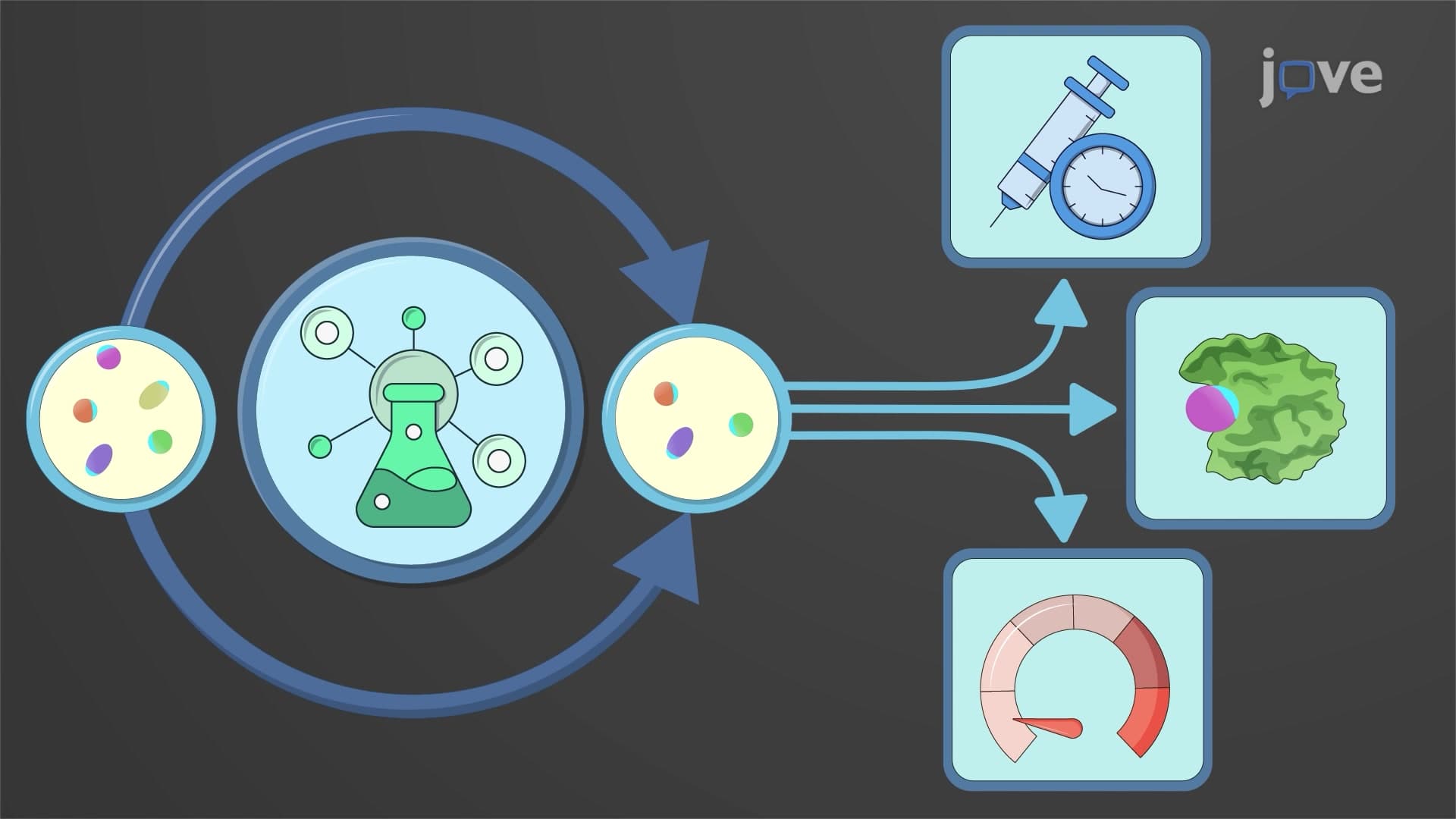
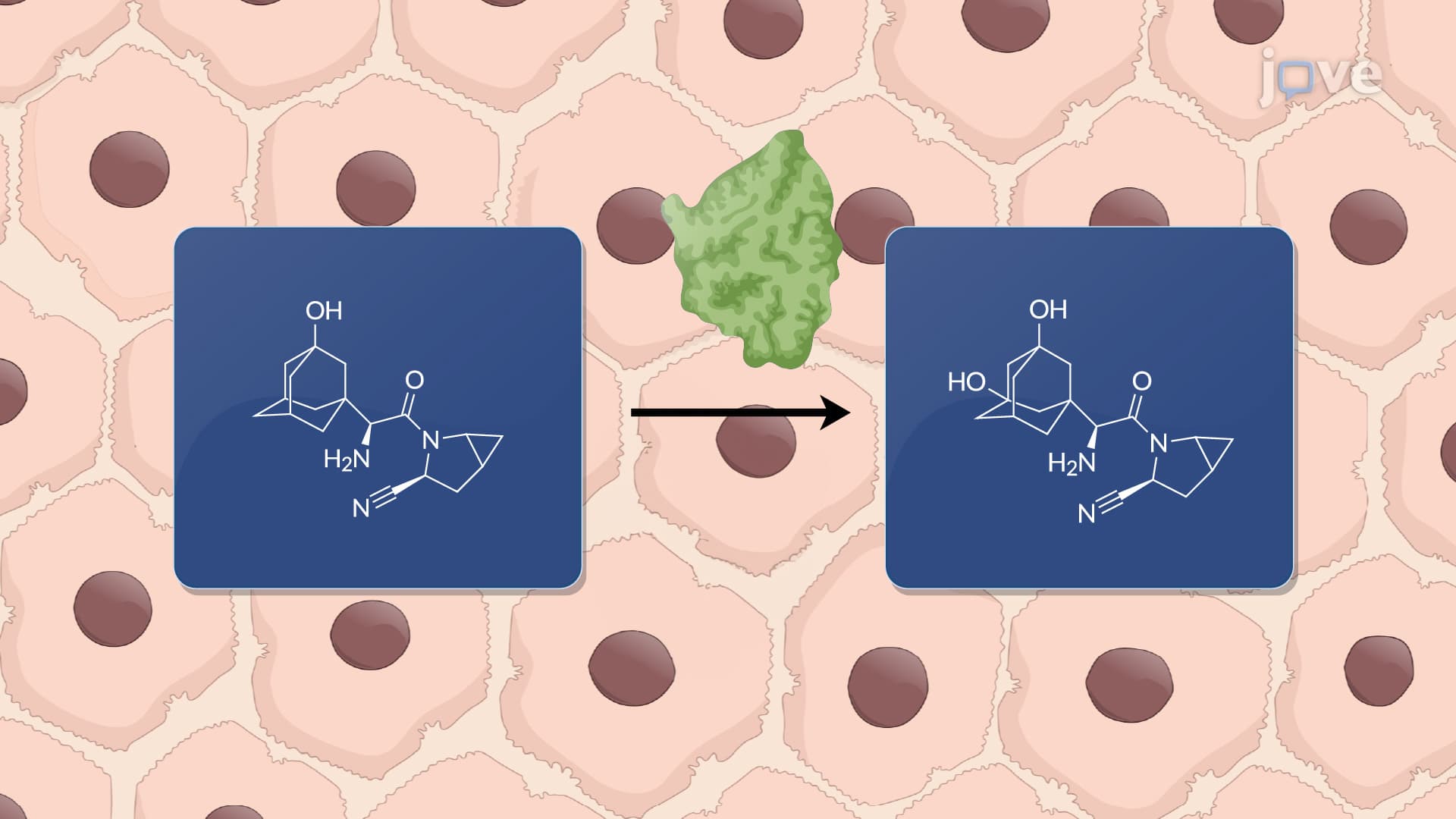
The challenge with natural GLP-1 is its extremely short half-life. The enzyme DPP-4 (dipeptidyl peptidase-4) rapidly breaks down GLP-1 within minutes of its release. This makes natural GLP-1 unsuitable as a medication. Pharmaceutical companies solved this problem by creating synthetic analogs that resist DPP-4 degradation.
Modern GLP-1 receptor agonists include several FDA-approved options widely used across American healthcare systems. Liraglutide (Victoza, Saxenda) requires daily injections, while dulaglutide (Trulicity) and semaglutide (Ozempic, Wegovy) offer convenient weekly dosing. Exenatide (Byetta, Bydureon) was among the first in this class, derived from the saliva of the Gila monster lizard.
These medications are frequently tested on MCAT biochemistry sections, particularly regarding hormone signaling pathways and drug design principles. AP Biology students encounter incretin physiology when studying endocrine system regulation. For pre-med students, understanding GLP-1 receptor agonists provides excellent examples of translational medicine-how basic science discoveries become life-changing treatments.
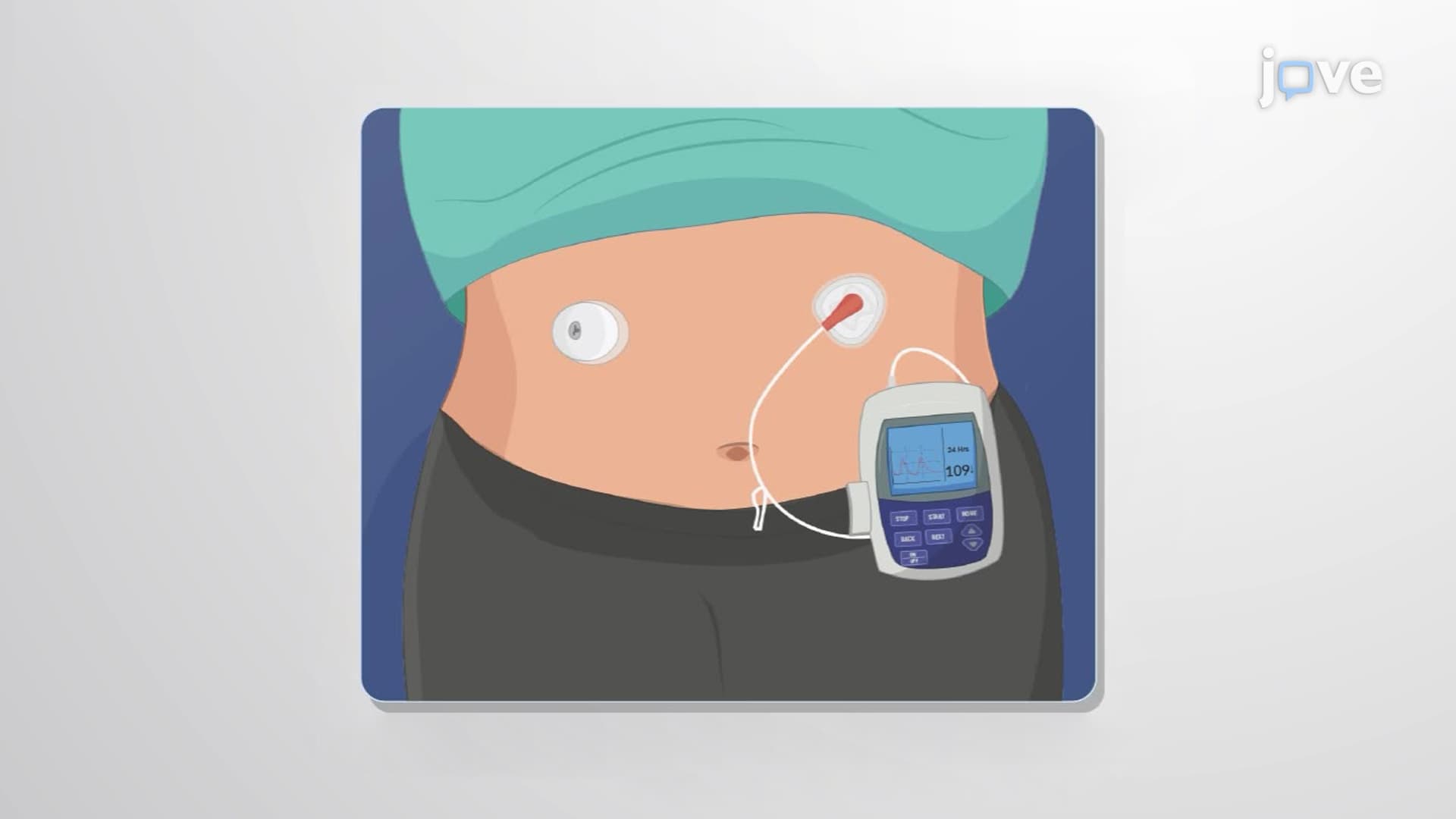
In clinical practice, these drugs have transformed diabetes care in American hospitals and clinics. They're particularly valuable for patients who struggle with weight management alongside diabetes, addressing two major health challenges simultaneously. The weight loss effects have led to separate FDA approvals for obesity treatment, expanding their therapeutic utility beyond diabetes management.
Related Micro-courses