Loading video…


 16 Concepts
 15.3K views

Video Summary: What Is Hypoglycemia and Glucagon
Did you know that severe hypoglycemia kills more Americans with diabetes each year than car accidents kill teenagers? Hypoglycemia and glucagon represent a critical life-saving partnership in your body's glucose regulation system. When blood sugar drops dangerously low-below 70 mg/dL-emergency responders across US hospitals rely on glucagon injections to prevent coma and death. Understanding what is hypoglycemia and glucagon is essential for anyone studying human physiology or considering healthcare careers. Watch the full video on JoVE Coach to master this concept with expert-led visuals and step-by-step explanations.
What is hypoglycemia and glucagon in the context of human metabolism? This question lies at the heart of endocrine physiology and emergency medicine. Hypoglycemia occurs when blood glucose concentrations fall below 70 mg/dL, disrupting normal cellular function throughout the body. The brain, which relies almost exclusively on glucose for energy, becomes particularly vulnerable during these episodes.
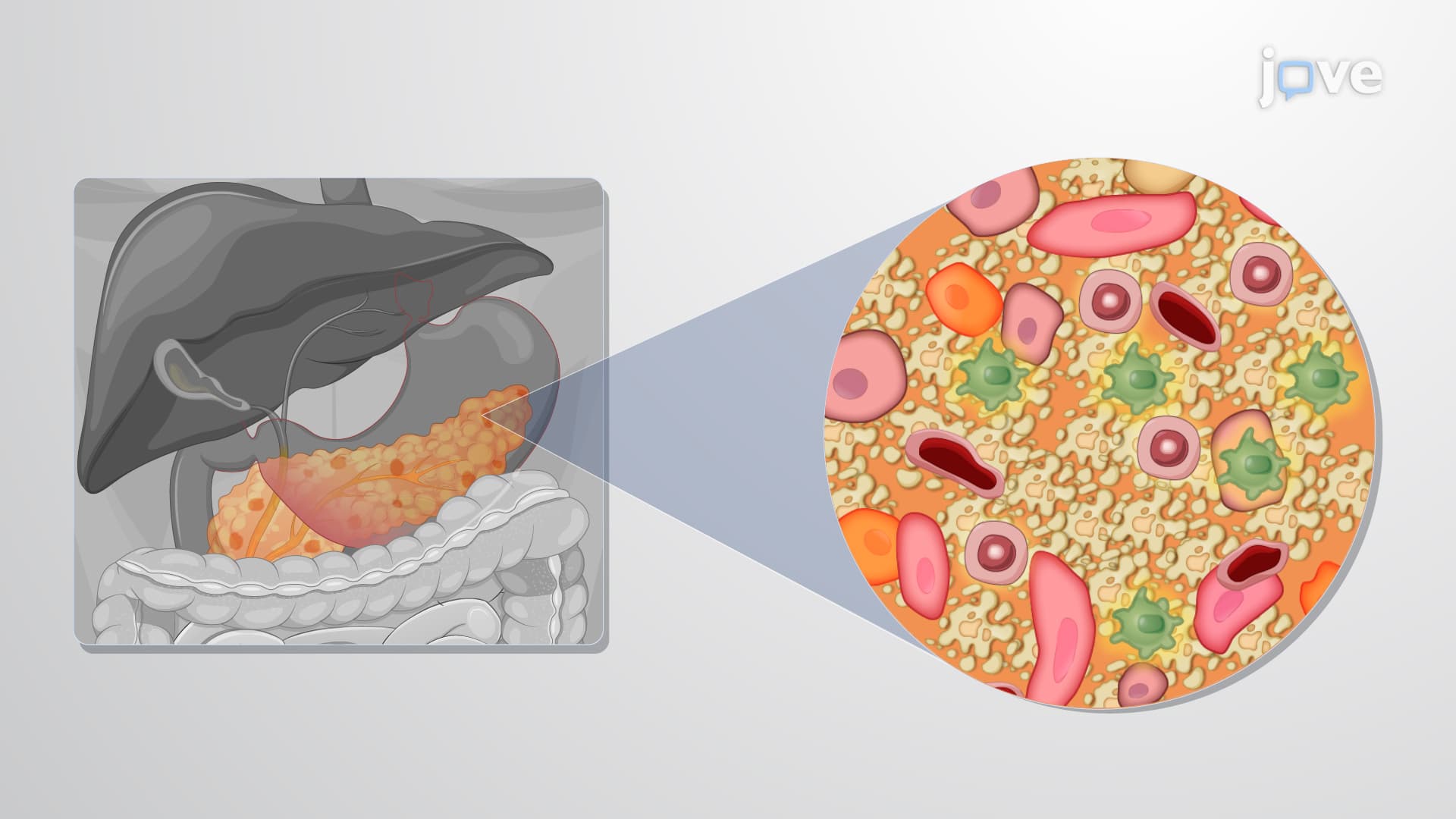
Glucagon serves as the body's primary counter-regulatory hormone, working opposite to insulin in maintaining glucose homeostasis. Produced by pancreatic alpha cells, glucagon stimulates hepatic glucose production through glycogenolysis and gluconeogenesis when blood sugar levels drop.
The hypoglycemia and glucagon relationship becomes clinically apparent through a predictable sequence of symptoms. Early warning signs include diaphoresis (sweating), tremors, and intense hunger-collectively known as adrenergic symptoms. As glucose levels continue declining, neuroglycopenic symptoms emerge: confusion, difficulty concentrating, and potentially loss of consciousness.
American College of Emergency Physicians protocols recognize three hypoglycemia severity levels. Mild episodes (50-70 mg/dL) typically respond to oral glucose tablets available at any US pharmacy. Moderate episodes (30-50 mg/dL) may require assistance from others but still allow oral treatment. Severe hypoglycemia (below 30 mg/dL) demands immediate glucagon administration, as patients cannot safely consume oral glucose.
Understanding hypoglycemia and glucagon treatment requires knowledge of glucagon's cellular mechanisms. Recombinant glucagon, identical to human pancreatic glucagon, binds to G-protein coupled receptors on hepatocytes. This binding activates adenylyl cyclase, increasing cyclic AMP levels and ultimately triggering glucose release from stored glycogen.
US emergency medical services carry glucagon emergency kits containing pre-filled syringes or auto-injectors. The intramuscular route proves most practical during emergencies, though intravenous and subcutaneous routes work effectively in controlled settings. Adult dosing typically ranges from 0.5-1.0 mg, with pediatric doses calculated by weight.
This hypoglycemia and glucagon concept appears frequently on standardized examinations. MCAT students encounter questions about counter-regulatory hormones and glucose homeostasis. AP Biology curricula include endocrine system regulation, while nursing students preparing for NCLEX-RN must understand hypoglycemia recognition and treatment protocols.
Clinical rotations in US medical schools emphasize hypoglycemia management, particularly in emergency departments and intensive care units. Understanding what is hypoglycemia and glucagon proves essential for healthcare professionals managing diabetic patients, as hypoglycemic episodes remain a leading cause of diabetes-related emergency department visits.
Related Micro-courses