Loading video…


 16 Concepts
 15.3K views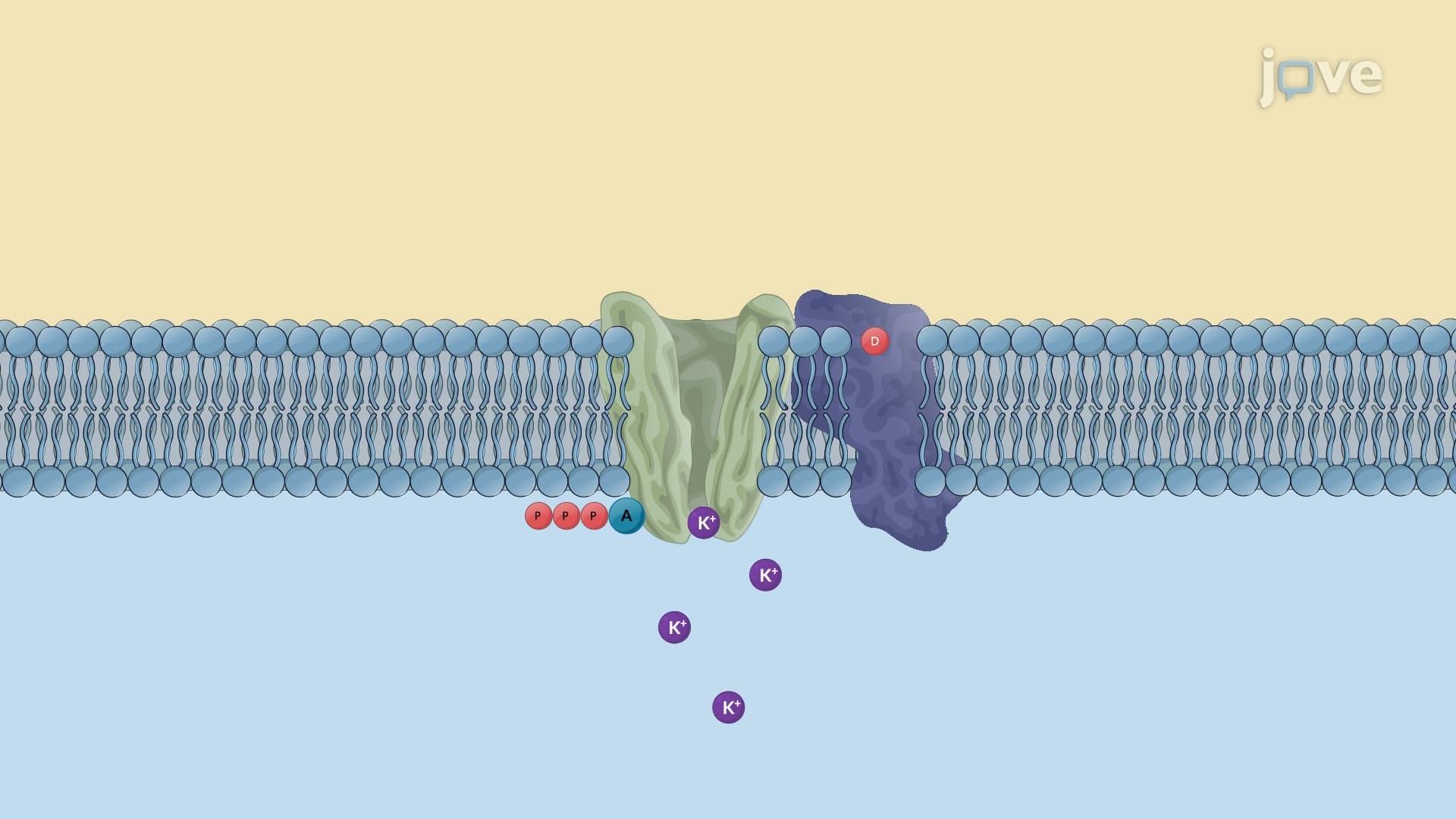

Video Summary: What Is Oral Hypoglycemic Agents Glinides
Did you know that some diabetes medications can work in just 15 minutes to prevent dangerous blood sugar spikes after meals? Oral hypoglycemic agents glinides are fast-acting diabetes drugs that stimulate insulin release by blocking potassium channels in pancreatic cells. Unlike sulfonylureas, medications like repaglinide can safely treat diabetic patients at Johns Hopkins Hospital who have sulfur allergies. Watch the full video on JoVE Coach to master this concept with expert-led visuals and step-by-step explanations.
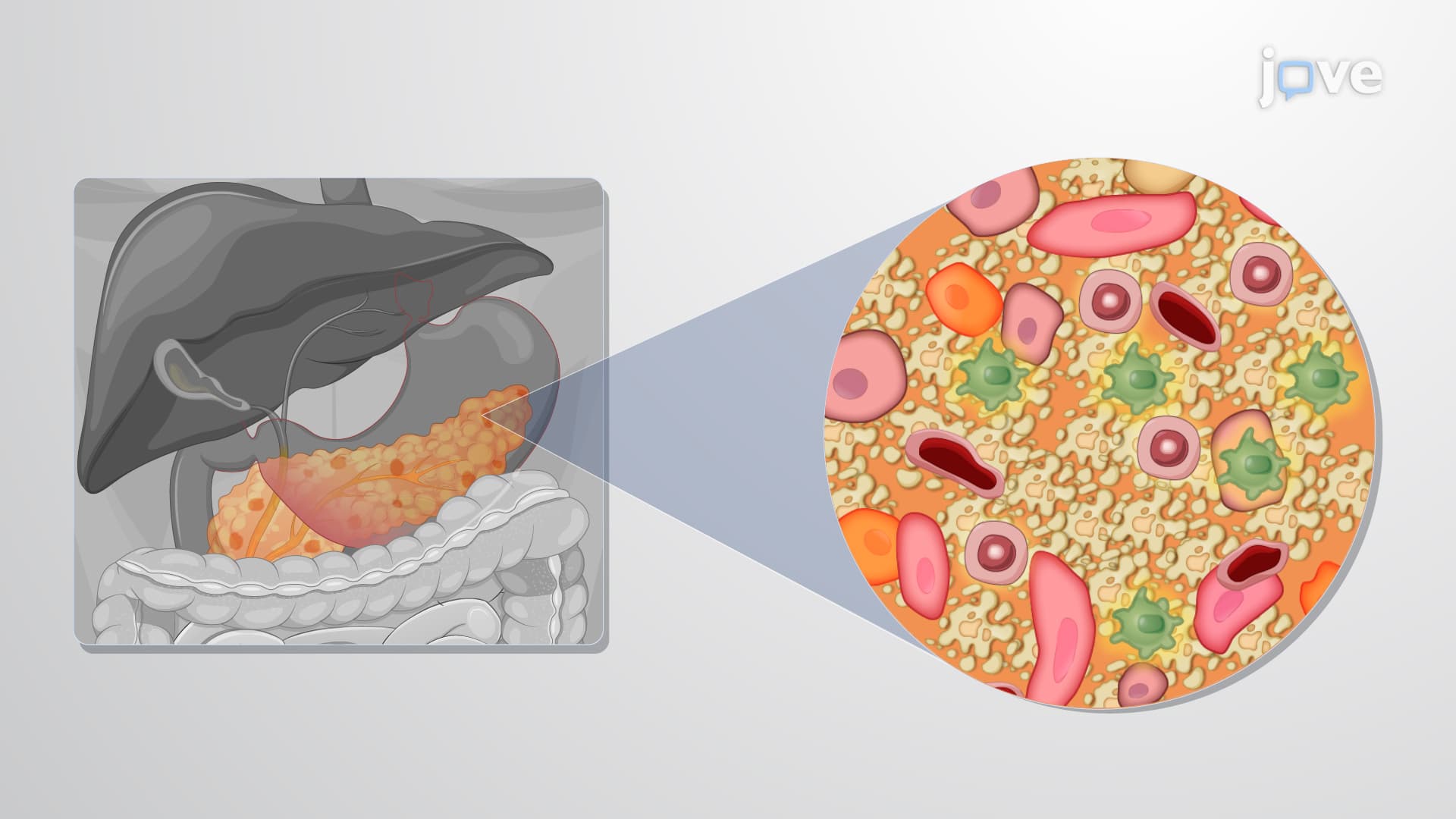
Oral hypoglycemic agents glinides represent a unique class of antidiabetic medications that work as insulin secretagogues. Unlike other diabetes drugs, glinides target K-ATP (potassium-adenosine triphosphate) channels in pancreatic beta cells, effectively blocking potassium efflux and triggering rapid insulin release. This mechanism makes them particularly effective for controlling postprandial (after-meal) blood glucose spikes, a critical concern in type 2 diabetes management.
The molecular structure of glinides allows them to bind to three distinct sites on pancreatic beta cells-two shared with sulfonylureas and one unique binding site. This structural difference explains why glinides can be safely prescribed to patients with sulfonylurea allergies, a significant clinical advantage in endocrinology practice.
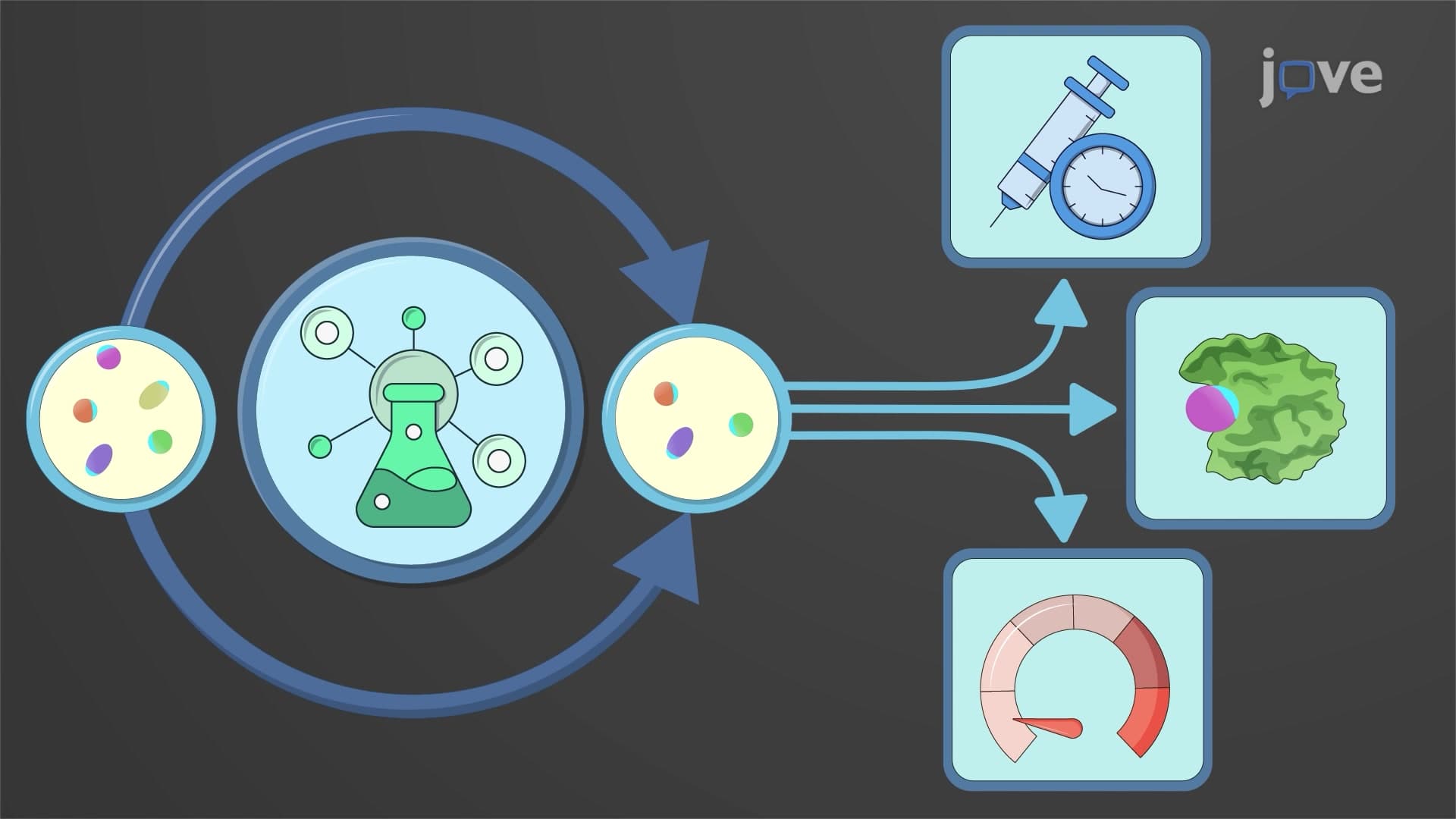
Repaglinide stands out as the most clinically significant glinide medication used in US healthcare systems. Its rapid onset of action-typically within 15-30 minutes-makes it ideal for mealtime glucose control. The drug's effects last 4-7 hours, perfectly timed to match postprandial glucose patterns. Major medical centers like Mayo Clinic frequently prescribe repaglinide because it offers several advantages: safety in renal impairment, compatibility with elderly patients, and absence of sulfur in its chemical structure.
Healthcare providers often combine repaglinide with metformin (a biguanide) to achieve better glycemic control. This combination therapy approach is particularly effective because it targets different aspects of glucose metabolism-insulin secretion and insulin sensitivity.
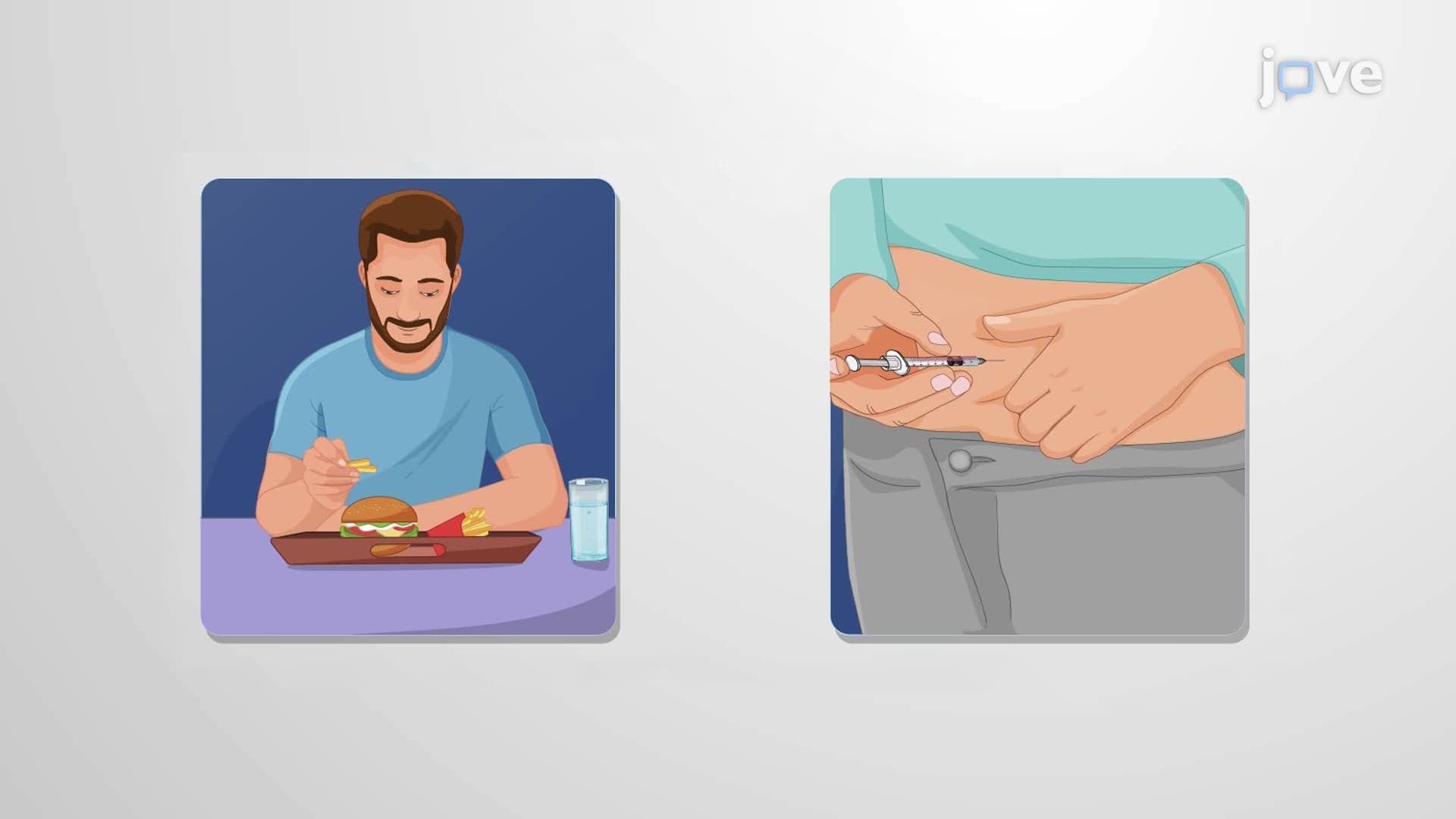
Nateglinide, the second major glinide, provides even more rapid insulin stimulation but with shorter duration compared to repaglinide. This pharmacokinetic profile makes timing crucial-patients must take these medications immediately before meals to avoid hypoglycemic episodes.
For students preparing for MCAT or nursing school entrance exams like HESI A2 and TEAS, understanding glinide adverse effects is essential. The primary concern is hypoglycemia, especially when patients skip meals, eat low-carbohydrate foods, or delay eating after medication administration. This knowledge frequently appears on NCLEX-RN questions and college pharmacology exams.
In clinical practice at institutions like Johns Hopkins and Cleveland Clinic, glinides serve specific patient populations: those with irregular meal schedules, sulfonylurea intolerance, or mild glucose elevation. USMLE Step 1 often tests the distinction between glinides and other secretagogues, making this concept crucial for pre-med students. The rapid-acting nature of glinides also makes them valuable case study material in AP Biology courses covering endocrine system regulation.
Related Micro-courses