Loading video…


 16 Concepts
 15.3K views

Video Summary: What Is Oral Hypoglycemic Agents Sulfonylureas
Did you know that over 37 million Americans live with diabetes, and many rely on oral hypoglycemic agents sulfonylureas to manage their blood sugar? These powerful medications work by essentially "waking up" sleepy pancreatic cells to produce more insulin. For instance, when a diabetic patient at Mayo Clinic takes glipizide before breakfast, it triggers their pancreas to release insulin naturally. Understanding what is oral hypoglycemic agents sulfonylureas is crucial for anyone studying pharmacology or pursuing healthcare careers. Watch the full video on JoVE Coach to master this concept with expert-led visuals and step-by-step explanations.
Oral hypoglycemic agents sulfonylureas represent a cornerstone class of medications in Type 2 diabetes management, functioning as insulin secretagogues that restore the body's natural ability to control blood glucose. These drugs are particularly valuable because they work with the body's existing pancreatic function rather than replacing it entirely, making them suitable for patients who still have some insulin-producing capacity.
The defining characteristic of sulfonylureas lies in their unique chemical structure: a sulfonamide group linked to a urea molecule, creating the sulfonylurea moiety. This structural design is critical for their biological activity. The classification into two generations reflects improvements in potency and safety profiles. First-generation drugs like tolbutamide and chlorpropamide, developed in the 1950s and 1960s, paved the way for more refined second-generation agents including glyburide (also known as glibenclamide), glipizide, and glimepiride. Second-generation sulfonylureas demonstrate superior binding affinity and require lower doses, reducing the risk of drug interactions and side effects.
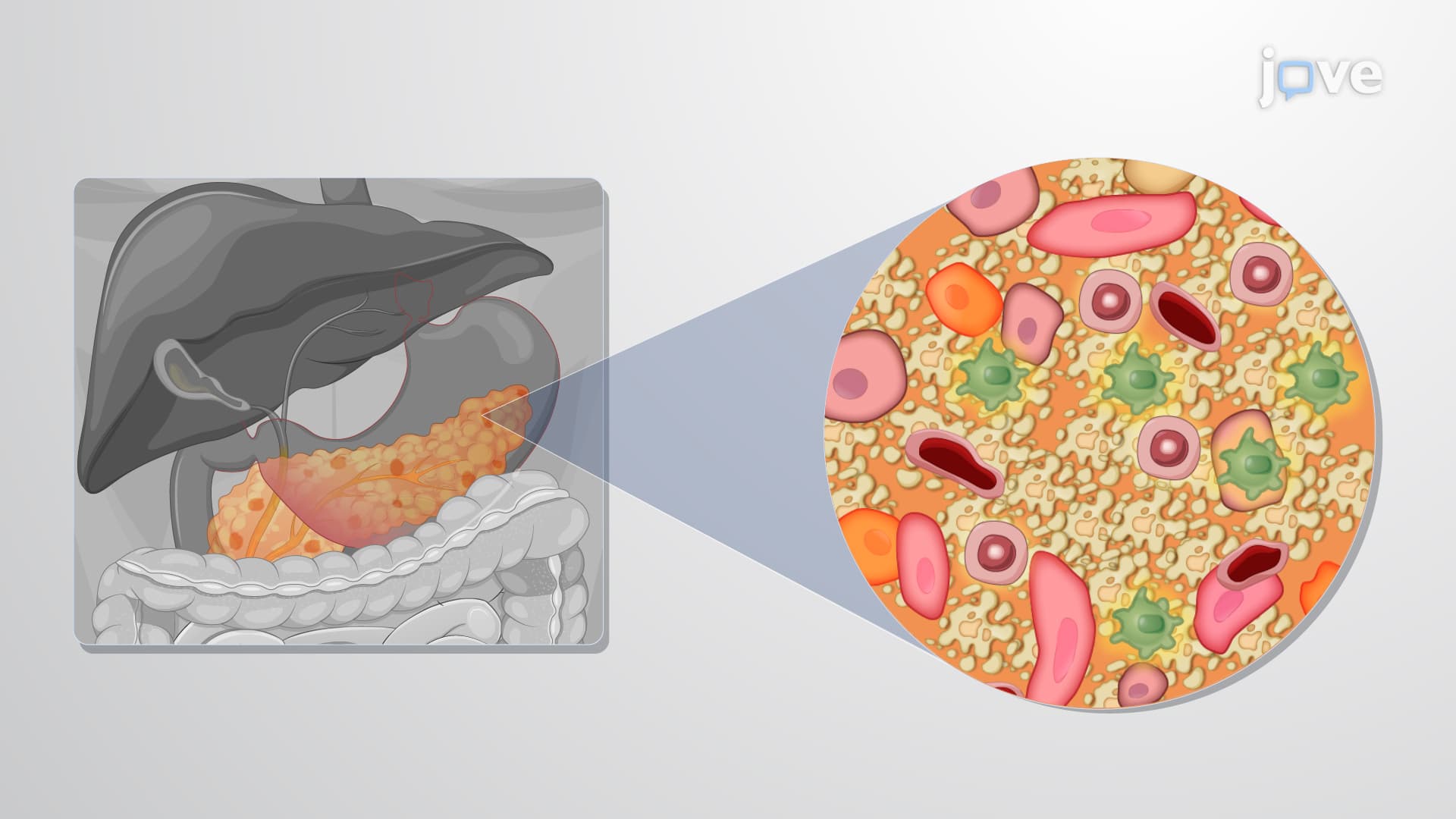
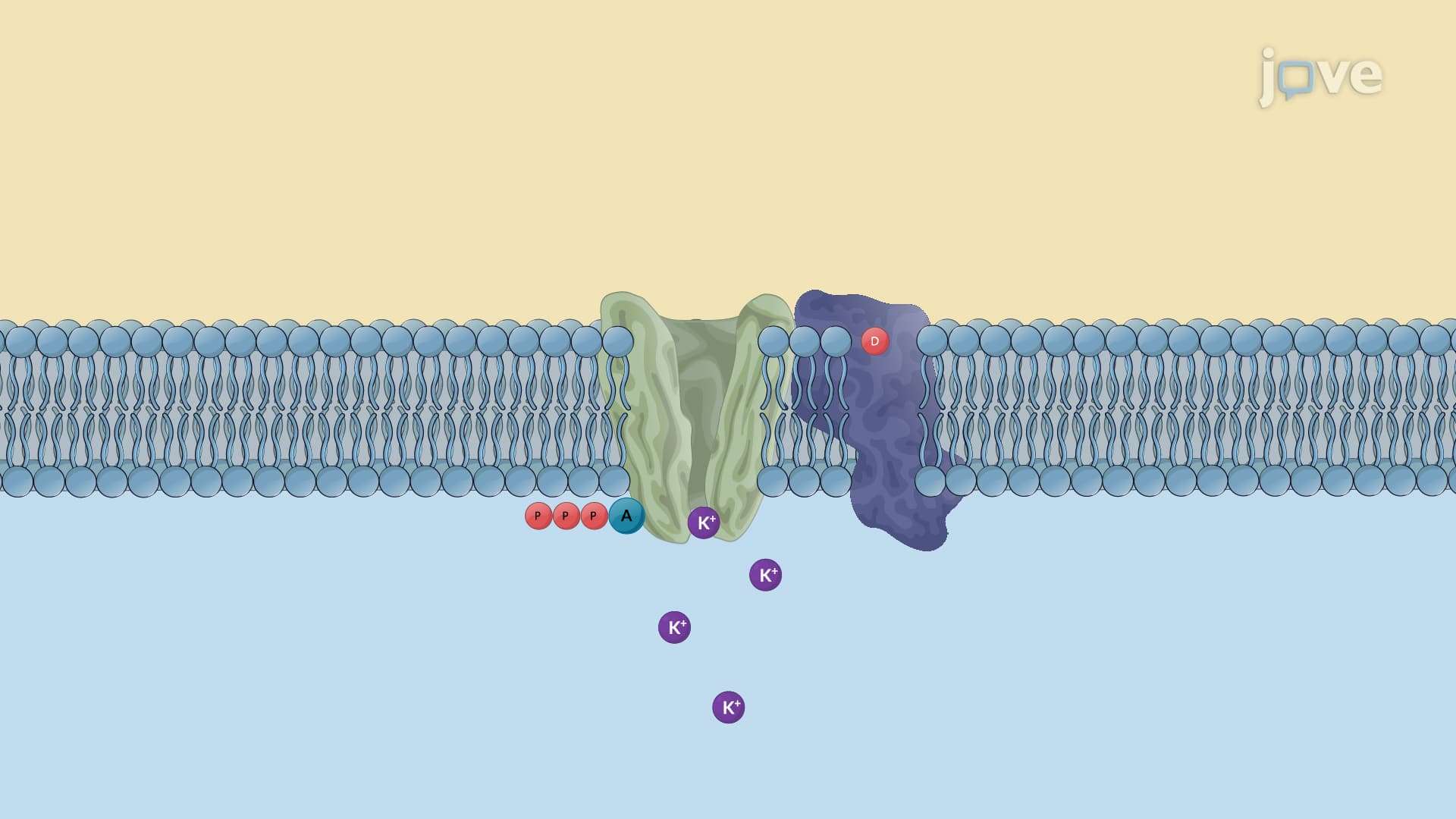
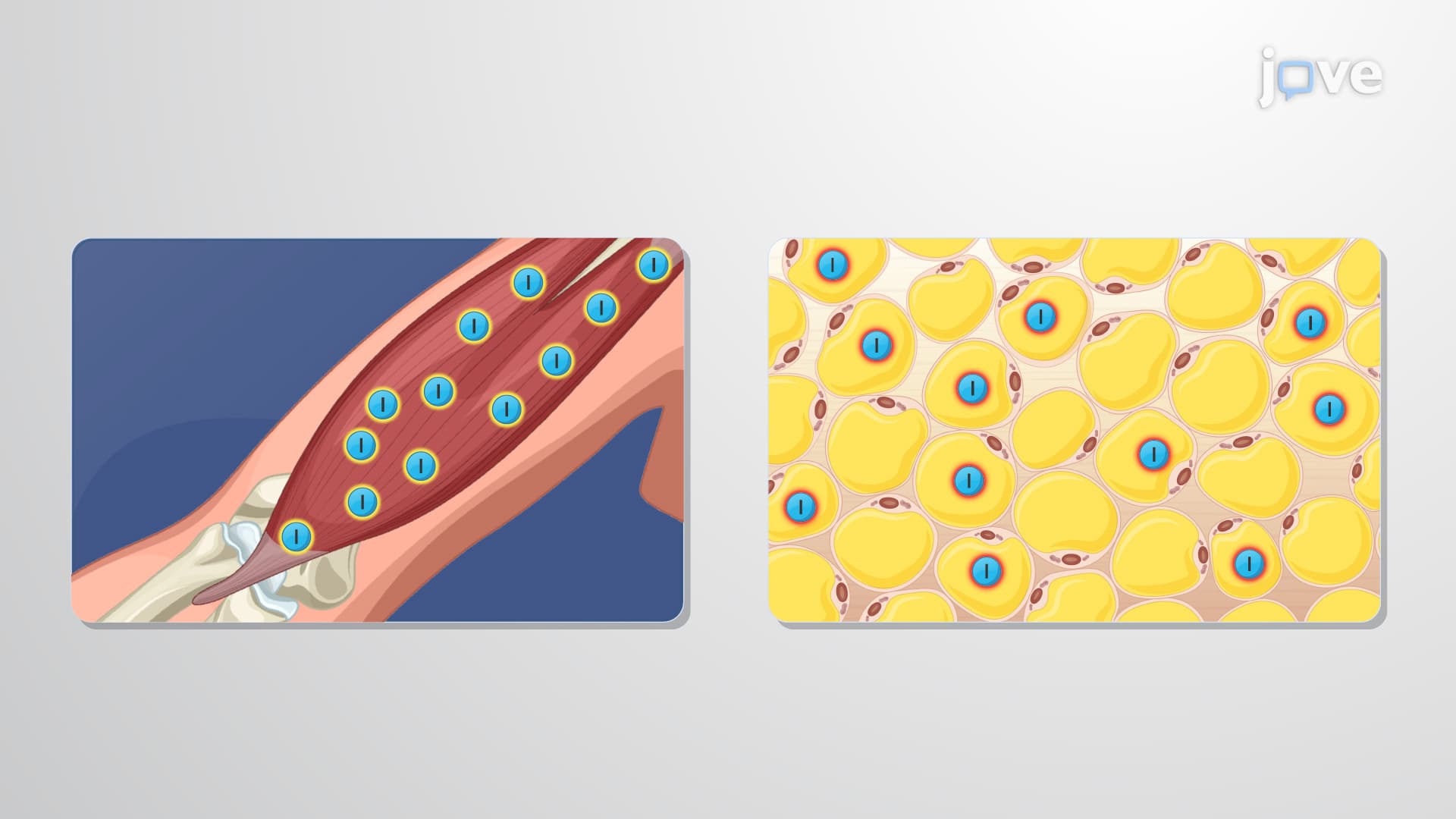
The primary mechanism involves binding to sulfonylurea receptors (SUR) on ATP-sensitive potassium channels (K-ATP channels) located on pancreatic beta cell membranes. When sulfonylureas block these channels, they prevent potassium efflux, causing membrane depolarization. This depolarization opens voltage-dependent calcium channels, allowing calcium influx that triggers insulin vesicle exocytosis. Beyond this primary effect, sulfonylureas enhance insulin sensitivity in peripheral tissues like muscle and fat, while simultaneously reducing hepatic glucose production through improved insulin signaling.
In US clinical practice, sulfonylureas are commonly prescribed as second-line therapy after metformin or as combination therapy. For MCAT and USMLE preparation, students should understand that these medications are contraindicated in Type 1 diabetes and during pregnancy. The most significant adverse effects include hypoglycemia (particularly with longer-acting agents), weight gain due to increased insulin activity, and potential cardiovascular considerations. Healthcare providers at institutions like Cleveland Clinic and Johns Hopkins carefully monitor patients for these effects, especially in elderly populations who may have increased sensitivity to sulfonylureas.
Related Micro-courses