Loading subject page…


3,599 views

Video Summary: Chemotherapy Induced Nausea and Vomiting Cannabinoids Explained
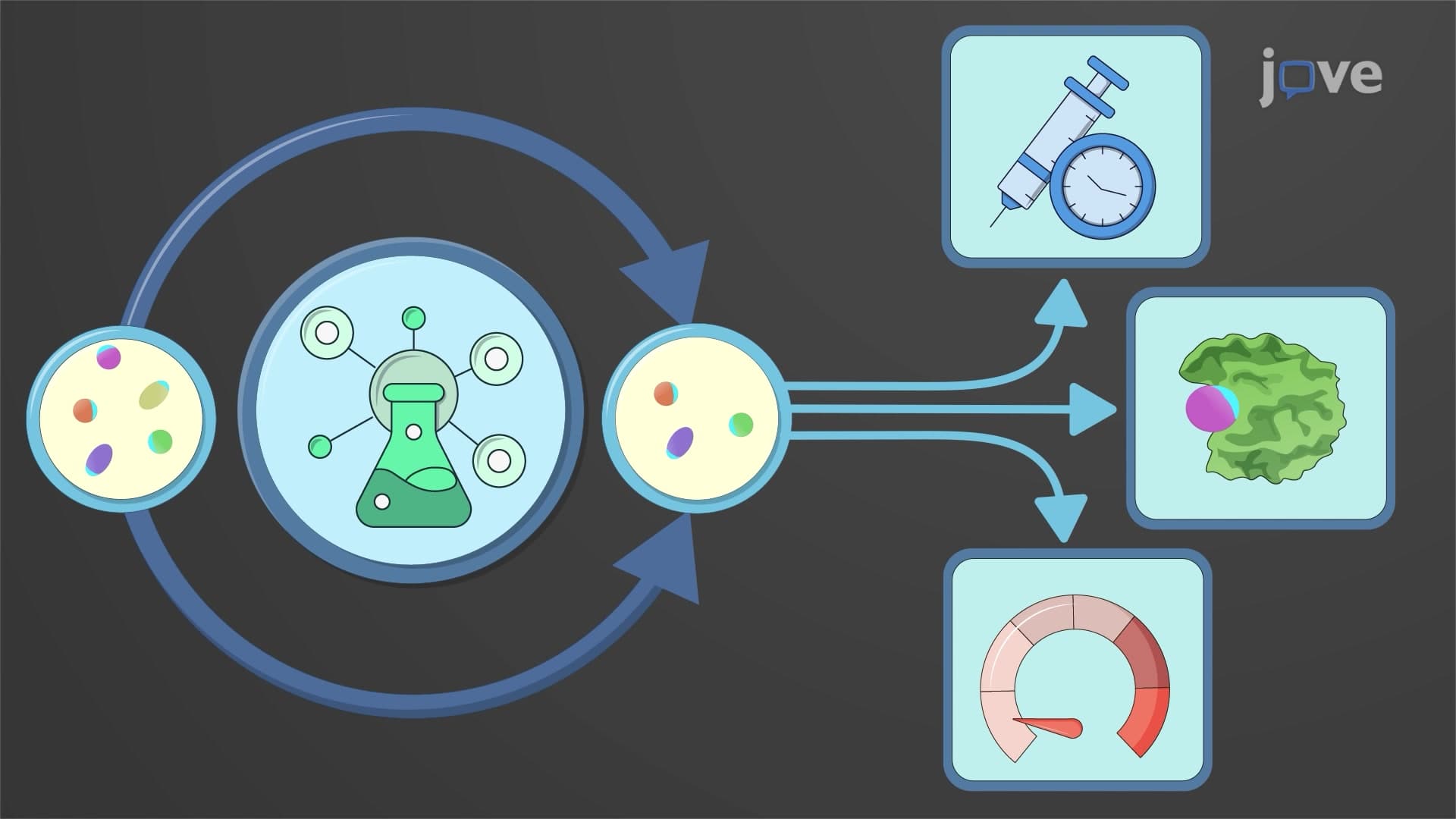
Cancer patients receiving chemotherapy often face a surprising challenge: their own protective reflexes working against them. Chemotherapy induced nausea and vomiting cannabinoids target specific brain receptors called CB1 receptors, which control the body's vomiting response. At major US cancer centers like MD Anderson, medications such as dronabinol help patients tolerate chemotherapy by blocking the signals that trigger nausea. These cannabinoid-based treatments work within an hour to prevent the debilitating side effects that can derail cancer treatment. Watch the full video on JoVE Coach to master this concept with expert-led visuals and step-by-step explanations.
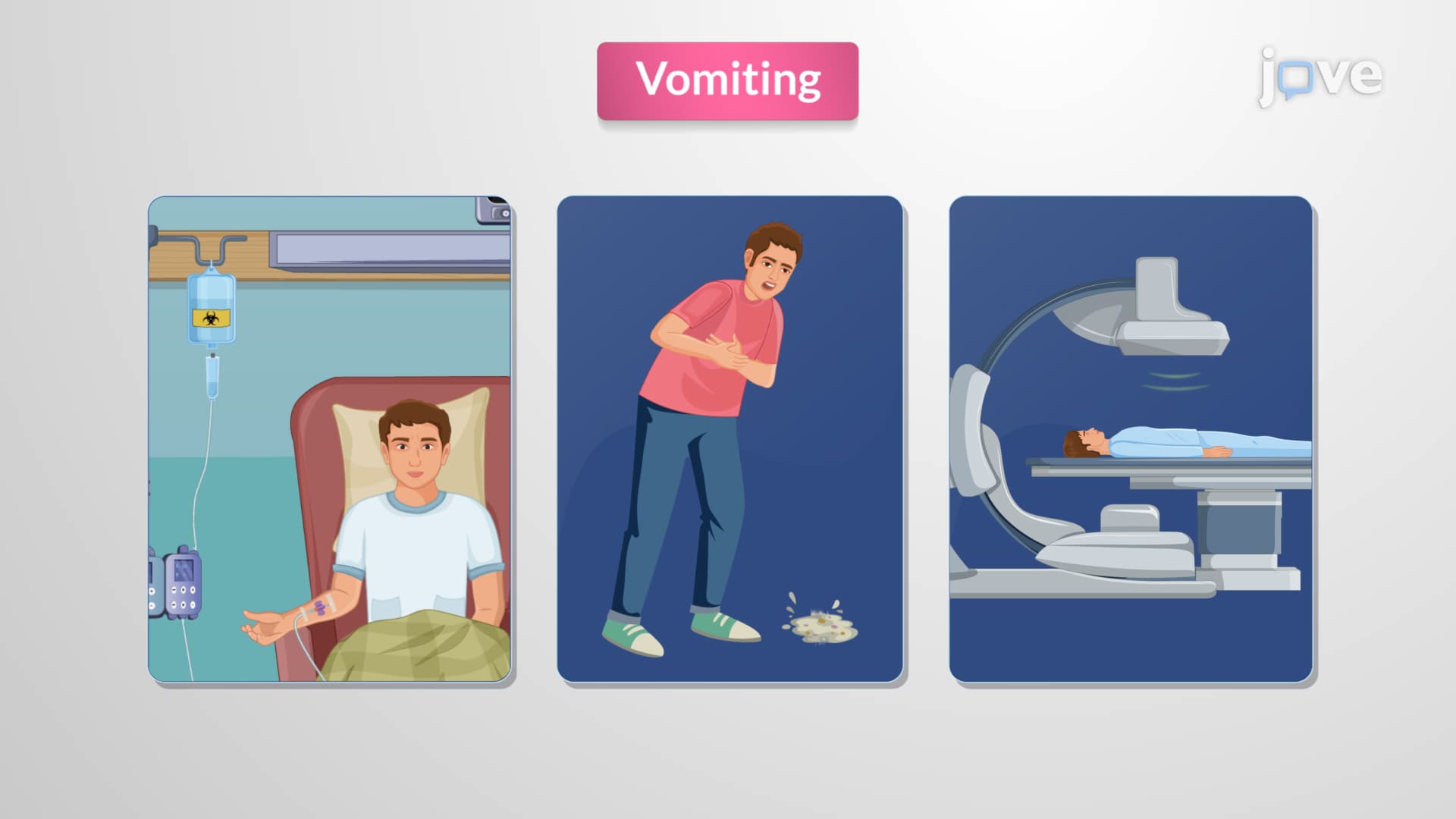
The human body's vomiting reflex serves as a crucial protective mechanism, rapidly expelling potentially harmful substances from the digestive system. However, this same protective response becomes a significant obstacle during cancer treatment, where chemotherapy drugs trigger severe nausea and vomiting that can compromise patient care and treatment adherence.
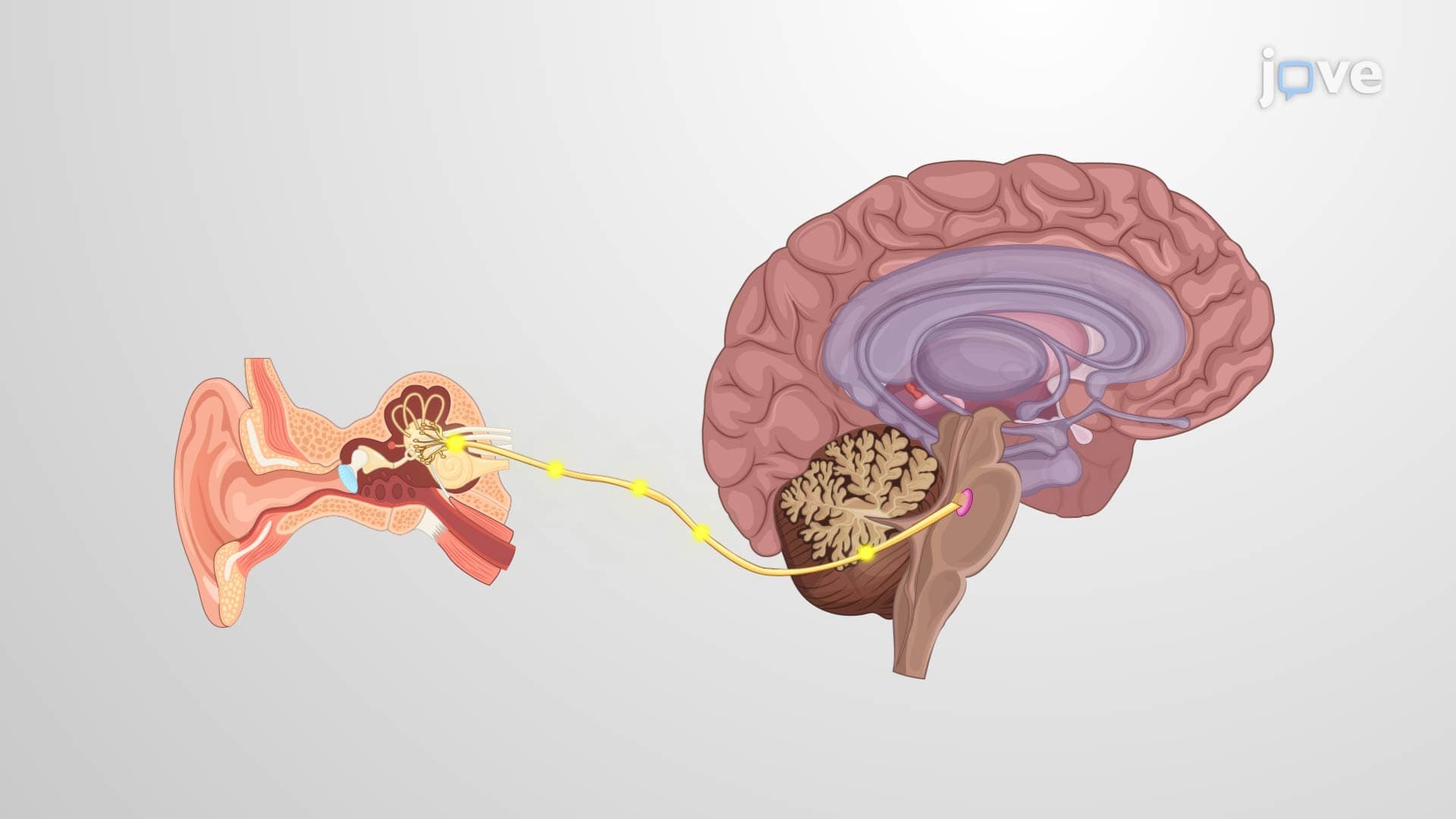
The brain's emetic control system centers around two critical regions: the chemoreceptor trigger zone (CTZ) and the vomiting center, both located in the medulla oblongata. These areas contain high concentrations of CB1 cannabinoid receptors, making them prime targets for therapeutic intervention. When chemotherapy agents circulate through the bloodstream, they activate these sensitive regions, initiating the cascade of neural signals that result in nausea and vomiting.
CB1 receptors belong to the G-protein coupled receptor family and, when activated by cannabinoid agonists like THC, trigger a series of intracellular events that ultimately suppress neurotransmitter release. The inhibition of serotonin (5-HT3) release is particularly significant, as this neurotransmitter plays a pivotal role in transmitting nausea signals from the CTZ to the vomiting center.
Two primary cannabinoid medications have gained FDA approval for treating chemotherapy-induced nausea and vomiting. Dronabinol (Marinol®), a synthetic form of delta-9-THC derived from marijuana plants, represents the most commonly prescribed option. Nabilone (Cesamet®), a synthetic cannabinoid analog, offers similar therapeutic benefits with slightly different pharmacokinetic properties.
Both medications are administered orally, typically beginning 1-3 hours before chemotherapy sessions. The standard dronabinol protocol involves an initial pre-treatment dose followed by maintenance doses every 2-4 hours for 24 hours post-chemotherapy. This dosing strategy accounts for the drug's rapid onset of action and the typical duration of chemotherapy-induced symptoms.
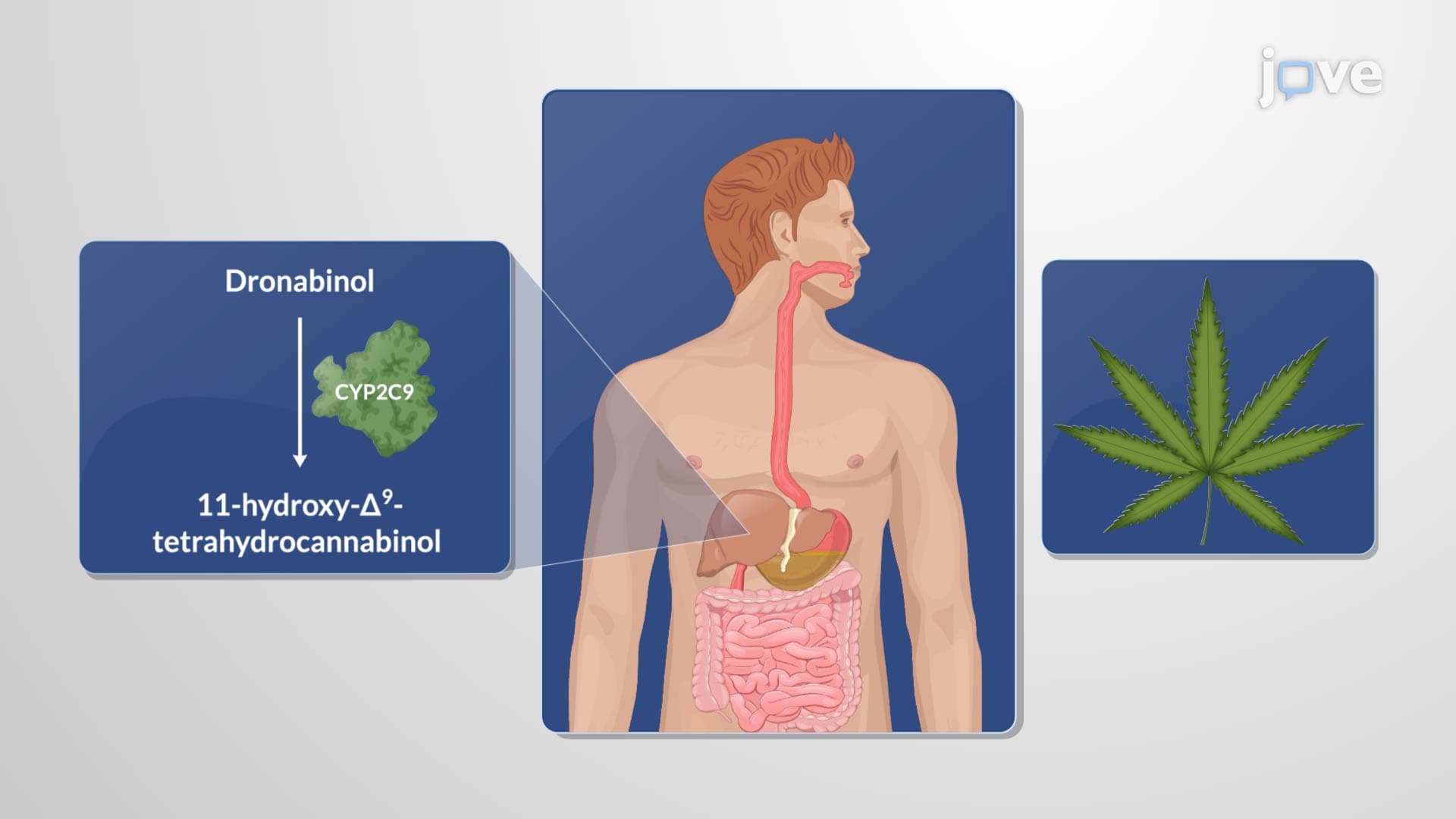
Dronabinol faces significant first-pass hepatic metabolism, reducing its bioavailability to approximately 10-20% of the administered dose. This extensive liver metabolism necessitates higher oral doses and contributes to the medication's variable therapeutic response among patients. Healthcare providers at institutions like Johns Hopkins and Mayo Clinic often need to individualize dosing based on patient response and tolerance.
The side effect profile includes both central and peripheral effects. CNS-related adverse reactions encompass dizziness, euphoria, anxiety, and cognitive impairment, while cardiovascular effects include orthostatic hypotension and tachycardia. These considerations are particularly relevant for MCAT preparation, as students must understand both the therapeutic mechanisms and clinical limitations of cannabinoid medications.
Related Micro-courses