Loading video…


 5 Concepts
 3.6K views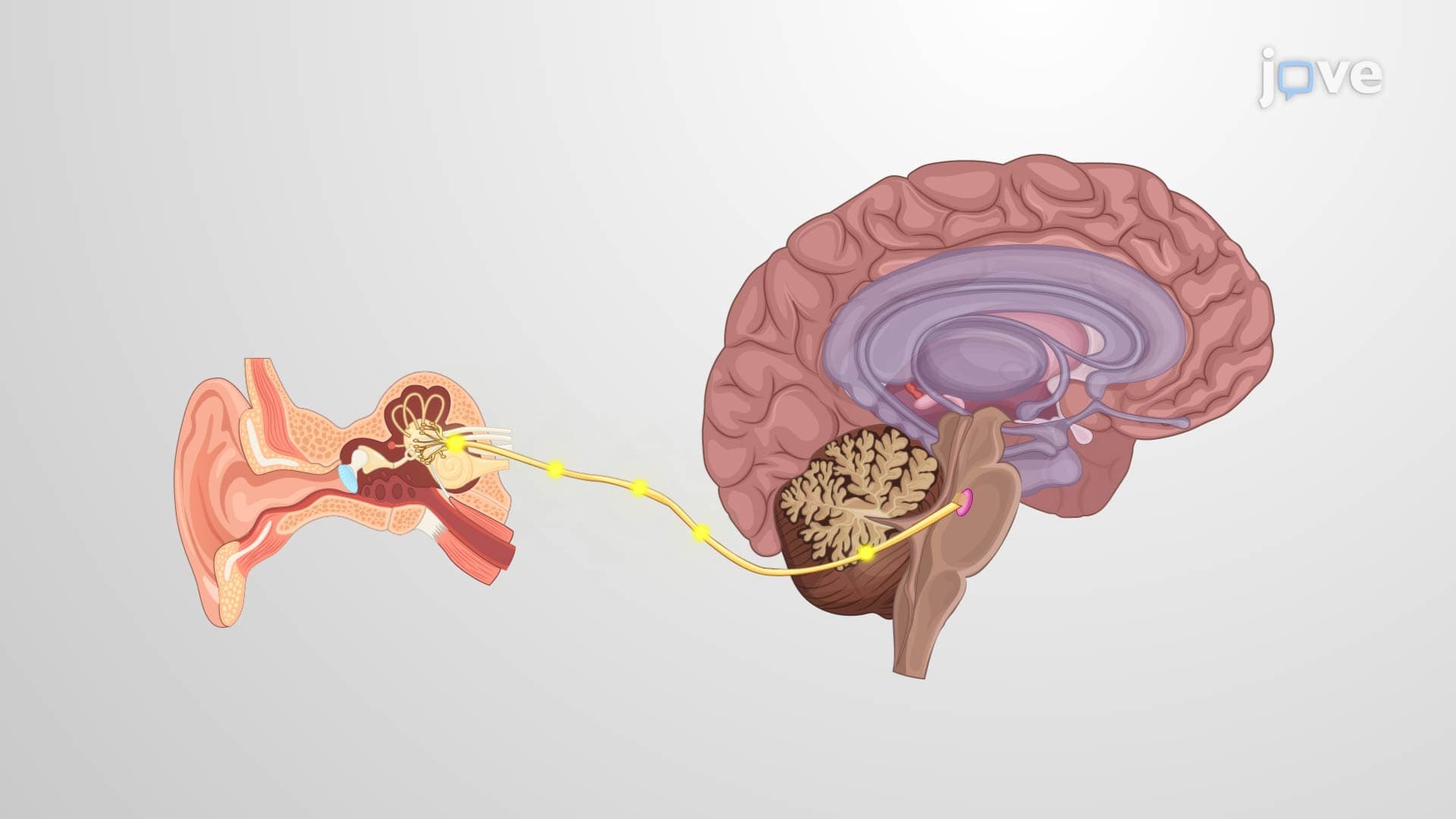

Video Summary: What Is Pathophysiology of Vomiting
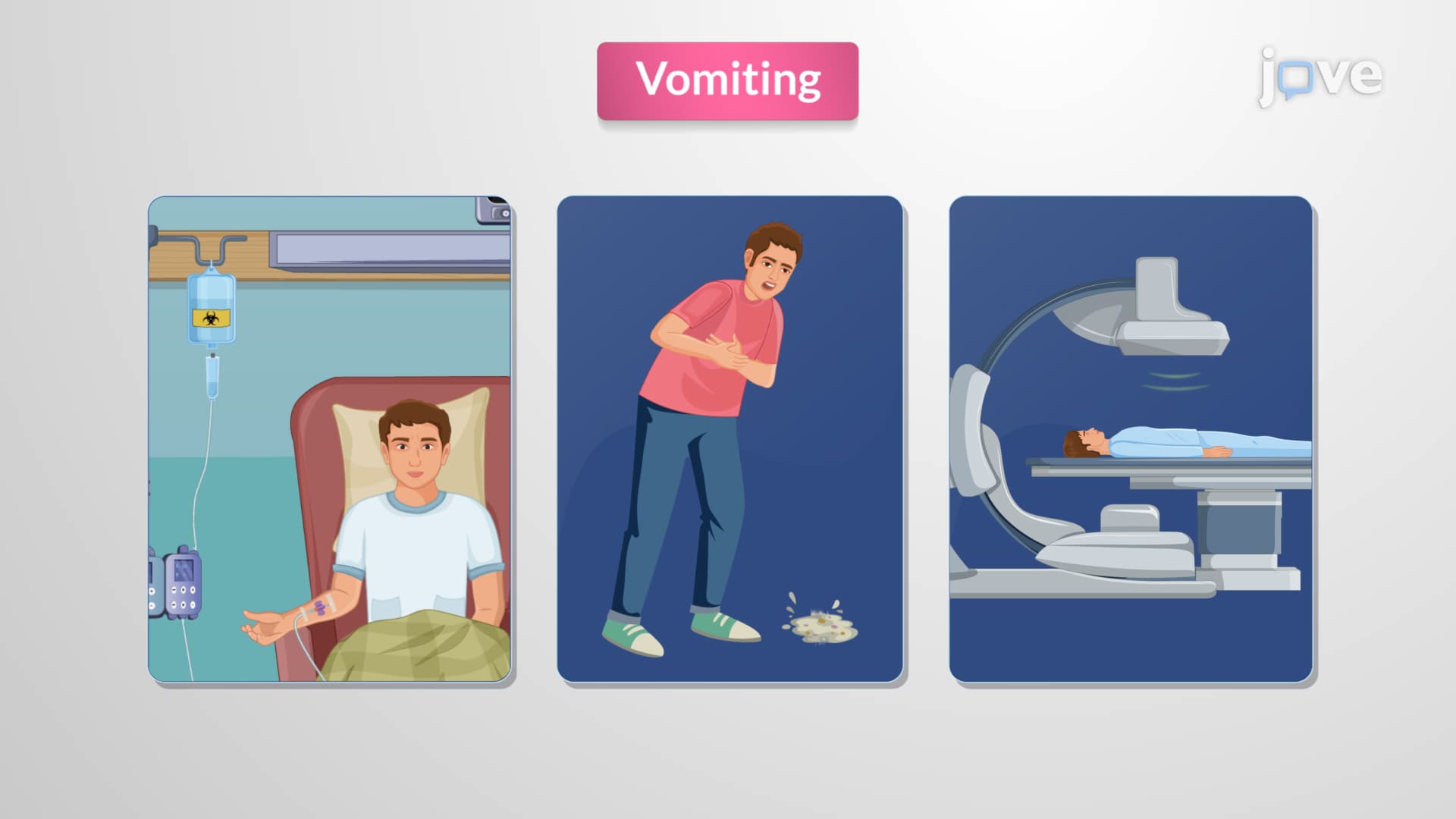
Ever wonder why chemotherapy patients experience nausea or why some people get carsick while others don't? The pathophysiology of vomiting reveals how your brain orchestrates this complex protective mechanism through multiple interconnected pathways. When a patient at Johns Hopkins receives antiemetic medication before chemotherapy, doctors are targeting specific receptors in the brain's vomiting control center. Watch the full video on JoVE Coach to master this concept with expert-led visuals and step-by-step explanations.
The pathophysiology of vomiting represents one of medicine's most fascinating examples of coordinated neural control. Unlike simple reflexes, vomiting requires precise integration of signals from throughout the body, making it a cornerstone topic in AP Biology, college physiology courses, and pre-medical education.
At the heart of vomiting pathophysiology lies the medullary vomiting center, located in the brainstem's medulla oblongata. This control hub doesn't work alone-it receives input from four major sources that medical students encounter repeatedly on the MCAT and USMLE exams. The chemoreceptor trigger zone (CTZ), positioned outside the blood-brain barrier, acts as the body's chemical detector. Rich in dopamine D2 receptors and opioid receptors, the CTZ explains why medications like morphine cause nausea and why dopamine antagonists like ondansetron effectively treat chemotherapy-induced vomiting.
The vestibular apparatus in the inner ear creates the second major pathway. When patients experience motion sickness during car rides or boat trips, their vestibular system detects conflicting sensory information. Cranial nerve VIII (vestibulocochlear nerve) transmits these signals directly to the CTZ, explaining why antihistamines like meclizine, which block vestibular signals, effectively prevent motion sickness. This pathway is frequently tested in college neuroscience courses and appears on nursing exams like the NCLEX.
The gastrointestinal tract contributes the third pathway through vagal and spinal afferent nerves containing abundant 5-HT3 (serotonin) receptors. When the stomach lining encounters irritants-from spoiled food to chemotherapy drugs-specialized cells release serotonin. This neurotransmitter activates afferent nerves that signal through both the solitary tract nucleus and CTZ. Understanding this mechanism explains why 5-HT3 receptor antagonists like ondansetron are standard treatments in oncology wards across major US hospitals like Mayo Clinic and Cleveland Clinic.
The cerebral cortex adds psychological complexity to vomiting pathophysiology. Unpleasant odors, disturbing sights, or anticipatory anxiety can trigger vomiting through higher brain centers. This explains why some patients vomit before even receiving chemotherapy-a phenomenon called anticipatory nausea that challenges healthcare providers at cancer centers nationwide.
Related Micro-courses