Loading video…


 8 Concepts
 7.6K views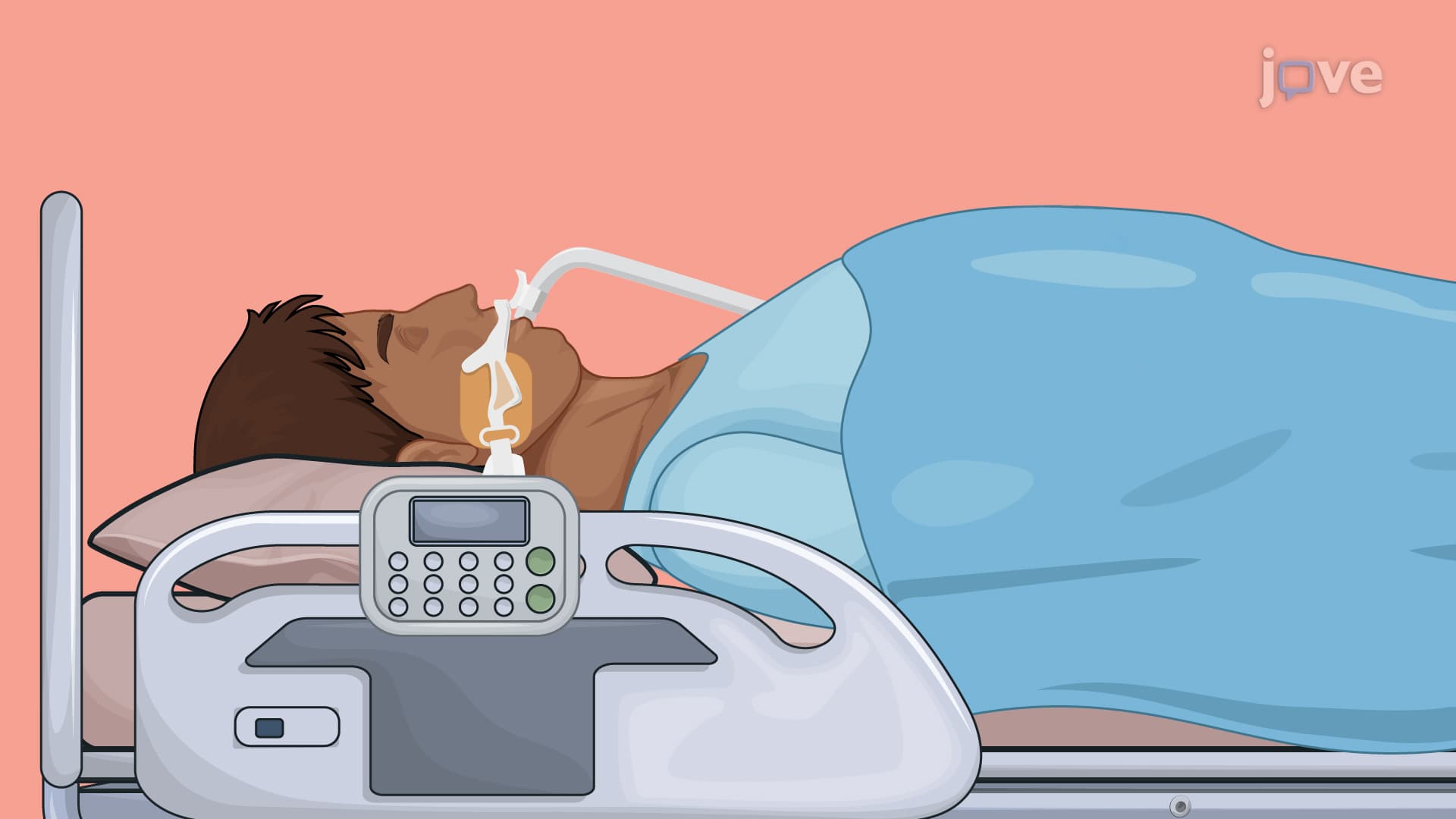

Video Summary: What Is Inhalational Anesthetics
Every year, over 50 million Americans undergo surgery requiring inhalational anesthetics to safely lose consciousness during procedures. What is inhalational anesthetics? These powerful gases and volatile liquids work by rapidly crossing from your lungs into your bloodstream and brain tissue. From a routine appendectomy at Johns Hopkins Hospital to complex heart surgery at Mayo Clinic, anesthesiologists rely on agents like sevoflurane and isoflurane to precisely control patient consciousness. Watch the full video on JoVE Coach to master this concept with expert-led visuals and step-by-step explanations.
Inhalational anesthetics represent a cornerstone of modern surgical medicine, enabling millions of safe procedures annually across US healthcare systems. These specialized pharmaceutical agents achieve general anesthesia by traversing the respiratory system-from inhalation through the lungs, rapid absorption across alveolar membranes, and systematic distribution to the central nervous system where consciousness is reversibly suppressed.
The journey of inhalational anesthetics from breathing circuit to brain follows predictable pharmacokinetic principles crucial for MCAT preparation and clinical understanding. Unlike intravenous agents, inhaled anesthetics bypass hepatic first-pass metabolism, allowing direct pulmonary absorption. The alveolar wash-in phase represents the initial equilibration between inspired anesthetic concentration and alveolar partial pressure. Subsequently, rapid tissue uptake occurs based on blood-gas partition coefficients-a concept frequently tested on AP Biology exams and college physiology courses.
Anesthetic potency correlates directly with minimum alveolar concentration (MAC), defined as the alveolar concentration preventing movement in 50% of patients during surgical stimulation. For context, sevoflurane has a MAC of 2.0%, while the more potent isoflurane requires only 1.4%. This quantitative relationship enables precise dosing calculations essential for USMLE Step 1 preparation.
Contemporary inhalational anesthetics include volatile liquids and gases engineered for safety and efficacy. Halogenated hydrocarbons like sevoflurane, desflurane, and isoflurane enhance GABA-A receptor function, potentiating inhibitory neurotransmission throughout the central nervous system. This mechanism differs markedly from nitrous oxide, which achieves anesthesia through NMDA receptor antagonism-a distinction commonly assessed in NCLEX-RN examinations.
At major US medical centers like Cleveland Clinic and Massachusetts General Hospital, these agents are delivered via sophisticated vaporizer systems within closed-circuit breathing apparatus, minimizing environmental exposure while ensuring precise concentration control.
Understanding inhalational anesthetics requires recognition of their narrow therapeutic indices and absence of specific antagonists-unlike benzodiazepines or opioids. This characteristic demands continuous monitoring and gradual emergence rather than immediate reversal. Critical adverse effects include dose-dependent respiratory depression, cardiovascular suppression, and the rare but potentially fatal malignant hyperthermia syndrome, particularly relevant for TEAS and HESI A2 test preparation focusing on perioperative nursing care.
Environmental impact represents an emerging concern, as most inhalational anesthetics are released unchanged into the atmosphere, contributing to greenhouse gas effects-a topic increasingly relevant for AP Environmental Science coursework and medical ethics discussions.
Related Micro-courses