Loading video…


 8 Concepts
 5.8K views

Video Summary: What Is Treating Helicobacter Pylori
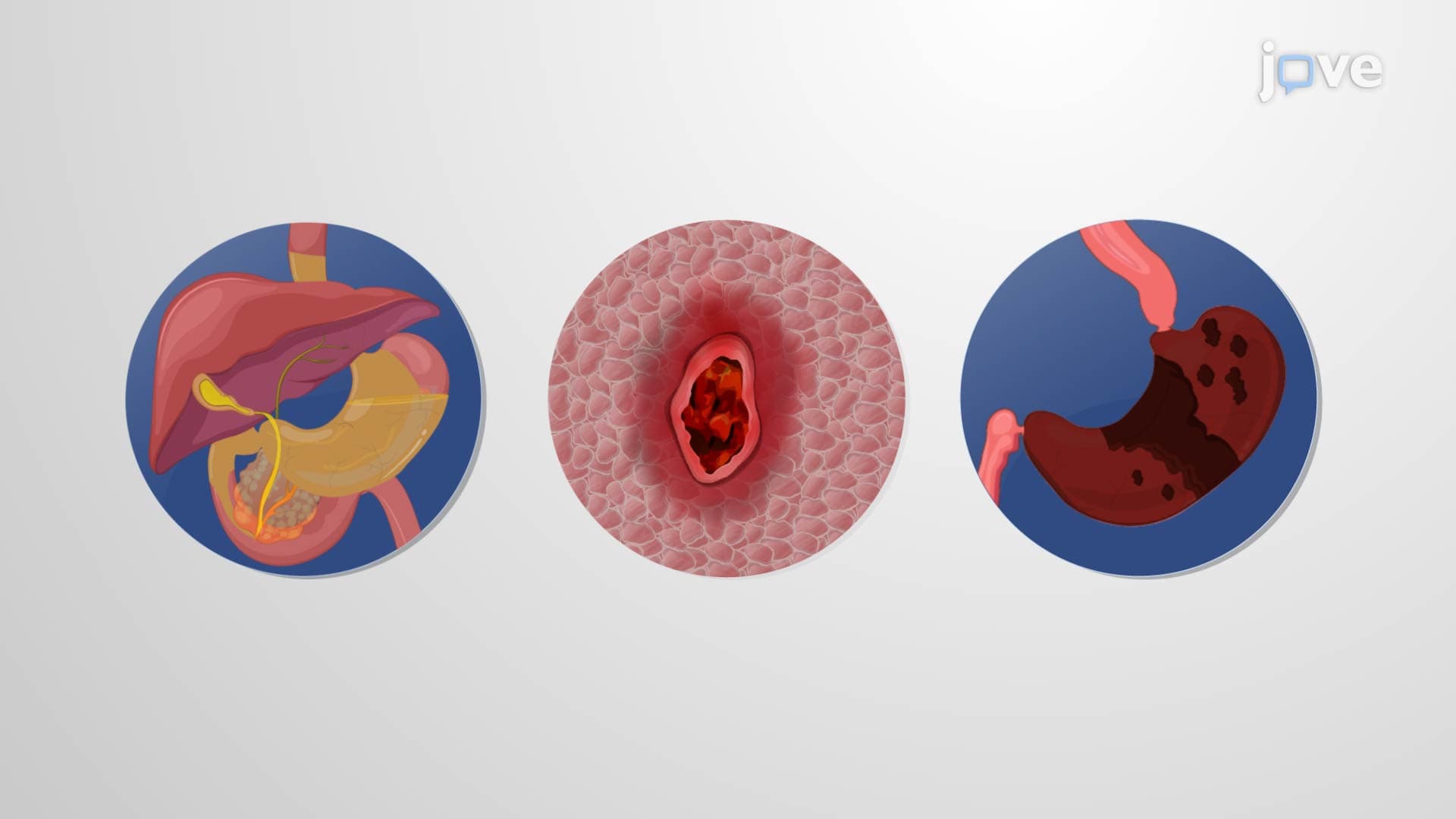
Did you know that nearly half of all Americans carry a stomach bacteria that can cause ulcers? Treating helicobacter pylori involves combination antibiotic therapy to eliminate this persistent bacterial infection that thrives in the stomach's harsh acidic environment. The CDC estimates that H. pylori causes approximately 60% of gastric ulcers and 90% of duodenal ulcers in the United States, making effective treatment protocols essential for preventing serious complications. Watch the full video on JoVE Coach to master this concept with expert-led visuals and step-by-step explanations.
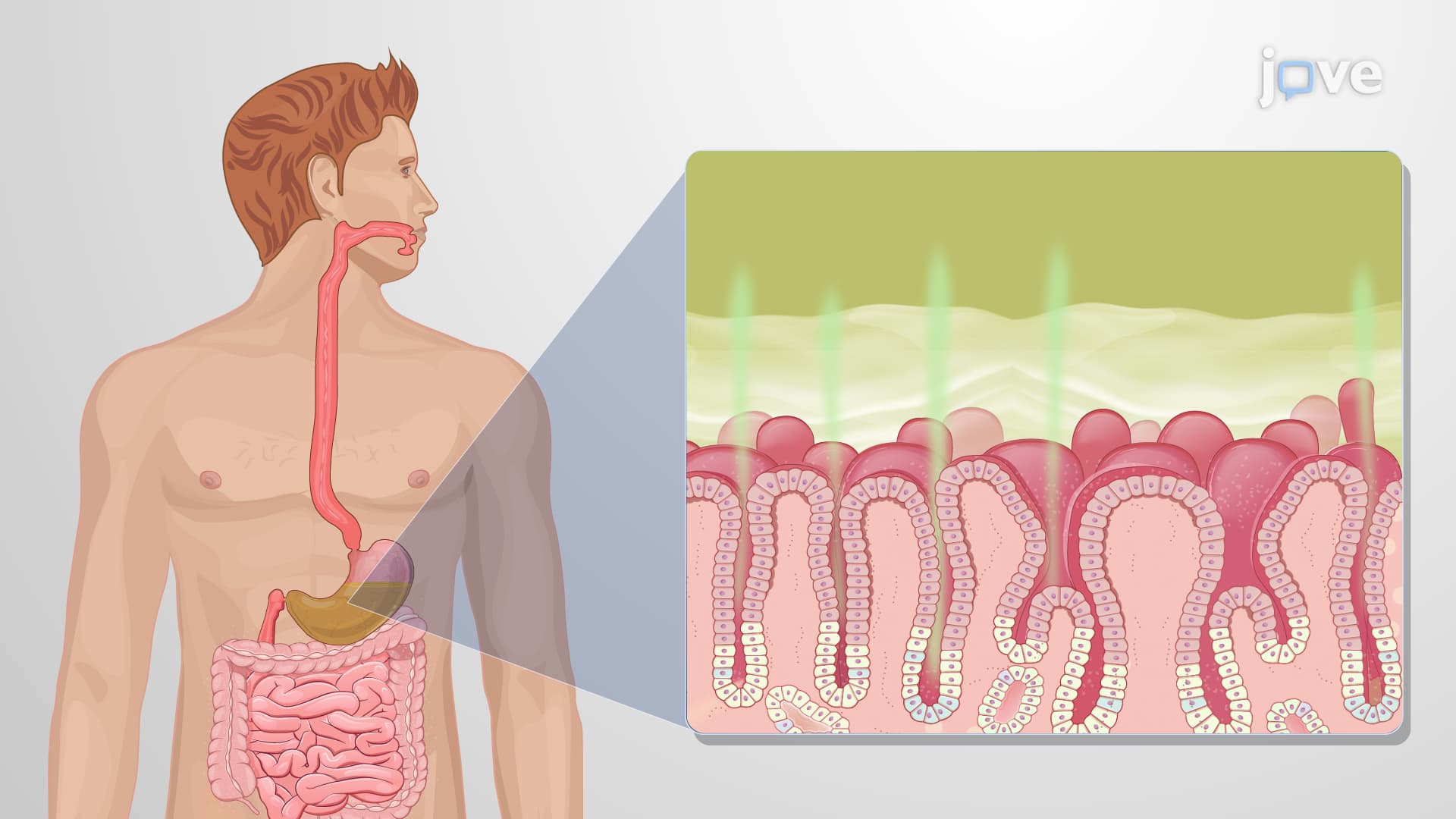
Treating helicobacter pylori represents one of the most significant breakthroughs in gastroenterology, transforming peptic ulcer disease from a chronic condition requiring surgery to a curable bacterial infection. This gram-negative spiral bacterium uniquely survives in the stomach's acidic environment through specialized adaptations, including urease enzyme production that neutralizes surrounding acid and creates a protective alkaline microenvironment.
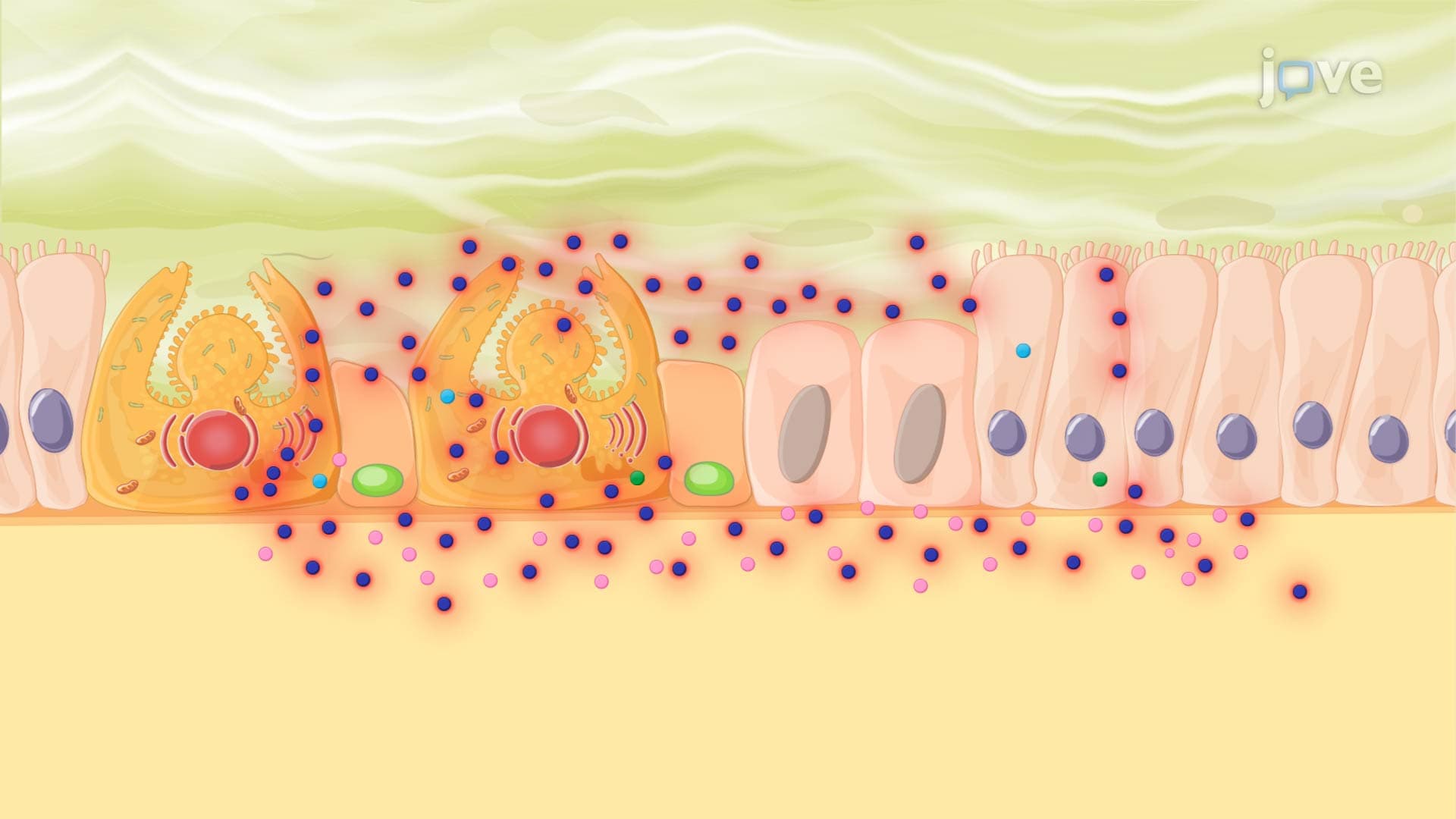
The bacteria's survival strategy involves disrupting normal gastric regulation mechanisms. H. pylori impairs somatostatin-producing D cells in the gastric antrum, leading to uncontrolled gastrin release and excessive acid production. Simultaneously, it reduces protective bicarbonate secretion, creating an imbalance that promotes ulcer formation. This understanding drives treatment approaches that combine acid suppression with targeted antimicrobial therapy.
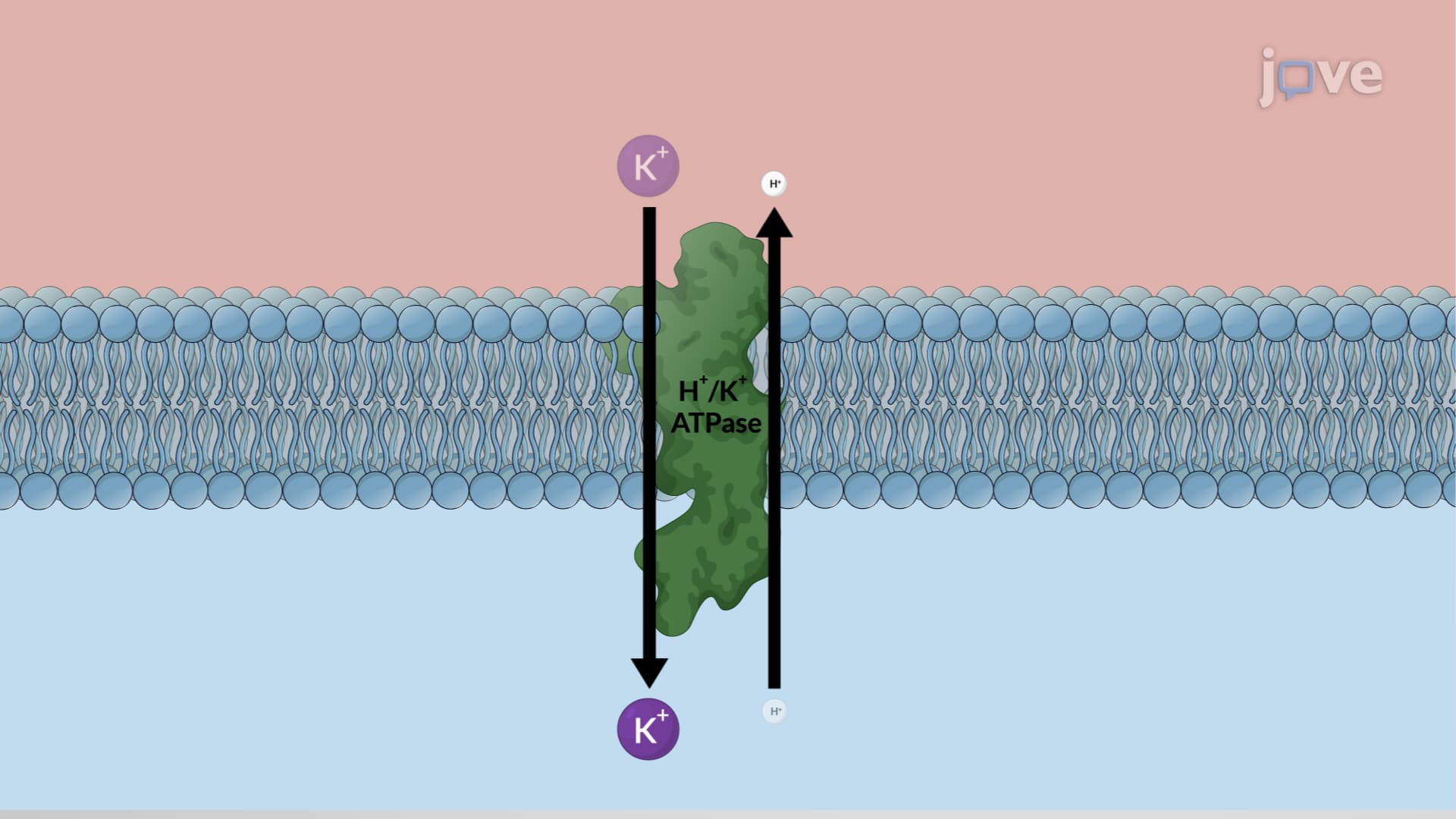
Triple therapy remains the cornerstone treatment, combining a proton pump inhibitor (PPI) like omeprazole or lansoprazole with two antibiotics. The most common combination pairs clarithromycin with either amoxicillin or metronidazole. This approach achieves eradication rates of 80-90% when bacterial resistance remains low. However, increasing clarithromycin resistance in many US regions has prompted alternative strategies.
Quadruple therapy adds bismuth subsalicylate to the antibiotic-PPI combination, providing additional antimicrobial activity and mucosal protection. Bismuth compounds create a protective coating over ulcerated tissue while exhibiting direct bactericidal effects. This approach proves particularly valuable in areas with high antibiotic resistance or treatment failure cases.
Treatment duration typically spans 10-14 days, balancing efficacy with tolerability. Shorter courses risk incomplete eradication, while longer regimens increase side effects without significant benefit improvements. Students preparing for the MCAT or USMLE should understand that successful H. pylori treatment requires addressing both the infection and underlying gastric pathophysiology through combination approaches.
Related Micro-courses