Loading subject page…


39,014 views


Video Summary: Statements Second Law of Thermodynamics Explained
Ever wonder why your smartphone gets hot when charging, or why car engines need cooling systems? The statements second law of thermodynamics explain these everyday phenomena through two fundamental principles that govern energy flow in our universe. The Clausius statement reveals why heat pumps in American homes require electricity to move warmth from cold outdoor air to warm indoor spaces, while the Kelvin-Planck statement explains why no car engine achieves 100% efficiency. Watch the full video on JoVE Coach to master this concept with expert-led visuals and step-by-step explanations.
The statements second law of thermodynamics represent two equivalent ways of expressing a fundamental limitation in nature: energy transformations have inherent directional constraints. Unlike the first law, which focuses on energy conservation, the second law addresses the quality and direction of energy flow. These statements emerge from observations that certain processes occur spontaneously in one direction but never in reverse without external intervention.
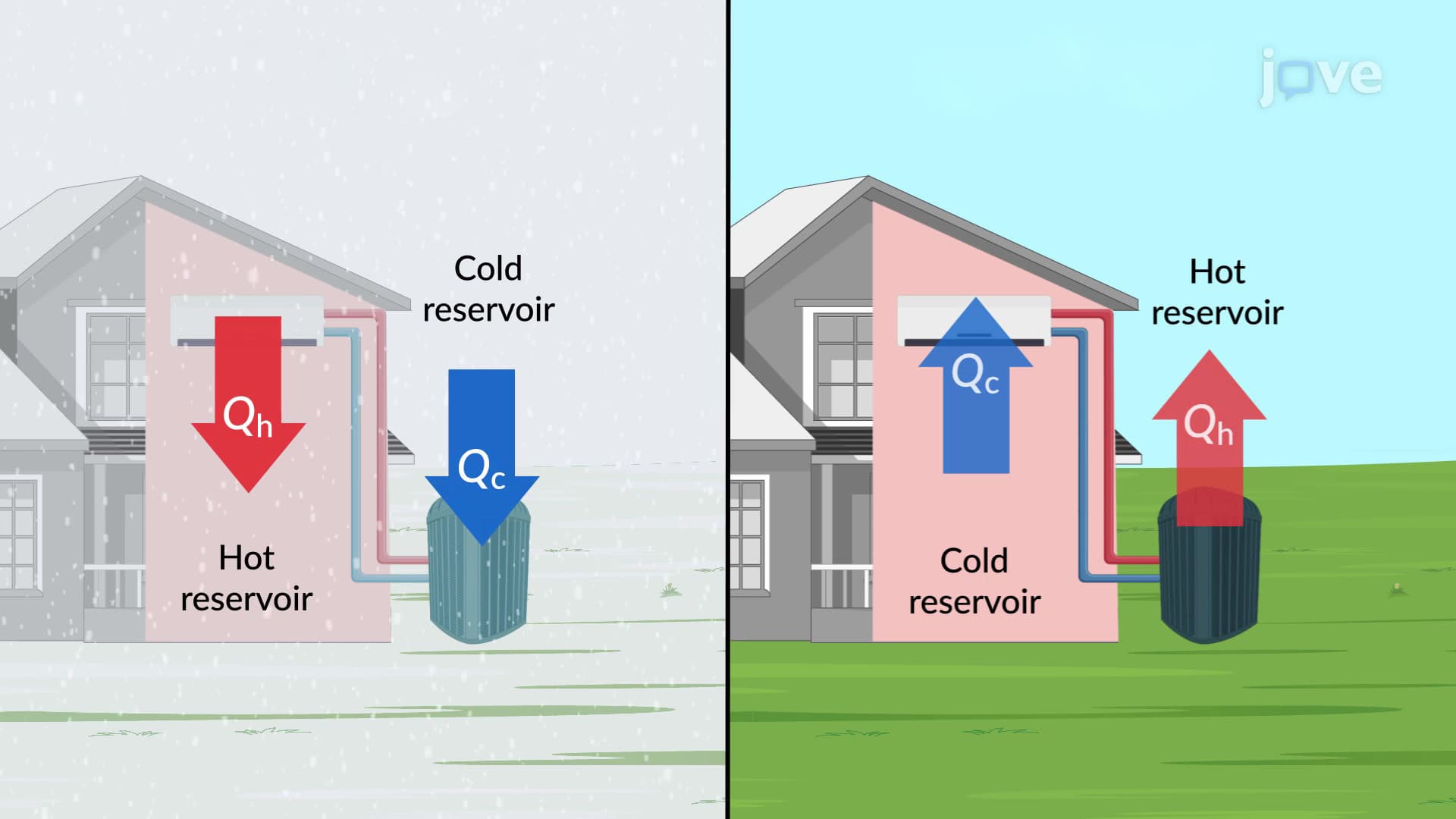
Rudolf Clausius articulated that heat cannot spontaneously flow from a colder body to a warmer body without external work. This principle governs every air conditioning system in American homes and commercial buildings. When your AC unit cools your house on a 95°F summer day in Texas, it doesn't violate thermodynamics-it uses electrical energy to force heat transfer against its natural direction. The refrigerant absorbs heat from indoor air and rejects it outdoors, but only because the compressor performs work on the system.
This statement also explains why perpetual motion machines of the second kind cannot exist. A hypothetical perfect refrigerator that moves heat from cold to hot without any energy input would violate the Clausius statement, enabling impossible scenarios like cooling your home for free while heating the outdoors.
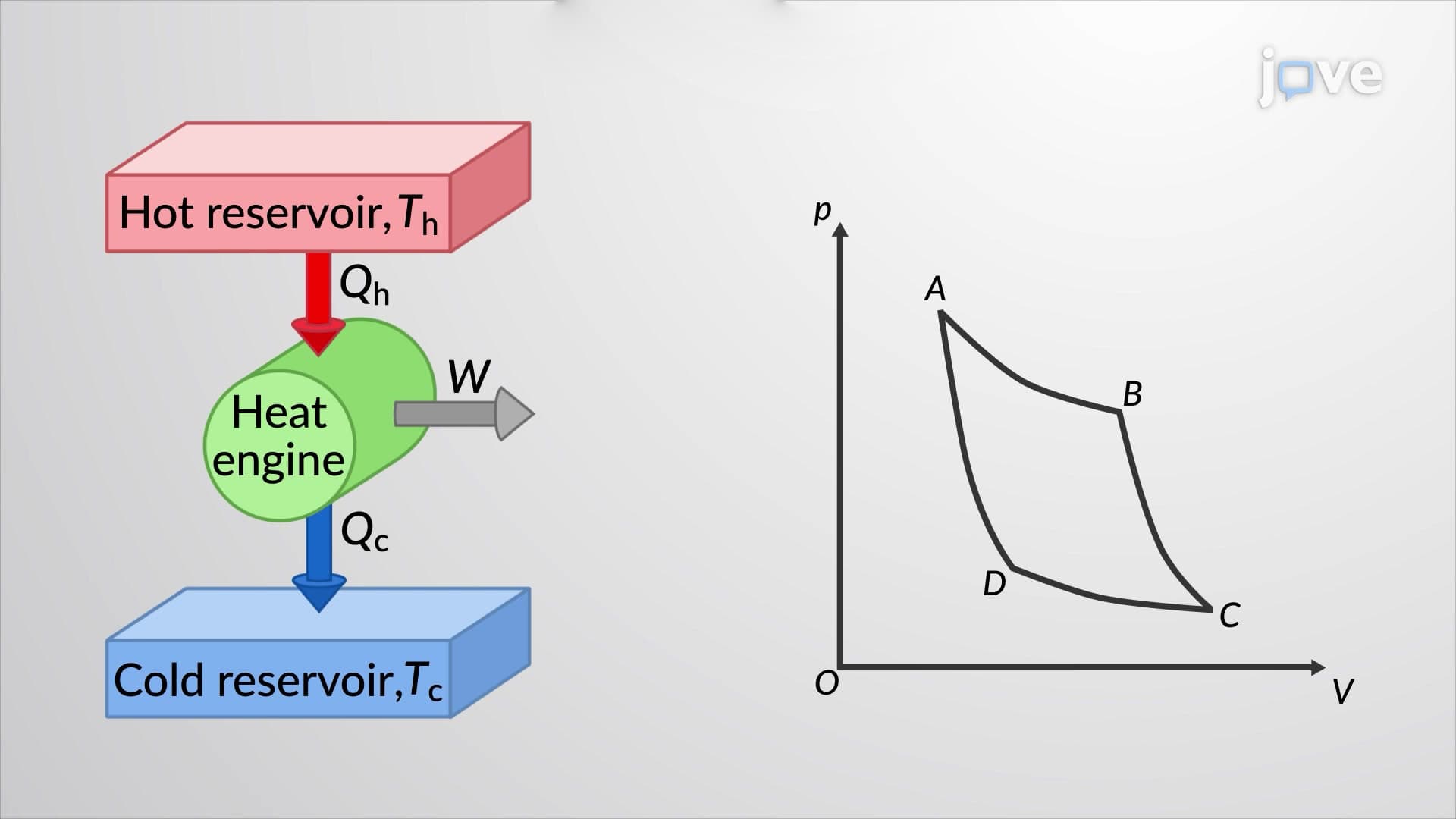
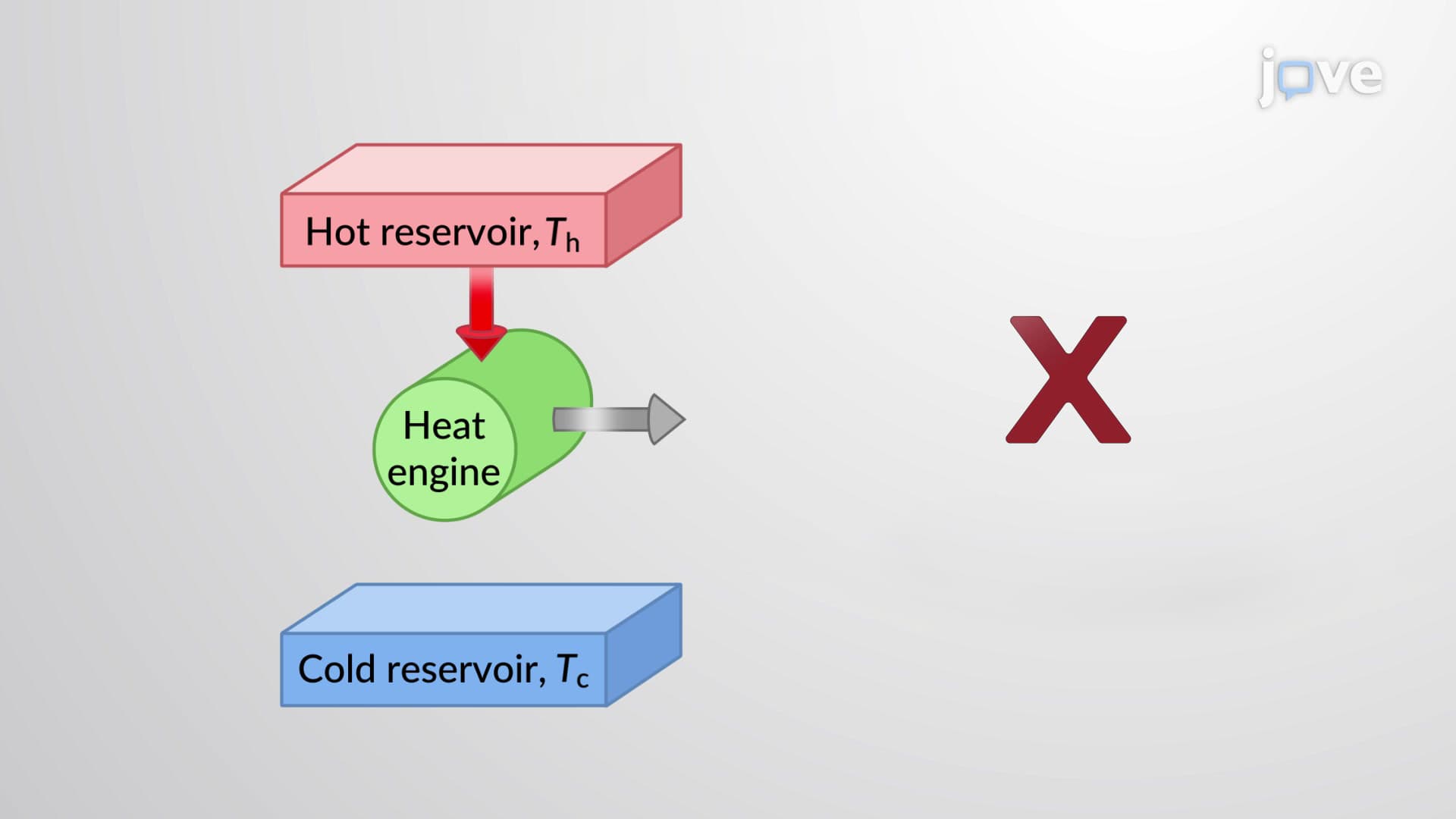
Lord Kelvin and Max Planck formulated that no heat engine can convert thermal energy from a single reservoir into work with 100% efficiency. Every real engine-from the gasoline engines in Ford trucks to the steam turbines in Tennessee Valley Authority power plants-must reject some heat to a lower-temperature reservoir. This explains why car radiators exist and why power plants require cooling towers or water sources.
The theoretical maximum efficiency depends on temperature differences between hot and cold reservoirs, following Carnot's theorem. Modern automotive engines typically achieve 25-35% efficiency, with the remaining energy lost as exhaust heat and friction. This limitation appears frequently on AP Physics exams and college thermodynamics courses.
Both statements describe the same physical reality from different perspectives. Students preparing for the MCAT often encounter problems demonstrating their equivalence through contradiction proofs. If you assume a perfect refrigerator exists (violating Clausius), you can combine it with any real heat engine to create a perfect heat engine (violating Kelvin-Planck), proving both statements must stand or fall together.
Related Micro-courses