Loading subject page…


39,014 views
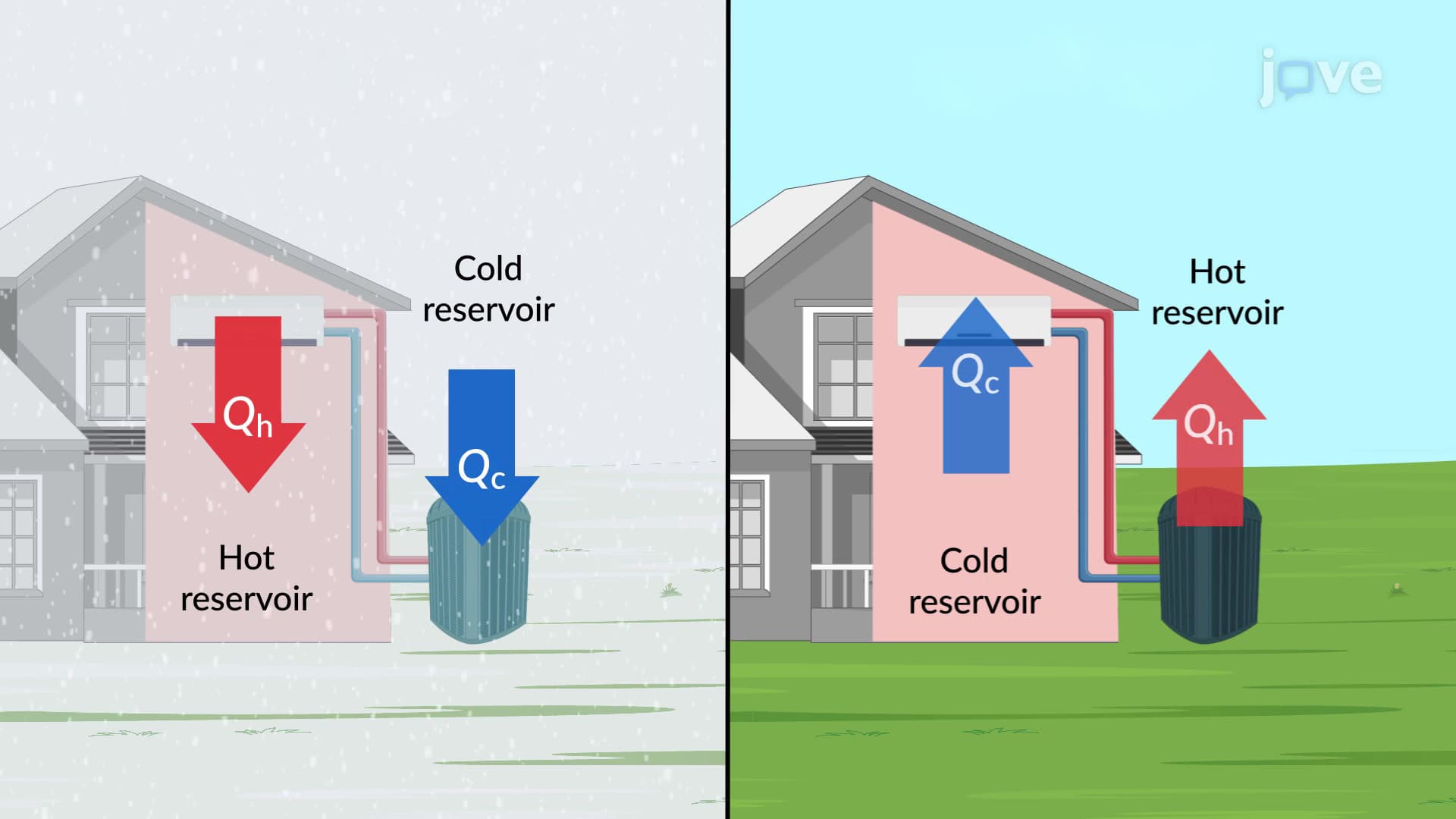

Video Summary: What are Refrigerators and Heat Pumps
Did you know your kitchen refrigerator and the heat pump warming Minnesota homes operate on identical thermodynamic principles? Refrigerators and heat pumps are essentially heat engines running in reverse, moving thermal energy against its natural flow direction. While a typical household refrigerator removes heat from your food and expels it into your kitchen, a residential heat pump extracts warmth from cold outdoor air to heat your home's interior. Understanding what are refrigerators and heat pumps reveals the fascinating physics behind these everyday energy-transfer machines. Watch the full video on JoVE Coach to master this concept with expert-led visuals and step-by-step explanations.
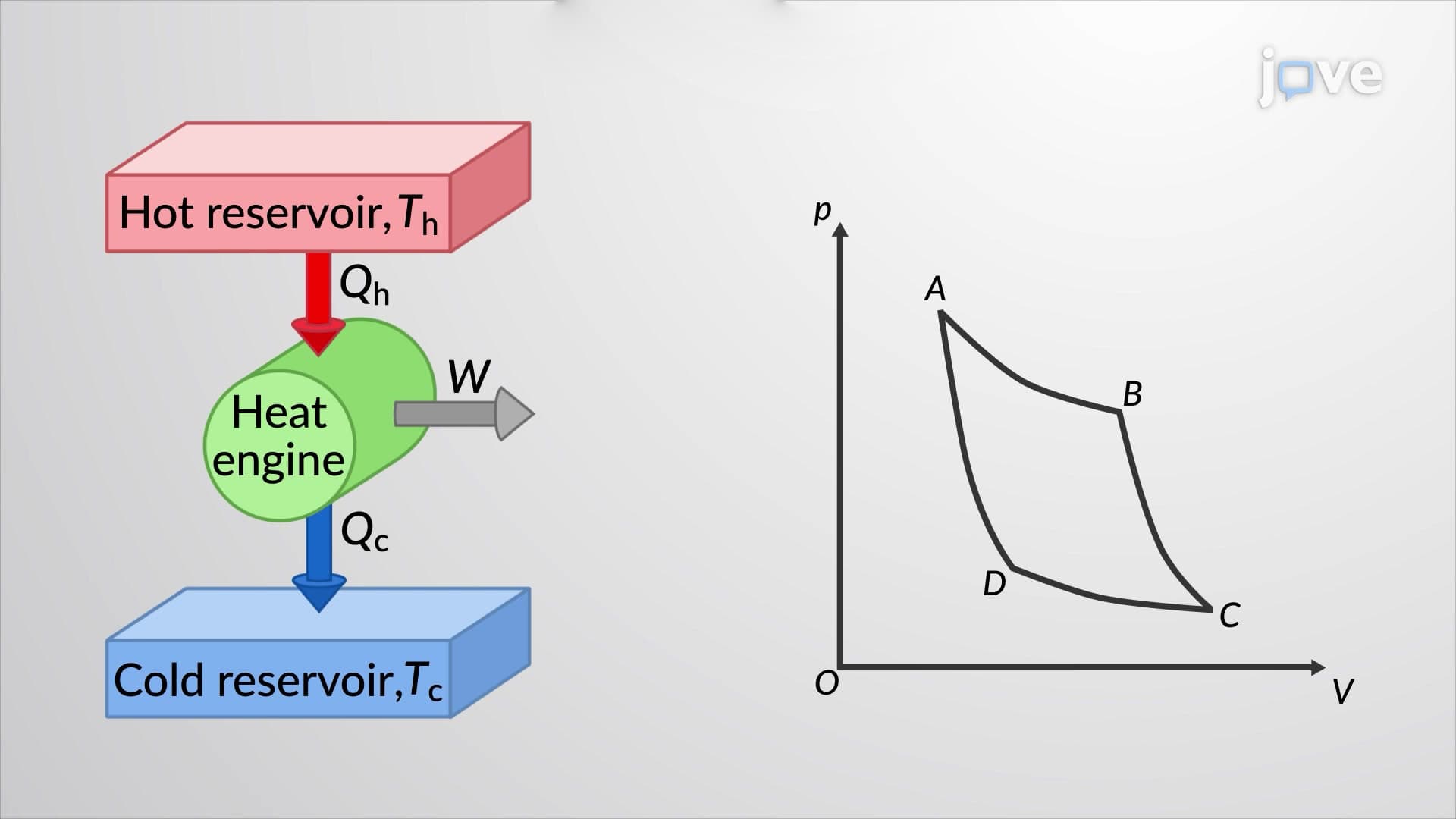
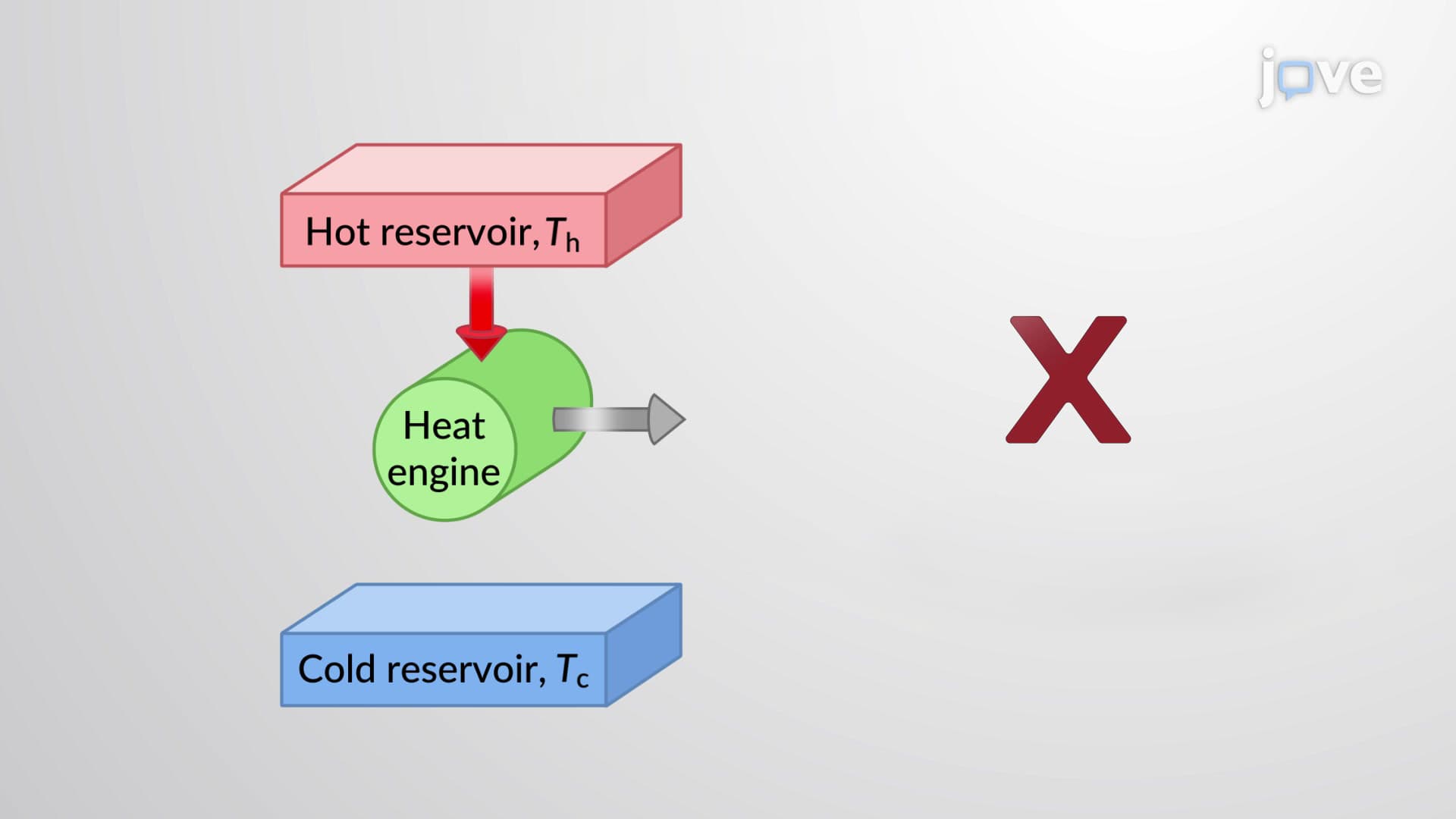
Refrigerators and heat pumps represent one of the most practical applications of thermodynamic principles in modern technology. These devices operate as reverse heat engines, fundamentally challenging the natural tendency of heat to flow from hot to cold regions. By applying external work, these systems force thermal energy to move against its natural gradient, enabling precise temperature control in residential and commercial environments.
The thermodynamic foundation rests on the refrigeration cycle, typically involving four key stages: compression, condensation, expansion, and evaporation. A working fluid (refrigerant) circulates through these stages, alternately absorbing and releasing heat while changing phases between liquid and vapor states.
American households commonly encounter several types of refrigerators and heat pumps. Domestic refrigerators range from compact dorm-room units to large French-door models, all employing vapor-compression refrigeration. Commercial applications include walk-in freezers at restaurants, industrial chillers in food processing plants, and massive refrigeration systems in grocery chains like Walmart and Kroger.
Heat pump varieties include air-source systems popular in moderate climates like North Carolina, ground-source (geothermal) units favored in northern states like Michigan, and water-source heat pumps utilized near large water bodies. The U.S. Department of Energy actively promotes heat pump adoption as an energy-efficient alternative to traditional heating methods.
The coefficient of performance (COP) serves as the critical efficiency metric distinguishing these systems from traditional heat engines. For refrigerators, COP equals the heat removed from the cold space divided by the work input. For heat pumps, COP represents the heat delivered to the warm space divided by work input.
Typical residential refrigerators achieve COP values between 2-4, meaning they remove 2-4 times more heat energy than the electrical energy consumed. Heat pumps often demonstrate even higher COP values, particularly in mild climates, making them attractive alternatives to electric resistance heating.
Students encounter these concepts extensively in AP Physics courses, particularly when studying thermodynamics and energy conservation. College-level thermal sciences courses delve deeper into refrigeration cycles, while engineering programs explore advanced applications like absorption refrigeration and transcritical CO2 systems. HVAC technician certification programs emphasize practical troubleshooting and installation procedures for these systems across diverse American climate zones.
Related Micro-courses