Loading subject page…


39,014 views

Video Summary: What Is Entropy
Ever wonder why your room gets messy but never spontaneously cleans itself? Entropy explains this universal tendency toward disorder in nature. From melting ice cubes in your soda to the heat generated by your car's engine, entropy governs how energy spreads and systems become more disorganized over time. Watch the full video on JoVE Coach to master this concept with expert-led visuals and step-by-step explanations.
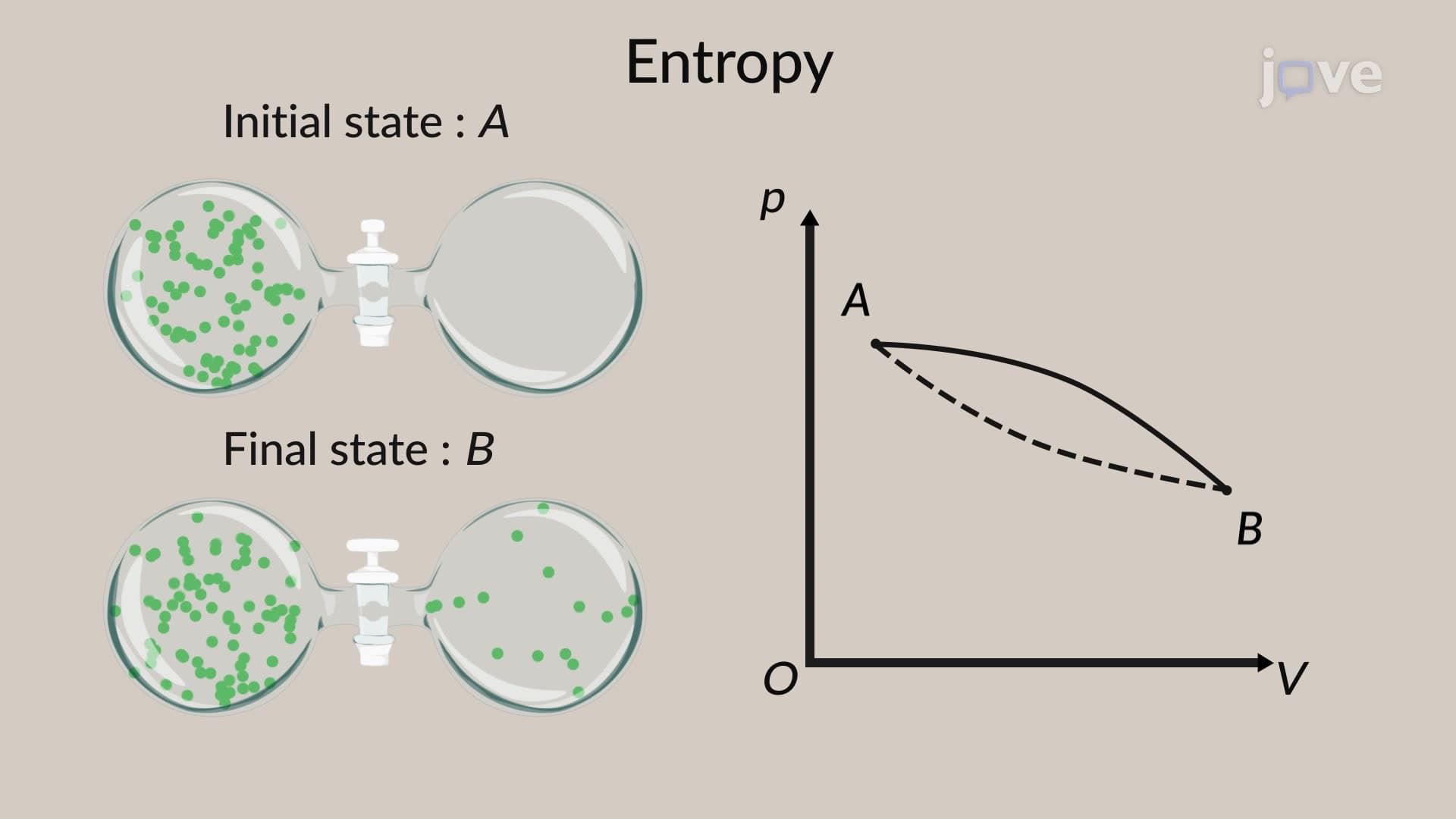
Entropy represents one of the most fundamental concepts in physics, serving as a quantitative measure of disorder or randomness in any system. Unlike energy or mass, which we can directly observe, entropy describes the hidden tendency of systems to evolve toward states of greater disorder over time. This concept emerged from 19th-century studies of heat engines and has since become central to understanding everything from chemical reactions to biological processes.
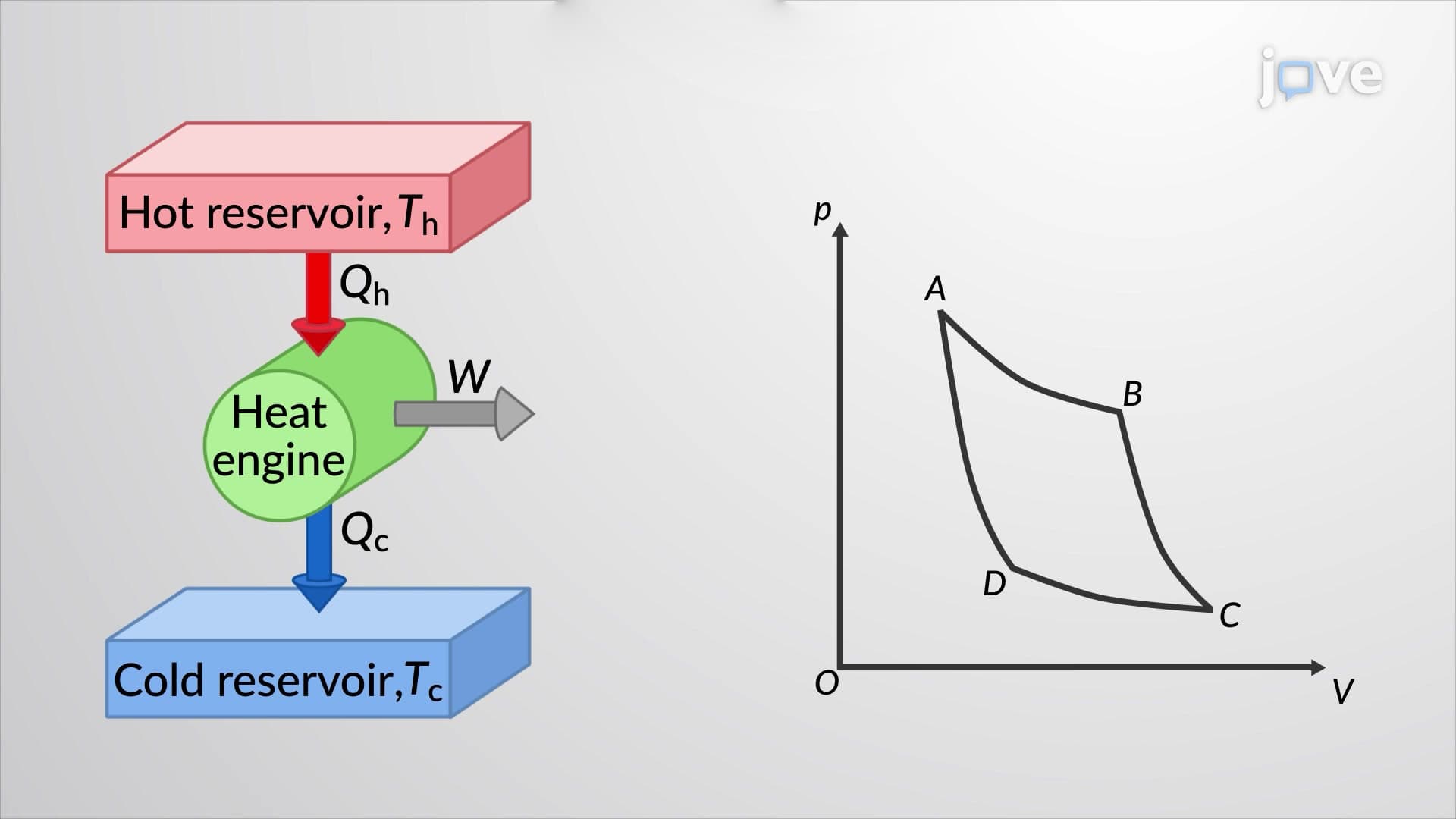
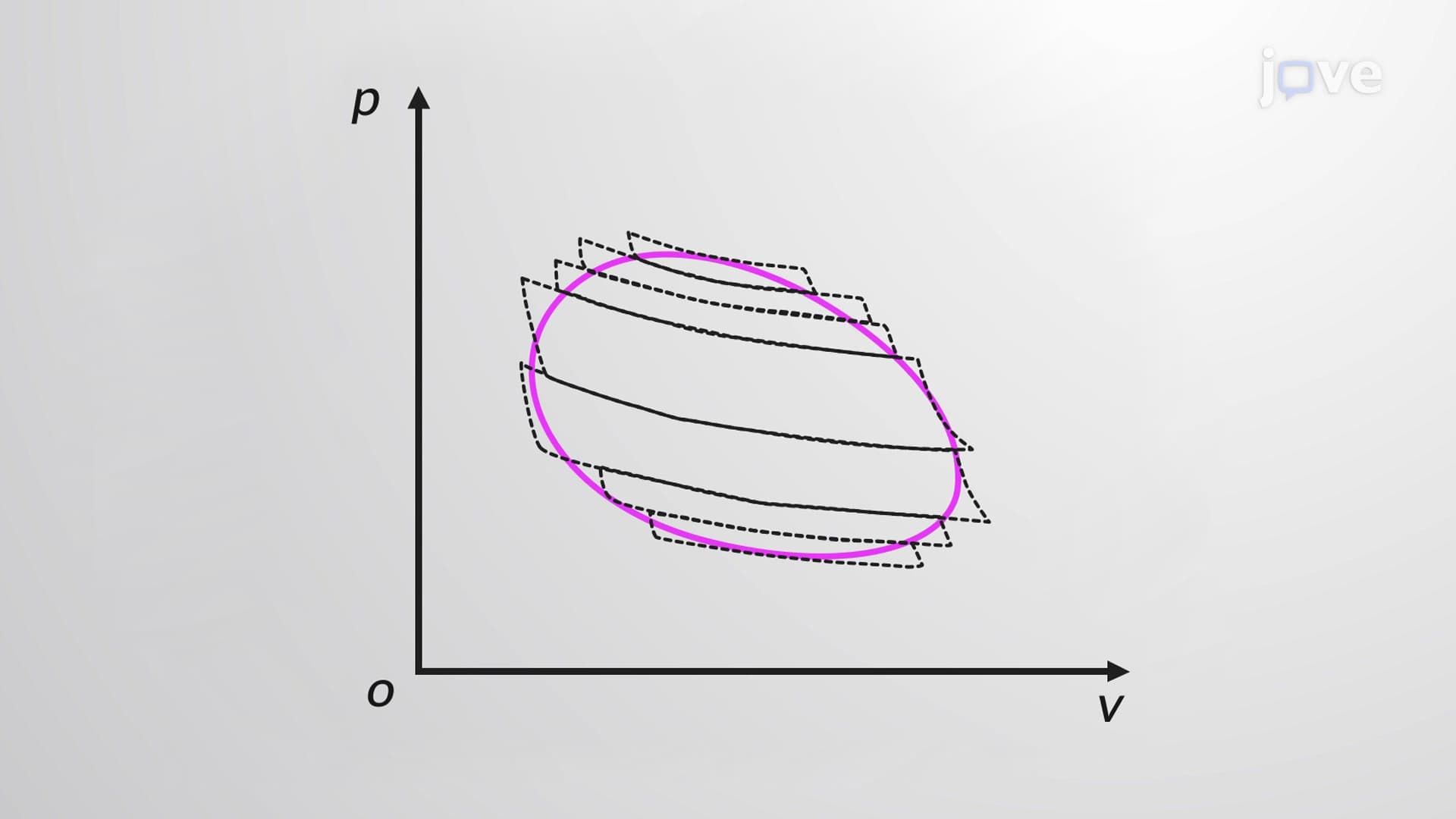
The mathematical definition of entropy change builds on the work of French physicist Sadi Carnot and his idealized heat engine. For any reversible process, the entropy change equals the heat transferred divided by the absolute temperature: ΔS = Q/T. When dealing with non-isothermal processes, we must consider infinitesimally small steps where temperature remains constant, leading to the integral form: ΔS = ∫(dQ/T). This mathematical relationship appears frequently on AP Chemistry and Physics exams, where students calculate entropy changes for phase transitions like ice melting (ΔS = ΔH(fusion)/T(melting)).
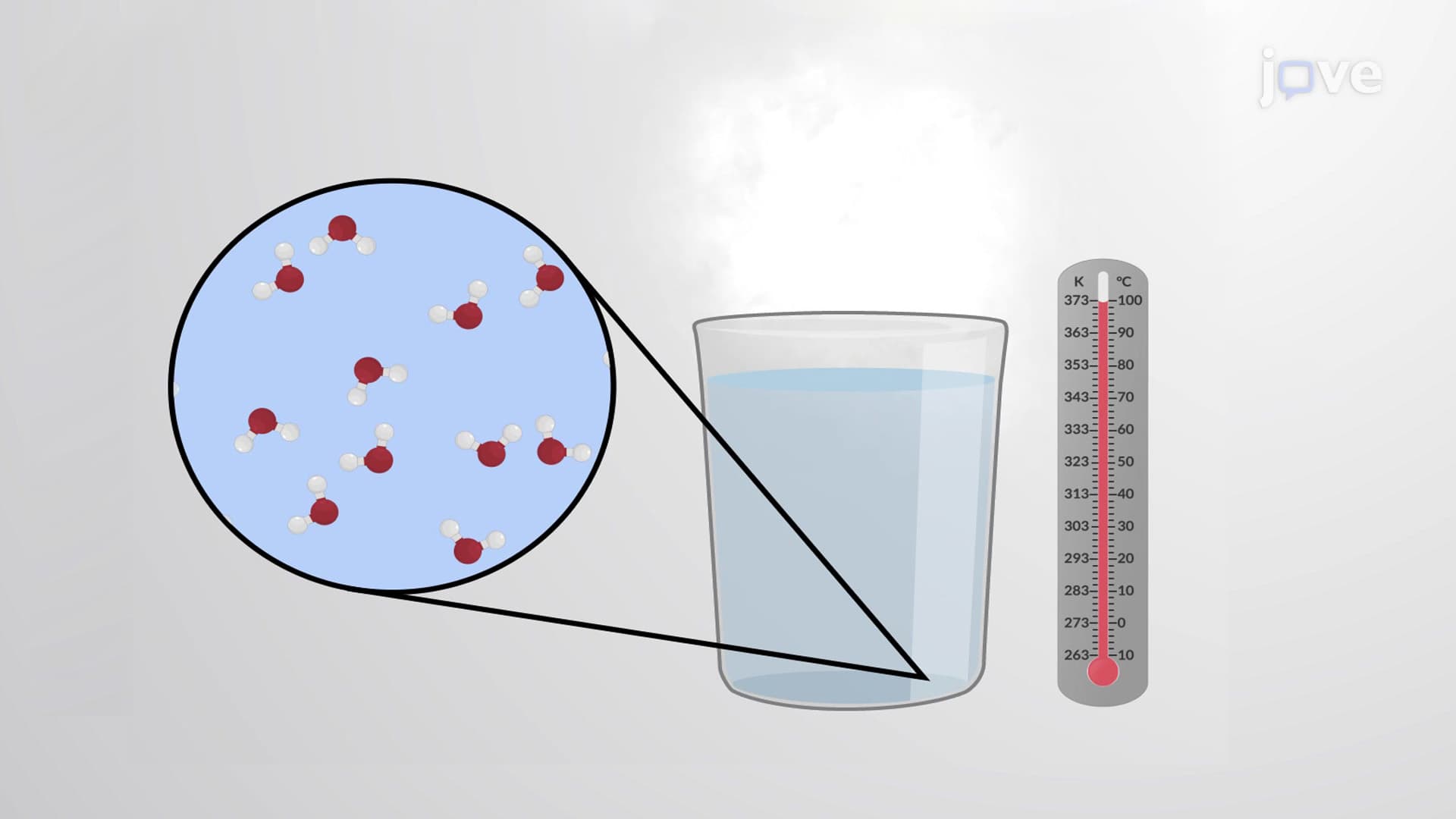
At the molecular level, entropy reflects the countless ways atoms and molecules can arrange themselves. Higher temperatures mean faster molecular motion and more possible arrangements-greater entropy. When you heat a pot of water on your stove, the water molecules move more vigorously, accessing more energy states and increasing the system's entropy. Conversely, cooling systems toward absolute zero dramatically reduces molecular motion and entropy, which is why achieving absolute zero remains impossible according to the third law of thermodynamics.
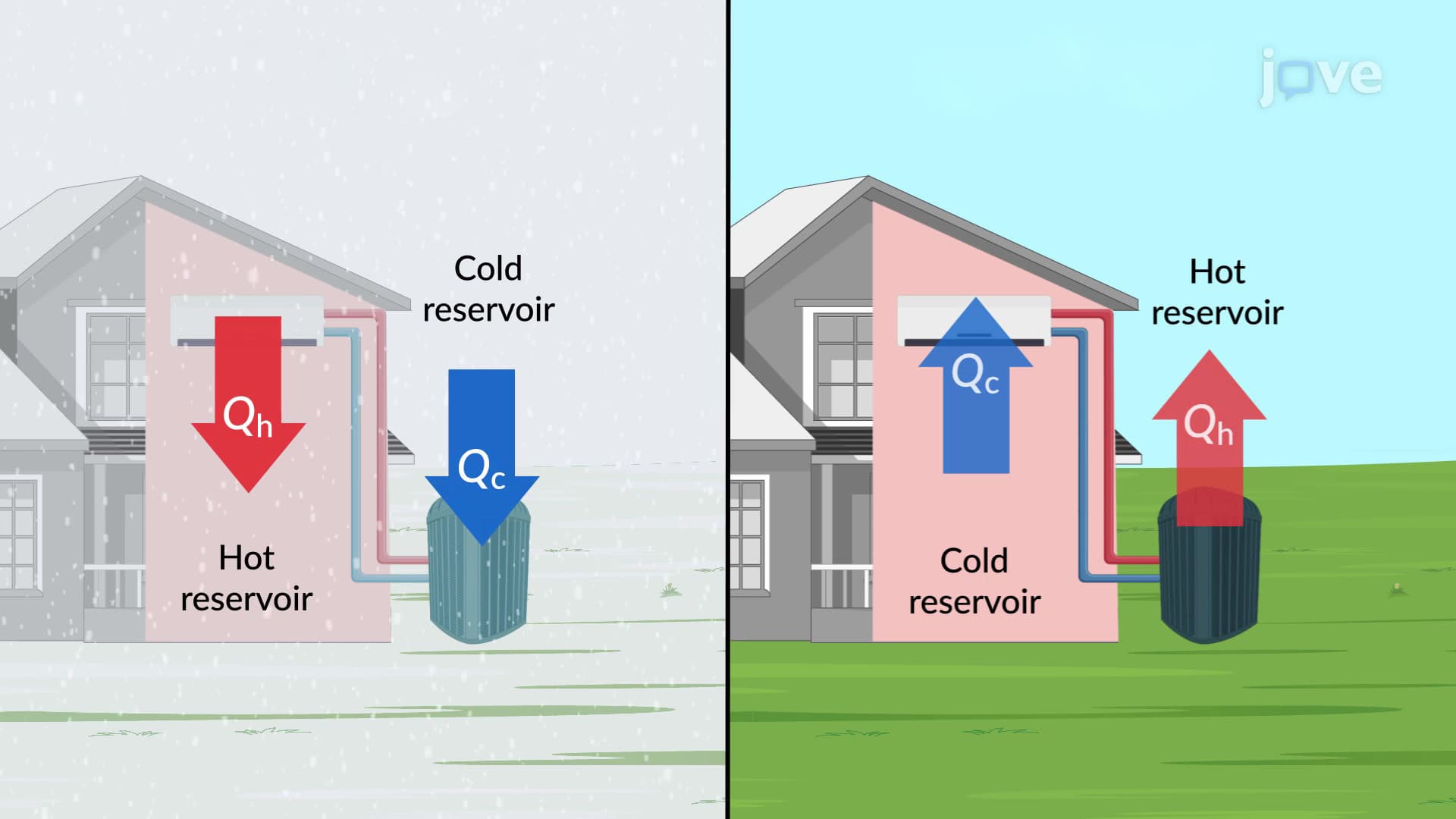
Entropy governs everyday phenomena throughout American households and industries. Your refrigerator works by moving heat from a cold interior to a warm exterior, decreasing entropy inside while increasing it outside-the net entropy change remains positive. Similarly, power plants convert fuel's chemical energy to electricity, but some energy inevitably becomes waste heat, increasing the universe's total entropy. Even biological systems like human metabolism must constantly consume energy to maintain their highly organized structures against entropy's relentless increase. Medical professionals studying for the MCAT encounter entropy in biochemistry contexts, particularly in understanding protein folding and cellular energy processes.
Related Micro-courses