Loading subject page…


39,014 views


Video Summary: What Is Heat Engines
Ever wonder how your car's engine converts gasoline into motion, or how power plants generate electricity from steam? Heat engines are the fundamental machines that make modern transportation and electricity generation possible. From the Ford F-150's internal combustion engine to the steam turbines at California's Diablo Canyon Power Plant, heat engines transform thermal energy into useful mechanical work through carefully engineered thermodynamic cycles. Watch the full video on JoVE Coach to master this concept with expert-led visuals and step-by-step explanations.
Heat engines represent one of the most important applications of thermodynamics in engineering and technology. These machines form the backbone of our transportation systems, electrical grid, and industrial processes. The heat engines definition encompasses any device that converts thermal energy into mechanical work through a cyclic process involving temperature differences.
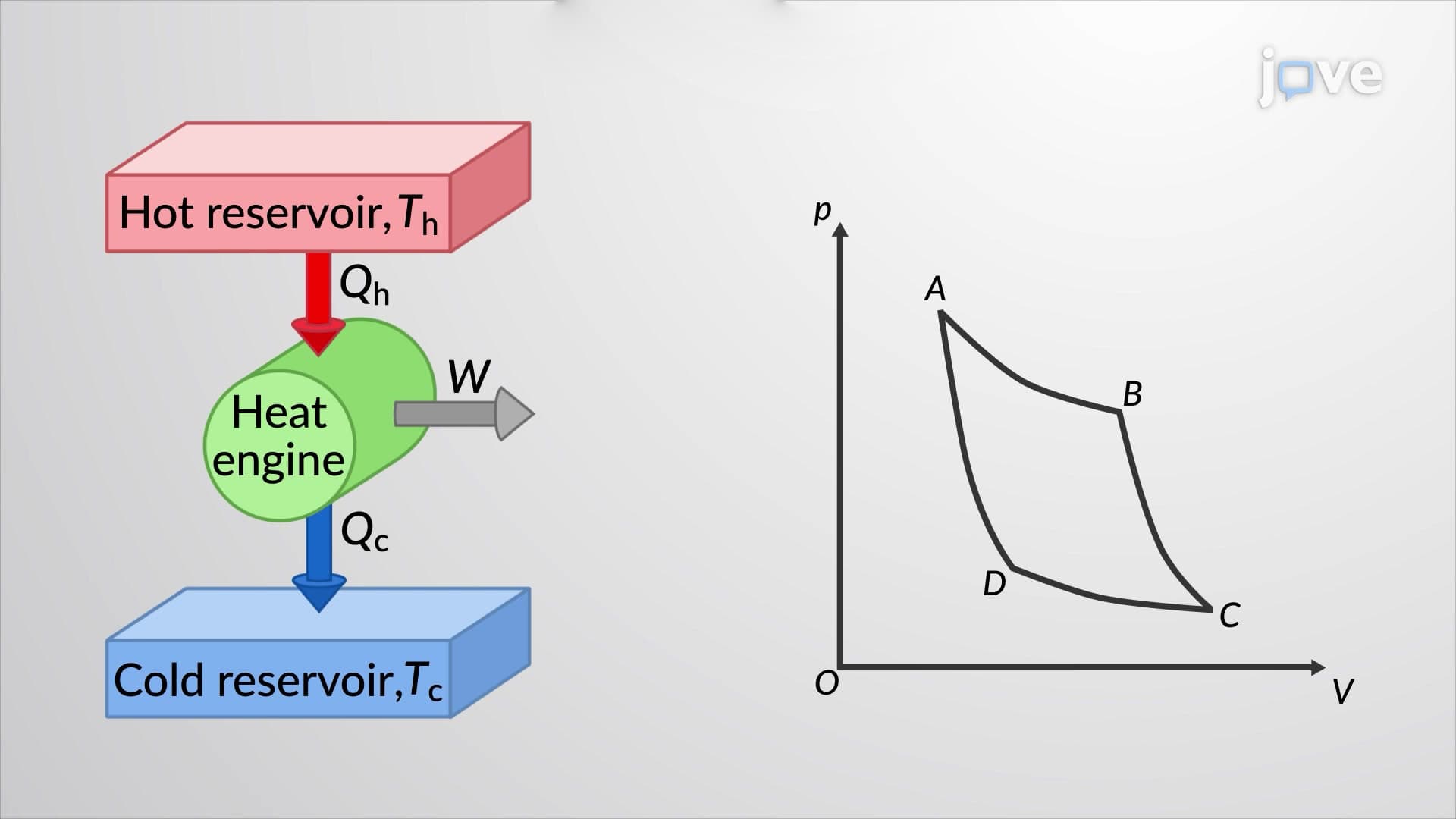
Every heat engine operates using three fundamental components working in harmony. The hot reservoir serves as the energy source, maintaining a high temperature that provides the initial thermal energy. Common examples include combustion chambers in car engines, where gasoline burns at temperatures exceeding 2000°F, or nuclear reactors in power plants like those operated by Duke Energy in North Carolina.
The working substance-typically a gas or vapor-acts as the intermediary that absorbs heat, expands to do work, and then releases excess heat. In automotive engines, this working substance is the air-fuel mixture and combustion products. In steam power plants, water vapor serves this crucial role, expanding through turbines to generate electricity.
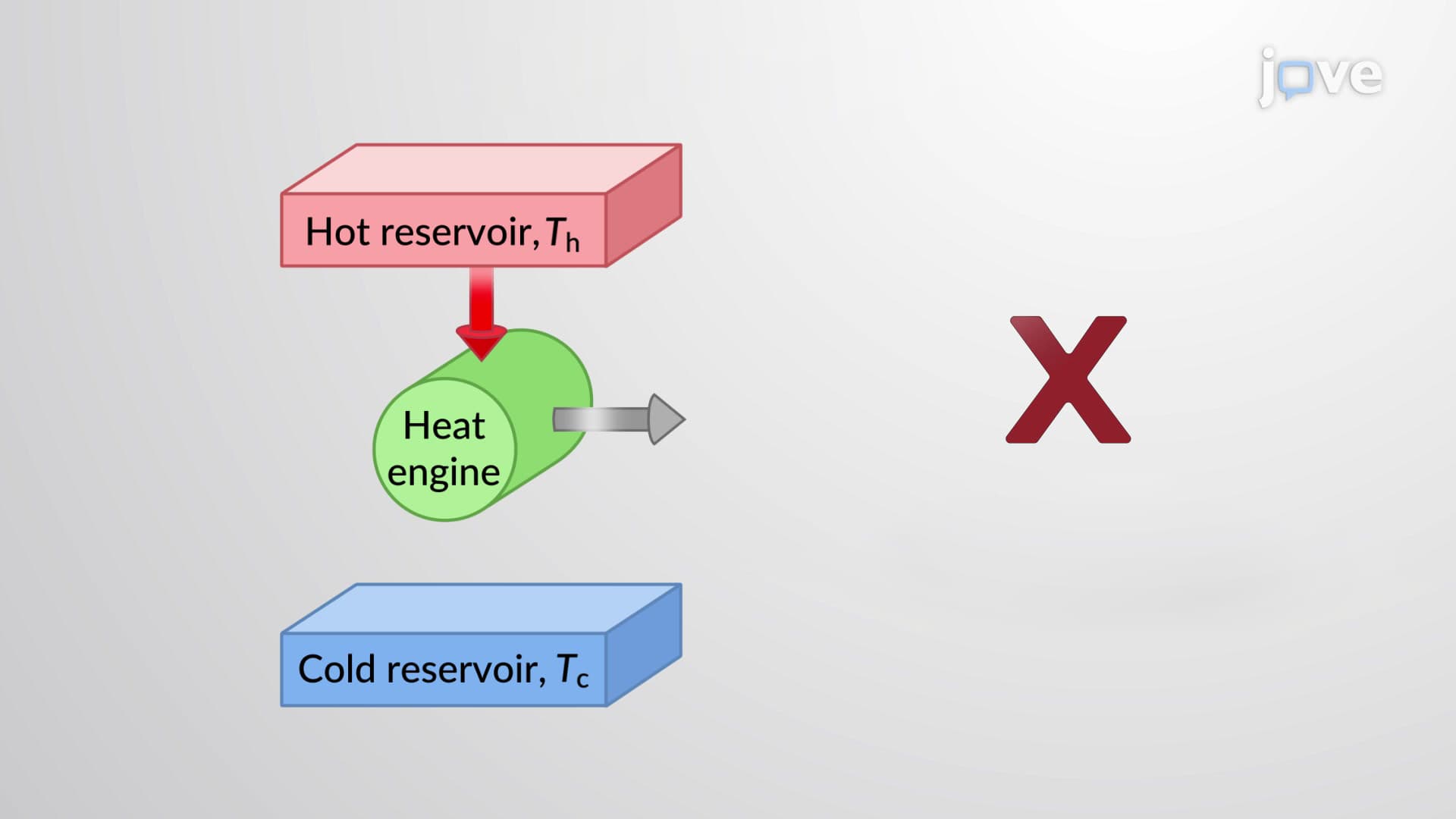
The cold reservoir functions as the heat sink, absorbing waste heat that cannot be converted to useful work. This might be the atmosphere for car engines or cooling towers and nearby rivers for power plants. The temperature difference between hot and cold reservoirs determines the maximum possible efficiency of any heat engine.
The concept of thermal efficiency becomes critical when studying what is heat engines in detail. Efficiency equals work output divided by heat input, typically expressed as a percentage. The Carnot efficiency sets the theoretical maximum: η = 1 - (T_cold/T_hot), where temperatures are in Kelvin.
Modern automotive engines achieve roughly 25-30% efficiency, meaning 70-75% of fuel energy becomes waste heat rather than useful motion. Even advanced combined-cycle power plants, like those operated by Calpine Corporation in Texas, reach only 60% efficiency under optimal conditions.
Students encounter heat engines extensively in AP Physics, college thermodynamics courses, and MCAT preparation. Understanding these principles proves essential for engineering programs at institutions like MIT, Stanford, and Georgia Tech. The concepts directly apply to automotive engineering, power plant design, and renewable energy systems development across American industries.
Related Micro-courses