Loading subject page…

- Physics
- The Second Law of Thermodynamics
- Internal Combustion Engine
Micro-course: The Second Law of Thermodynamics
39,014 views
Learn key concepts and earn your certificate.







Internal Combustion Engine


00:00
01:20
Video Summary: What Is Internal Combustion Engine
Ever wonder how pressing a gas pedal in a Ford F-150 instantly transforms chemical energy into the power that moves two tons of truck? An internal combustion engine achieves this remarkable feat by converting thermal energy from burning fuel into mechanical motion through a precisely orchestrated four-stroke cycle. This fundamental engineering marvel powers millions of American vehicles daily, from NASCAR race cars to everyday commuters. Watch the full video on JoVE Coach to master this concept with expert-led visuals and step-by-step explanations.
- Understand what is internal combustion engine and how it converts chemical energy into mechanical work through controlled combustion
- Identify the four essential components: intake valve, exhaust valve, spark plug, and piston-crankshaft assembly
- Analyze the four-stroke cycle sequence: intake, compression, power, and exhaust strokes
- Compare the thermodynamic processes occurring during adiabatic compression and expansion phases
- Evaluate engine efficiency using compression ratios and understand typical automotive ranges of 8:1 to 10:1
- Apply knowledge of air-fuel mixture dynamics and combustion timing to real-world engine performance
- Recognize the relationship between cylinder volume changes and mechanical work output
- Explore how internal combustion principles connect to broader thermodynamics and energy conversion concepts
What is Internal Combustion Engine: Core Principles
An internal combustion engine represents one of humanity's most transformative inventions, fundamentally changing how we harness energy for transportation and power generation. Unlike external combustion systems where fuel burns outside the working chamber, internal combustion engines ignite the air-fuel mixture directly within the cylinder, maximizing energy transfer efficiency and power density.
The genius lies in the controlled explosion that occurs thousands of times per minute. When you start a typical American sedan like a Honda Accord, the engine's combustion chambers become miniature controlled explosion sites, each precisely timed to convert gasoline's chemical bonds into kinetic energy that ultimately turns the wheels.
The Four-Stroke Cycle: Engineering Precision in Motion
The four-stroke gasoline engine operates on the Otto cycle, named after German engineer Nikolaus Otto. Each stroke serves a specific thermodynamic purpose:
Intake Stroke: The descending piston creates a vacuum that draws the air-fuel mixture through the open intake valve. Modern fuel injection systems, like those in General Motors' EcoTec engines, precisely control this mixture ratio for optimal combustion and emissions control.
Compression Stroke: With valves sealed, the rising piston compresses the mixture adiabatically-meaning no heat transfer occurs with the surroundings. This compression increases both temperature and pressure, making ignition more efficient and powerful.
Power Stroke: The spark plug fires at precisely the right moment, typically just before the piston reaches top dead center. The rapid combustion creates a pressure wave that forces the piston downward, transferring energy to the crankshaft through the connecting rod.
Exhaust Stroke: The exhaust valve opens as the piston rises, expelling burned gases and preparing for the next cycle.
Compression Ratios and Engine Performance
The compression ratio-the ratio of maximum cylinder volume to minimum volume-directly impacts engine efficiency and power output. Most American automotive engines operate between 8:1 and 10:1 compression ratios. Higher compression ratios extract more energy from fuel but require higher-octane gasoline to prevent engine knock, a destructive phenomenon where fuel ignites prematurely.
For AP Physics and college-level thermodynamics courses, understanding compression ratios connects directly to ideal gas law applications and adiabatic processes. Students preparing for standardized tests like the MCAT encounter these principles when studying energy transformations in biological and mechanical systems.
Real-World Applications and Engineering Significance
Internal combustion engines power everything from lawn mowers to Formula 1 race cars, demonstrating remarkable scalability and adaptability. In automotive applications, engineers continuously optimize combustion chamber design, valve timing, and fuel delivery systems to meet increasingly stringent EPA emissions standards while maintaining performance expectations American consumers demand.
Frequently Asked Questions
An internal combustion engine burns fuel directly inside the cylinder where work is performed, unlike steam engines that burn fuel externally. This direct combustion approach achieves higher efficiency and power-to-weight ratios. The engine converts thermal energy from controlled explosions into rotational motion through a piston-crankshaft mechanism, making it ideal for mobile applications like automobiles and aircraft.
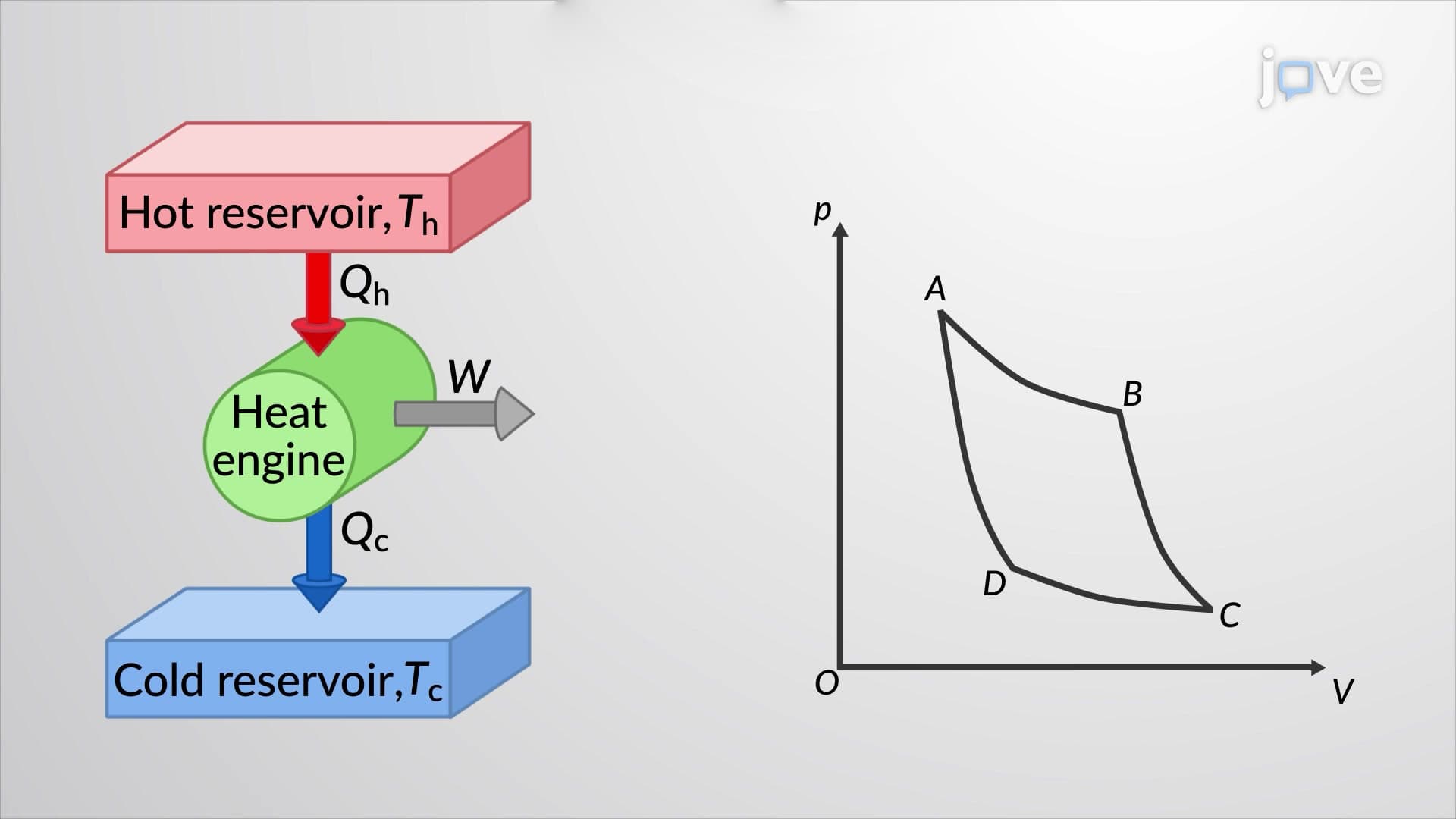
For AP Physics, define it as a heat engine that converts chemical potential energy into mechanical kinetic energy through controlled combustion within working cylinders. Focus on the thermodynamic cycles, particularly how adiabatic compression and expansion processes relate to the ideal gas law. Understanding P-V diagrams and efficiency calculations will help you tackle related free-response questions.
The MCAT tests thermodynamics principles that directly apply to internal combustion engines, including heat transfer, work calculations, and energy conservation. These engines illustrate real-world applications of gas laws, adiabatic processes, and energy transformations. Practice problems often involve calculating work done during expansion strokes or analyzing efficiency using compression ratios.
Absolutely-internal combustion engines are fundamental examples in thermodynamics, fluid mechanics, and mechanical engineering courses. Expect questions about Otto cycle analysis, compression ratio calculations, and efficiency comparisons. Many professors use automotive engines as practical examples when teaching heat engines, making this knowledge essential for mechanical and aerospace engineering students.
Automotive engineers at companies like Ford, General Motors, and Chrysler design and optimize engine systems daily. Mechanical engineers work on everything from motorcycle engines to industrial generators. Additionally, environmental engineers focus on emissions control systems, while aerospace engineers adapt combustion principles for aircraft engines and rocket propulsion systems.
Not for fundamental concepts-basic algebra and understanding of ratios suffices for compression calculations and efficiency analysis. High school physics and chemistry provide adequate background for grasping combustion principles. The mathematical complexity increases mainly in advanced engineering courses where calculus-based thermodynamics and fluid dynamics become necessary for detailed engine design and optimization.
Create visual diagrams of the four-stroke cycle and practice sketching P-V diagrams for the Otto cycle. Use flashcards for key terms like adiabatic compression and compression ratio. Work through numerical problems calculating compression ratios and relating them to engine efficiency. Connect the concepts to everyday experiences-think about what happens when you press the accelerator in your car.
Explore advanced topics like turbocharging and supercharging systems, diesel engine cycles, and hybrid powertrains that combine internal combustion with electric motors. Study emissions control systems including catalytic converters and exhaust gas recirculation. For deeper engineering understanding, investigate valve timing optimization, fuel injection systems, and computer-controlled engine management systems used in modern vehicles.
Related Micro-courses