Loading subject page…


39,014 views


Video Summary: What Is Otto and Diesel Cycle
Ever wonder why your car's engine efficiency maxes out around 35% while power plants achieve 60%? The otto and diesel cycle principles explain this fundamental difference in thermodynamic performance. The Otto cycle powers most gasoline engines in American cars like Ford F-150s, while the diesel cycle drives heavy-duty trucks and generators across the US. Both cycles involve four distinct thermodynamic processes that convert fuel energy into mechanical work through strategic compression and expansion phases. Watch the full video on JoVE Coach to master this concept with expert-led visuals and step-by-step explanations.
What is otto and diesel cycle in the context of modern engineering? These represent two foundational thermodynamic cycles that power most internal combustion engines in American vehicles and industrial applications. Both cycles convert chemical energy from fuel into mechanical work through carefully orchestrated compression, combustion, and expansion processes.
The Otto cycle, named after German inventor Nikolaus Otto, operates on a four-stroke principle found in most gasoline engines. During the compression stroke, the air-fuel mixture undergoes adiabatic compression, meaning no heat transfer occurs with the surroundings. At the moment of peak compression, a spark plug ignites the mixture, causing rapid combustion at constant volume. This sudden pressure increase drives the piston down during the power stroke through adiabatic expansion. Finally, the exhaust stroke removes spent gases at constant volume, completing the cycle.
The thermal efficiency of the Otto cycle depends heavily on the compression ratio - the ratio of maximum to minimum cylinder volume. Higher compression ratios theoretically improve efficiency, with ideal gas calculations suggesting maximum efficiencies around 56%. However, real-world Otto engines in American cars typically achieve 25-30% efficiency due to practical limitations.
Pre-ignition poses the primary constraint on Otto cycle efficiency. When compression ratios exceed certain thresholds (typically 10:1 to 12:1 in modern vehicles), the compressed air-fuel mixture spontaneously ignites before the spark plug fires. This phenomenon, known as engine knock, can destroy pistons and connecting rods. Premium gasoline with higher octane ratings helps prevent pre-ignition, allowing slightly higher compression ratios.
The diesel cycle eliminates pre-ignition concerns through its unique combustion process. Instead of pre-mixing fuel and air, diesel engines inject fuel directly into highly compressed, heated air at constant pressure. The extreme compression (ratios of 14:1 to 23:1) heats the air above diesel fuel's auto-ignition temperature, eliminating the need for spark plugs.
This self-ignition mechanism allows diesel engines to achieve significantly higher efficiencies than Otto cycle engines. Modern diesel engines in American trucks and generators routinely achieve 40-45% thermal efficiency. Major US trucking companies like UPS and FedEx rely on diesel engines precisely because of this efficiency advantage, reducing fuel costs across their massive fleets.
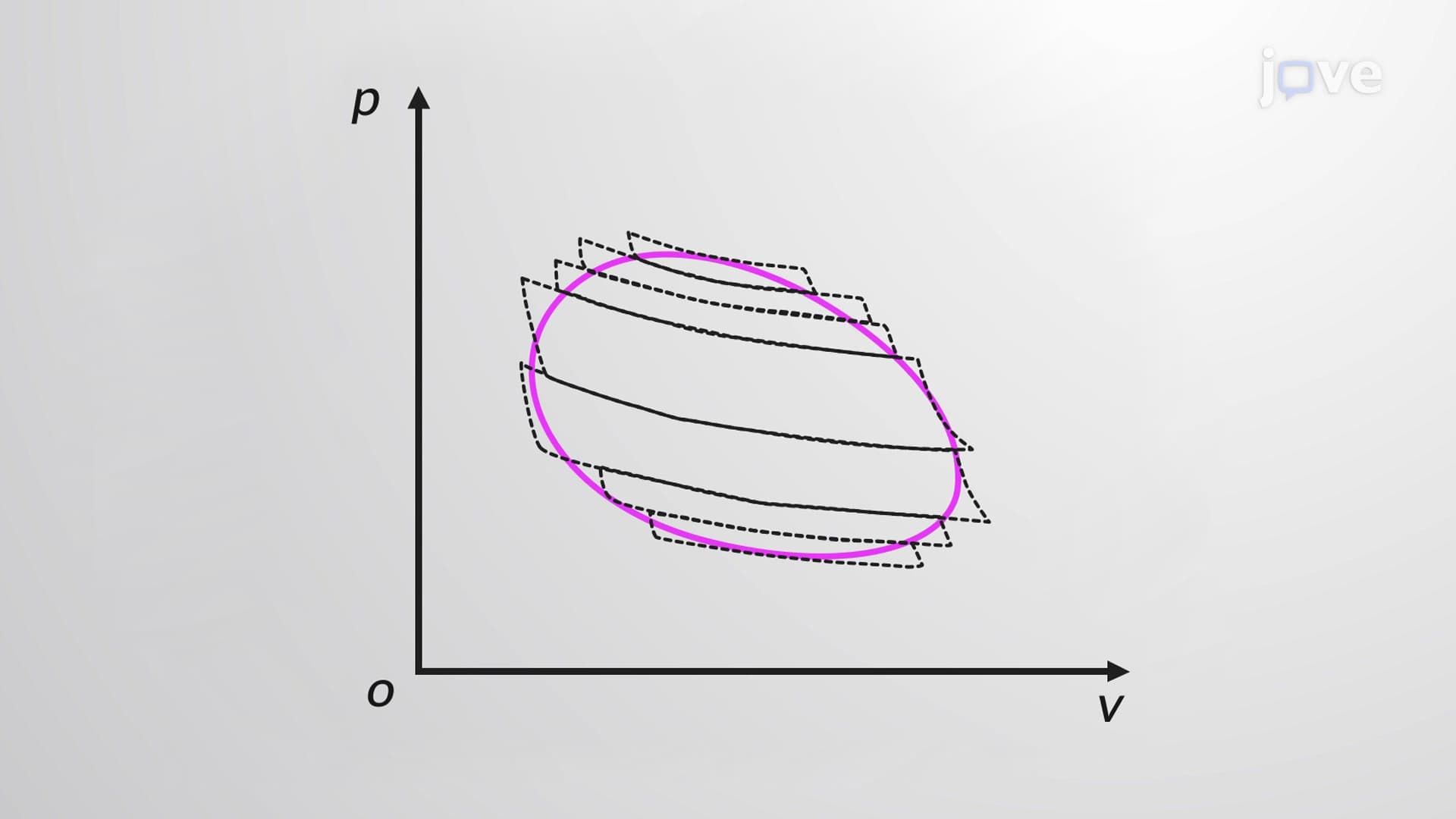
Both cycles appear frequently on AP Physics exams, college thermodynamics courses, and engineering licensing examinations. Students preparing for the Fundamentals of Engineering (FE) exam encounter detailed otto and diesel cycle problems requiring pressure-volume diagram analysis and efficiency calculations.
Related Micro-courses