Loading subject page…


39,014 views


Video Summary: What Is Reversible and Irreversible Processes
Did you know that when you drop an ice cube into your hot coffee at Starbucks, there's no way to naturally separate that thermal energy back out? Reversible and irreversible processes govern everything from your morning coffee cooling down to power plant efficiency across the United States. While irreversible processes like heat transfer occur naturally and cannot be undone, reversible processes represent ideal scenarios where systems can return to their original state through infinitesimally small steps. Understanding What is Reversible And Irreversible Processes helps explain why perpetual motion machines are impossible and why engineers focus on maximizing efficiency in real-world applications. Watch the full video on JoVE Coach to master this concept with expert-led visuals and step-by-step explanations.
Reversible and irreversible processes represent two fundamental categories that govern how energy and matter behave in our universe. This distinction forms the cornerstone of thermodynamics and directly impacts everything from car engine design to power plant efficiency across the United States. Understanding these concepts helps students grasp why certain natural phenomena occur spontaneously while others require external intervention.
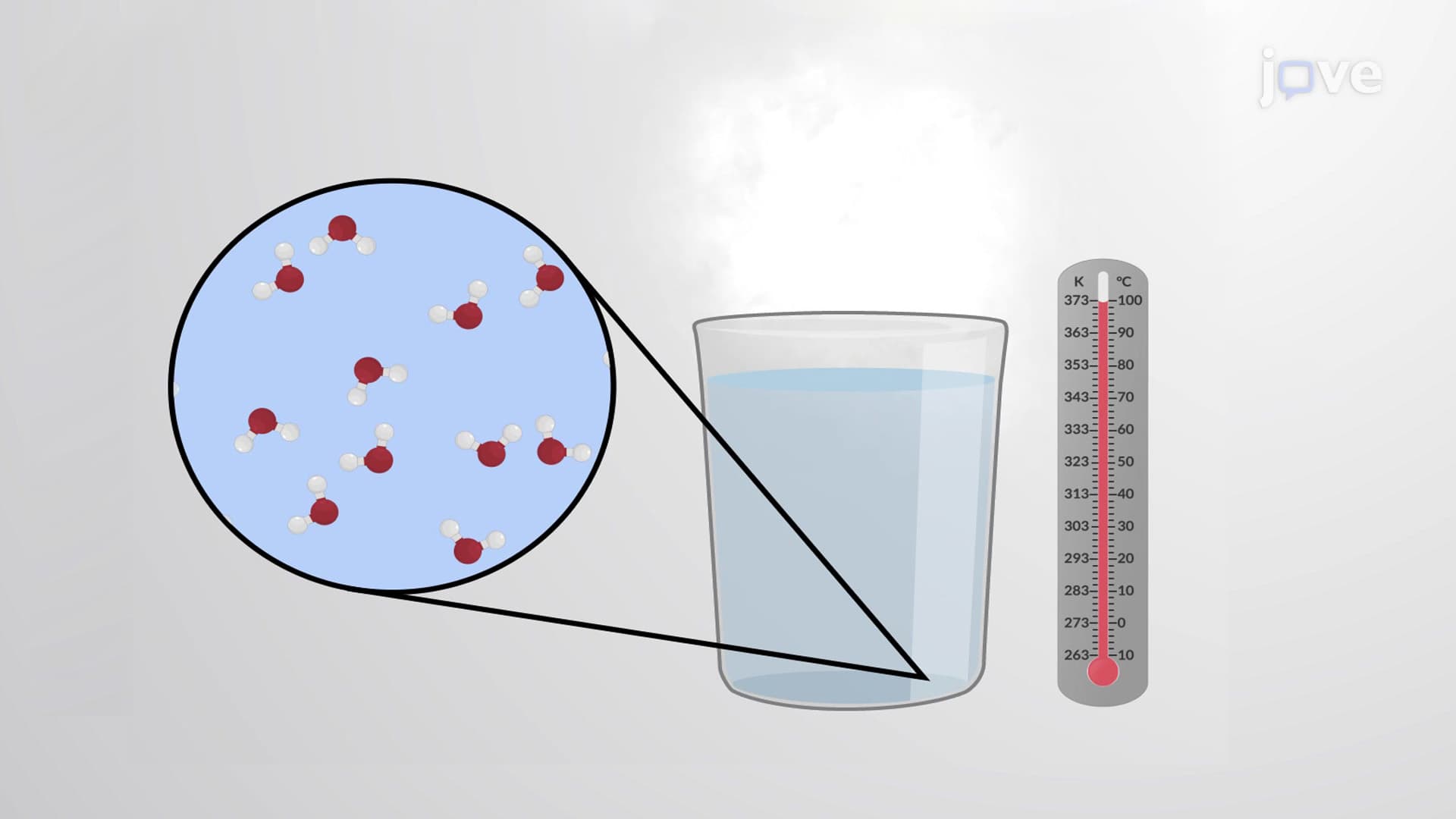
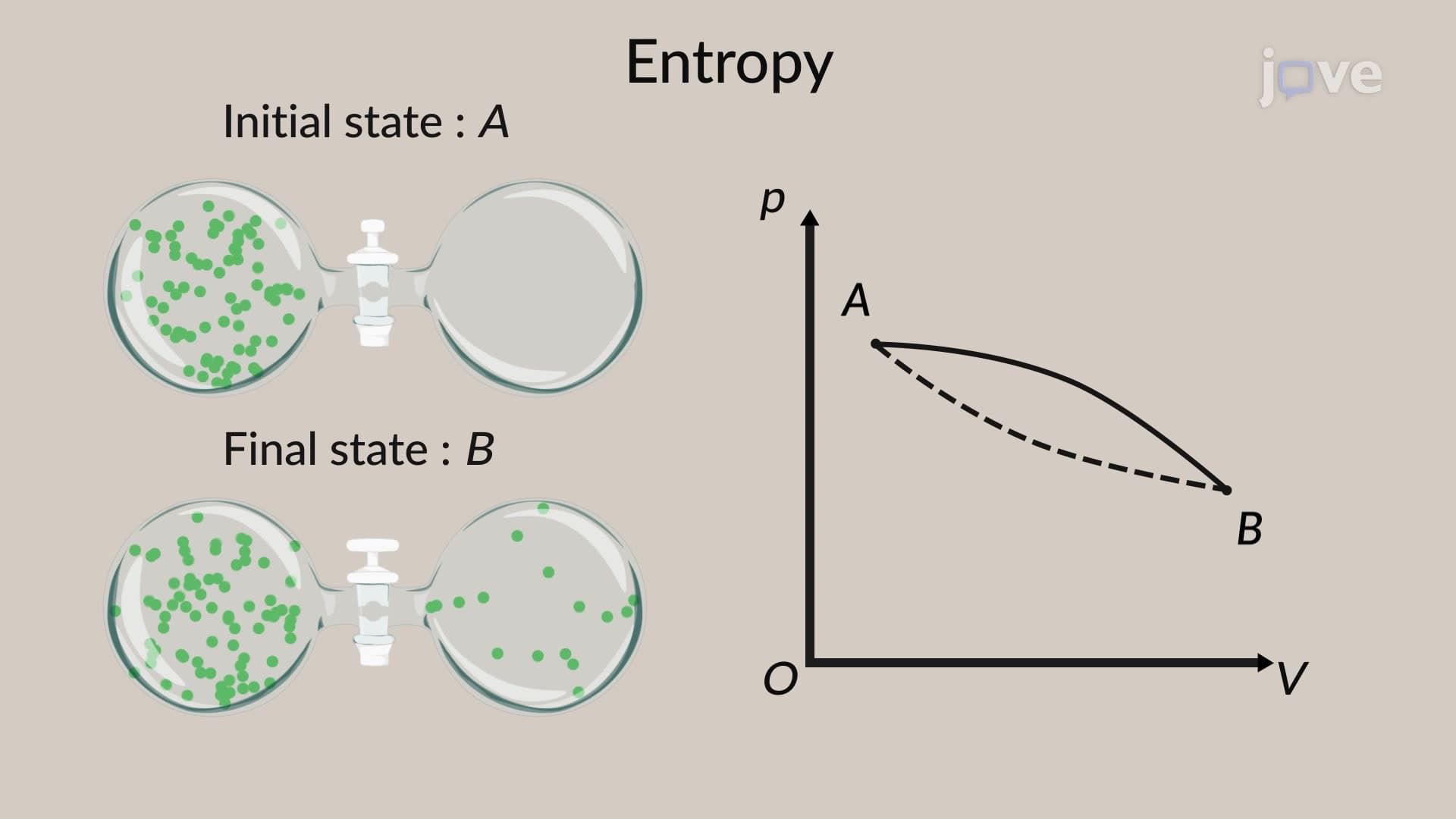
Irreversible processes dominate our natural world and cannot return to their original state without external intervention. When you brew coffee in your dorm room, heat flows from the hot coffee to the cooler air-never the reverse. Similarly, when automotive engineers design combustion engines, they account for irreversible heat loss that reduces fuel efficiency. The reversible and irreversible processes definition emphasizes that irreversible processes involve entropy increase, making them thermodynamically favored.
Common examples include:
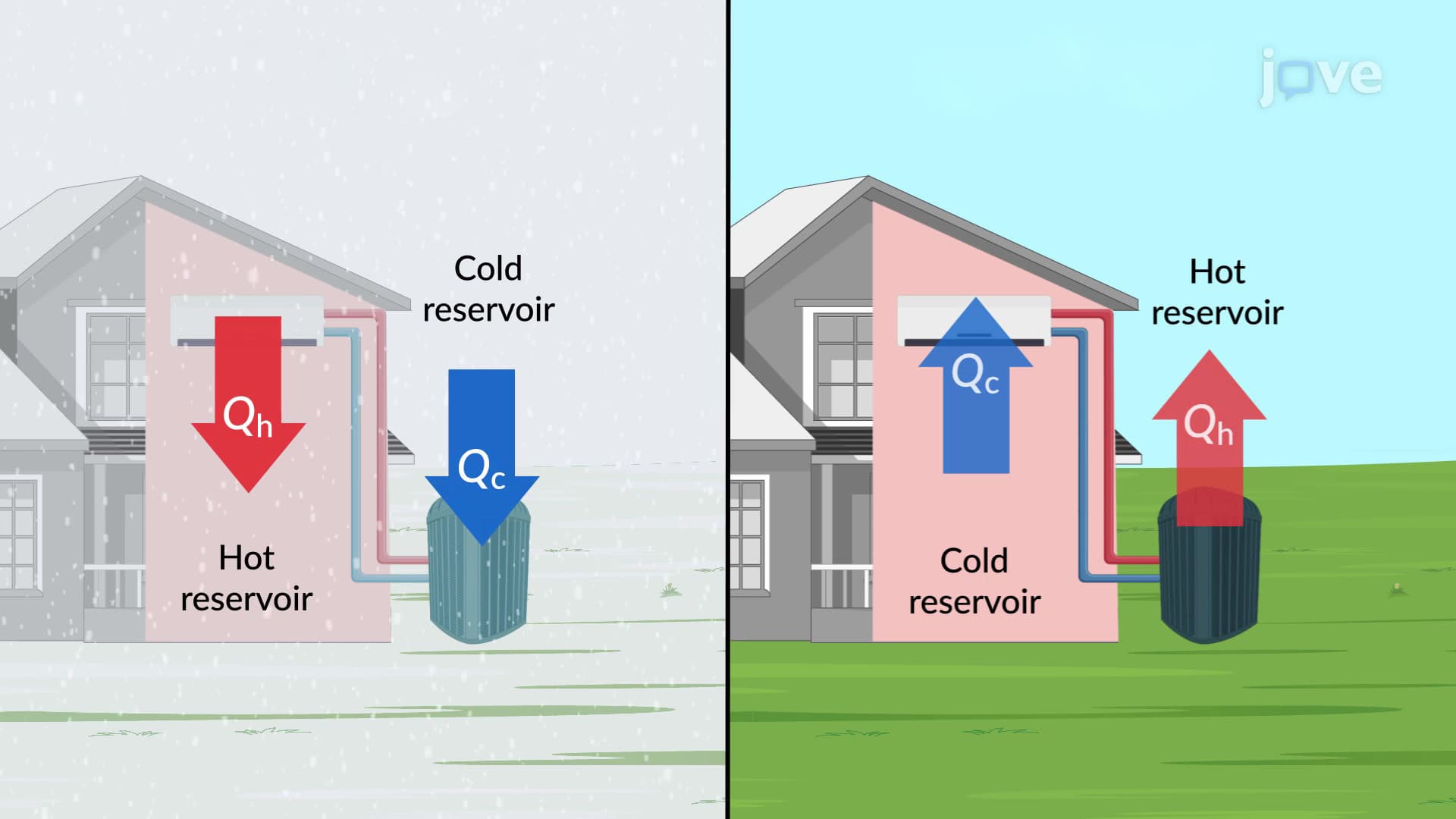
The second law of thermodynamics, particularly Clausius's statement, explains this behavior: heat never flows spontaneously from cold to hot objects. This principle underlies the design of every air conditioning system in American homes and every refrigeration unit in grocery stores.
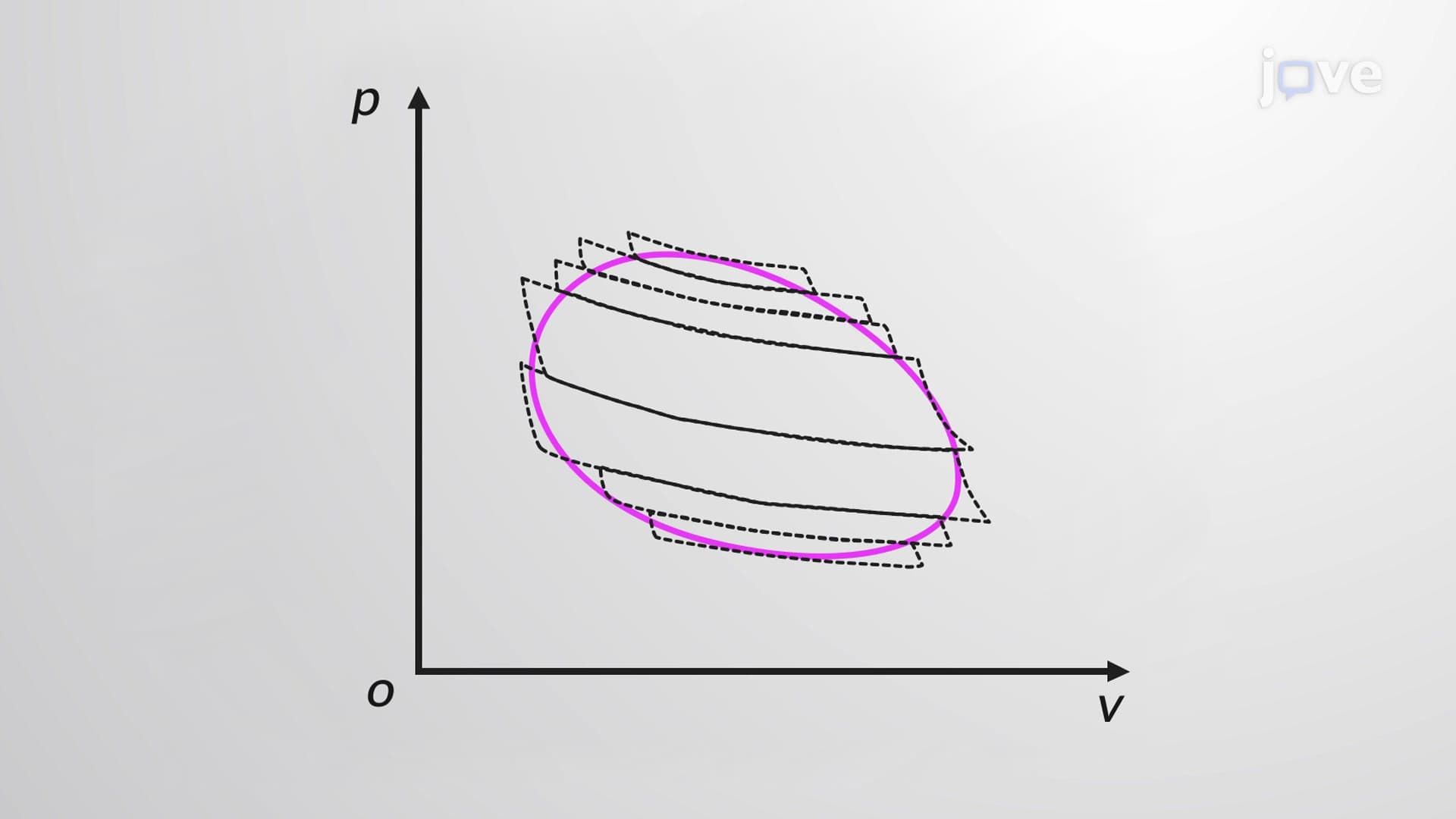
Reversible processes represent theoretical limits that engineers strive to approach in real-world applications. These processes occur through infinitesimally small steps, maintaining equilibrium throughout the transformation. While truly reversible processes cannot occur naturally, understanding them helps optimize system efficiency.
Consider a gas compression system where pressure changes occur gradually through tiny incremental adjustments. The system remains in quasi-static equilibrium, allowing the process to theoretically reverse its path. This concept guides the design of high-efficiency heat pumps and advanced power generation systems.
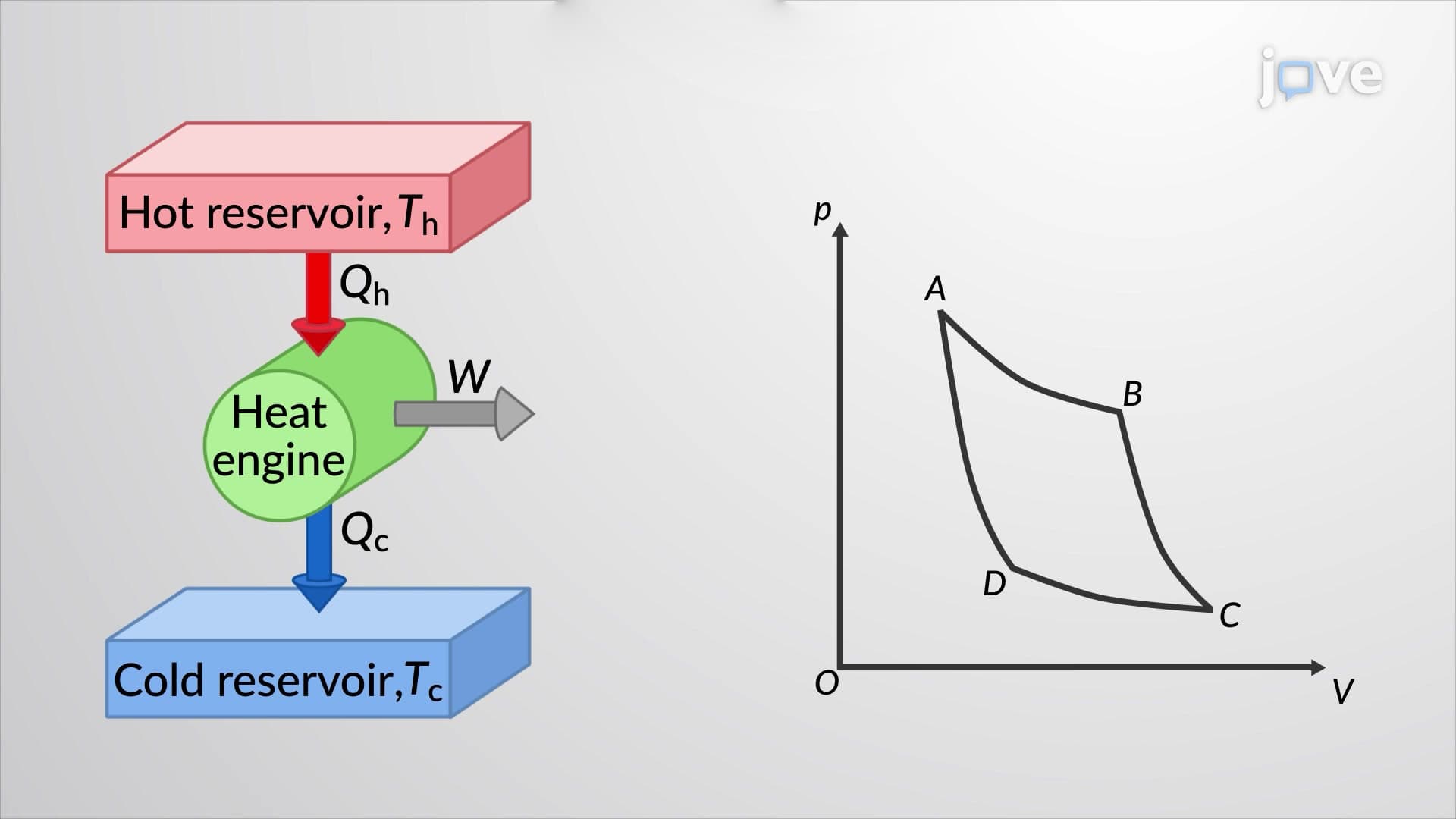
Students preparing for AP Chemistry, SAT Subject Tests, or college-level thermodynamics courses frequently encounter problems comparing reversible and irreversible processes. MCAT preparation often includes questions about entropy changes and process efficiency. Engineering students studying for college midterms analyze Carnot cycles, which represent reversible heat engines that establish maximum theoretical efficiency limits.
Understanding what is reversible and irreversible processes in detail proves essential for careers in mechanical engineering, chemical processing, and energy technology-rapidly growing fields in the American job market.
Related Micro-courses