Loading subject page…


61,302 views

Video Summary: What are Caspases
Every second, millions of cells in your body undergo programmed death to maintain tissue health-a process disrupted in diseases like cancer affecting over 600,000 Americans annually. Caspases are the molecular executioners that orchestrate this cellular suicide through precise protein cleavage. These cysteine-dependent proteases exist as initiator and effector types, working in a cascade to systematically dismantle cells during apoptosis. Watch the full video on JoVE Coach to master this concept with expert-led visuals and step-by-step explanations.
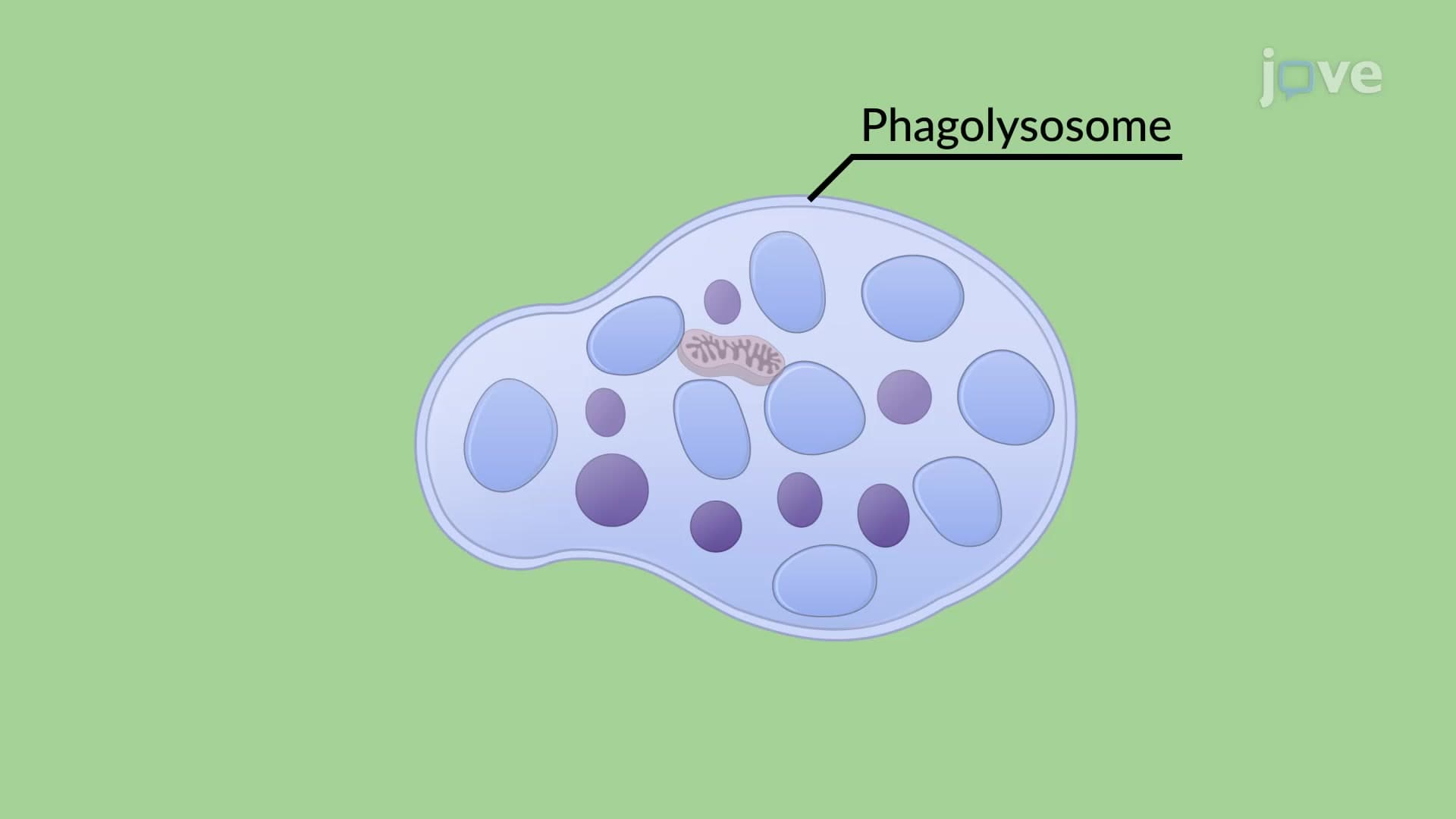
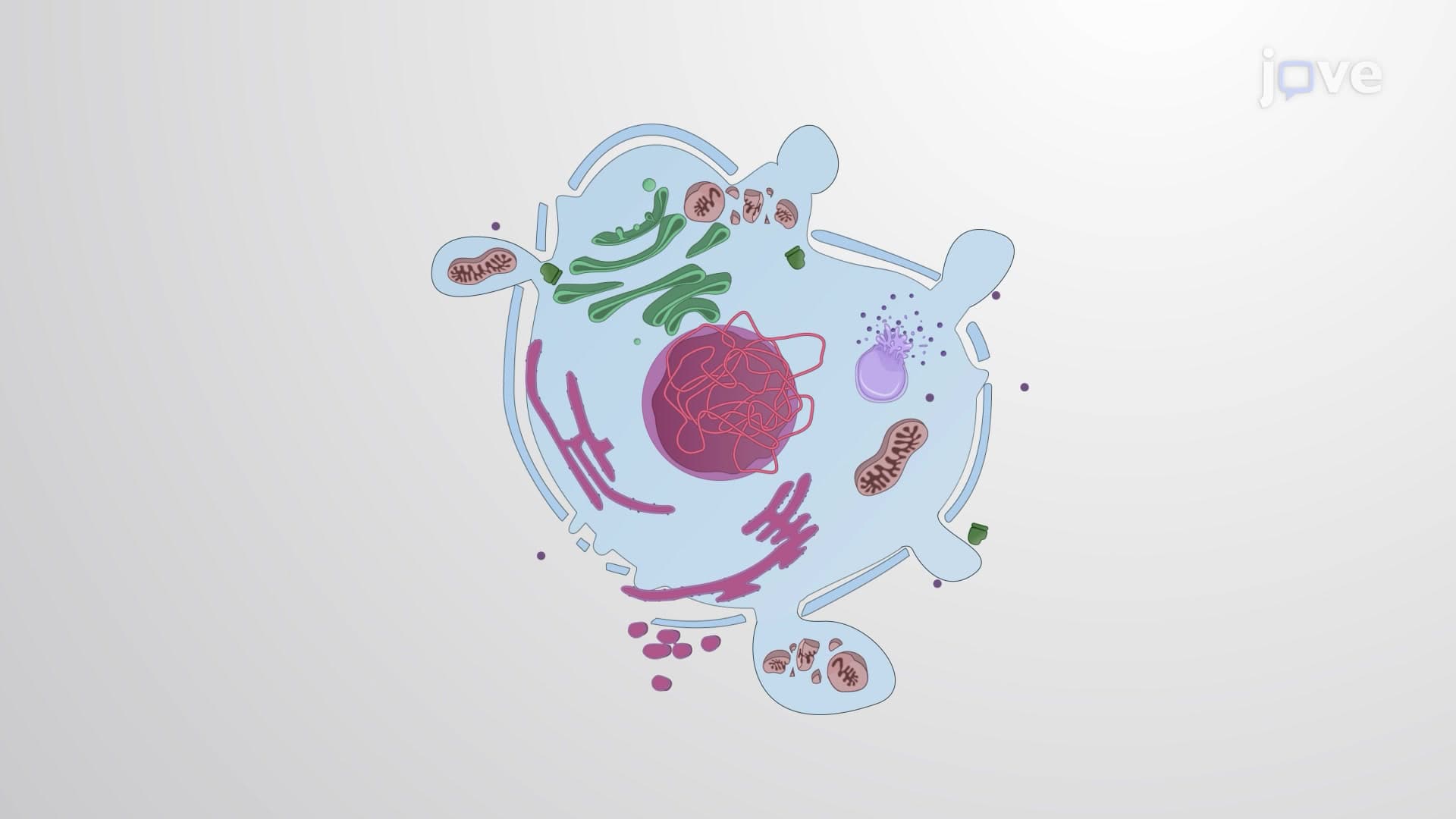
Caspases represent one of biology's most precisely regulated killing machines. These enzymes don't randomly destroy cells-they execute a carefully orchestrated program that maintains tissue homeostasis. In the human body, approximately 50-70 billion cells die daily through caspase-mediated apoptosis, from skin cells sloughing off to immune cells completing their patrol duties.
The name "caspase" reflects their biochemical precision: cysteine-dependent aspartate-specific proteases. This specificity means caspases exclusively cleave proteins after aspartic acid residues, creating predictable fragmentation patterns that researchers exploit in laboratory assays and clinical diagnostics.
The types of caspases function like a military chain of command. Initiator caspases (caspases-8, -9, and -10) serve as the generals, receiving and processing death signals from cellular stress, DNA damage, or external factors like chemotherapy drugs used in cancer treatment at institutions like MD Anderson Cancer Center.
Executioner caspases (caspases-3, -6, and -7) act as specialized units, each targeting specific cellular components. Caspase-3, often called the "executioner caspase," cleaves over 400 different proteins, including cytoskeletal elements that give cells their shape and DNA repair enzymes that normally protect genetic integrity.
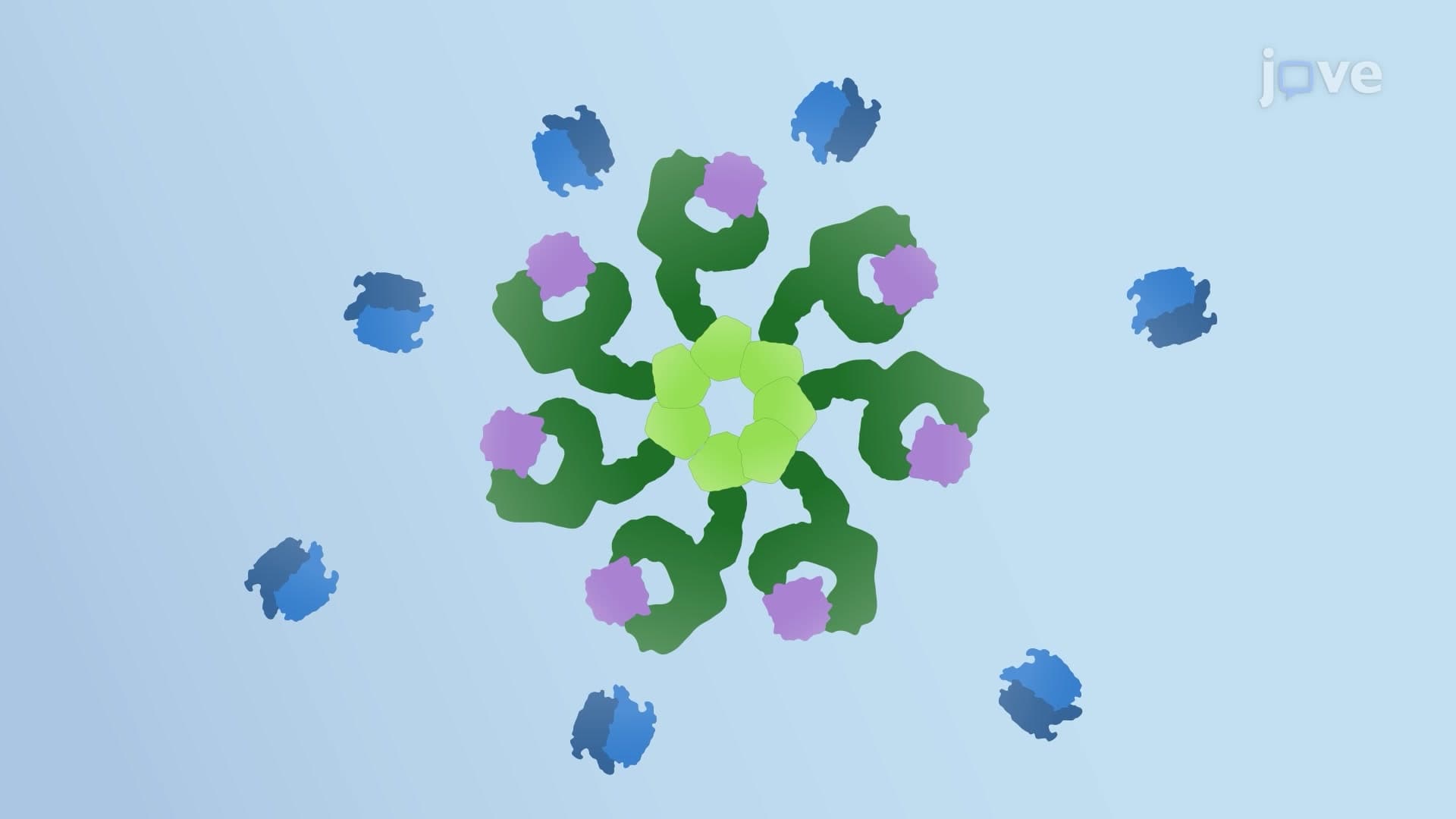
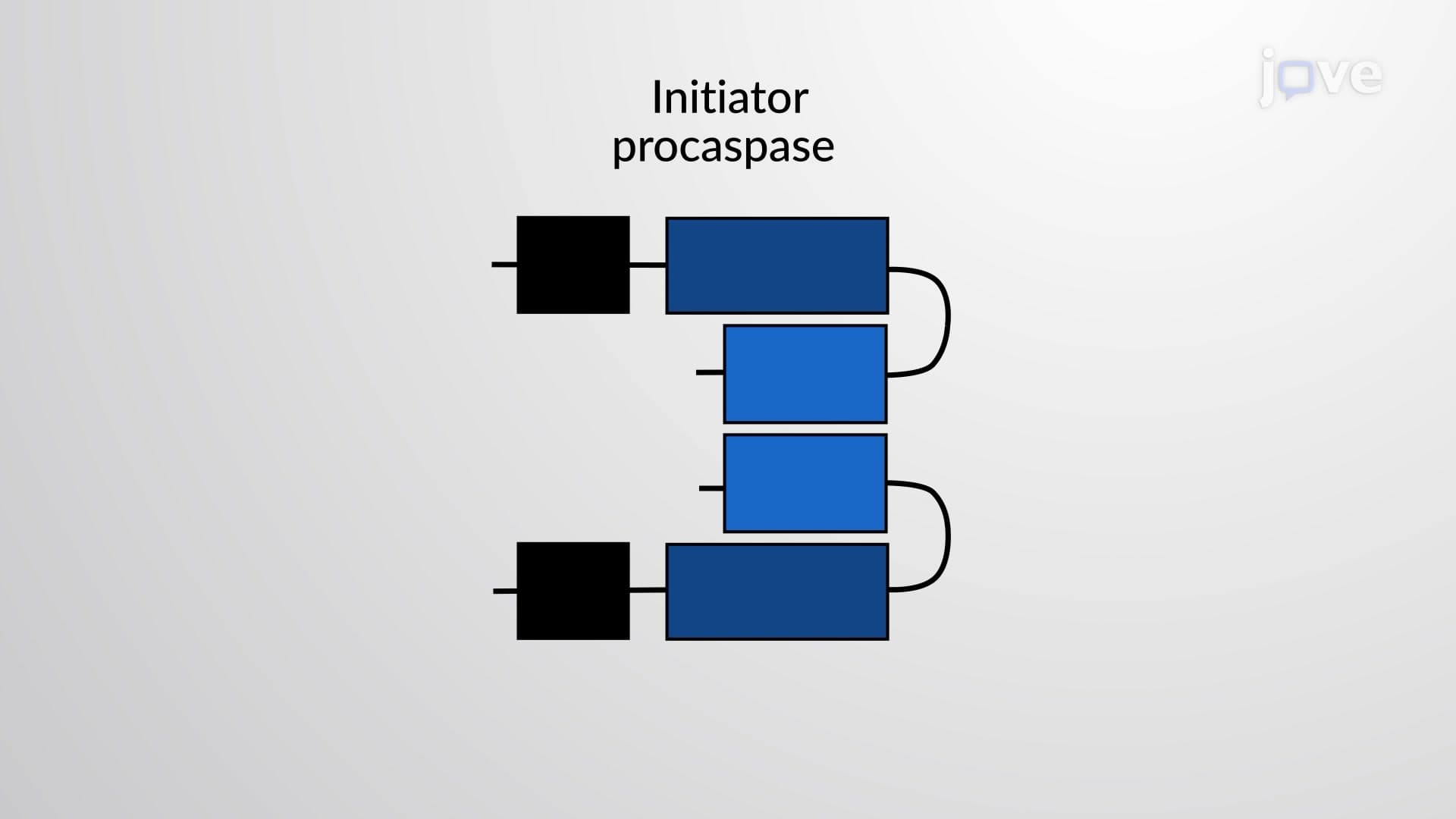
The caspase activation process resembles a carefully timed demolition. Initially, all caspases exist as inactive procaspases-think of them as safety-locked weapons. When death signals activate initiator caspases through dimerization, these enzymes undergo conformational changes that expose their active sites.
This activation triggers a proteolytic cascade where initiator caspases cleave and activate executioner procaspases. The result is exponential amplification-one activated initiator caspase can activate hundreds of executioner caspases, ensuring rapid and complete cell death once the process begins.
Understanding caspases proves essential for students preparing for the MCAT, where apoptosis questions frequently appear in the biological sciences section. AP Biology students encounter caspases when studying cell cycle regulation and cancer biology. In college biochemistry courses, caspase mechanisms illustrate enzyme specificity, allosteric regulation, and signal transduction principles.
Clinically, caspase research drives therapeutic development. Caspase inhibitors show promise for treating neurodegenerative diseases like Alzheimer's, where excessive cell death contributes to cognitive decline. Conversely, cancer researchers develop compounds that activate caspases in treatment-resistant tumors.
Related Micro-courses