Loading video…


 10 Concepts
 58.7K views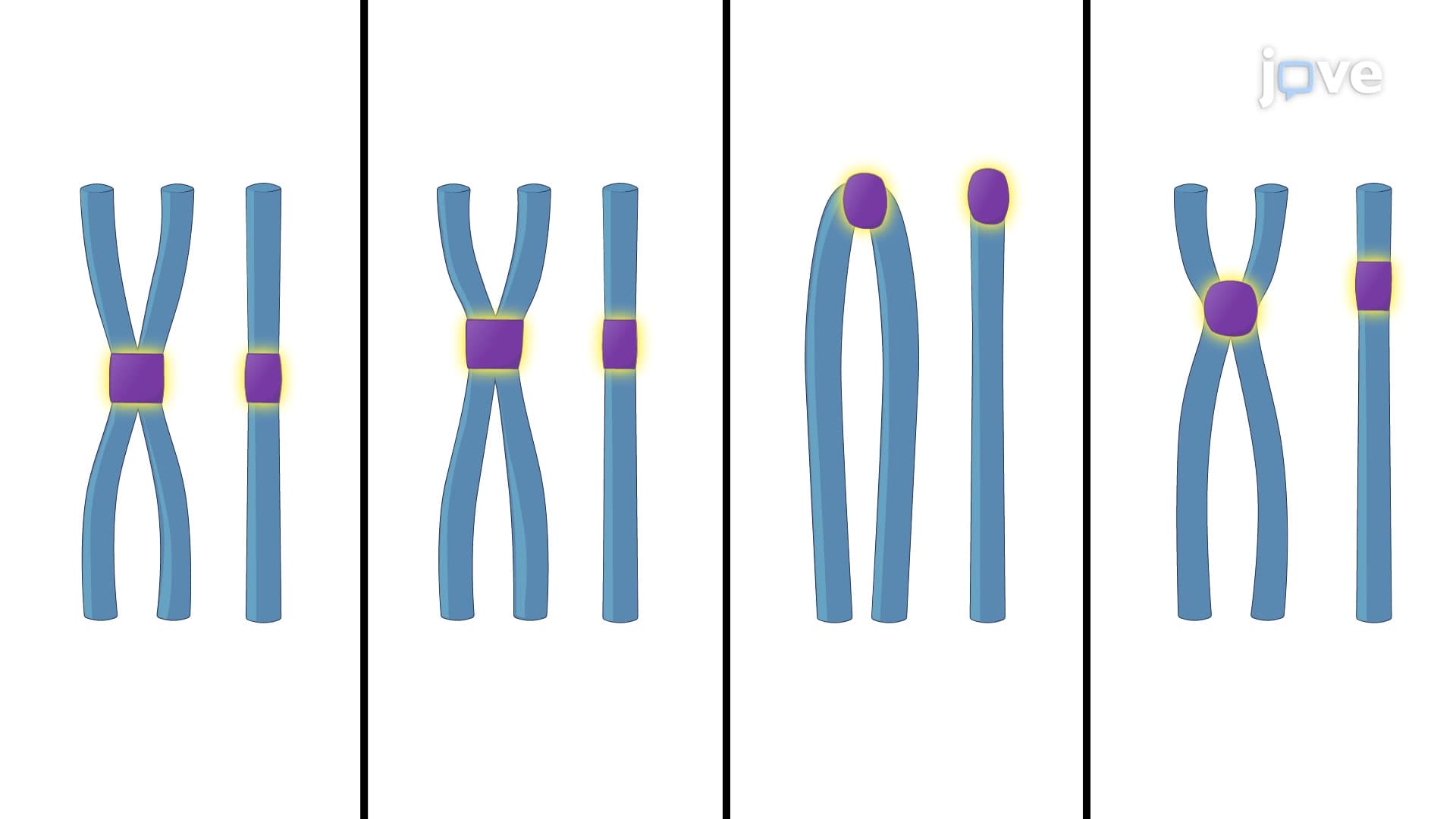

Video Summary: What Is Chromosome Structure
Did you know that if you unraveled all the DNA in a single human cell, it would stretch over 6 feet long, yet it fits perfectly inside a nucleus smaller than a pinhead? Chromosome structure is the ingenious biological solution that makes this possible through highly organized DNA packaging systems. Understanding what is chromosome structure becomes crucial when studying genetic disorders like Down syndrome, which affects approximately 400,000 Americans due to chromosomal abnormalities. Watch the full video on JoVE Coach to master this concept with expert-led visuals and step-by-step explanations.
Chromosome structure represents one of biology's most elegant solutions to a complex storage problem. The human genome contains approximately 3.2 billion base pairs of DNA, which must be packaged, protected, and made accessible for cellular processes. This chromosome structure biology explained begins with the fundamental unit called chromatin-a dynamic complex of DNA and proteins that undergoes constant reorganization.
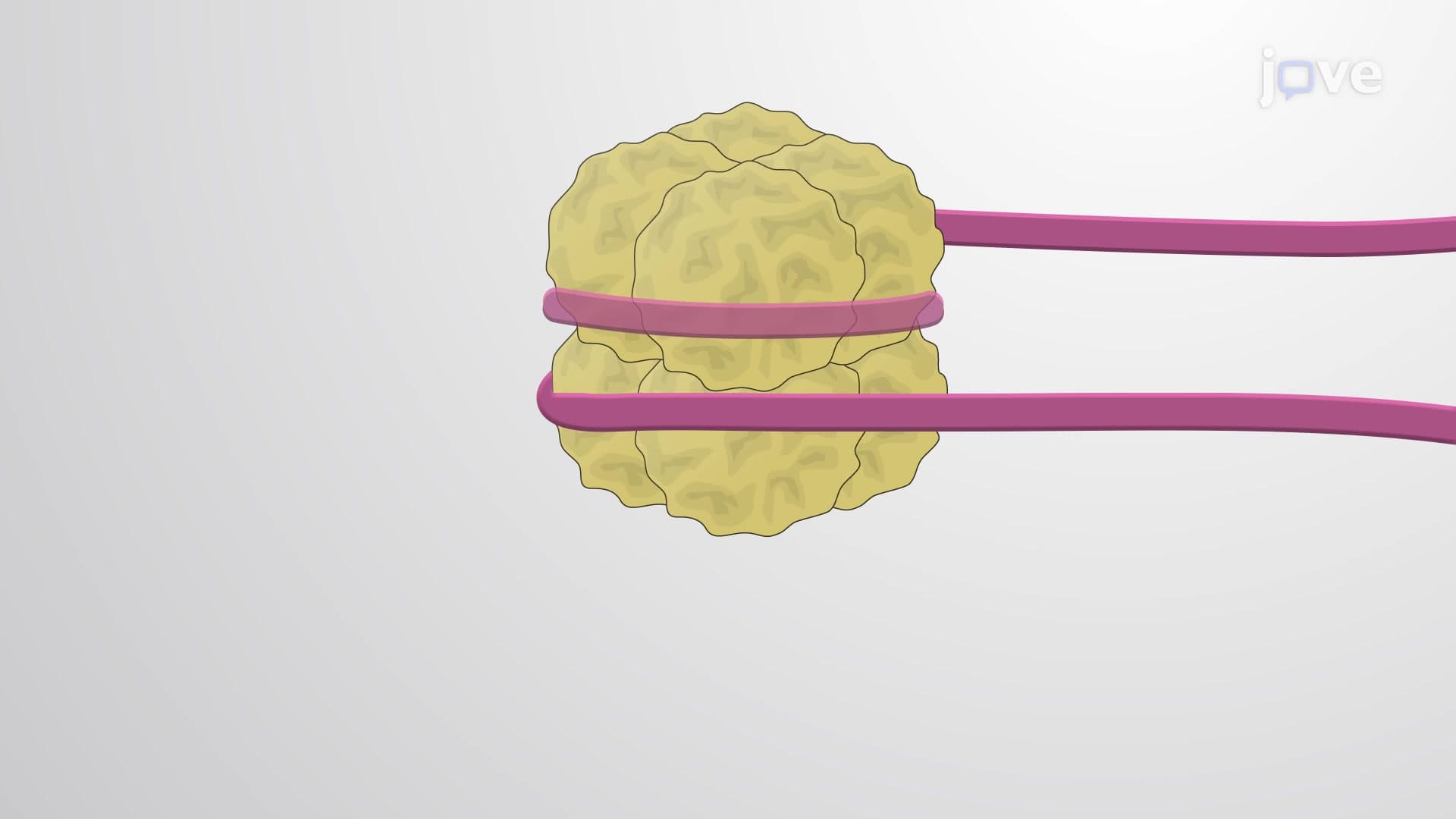
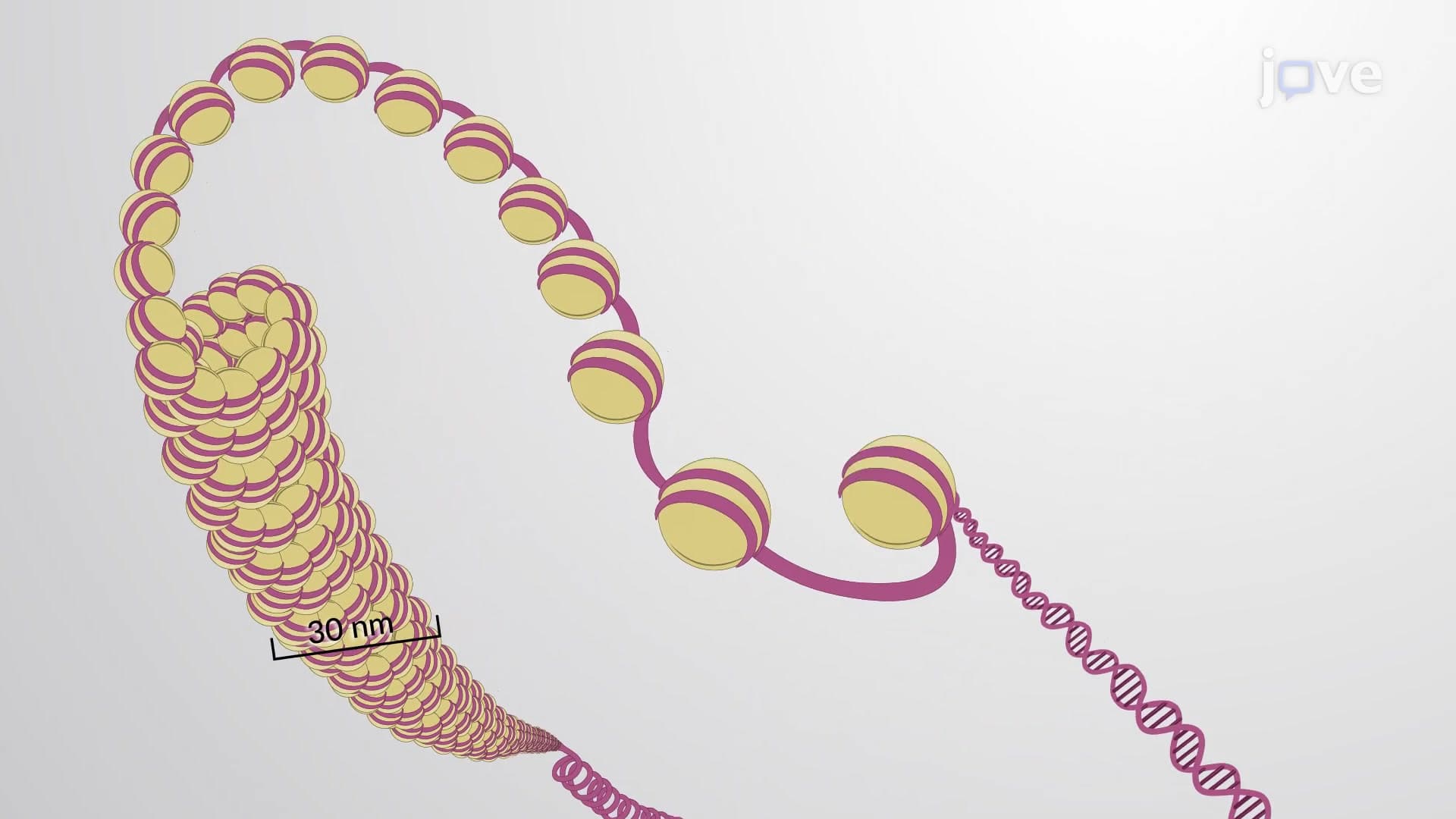
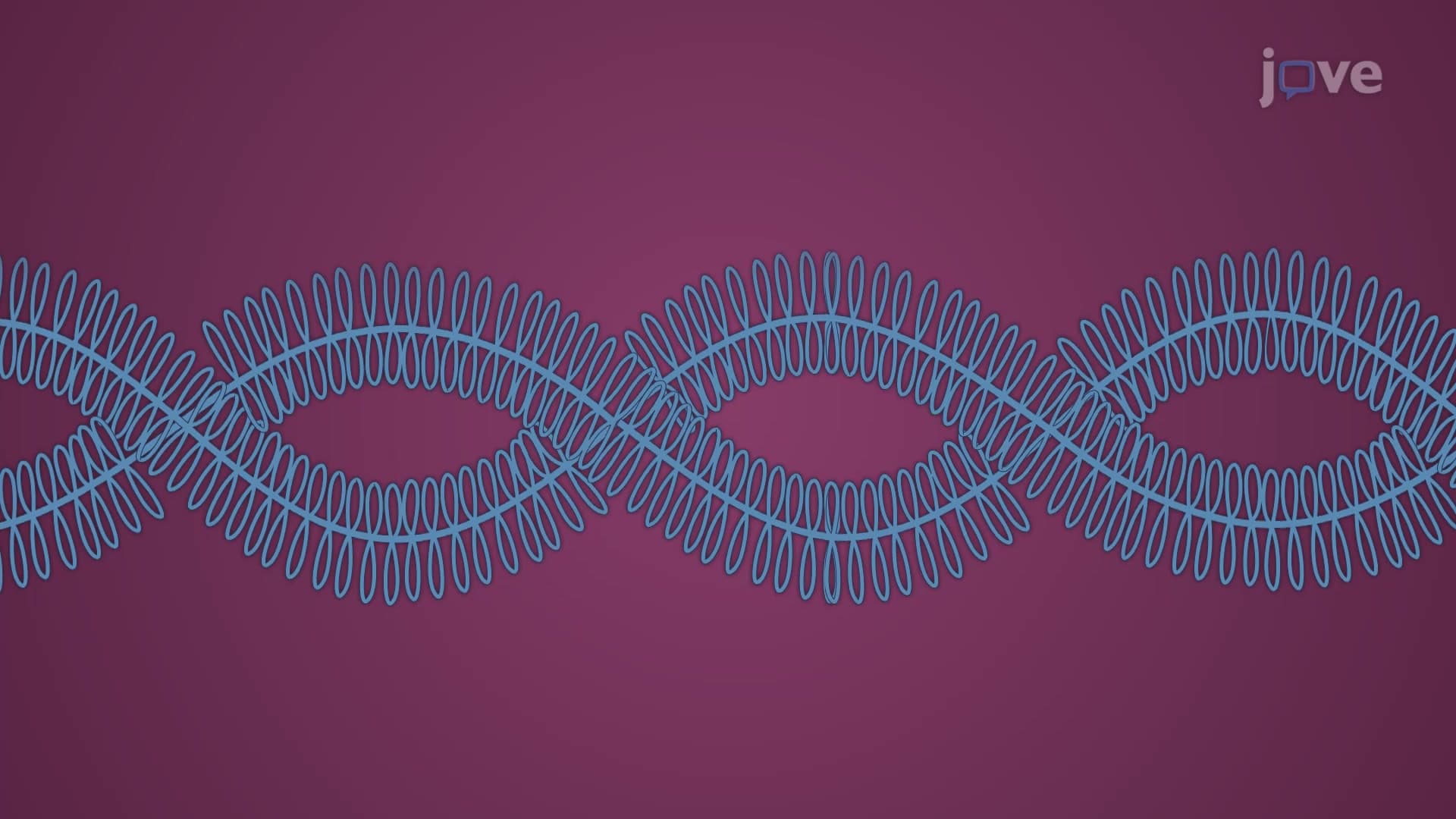
The chromosome structure definition encompasses multiple levels of organization. At the most basic level, DNA wraps around histone proteins to form nucleosomes, creating a "beads-on-a-string" appearance under electron microscopy. These nucleosomes contain approximately 147 base pairs of DNA wrapped 1.65 times around an octamer of histone proteins (H2A, H2B, H3, and H4). This initial packaging reduces DNA length by about sevenfold.
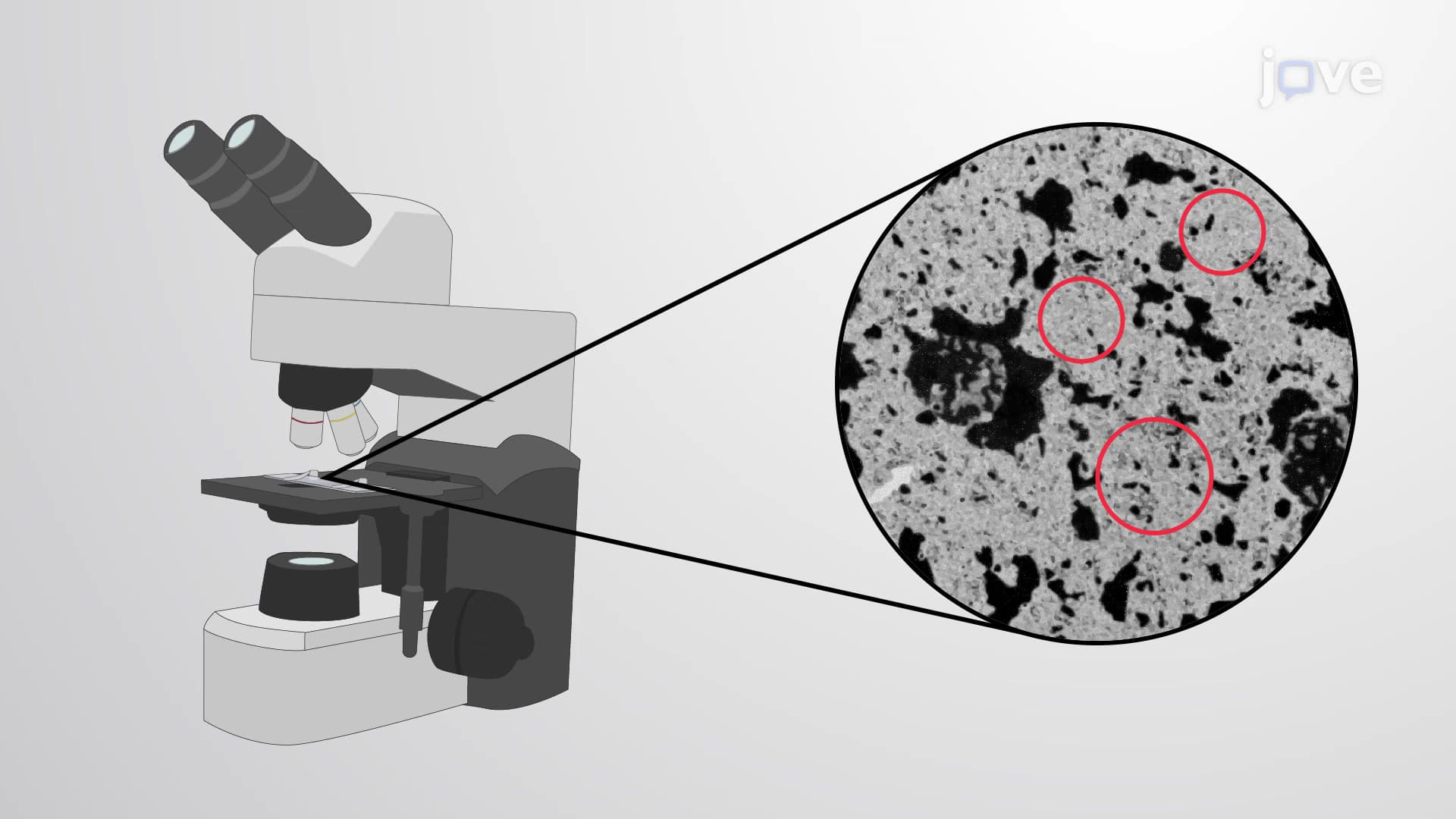
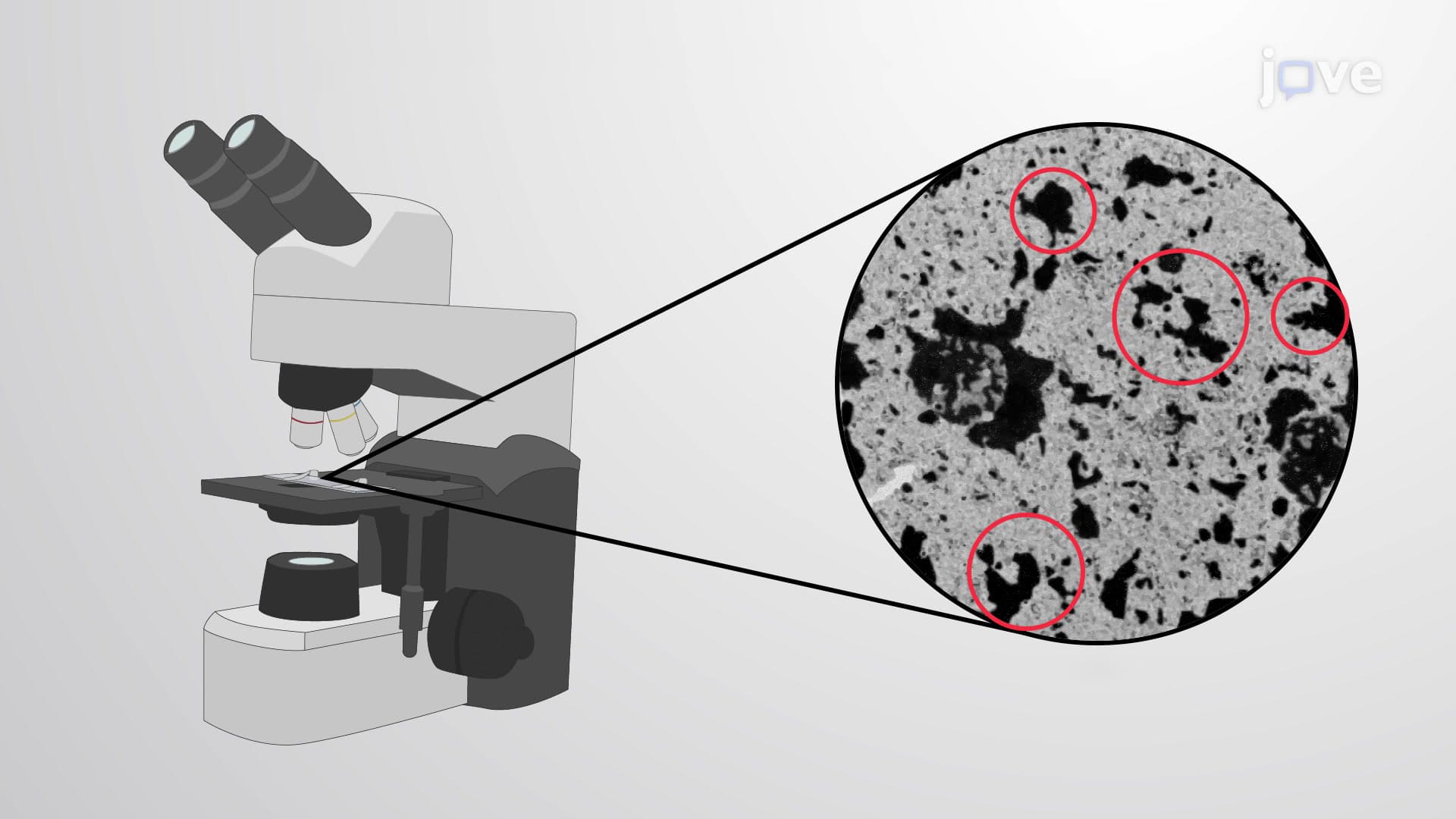
Higher-order structures emerge as nucleosomes compact further through interactions with histone H1 and other chromosomal proteins. The 30-nanometer chromatin fiber, though still debated in its exact structure, represents an intermediate level of compaction. During cell division, chromosomes achieve maximum condensation-up to 10,000-fold compaction-making them visible under standard light microscopy.
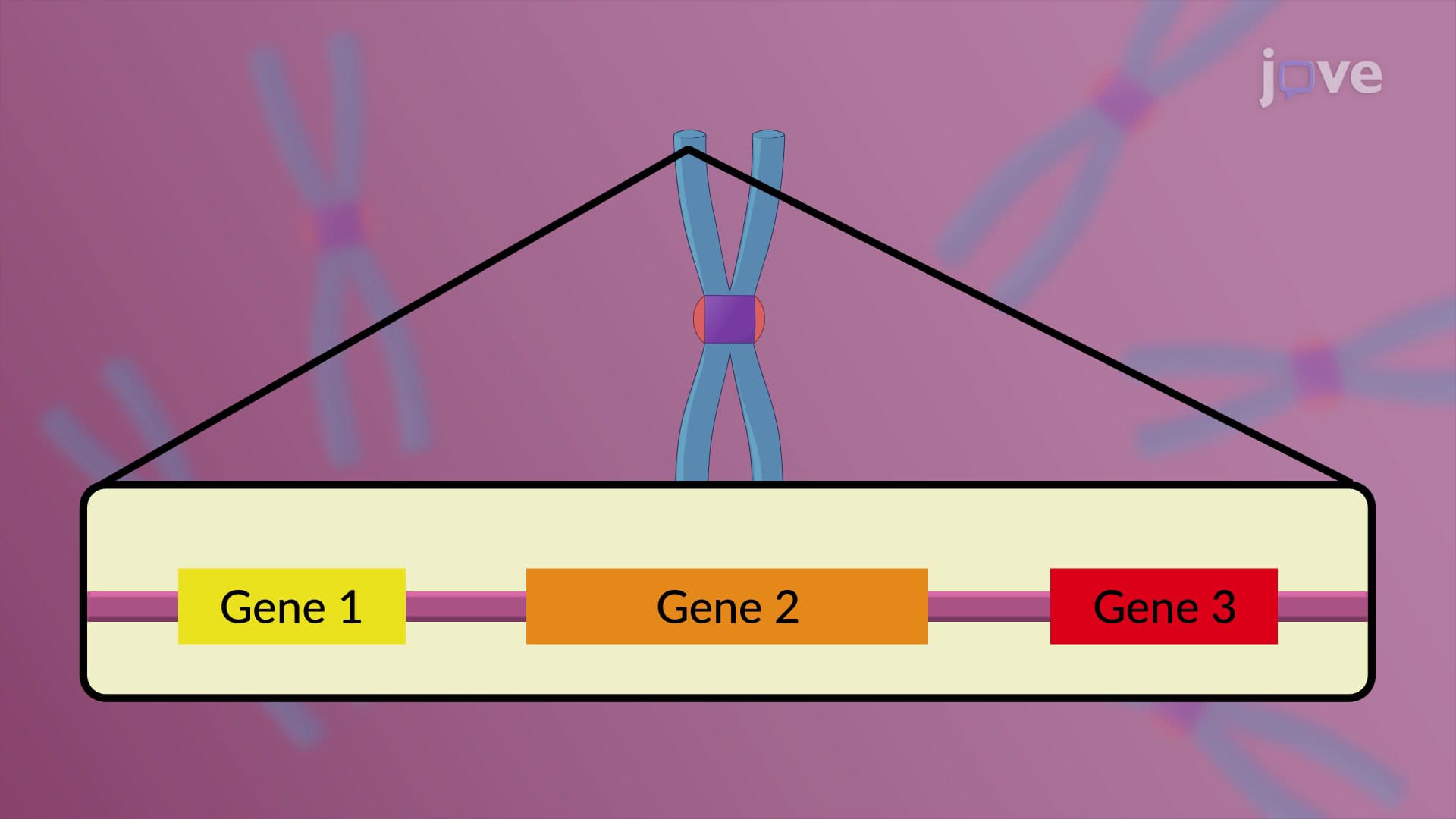
Critical chromosomal regions include centromeres, which serve as attachment points for spindle fibers during cell division, and telomeres, protective DNA-protein structures that prevent chromosome degradation. Understanding these structures proves essential for students preparing for the MCAT Biology section or AP Biology exams, where chromosome structure questions frequently appear.
In clinical settings, chromosome structure analysis through karyotyping helps diagnose genetic conditions. For example, the Philadelphia chromosome-a translocation between chromosomes 9 and 22-serves as a diagnostic marker for chronic myeloid leukemia, affecting approximately 5,000-6,000 Americans annually. Similarly, structural chromosomal abnormalities account for roughly 50% of first-trimester pregnancy losses in the United States.
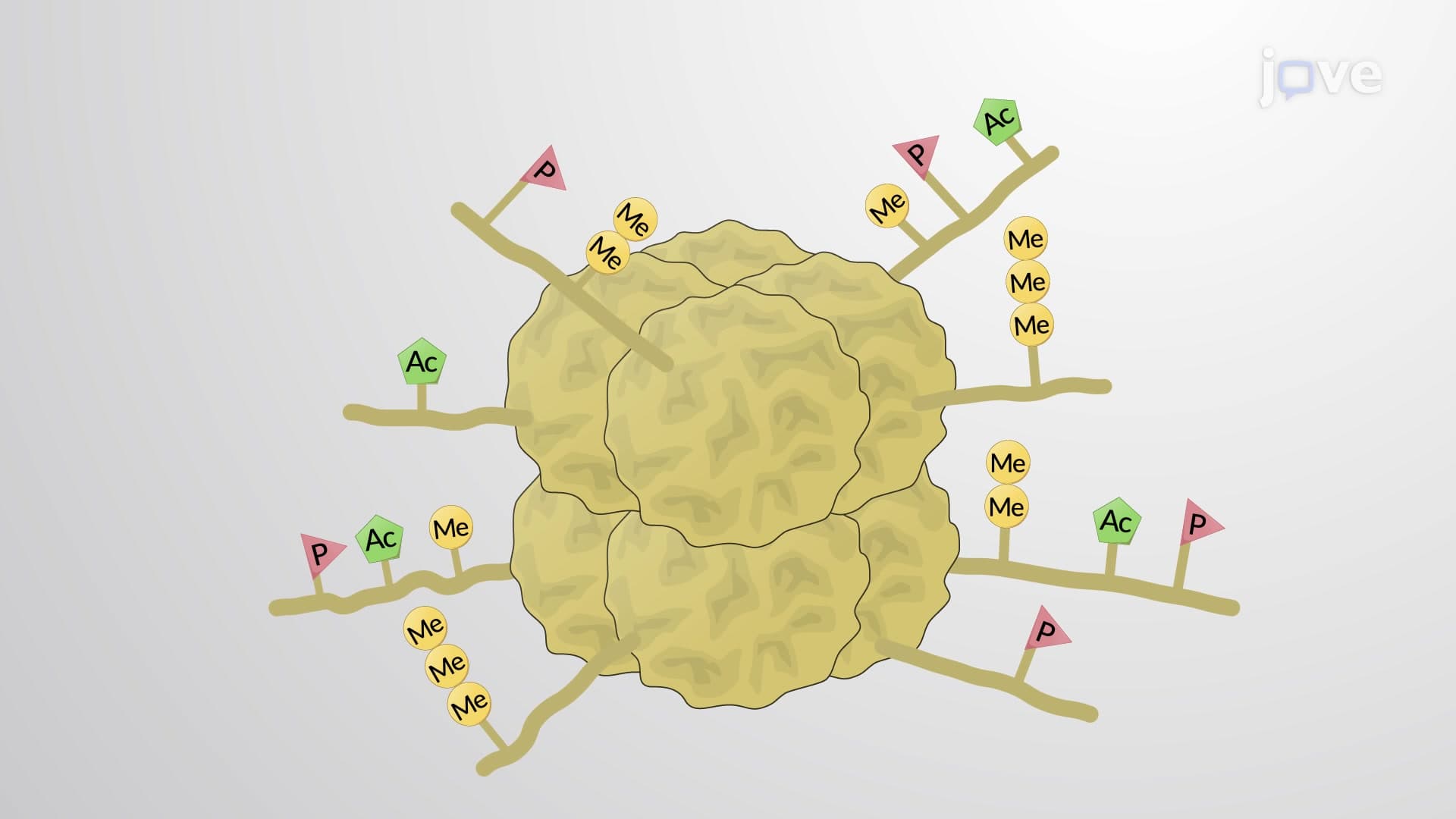
Current research reveals that chromosome structure isn't static but dynamically responds to cellular needs through chromatin remodeling complexes. These ATP-dependent enzymes alter histone-DNA contacts, making specific genes accessible for transcription. Epigenetic modifications, including histone methylation and acetylation, create heritable changes in gene expression without altering DNA sequence-a concept increasingly important in understanding diseases like cancer and neurological disorders.
Related Micro-courses