Loading video…


 10 Concepts
 58.7K views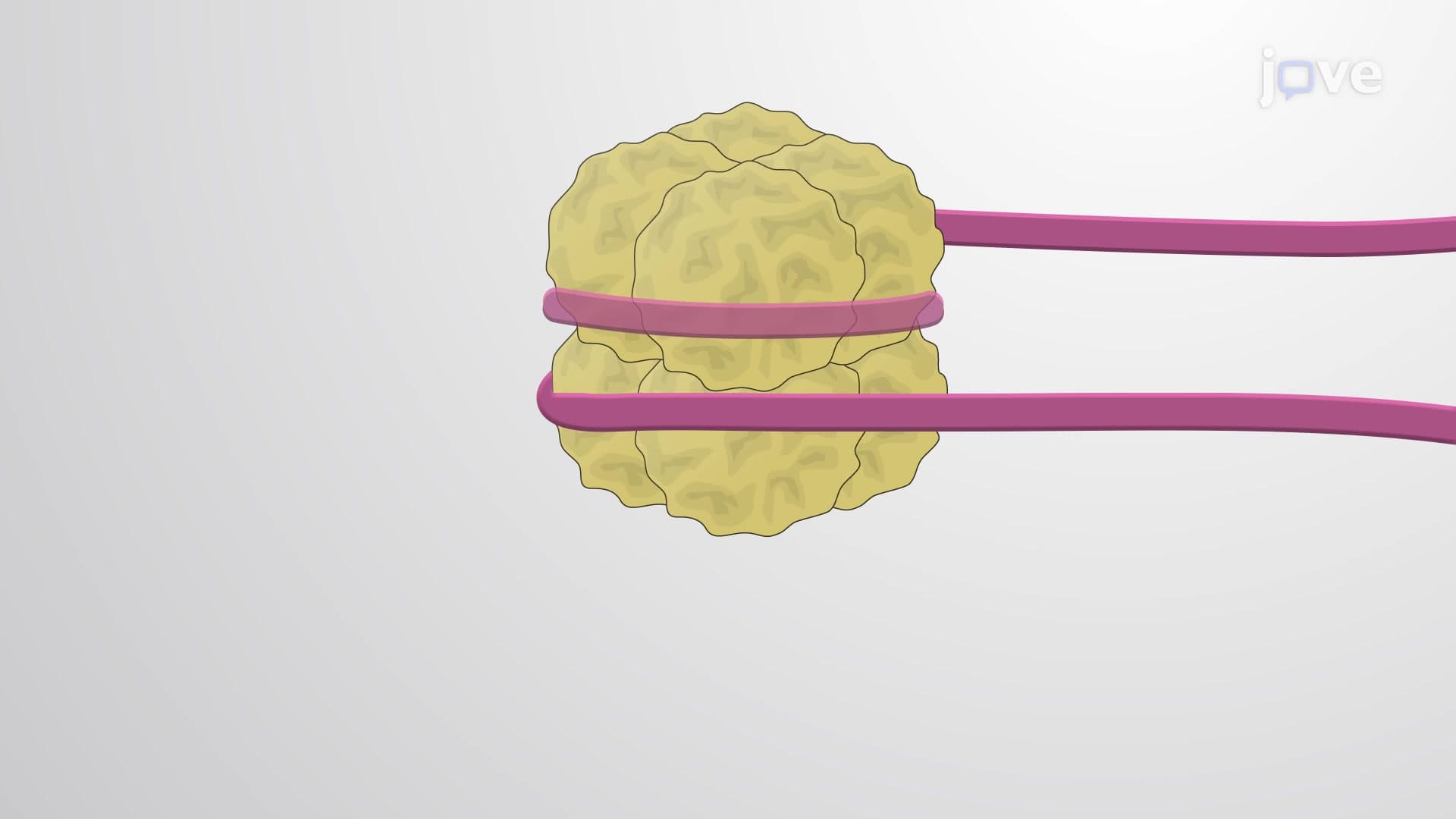

Video Summary: What Is the Nucleosome
Did you know that if you stretched out all the DNA in just one human cell, it would reach about 6 feet long, yet it fits into a microscopic nucleus? The nucleosome explained biology reveals how this incredible feat of molecular origami works. These bead-like structures act as nature's DNA spools, allowing cells to pack genetic information efficiently while controlling gene expression. At Stanford University's medical research labs, scientists study nucleosomes to understand cancer development and potential treatments. Watch the full video on JoVE Coach to master this concept with expert-led visuals and step-by-step explanations.
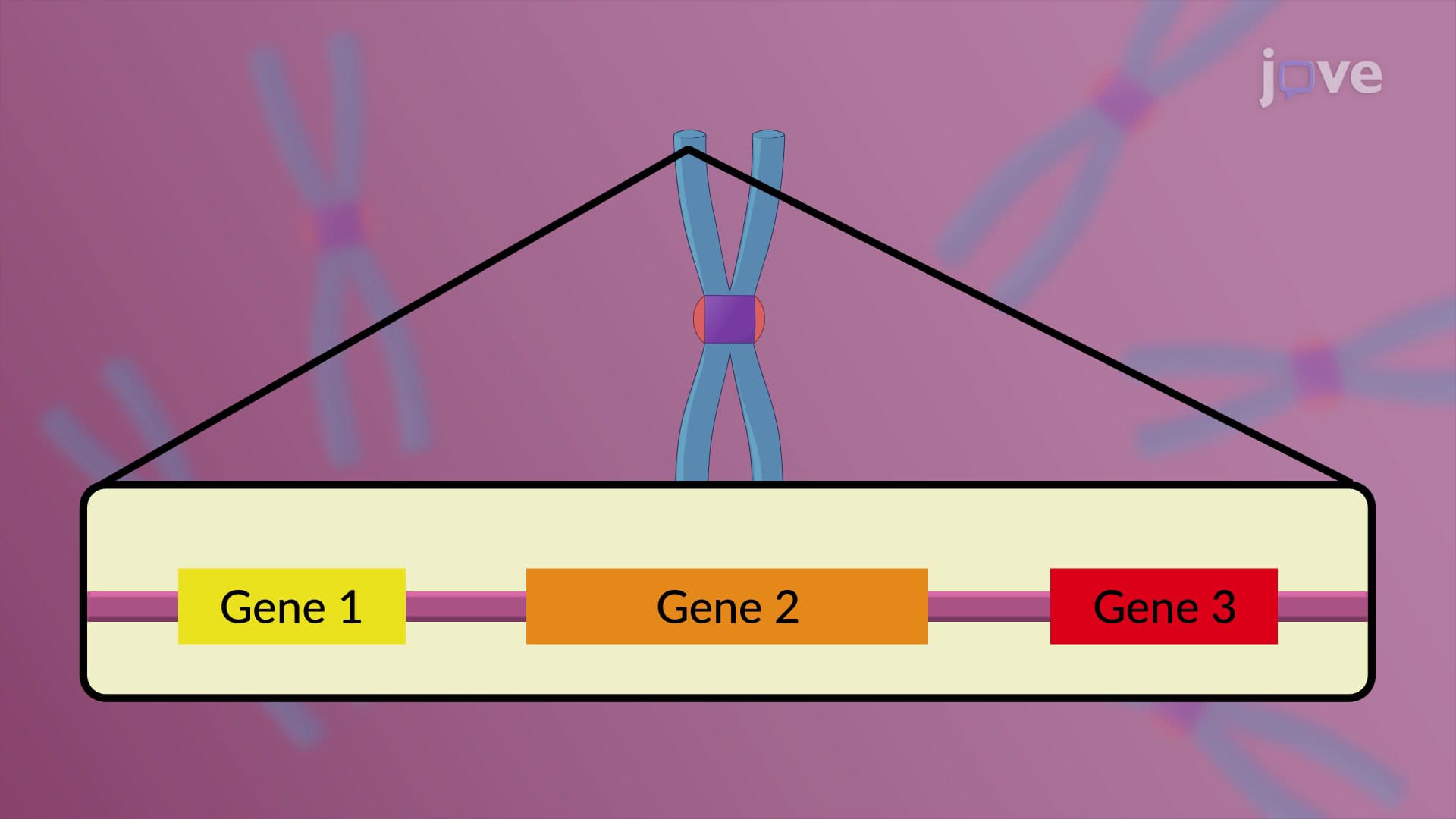
The nucleosome represents one of biology's most elegant solutions to a massive storage problem. Imagine trying to stuff 200 miles of thread into a tennis ball while maintaining the ability to access specific sections instantly-that's essentially what nucleosomes accomplish with DNA in every cell nucleus.
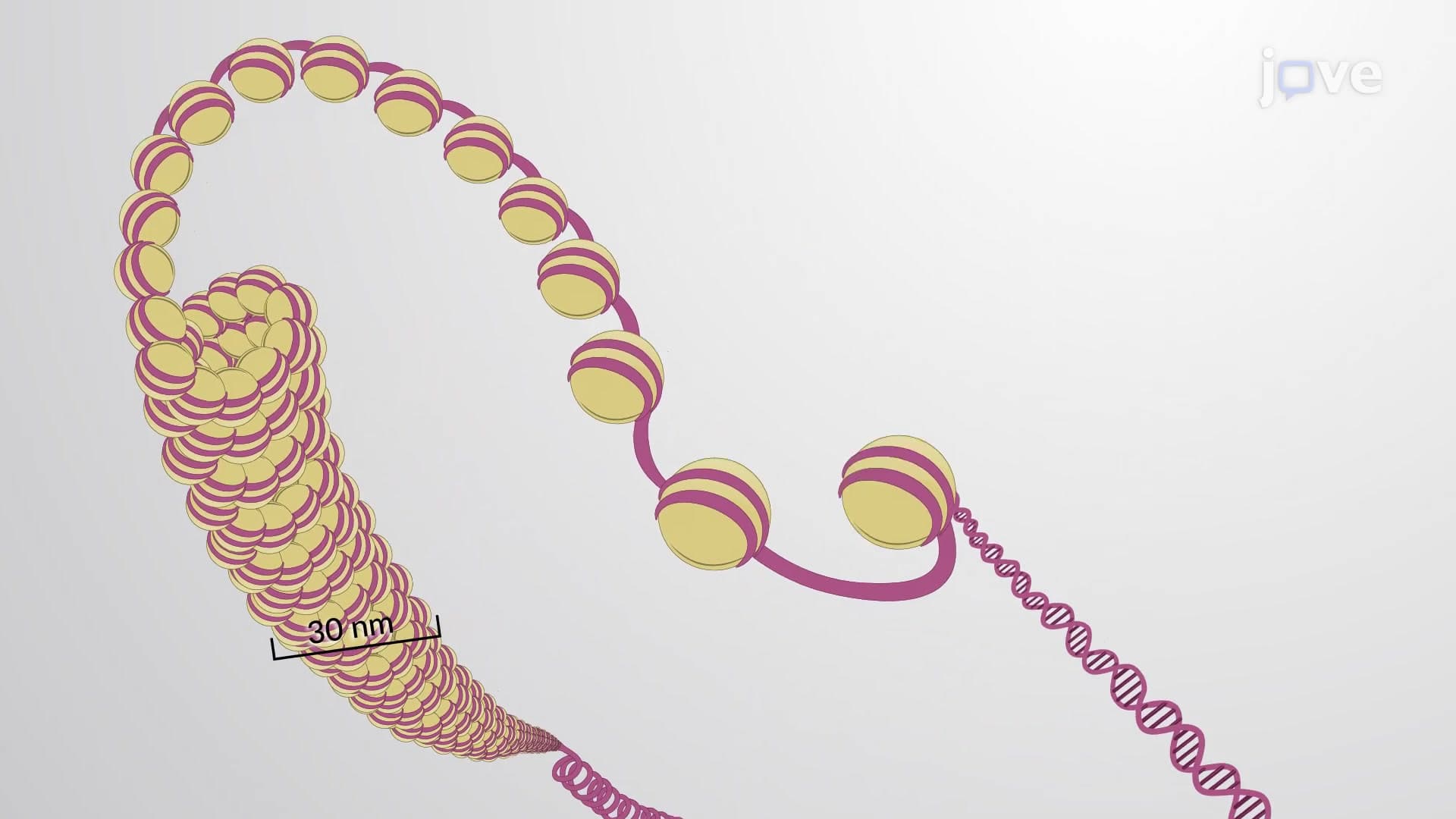
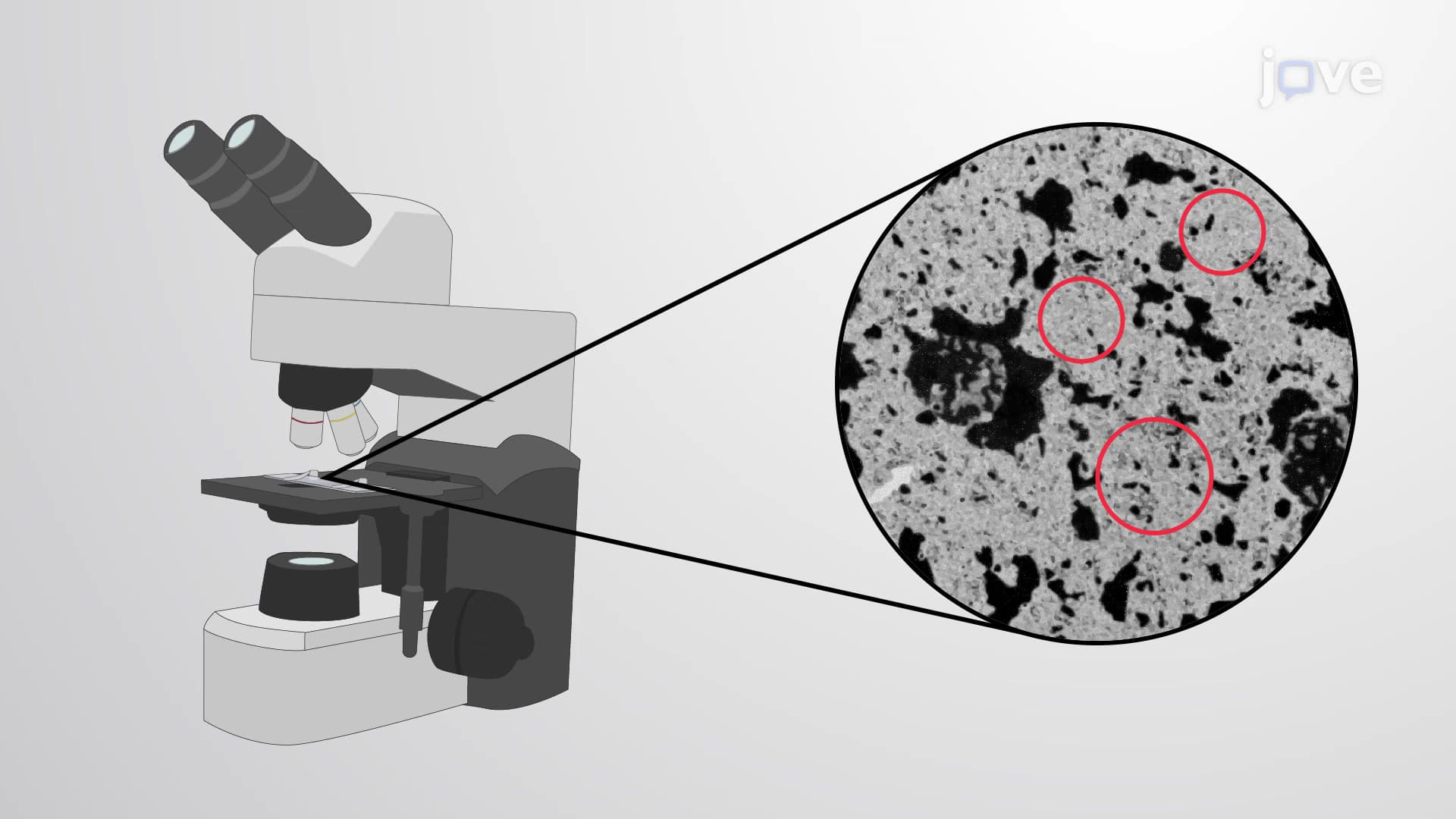
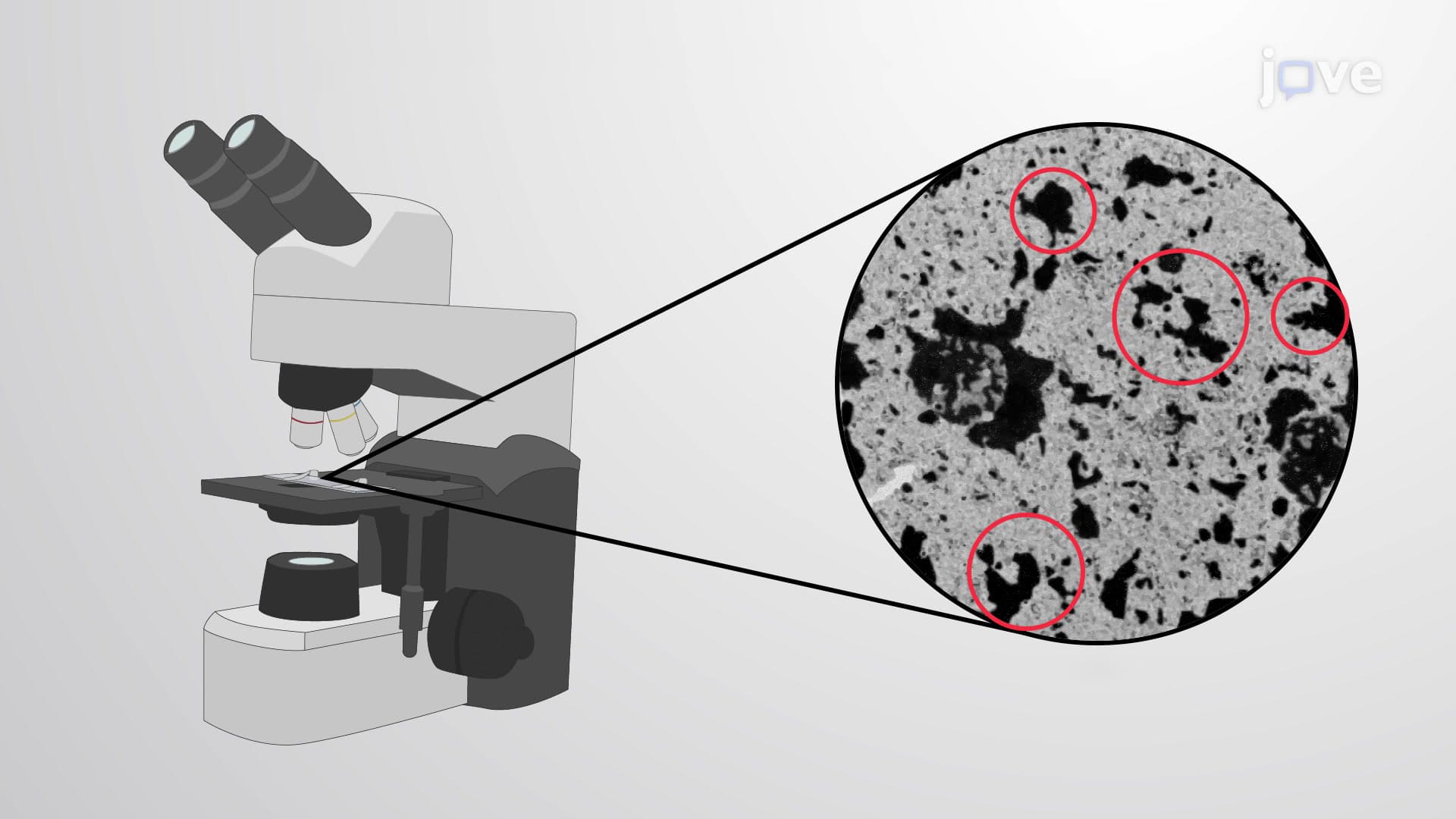
The nucleosome core particle consists of eight histone proteins arranged in a precise octamer: two copies each of H2A, H2B, H3, and H4. These positively charged proteins attract the negatively charged DNA backbone, creating stable interactions. The DNA wraps 1.65 times around this protein core, forming a structure resembling beads on a string when viewed under electron microscopy.
Histone H1 acts as a clamp, binding to linker DNA between nucleosomes. This additional protein facilitates the folding of the 11-nanometer chromatin fiber into the more compact 30-nanometer fiber, though the exact structure of higher-order chromatin remains an active area of research at institutions like Harvard Medical School and Johns Hopkins University.
The nucleosome chromatin organization achieves remarkable compaction ratios. Without this packaging system, human chromosomes would be several meters long. Instead, nucleosomes reduce DNA length by a factor of about 6, with subsequent levels of folding achieving overall compaction ratios exceeding 10,000-fold.
This packaging isn't merely about space efficiency. Nucleosome positioning directly influences gene expression by controlling transcription factor access to DNA regulatory sequences. Tightly packed regions (heterochromatin) typically contain inactive genes, while loosely packed regions (euchromatin) house actively transcribed genes.
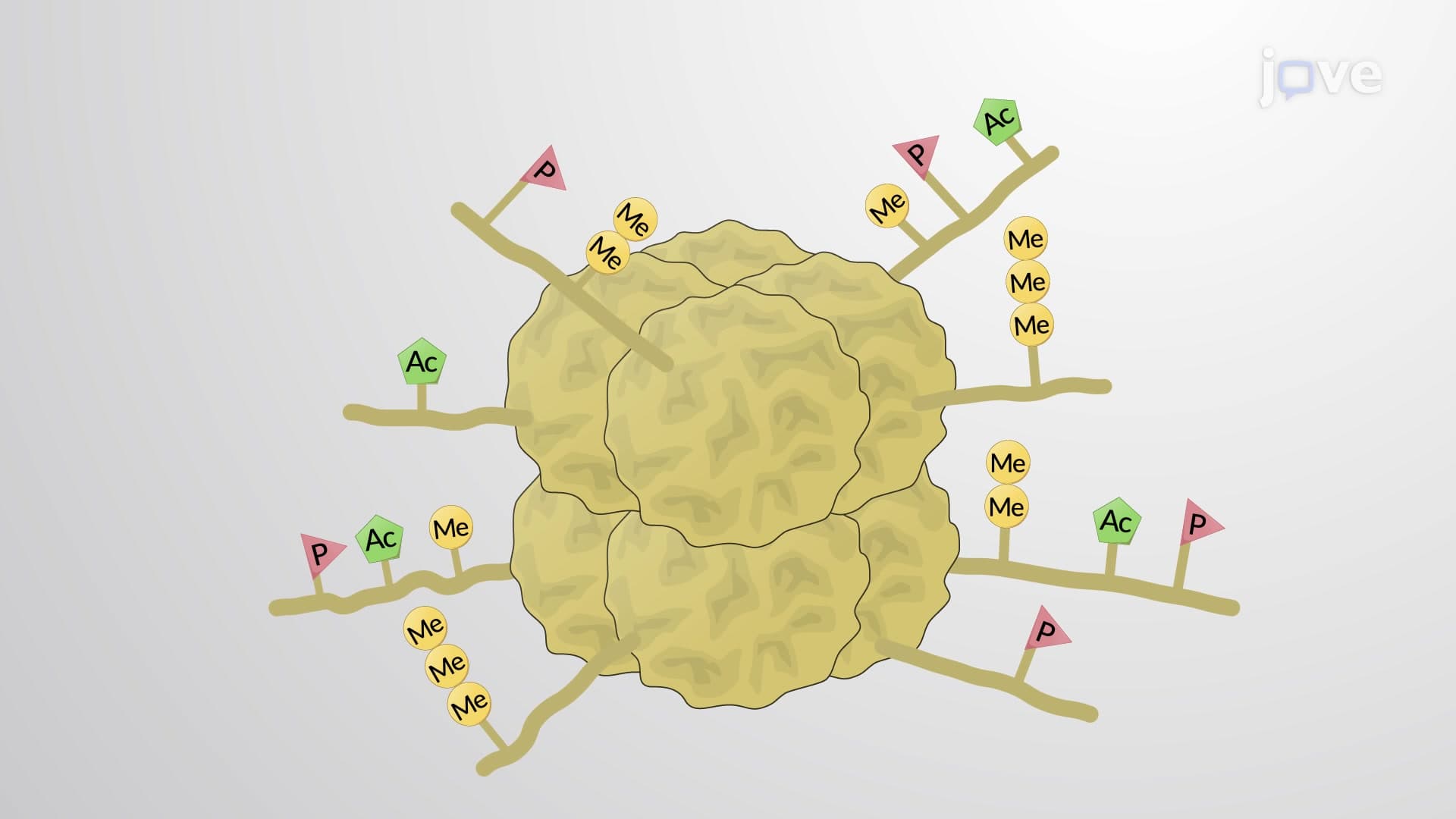
Understanding nucleosomes proves essential for AP Biology students and pre-med courses, as these structures connect molecular biology to human health. Histone modifications-methylation, acetylation, and phosphorylation-create an "epigenetic code" that regulates gene expression without changing DNA sequences.
Cancer researchers at MD Anderson Cancer Center study how disrupted nucleosome patterns contribute to oncogene activation and tumor suppressor silencing. Similarly, developmental biologists investigate how nucleosome remodeling drives cellular differentiation during embryonic development.
Related Micro-courses