Loading video…


 10 Concepts
 76.5K views

Video Summary: Camp Dependent Protein Kinase Pathways Explained
Ever wonder how your body instantly mobilizes energy when you're stressed or exercising? CAMP dependent protein kinase pathways are the cellular communication networks that make this possible, converting hormonal signals like adrenaline into rapid metabolic responses. When a diabetic patient uses glucagon to raise blood sugar, these pathways spring into action within seconds. Watch the full video on JoVE Coach to master this concept with expert-led visuals and step-by-step explanations.
CAMP dependent protein kinase pathways represent one of biology's most elegant signal amplification systems. These pathways solve a fundamental cellular problem: how can a small number of hormone molecules outside the cell create massive changes inside the cell? The answer lies in a sophisticated relay system that amplifies signals at each step.
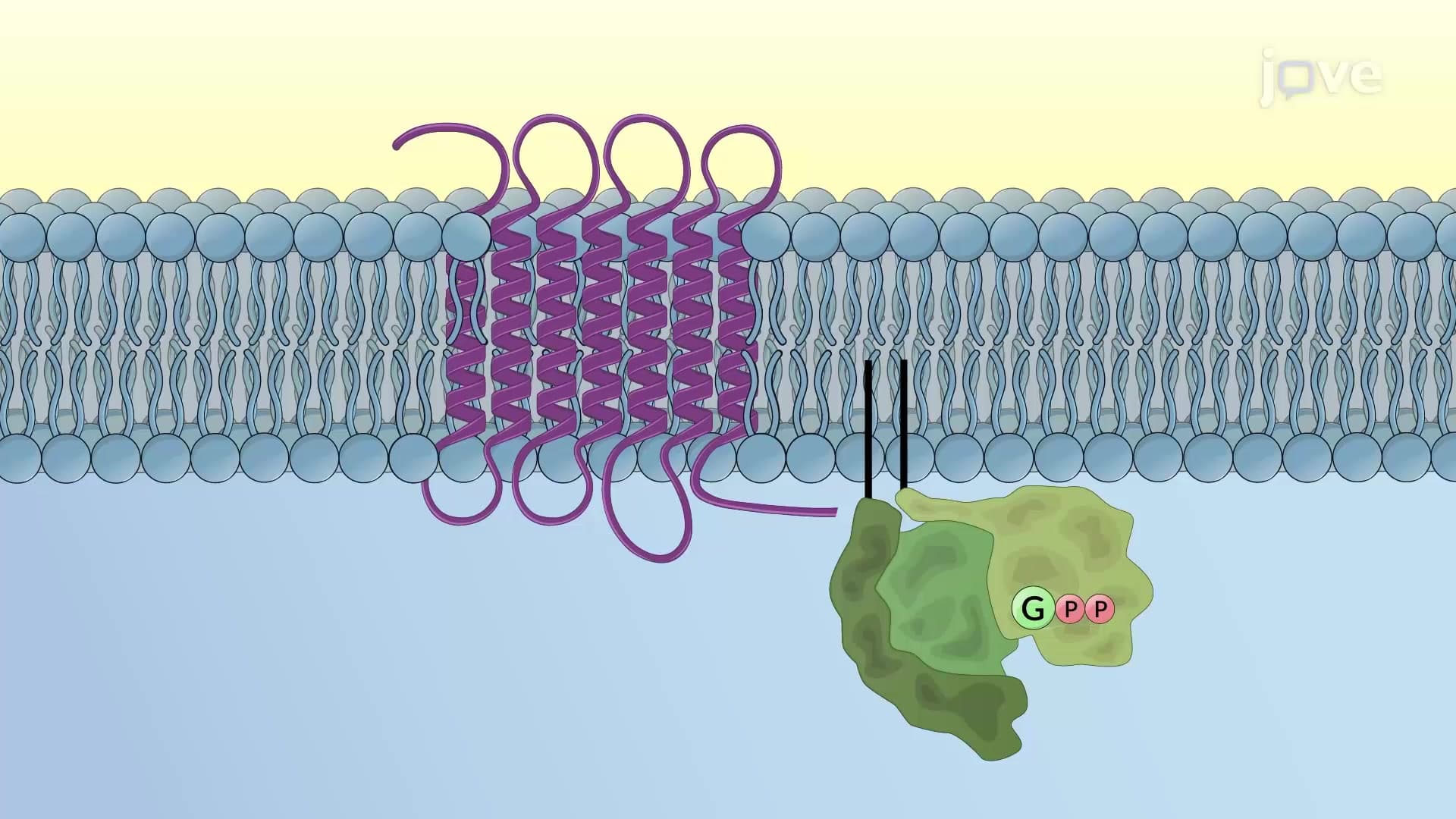
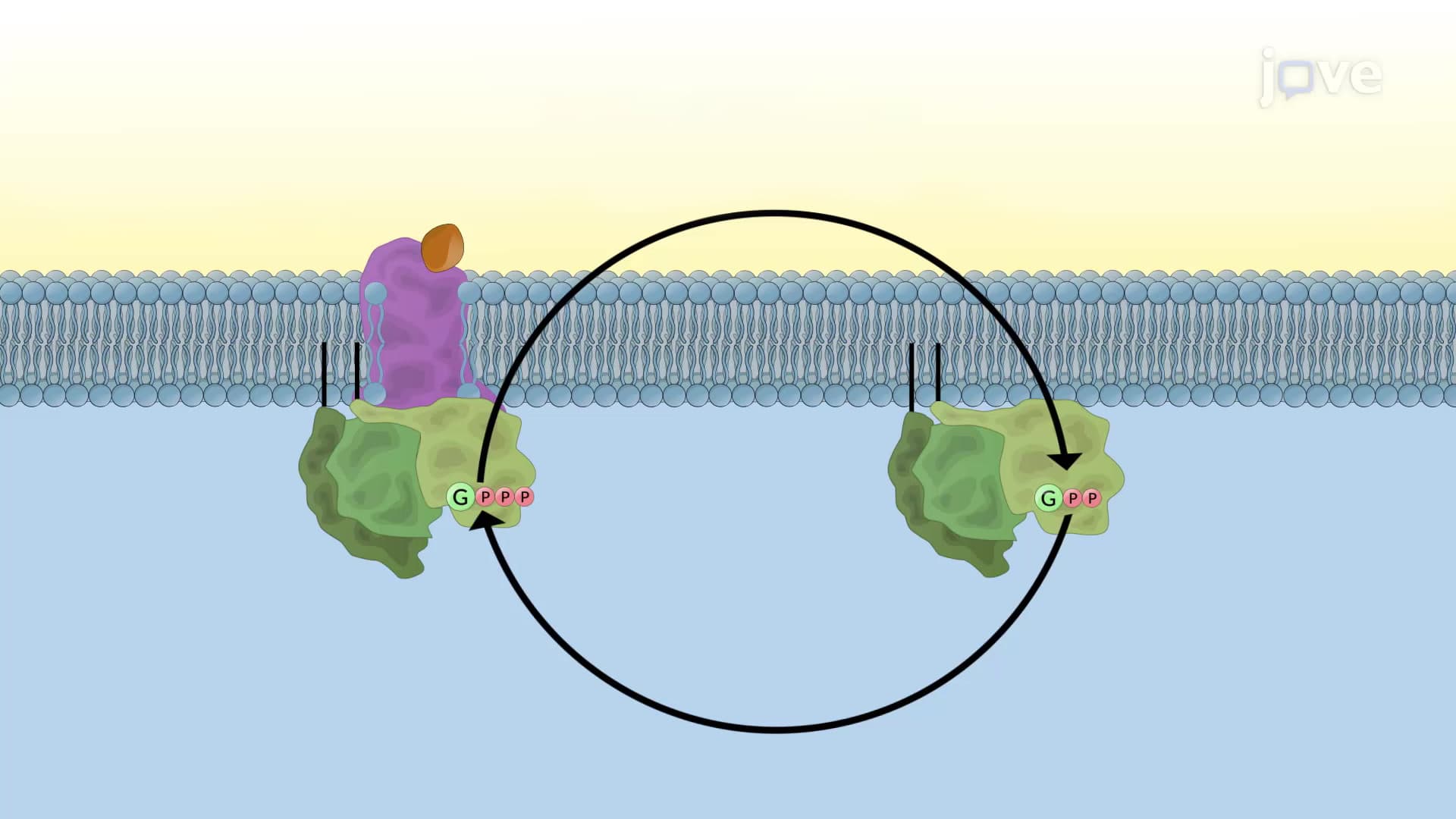
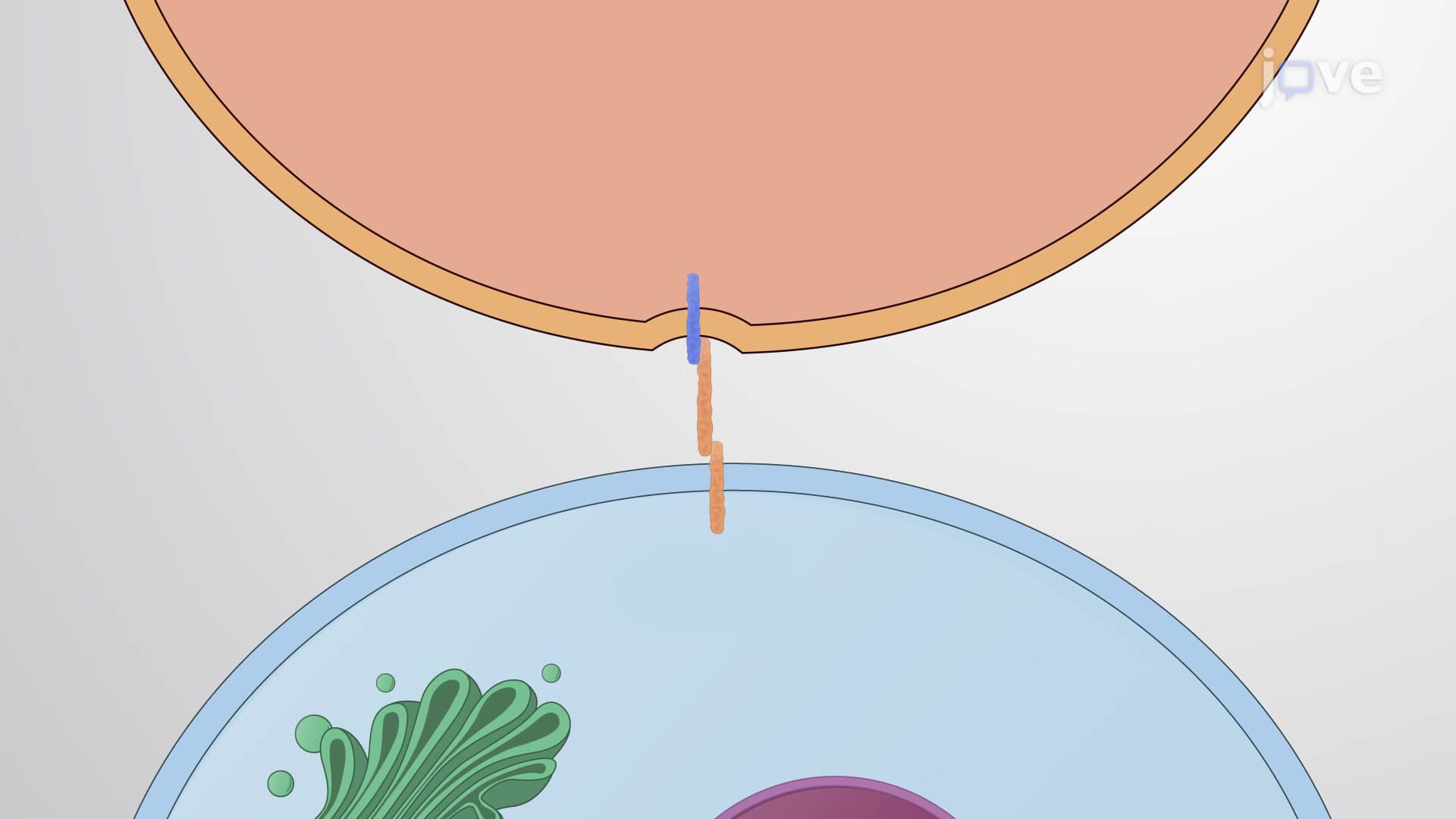
The pathway begins when hormones like glucagon or epinephrine bind to G-protein coupled receptors (GPCRs). This binding activates adenylyl cyclase, an enzyme that converts ATP into cyclic adenosine monophosphate (cAMP). A single activated receptor can stimulate multiple G-proteins, each activating multiple adenylyl cyclase molecules. This creates the first level of amplification-one hormone molecule can generate hundreds of cAMP molecules.
The genius of this system becomes apparent in medical conditions. For example, patients with cholera experience severe dehydration because cholera toxin permanently activates adenylyl cyclase in intestinal cells, flooding them with cAMP and causing massive water secretion.
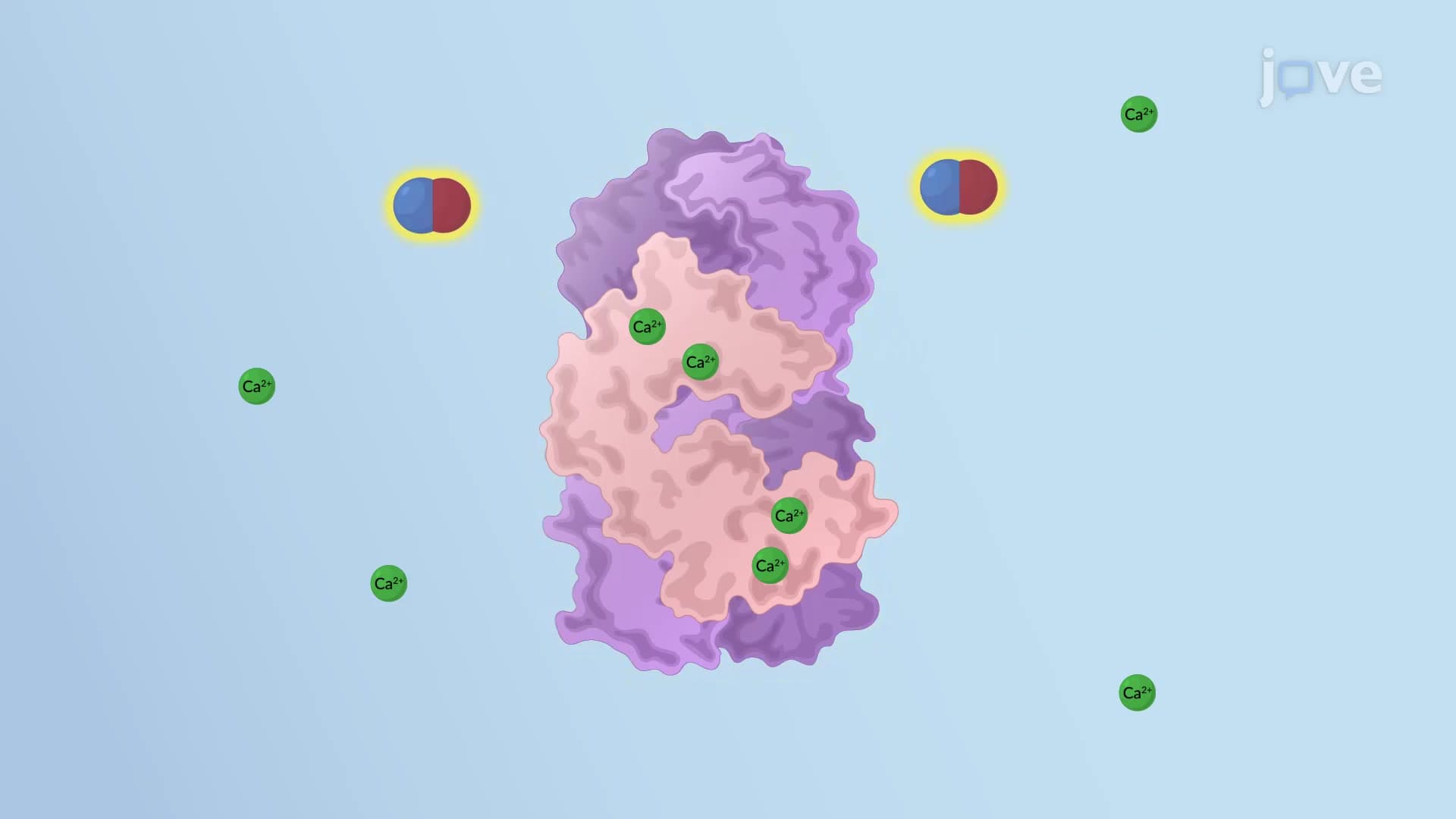
Cyclic AMP's primary target is protein kinase A (PKA), a tetrameric enzyme consisting of two regulatory and two catalytic subunits. In its inactive state, the catalytic subunits are bound to the regulatory subunits. When cAMP levels rise, four cAMP molecules bind cooperatively to the regulatory subunits, causing a conformational change that releases the active catalytic subunits.
This cooperative binding is crucial for cellular sensitivity. PKA responds dramatically to small changes in cAMP concentration, making it an ideal molecular switch. Students preparing for the MCAT should note that this cooperativity creates a sigmoidal response curve, not a linear one.
Active PKA catalytic subunits phosphorylate numerous target proteins simultaneously. In the cytoplasm, PKA phosphorylates key metabolic enzymes like phosphorylase kinase (activating glucose breakdown) and acetyl-CoA carboxylase (inhibiting fatty acid synthesis). These phosphorylation events occur within seconds of hormone binding.
PKA also enters the nucleus and phosphorylates the transcription factor CREB (cAMP response element-binding protein). Phosphorylated CREB binds to cAMP response elements (CREs) in gene promoters, initiating transcription of gluconeogenic enzymes like PEPCK (phosphoenolpyruvate carboxykinase). This transcriptional response takes hours but provides sustained metabolic changes.
For AP Biology students, understanding this dual timeframe is essential-immediate enzyme regulation plus long-term gene expression changes.
Related Micro-courses