Loading video…


 14 Concepts
 52.4K views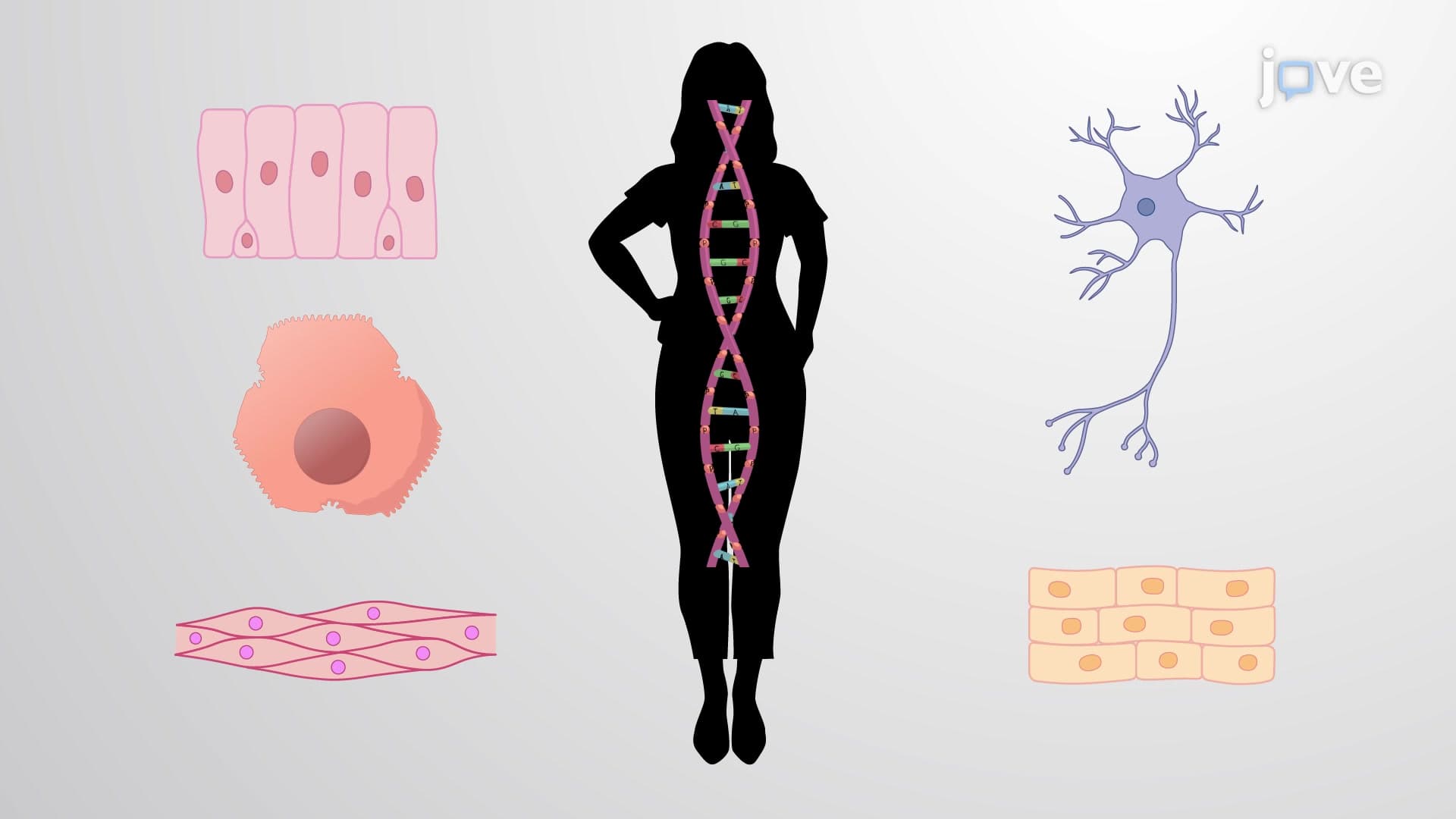

Video Summary: What Is Cell Specific Gene Expression
Why do heart muscle cells beat rhythmically while brain neurons transmit electrical signals, despite containing identical DNA? Cell specific gene expression explains how different cell types selectively activate distinct sets of genes to perform specialized functions. For example, pancreatic beta cells express insulin genes to regulate blood sugar, while skin cells express keratin genes for protection. This fundamental biological process enables the remarkable diversity of over 200 cell types in the human body from a single genome. Watch the full video on JoVE Coach to master this concept with expert-led visuals and step-by-step explanations.
Cell specific gene expression represents one of biology's most elegant solutions to cellular specialization. While every cell in your body contains the same ~20,000 genes, only a fraction are active at any given time. This selective gene activation allows a single fertilized egg to develop into the hundreds of distinct cell types that comprise complex organisms.
The process operates through sophisticated regulatory networks that determine which genes are "turned on" or "turned off" in specific cellular contexts. Think of it as a master control system where each cell type has its own unique combination of active genes, much like how different radio stations broadcast on distinct frequencies.
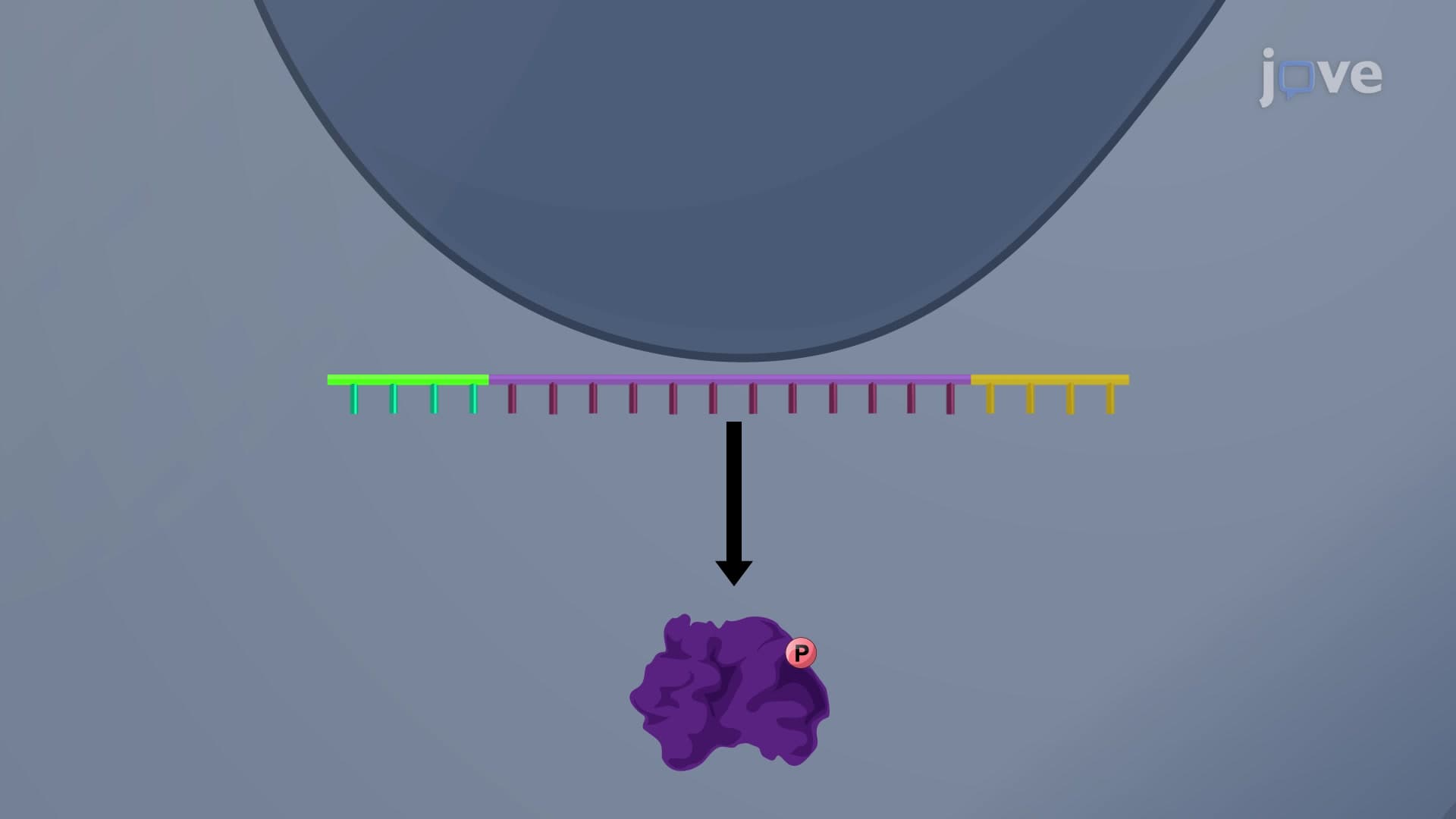
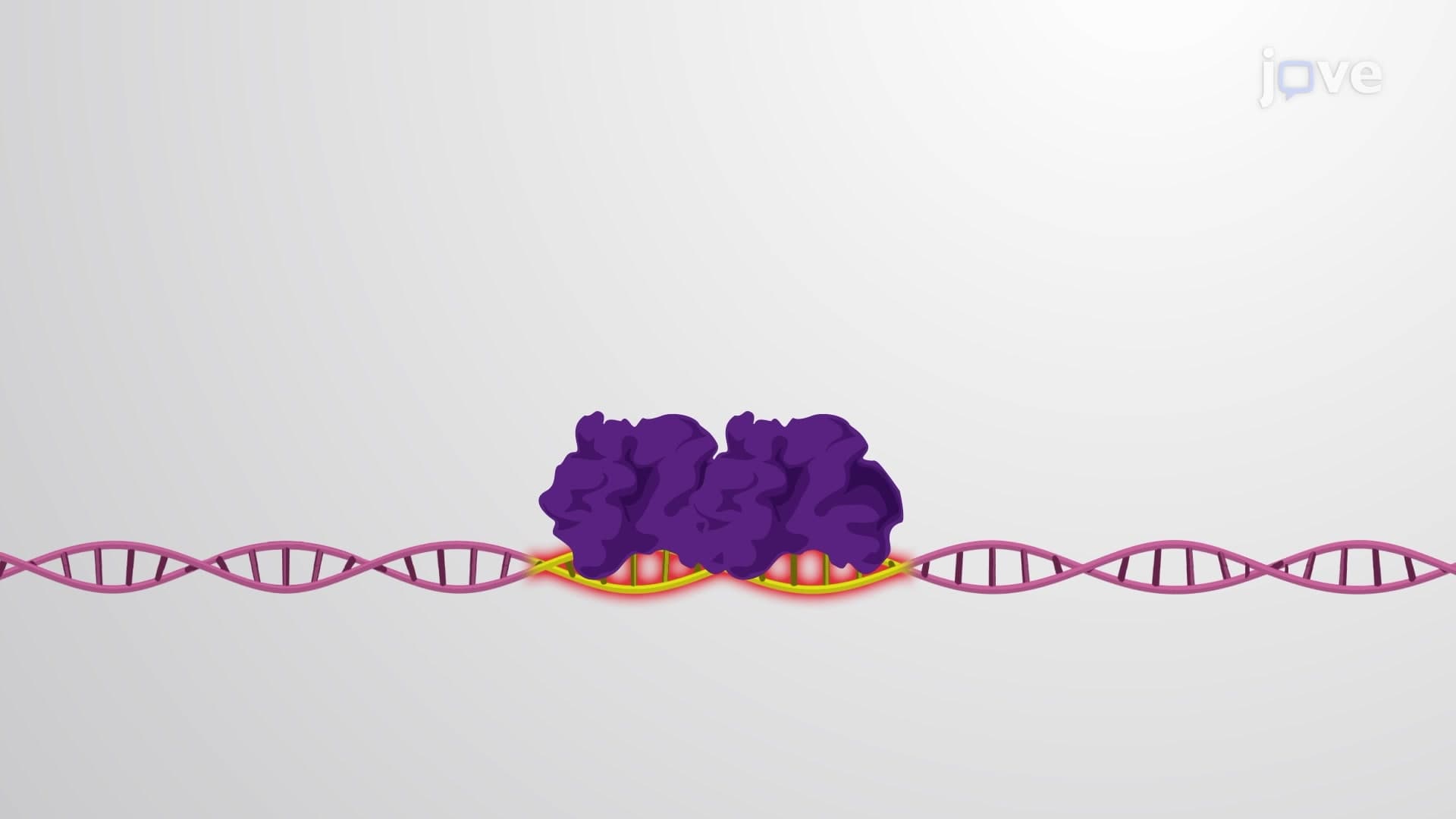
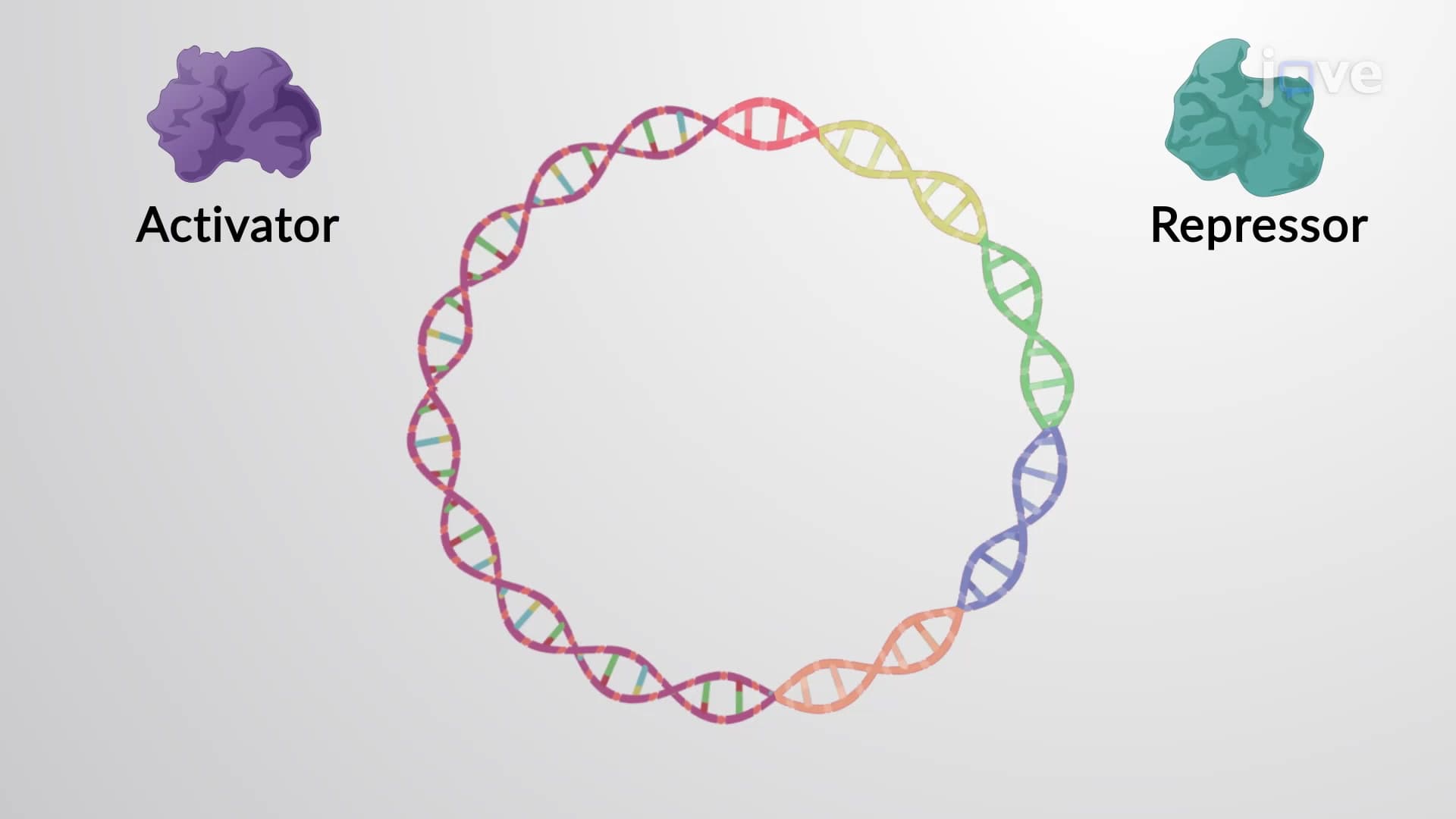
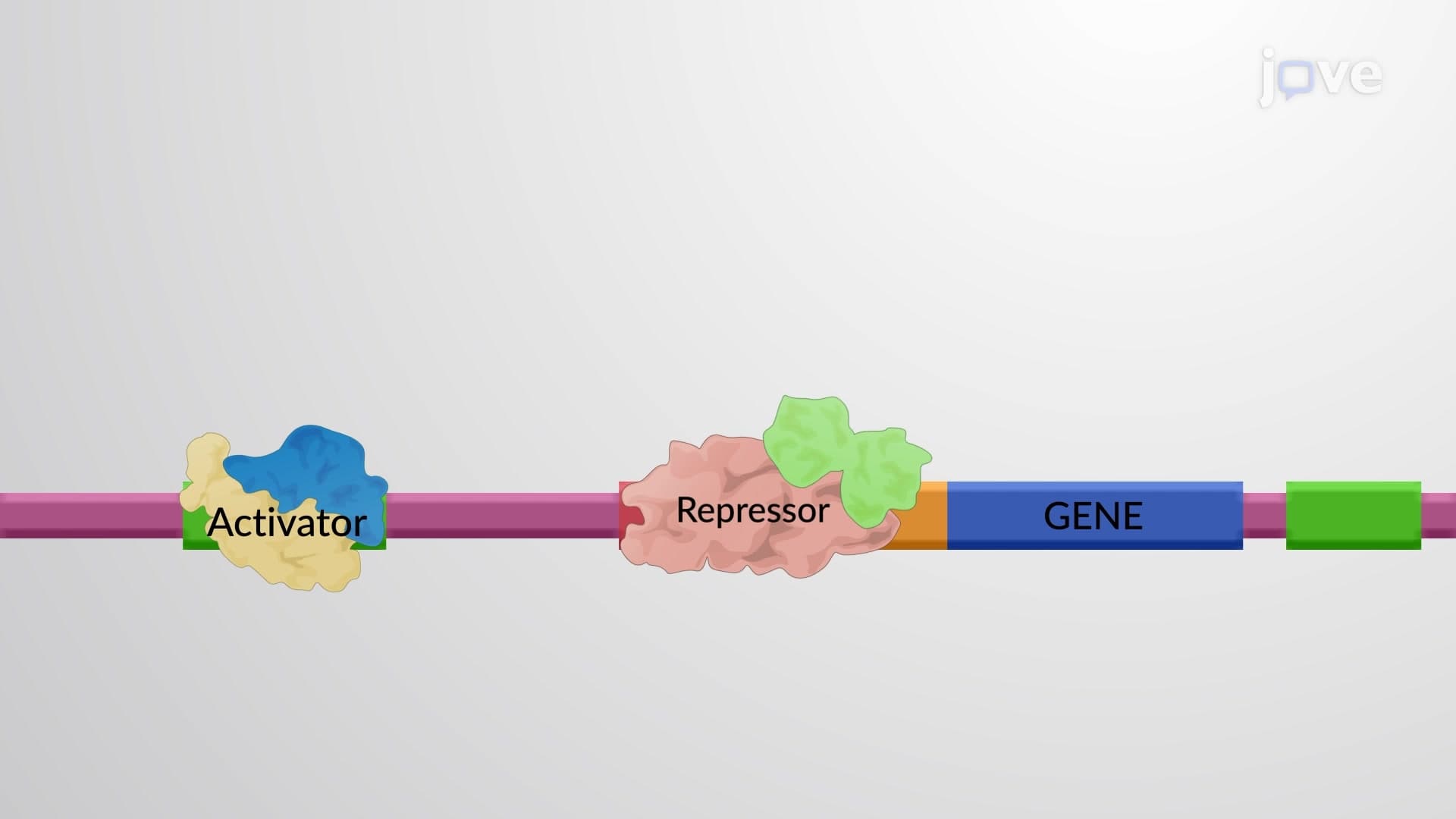
At the transcriptional level, specialized proteins called transcription factors serve as molecular switches. These regulatory proteins recognize and bind to specific DNA sequences called promoters and enhancers, either activating or silencing gene expression. For instance, the transcription factor MyoD specifically activates muscle-related genes in developing muscle cells, while remaining inactive in other cell types.
This specificity emerges from the unique combination of transcription factors present in each cell type. Liver cells express hepatocyte nuclear factors that activate albumin and enzyme genes, while neurons express neuronal transcription factors that promote synapse formation and neurotransmitter production.
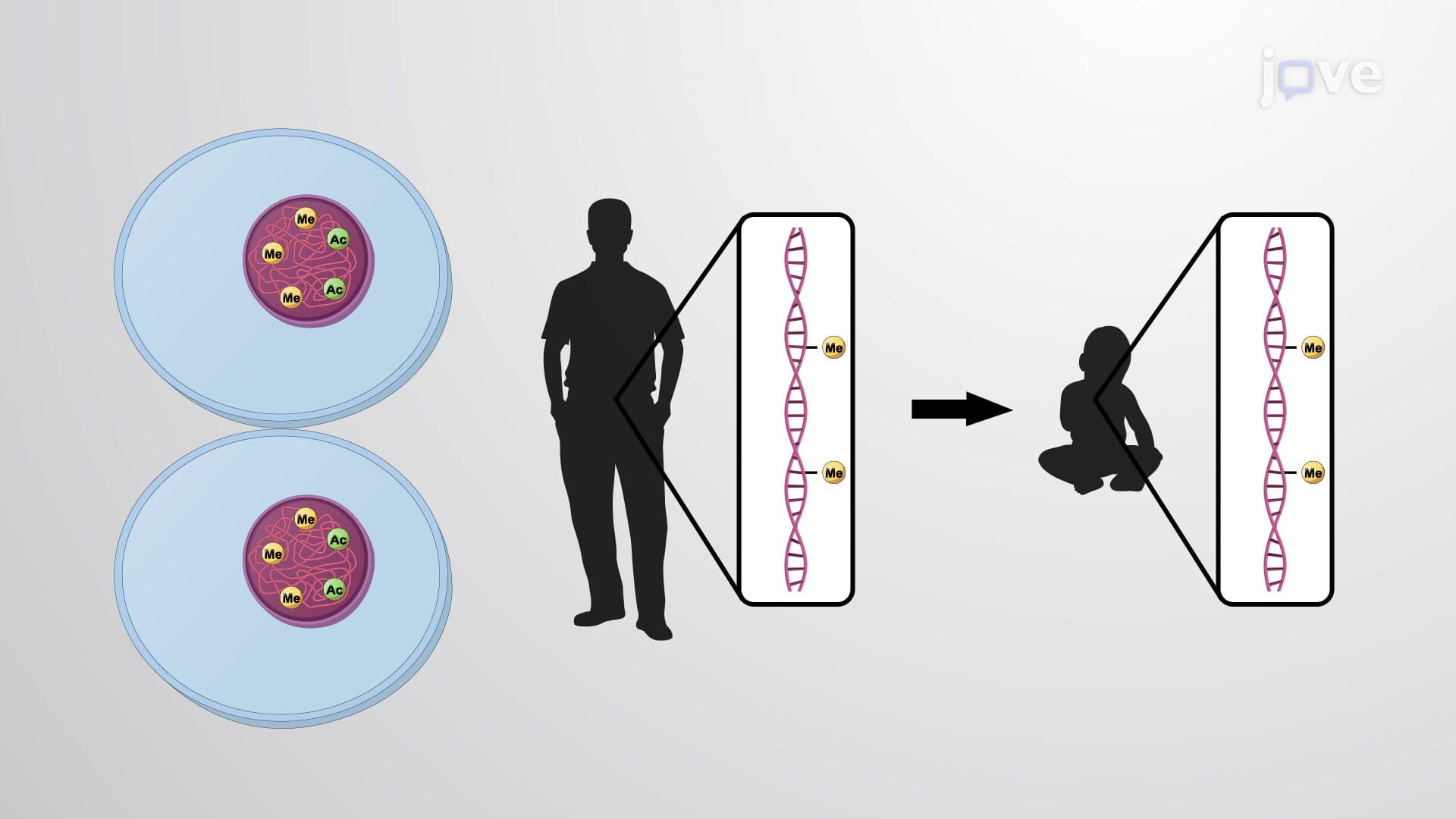
Beyond transcription factors, epigenetic modifications provide another layer of gene expression control. DNA methylation patterns and histone modifications create a "chromatin landscape" that makes certain genes accessible or inaccessible to the transcription machinery. These modifications can be inherited during cell division, maintaining cell identity across generations.
For example, heavily methylated gene regions typically remain silenced, while acetylated histones generally mark active gene regions. This epigenetic code helps explain how embryonic stem cells progressively lose developmental potential as they differentiate into specialized cell types.
Understanding cell specific gene expression proves crucial for several medical applications. In cancer research, scientists study how tumor cells inappropriately activate oncogenes or silence tumor suppressor genes. Stem cell researchers manipulate gene expression patterns to direct differentiation toward specific cell types for regenerative therapies.
Students preparing for AP Biology, MCAT, or college cell biology courses should focus on connecting gene expression mechanisms to physiological outcomes. Practice identifying how transcription factor mutations might affect development, or how epigenetic changes could contribute to disease progression.
Related Micro-courses