Loading video…


 14 Concepts
 52.4K views

Video Summary: Lncrna Long Non Coding Rnas Explained
Did you know that 98% of human DNA doesn't code for proteins, yet much of it still plays crucial roles in gene regulation? LncRNA long non coding RNAs represent a fascinating class of these regulatory molecules that control when and how genes are expressed in our cells. These versatile RNA molecules, longer than 200 nucleotides, orchestrate everything from X-chromosome inactivation in female mammals to cancer progression in patients at MD Anderson Cancer Center. Watch the full video on JoVE Coach to master this concept with expert-led visuals and step-by-step explanations.
Long non-coding RNAs represent one of biology's most intriguing discoveries, fundamentally changing how we understand gene regulation. Unlike their protein-coding counterparts, these RNA molecules-defined as transcripts longer than 200 nucleotides-don't serve as templates for protein synthesis. Instead, they function as sophisticated regulatory switches, fine-tuning gene expression across virtually every biological process.
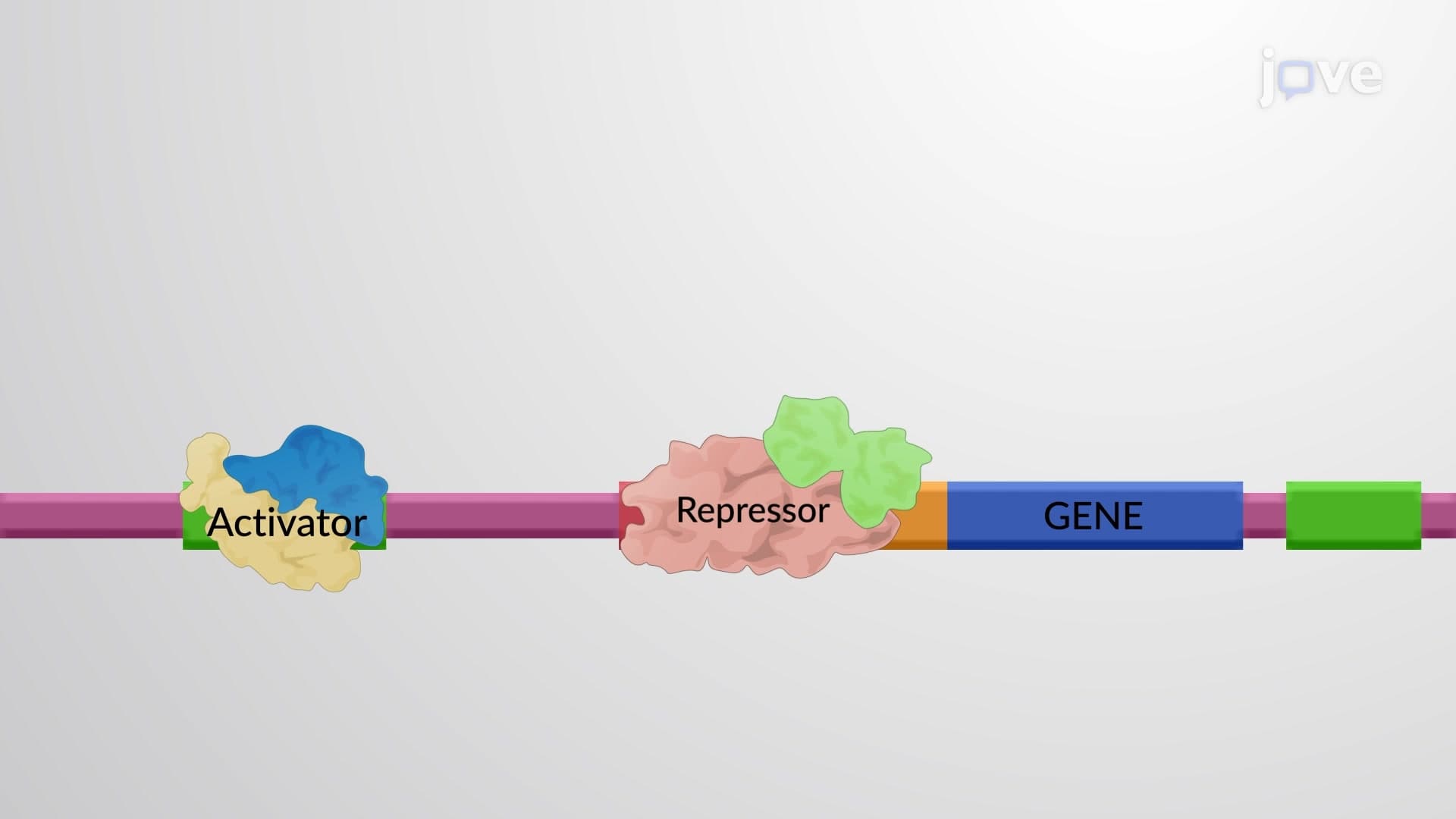
LncRNAs employ four primary regulatory strategies that students encounter frequently on the MCAT and AP Biology exams. Chromatin remodeling involves lncRNAs recruiting histone-modifying complexes to alter DNA accessibility. Transcriptional regulation occurs when lncRNAs interact directly with transcription factors or RNA polymerase II. Post-transcriptional processing includes lncRNAs affecting mRNA stability, splicing, or translation efficiency. Finally, molecular scaffolding allows lncRNAs to bring together multiple proteins into functional complexes.
The distinction between cis and trans regulation proves crucial for understanding lncRNA function. Cis-acting lncRNAs regulate nearby genes on the same chromosome, while trans-acting lncRNAs can influence genes on different chromosomes entirely. This concept frequently appears in college genetics courses and standardized exams.
Major medical institutions like Mayo Clinic and Cleveland Clinic increasingly recognize lncRNAs as biomarkers for disease diagnosis and prognosis. In oncology, aberrant lncRNA expression patterns help clinicians at institutions like Memorial Sloan Kettering stratify cancer patients for personalized treatment protocols. MALAT1, for example, serves as a prognostic marker in lung cancer patients, while HOTAIR expression correlates with metastatic potential in breast cancer.
Students pursuing biomedical research careers will encounter lncRNA studies across multiple disciplines. Techniques like RNA-sequencing (RNA-seq) identify novel lncRNAs, while chromatin immunoprecipitation (ChIP-seq) maps their genomic targets. CRISPR-based approaches, pioneered at institutions like the Broad Institute, enable functional validation of lncRNA roles. These methodologies form the backbone of graduate research programs at top-tier universities and pharmaceutical companies throughout the United States.
Related Micro-courses