Loading video…


 10 Concepts
 62.2K views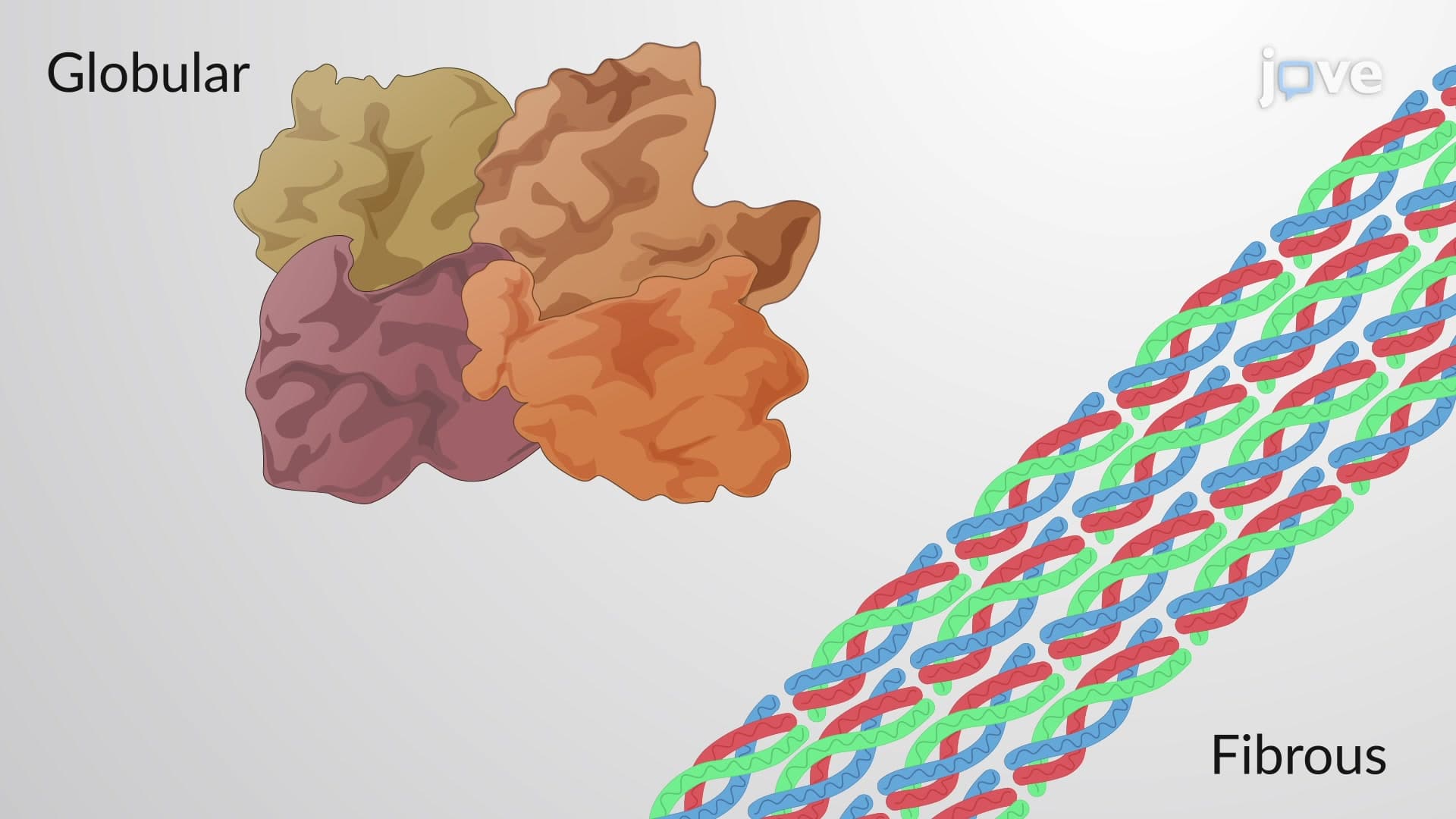

Video Summary: What are Globular and Fibrous Proteins
Ever wonder why your hair stays strong while your blood flows smoothly? Globular fibrous proteins are the molecular architects behind these contrasting properties, with globular proteins like hemoglobin enabling vital transport functions while fibrous proteins like keratin provide structural integrity to your hair and nails. Understanding what are globular and fibrous proteins reveals how protein shape directly determines biological function, from enzyme catalysis in your digestive system to the mechanical strength of your skin. Watch the full video on JoVE Coach to master this concept with expert-led visuals and step-by-step explanations.
The classification of proteins into globular and fibrous categories represents one of the most fundamental distinctions in biochemistry, directly linking molecular structure to biological function. This globular and fibrous proteins biology explained framework helps students understand why certain proteins perform dynamic functions while others provide structural support.
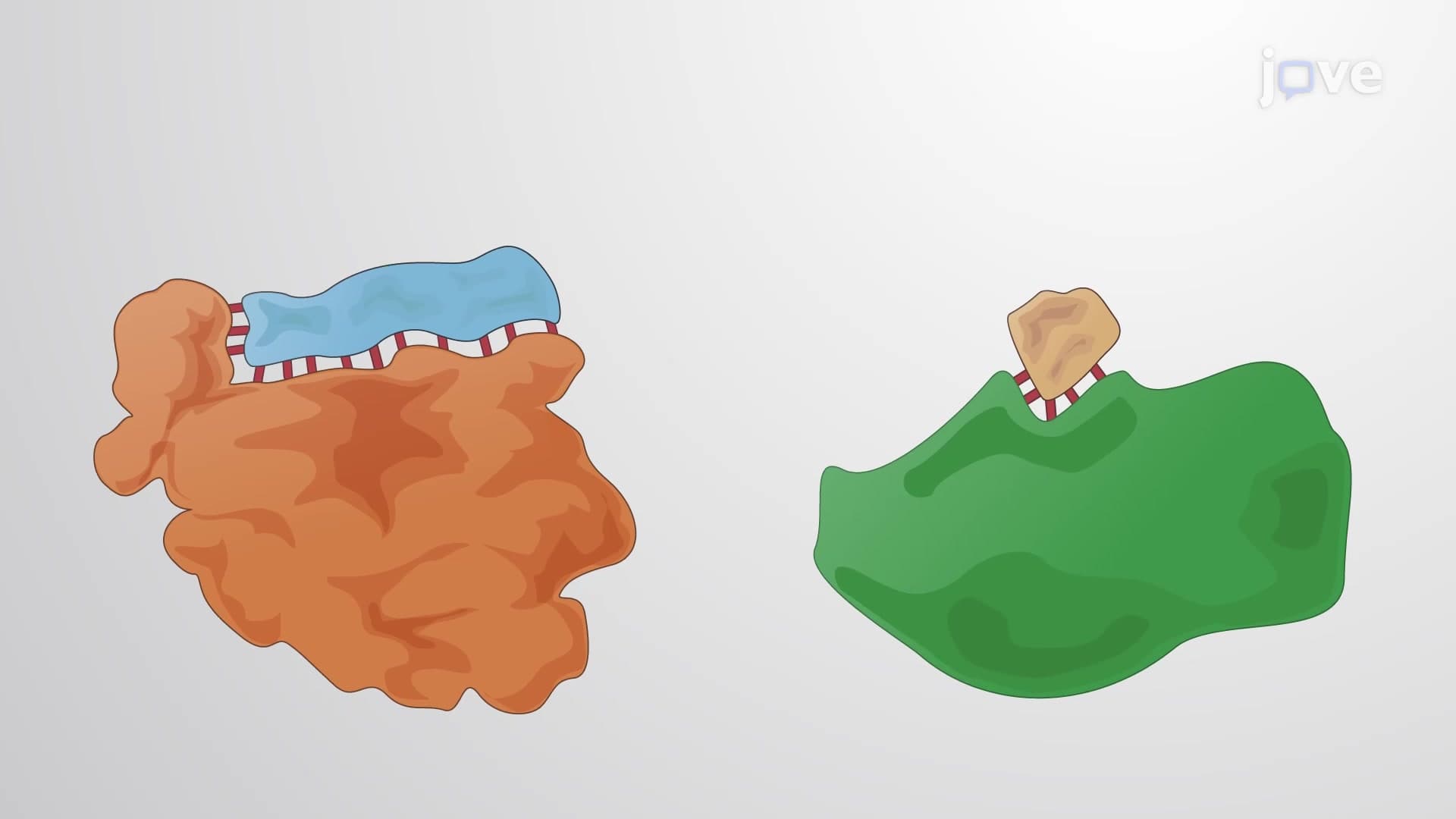
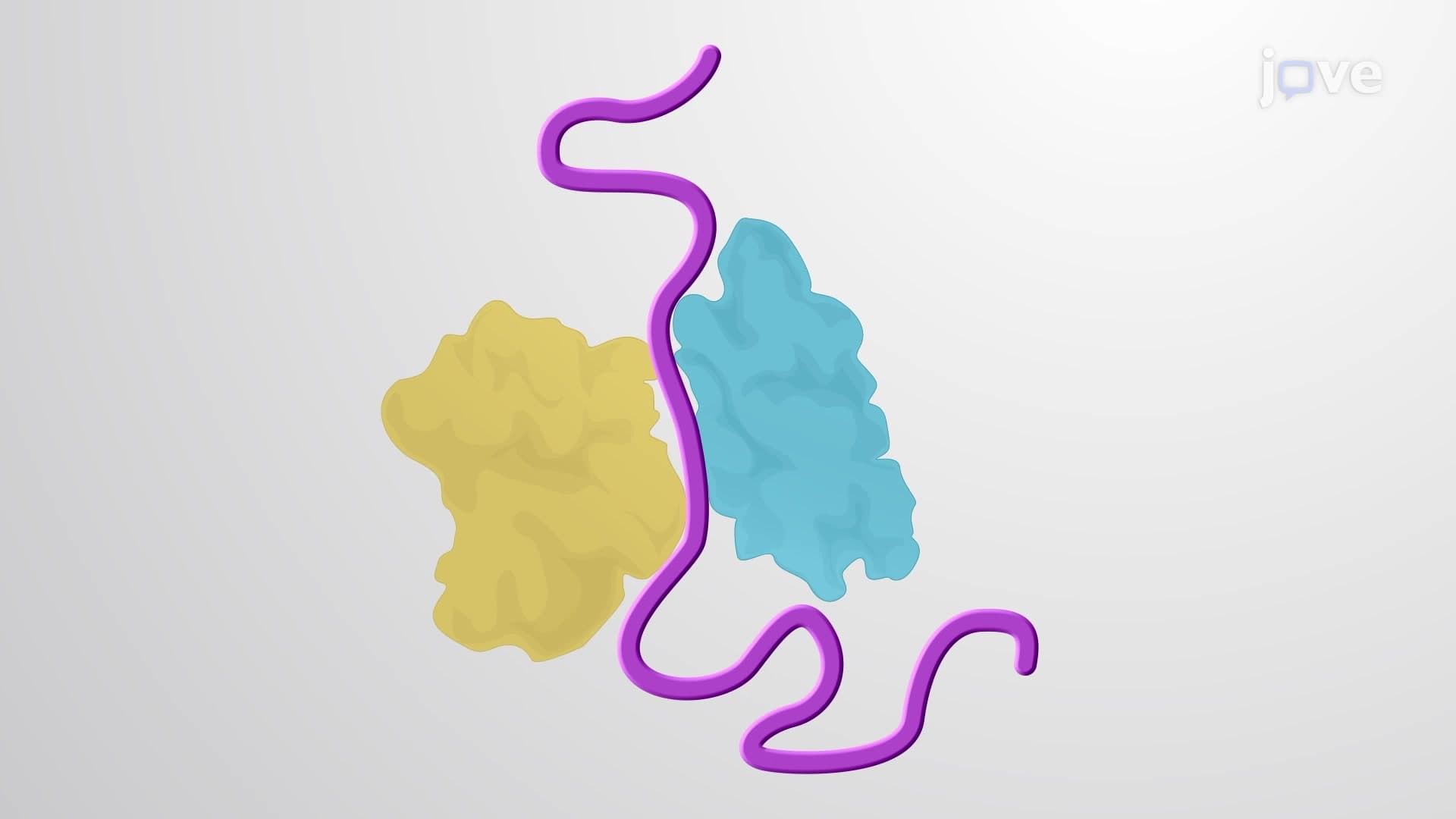
Globular proteins exhibit compact, roughly spherical three-dimensional structures that make them highly soluble in aqueous environments. Their tightly folded tertiary structure creates specific binding sites and active regions essential for catalytic and regulatory functions. Hemoglobin exemplifies this category-its globular structure allows it to bind oxygen efficiently while remaining dissolved in blood plasma. Similarly, digestive enzymes like pepsin maintain globular conformations that enable substrate recognition and catalytic activity.
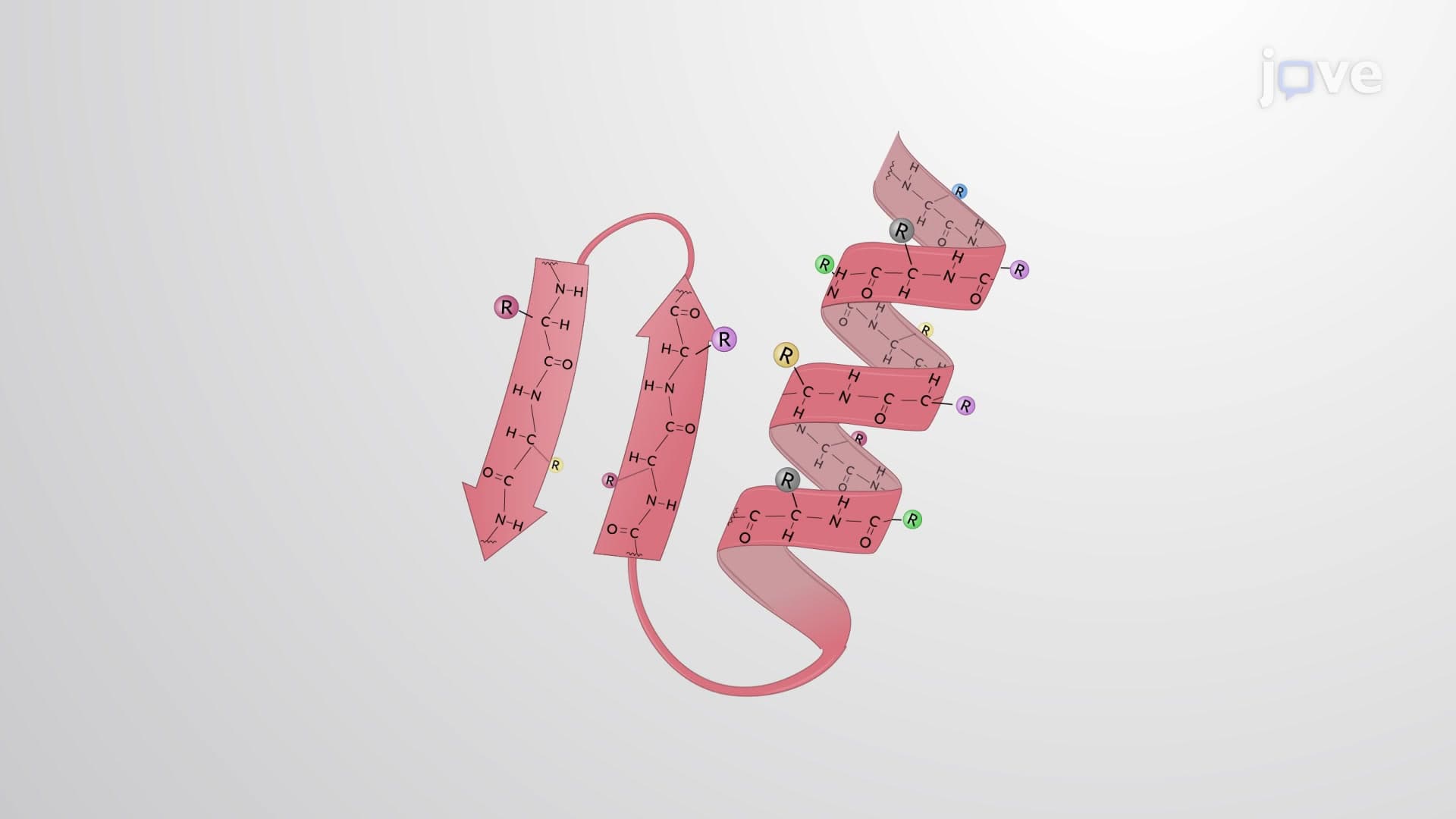
The amino acid sequences in globular proteins typically contain a balanced mix of hydrophobic and hydrophilic residues. Hydrophobic amino acids cluster toward the protein's interior, while hydrophilic residues face the aqueous environment. This arrangement stabilizes the folded structure while maintaining water solubility-a critical feature tested on AP Biology and MCAT examinations.
In contrast, fibrous proteins adopt elongated, thread-like conformations that make them largely insoluble in water. These proteins serve as the architectural framework for tissues and cellular structures. Collagen, the most abundant protein in mammals, demonstrates how repetitive amino acid sequences (particularly glycine-proline-hydroxyproline) create stable, extended helical structures. In the United States healthcare system, collagen defects cause conditions like Ehlers-Danlos syndrome, highlighting the medical relevance of fibrous protein structure.
Keratin represents another crucial fibrous protein, providing mechanical strength to hair, nails, and skin. Its alpha-helical structure, stabilized by disulfide bonds between cysteine residues, explains why chemical hair treatments can permanently alter hair texture-a concept frequently explored in biochemistry coursework.
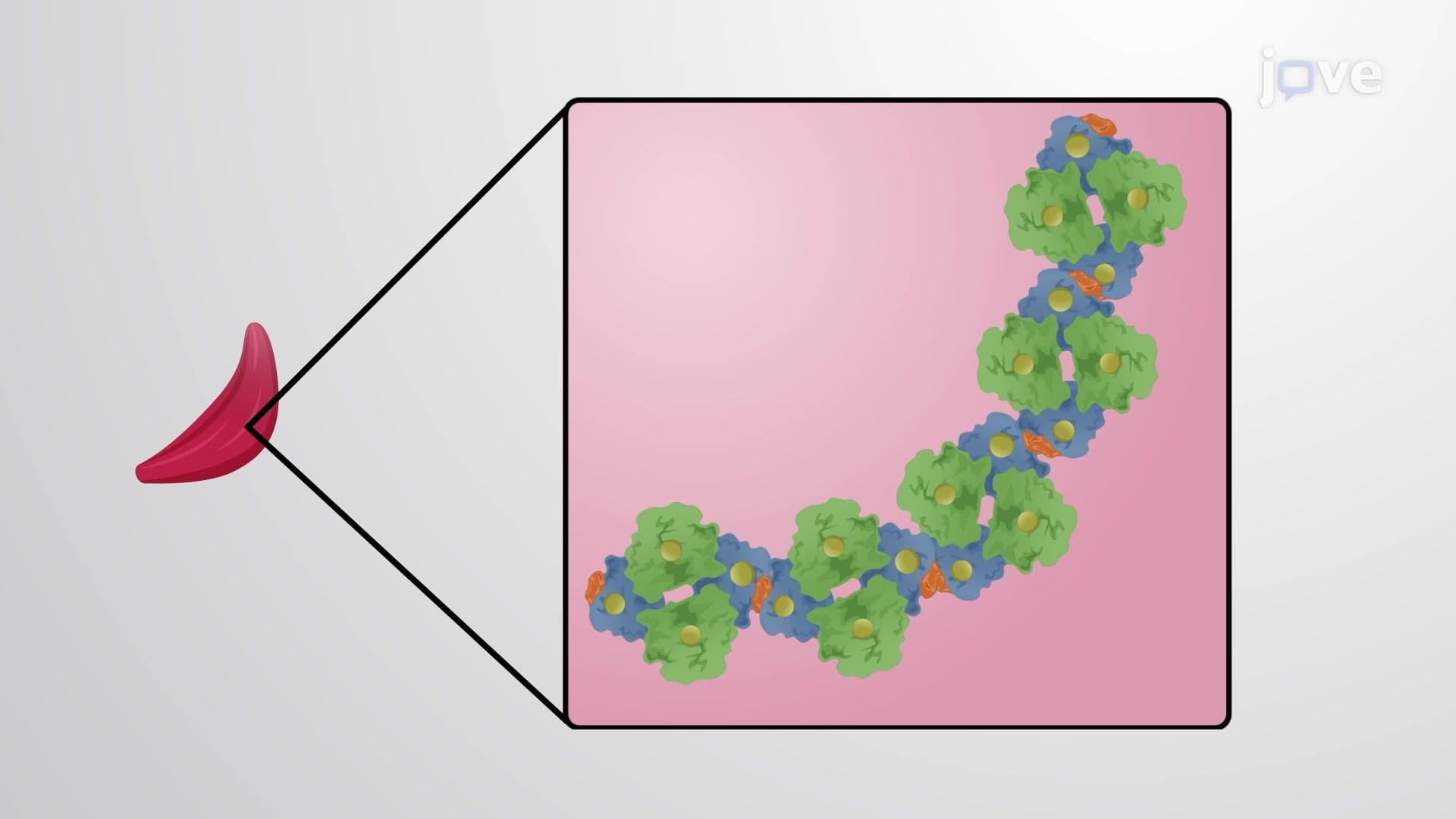
Understanding globular fibrous proteins proves essential for students pursuing healthcare careers. The MCAT extensively tests protein structure-function relationships, while nursing entrance exams like HESI A2 and TEAS include questions about hemoglobin function and collagen-related disorders. Medical students encountering conditions like sickle cell anemia (globular protein defect) or osteogenesis imperfecta (fibrous protein defect) rely on this foundational knowledge to understand disease mechanisms and treatment approaches.
Related Micro-courses