Loading video…


 10 Concepts
 62.2K views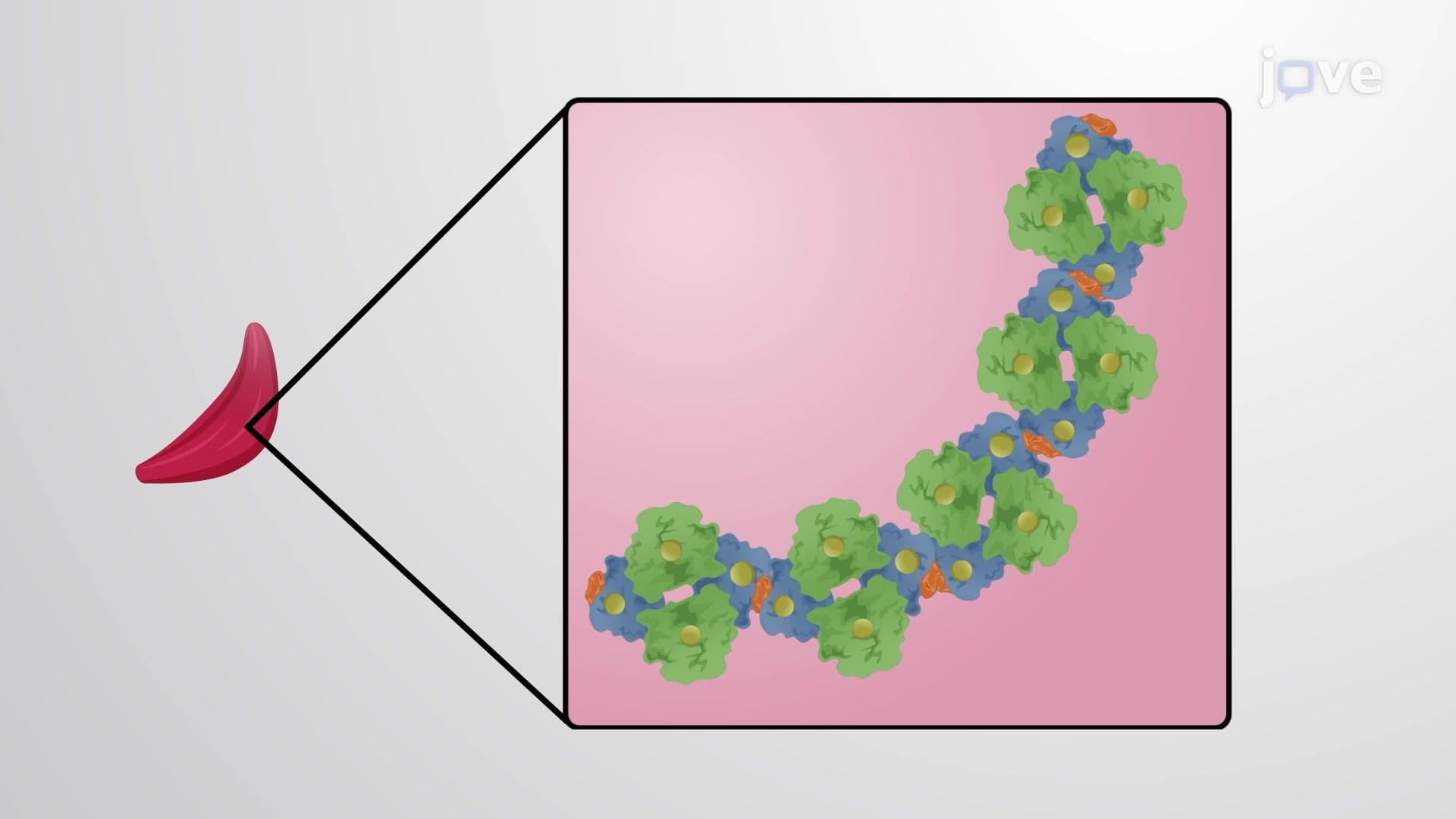

Video Summary: What Is Protein Complex Assembly
Did you know that the ribosome-the cellular machine that creates every protein in your body-contains over 80 individual protein pieces that must perfectly assemble together? Protein complex assembly is the fascinating process where individual protein subunits combine to form larger, functional molecular machines essential for life. From the insulin-producing cells in your pancreas to the hemoglobin carrying oxygen in your blood, understanding what is protein complex assembly reveals how biology builds its most sophisticated tools. Watch the full video on JoVE Coach to master this concept with expert-led visuals and step-by-step explanations.
Protein complex assembly represents one of biology's most elegant solutions to cellular complexity-combining simple building blocks into sophisticated molecular machines. Think of it like assembling a high-performance engine: each component must fit perfectly with others, and the final product performs functions impossible for individual parts alone.
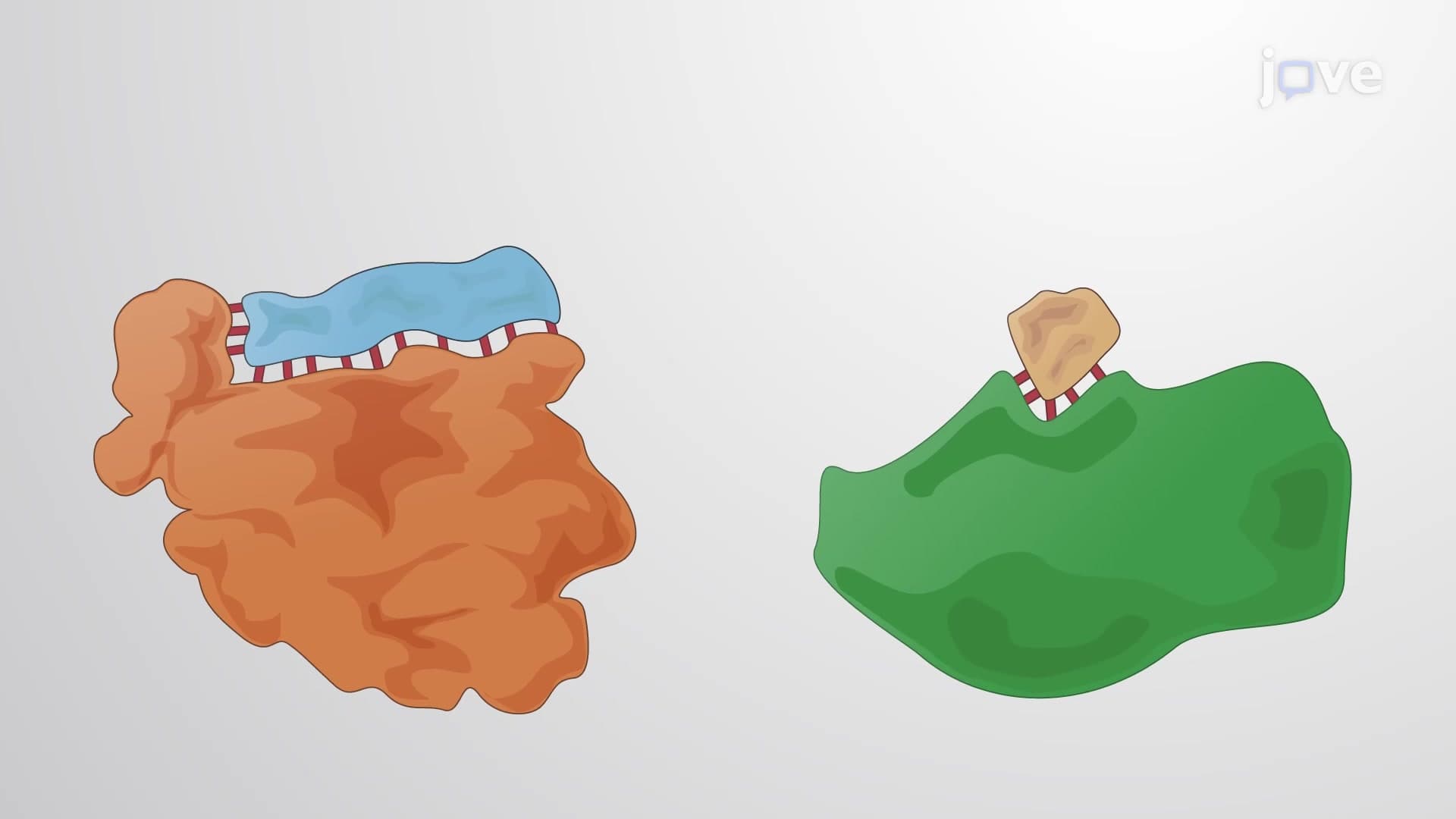
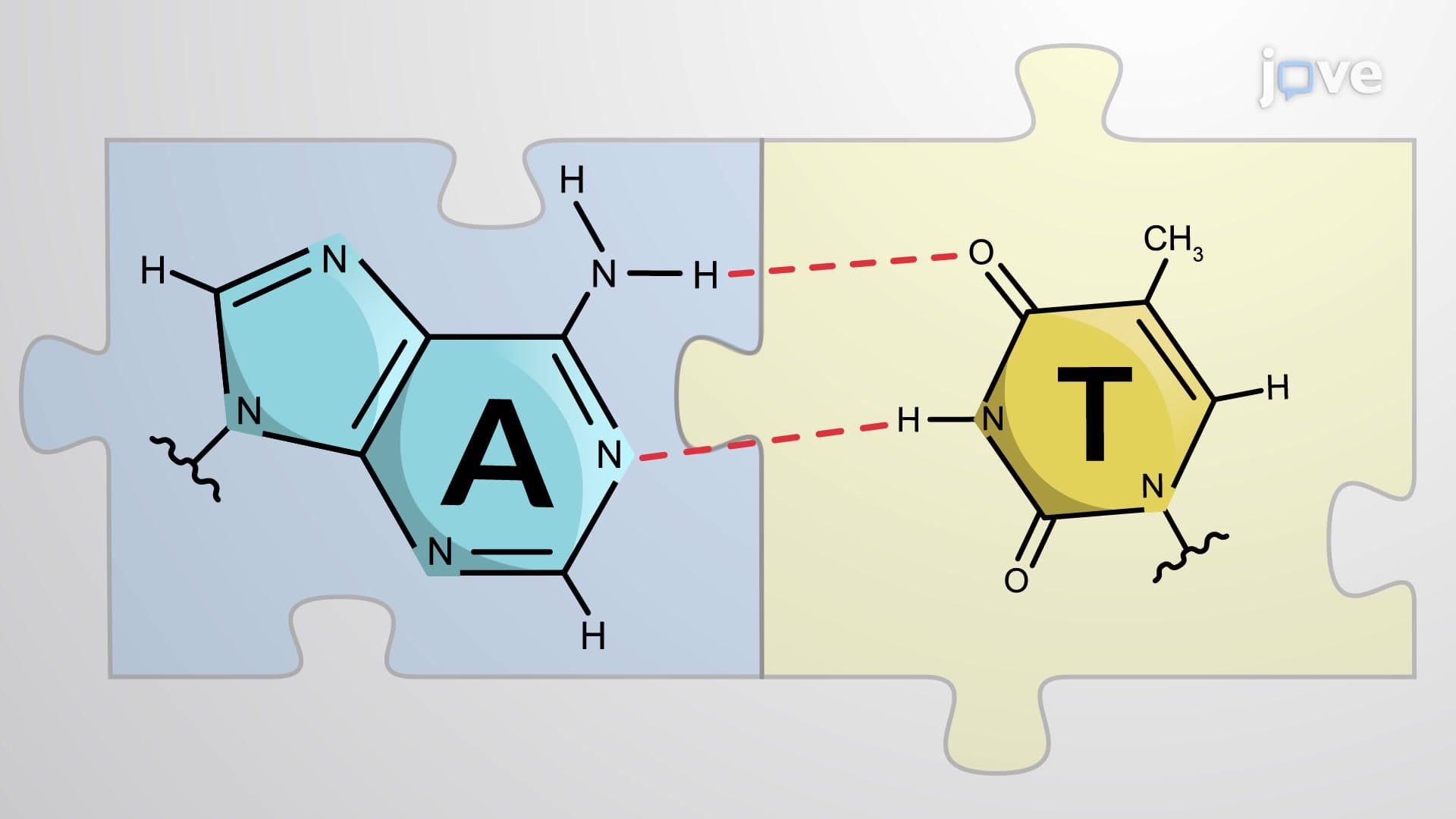
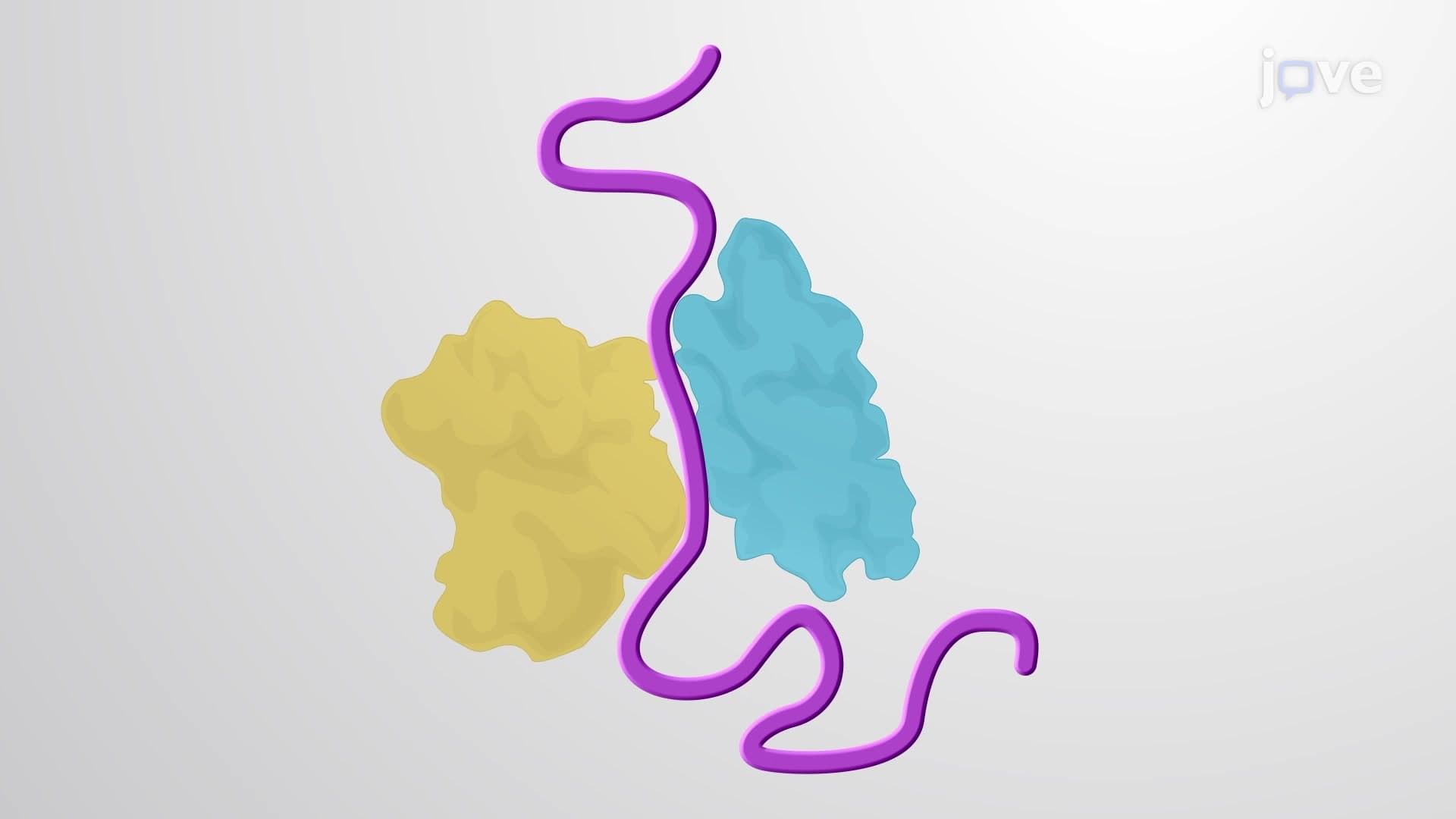
At its core, protein complex assembly relies on complementary molecular surfaces that recognize and bind to each other with remarkable specificity. These interactions involve multiple types of molecular forces working together: hydrophobic regions cluster to exclude water, oppositely charged amino acids form electrostatic bridges, and precisely positioned atoms create hydrogen bonds. The human hemoglobin molecule exemplifies this precision-four protein subunits (two alpha and two beta chains) must assemble correctly to transport oxygen efficiently through your bloodstream.
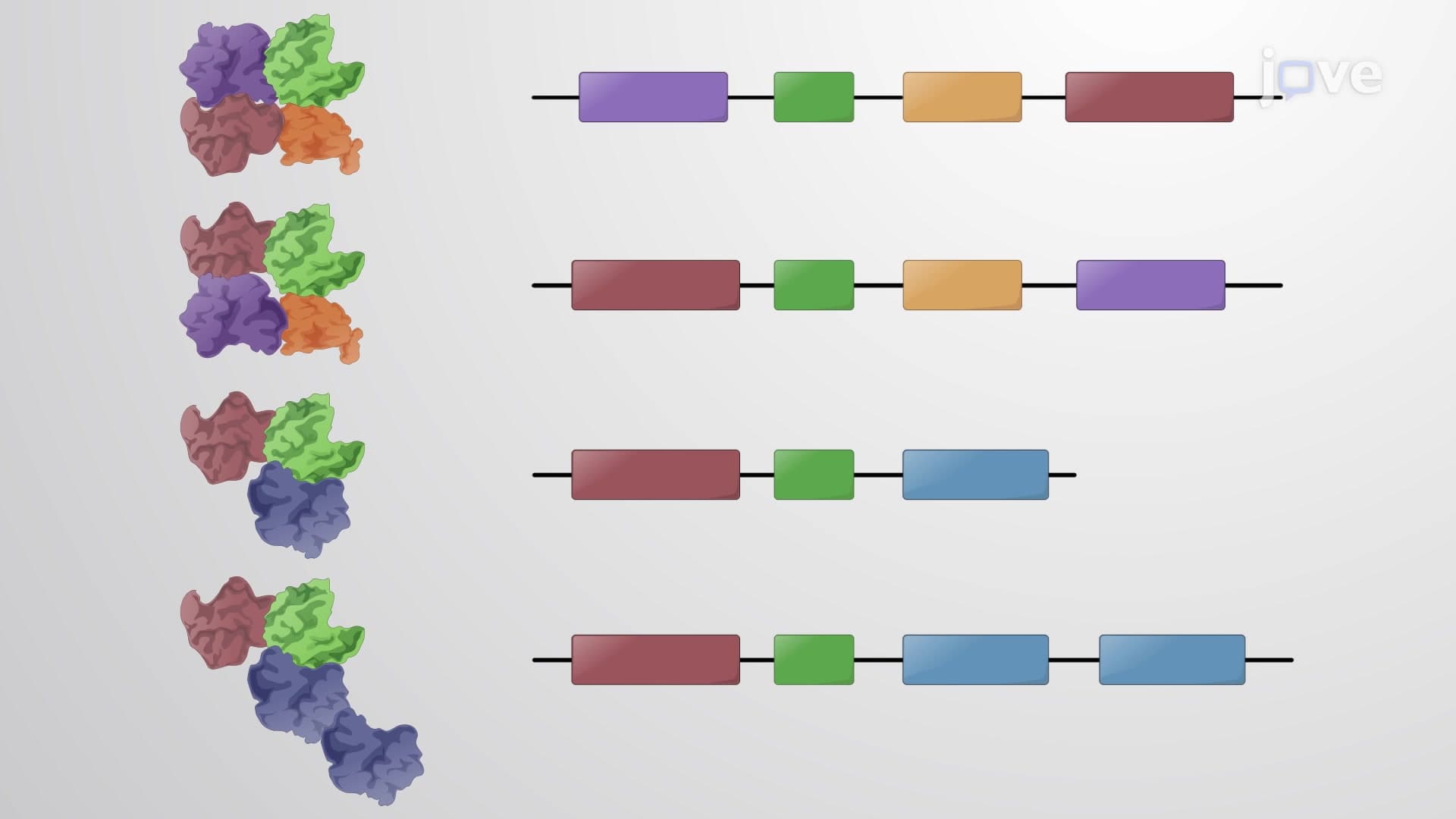
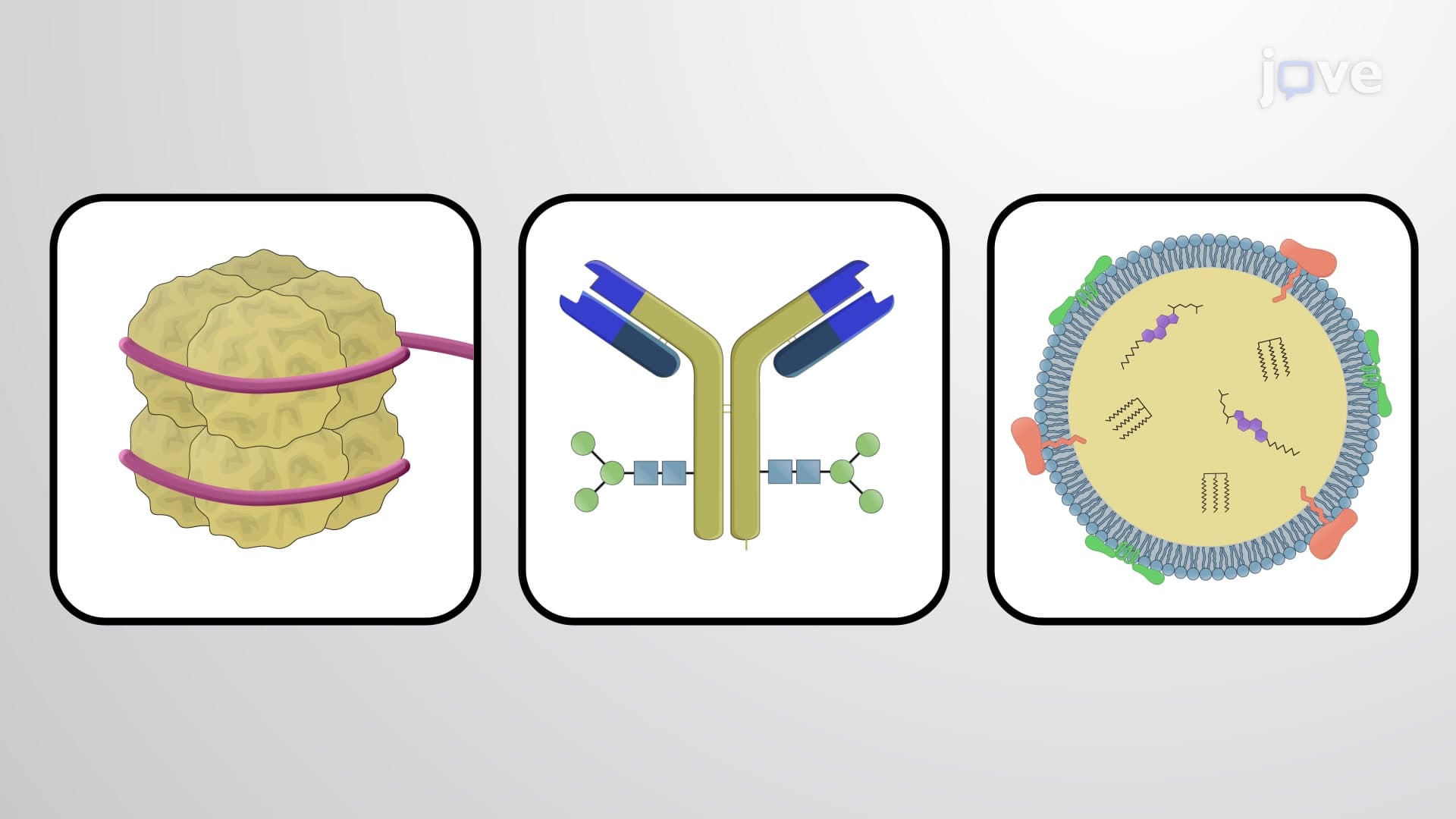
Protein complexes fall into two main categories based on their subunit composition. Homomeric complexes contain multiple copies of identical protein subunits, like the enzyme catalase found in human liver cells, which assembles four identical subunits to break down toxic hydrogen peroxide. Heteromeric complexes combine different protein types, such as the ATP synthase complex in mitochondria, which requires over 15 different protein subunits working together to produce cellular energy.
Assembly pathways vary dramatically in their complexity and regulation. Sequential assembly follows a step-by-step process where subunits add one at a time in a specific order-much like following a recipe where ingredients must be added at precise moments. Cooperative assembly involves multiple subunits binding simultaneously, often triggered by conformational changes that create new binding sites. The 26S proteasome, responsible for degrading damaged proteins in human cells, demonstrates this cooperative mechanism with its precisely choreographed assembly process.
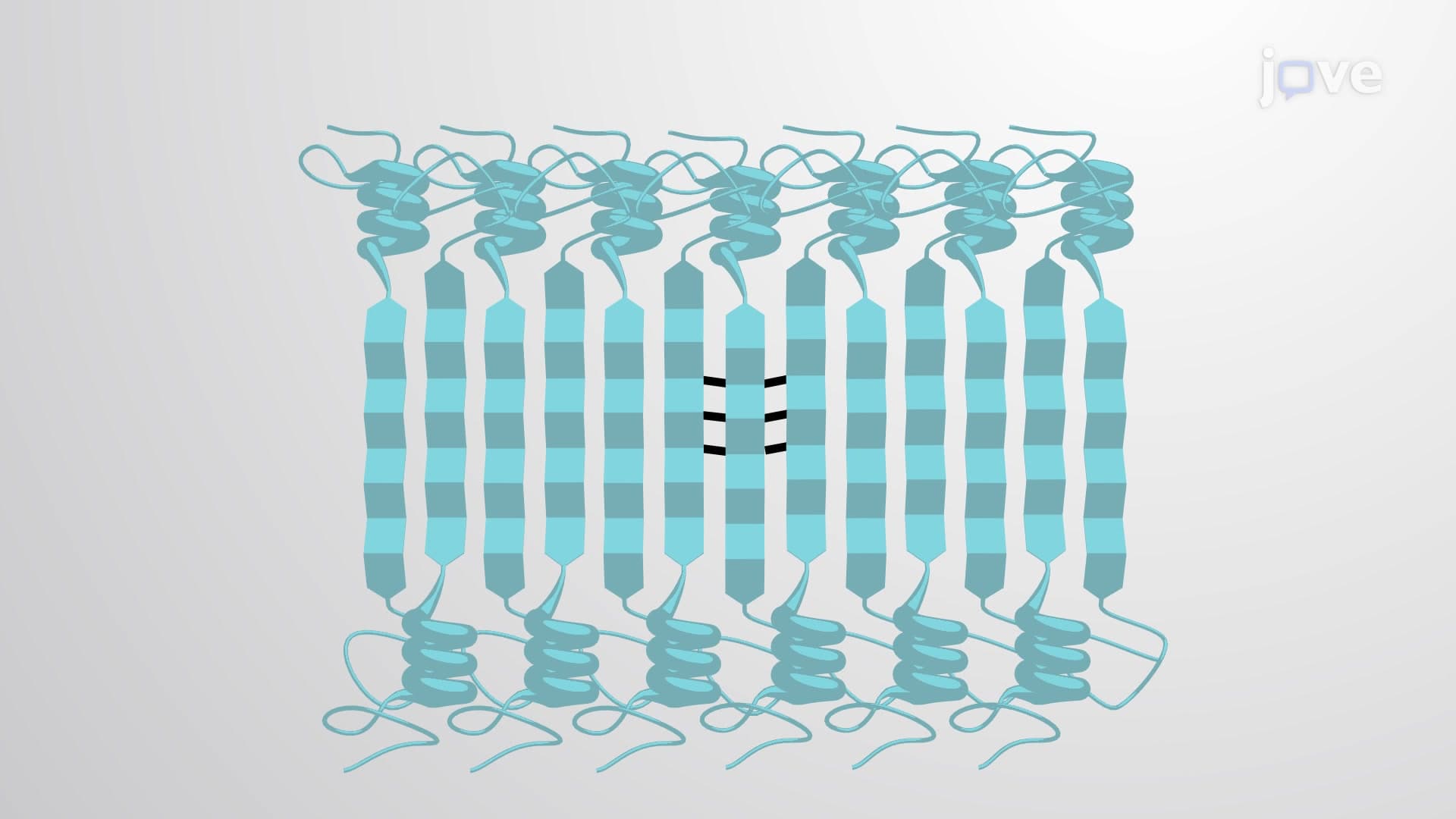
Understanding protein complex assembly has profound implications for human health and biotechnology. Misassembly leads to serious diseases: in Alzheimer's disease, amyloid-beta proteins aggregate abnormally in brain tissue, while in sickle cell anemia, a single amino acid change disrupts normal hemoglobin assembly. These examples frequently appear on MCAT and AP Biology exams, emphasizing the medical relevance of this fundamental concept.
Pharmaceutical companies now design drugs that either promote proper assembly or prevent pathological aggregation. For instance, researchers at major US biotechnology companies are developing therapeutics that stabilize normal protein complexes in neurodegenerative diseases. In synthetic biology, scientists engineer novel protein complexes with custom functions-the 2020 Nobel Prize in Chemistry recognized CRISPR-Cas9, an engineered protein-RNA complex that revolutionized gene editing technology.
Cells don't leave protein complex assembly to chance. Molecular chaperones-specialized proteins that assist in proper folding and assembly-act like cellular quality control inspectors. Heat shock proteins, discovered in US research laboratories, help proteins maintain their correct shapes under stress conditions. The GroEL/GroES chaperonin system, extensively studied at institutions like Stanford and MIT, provides a protected environment where proteins can fold correctly before joining larger complexes.
Related Micro-courses