Loading video…


 18 Concepts
 131.2K views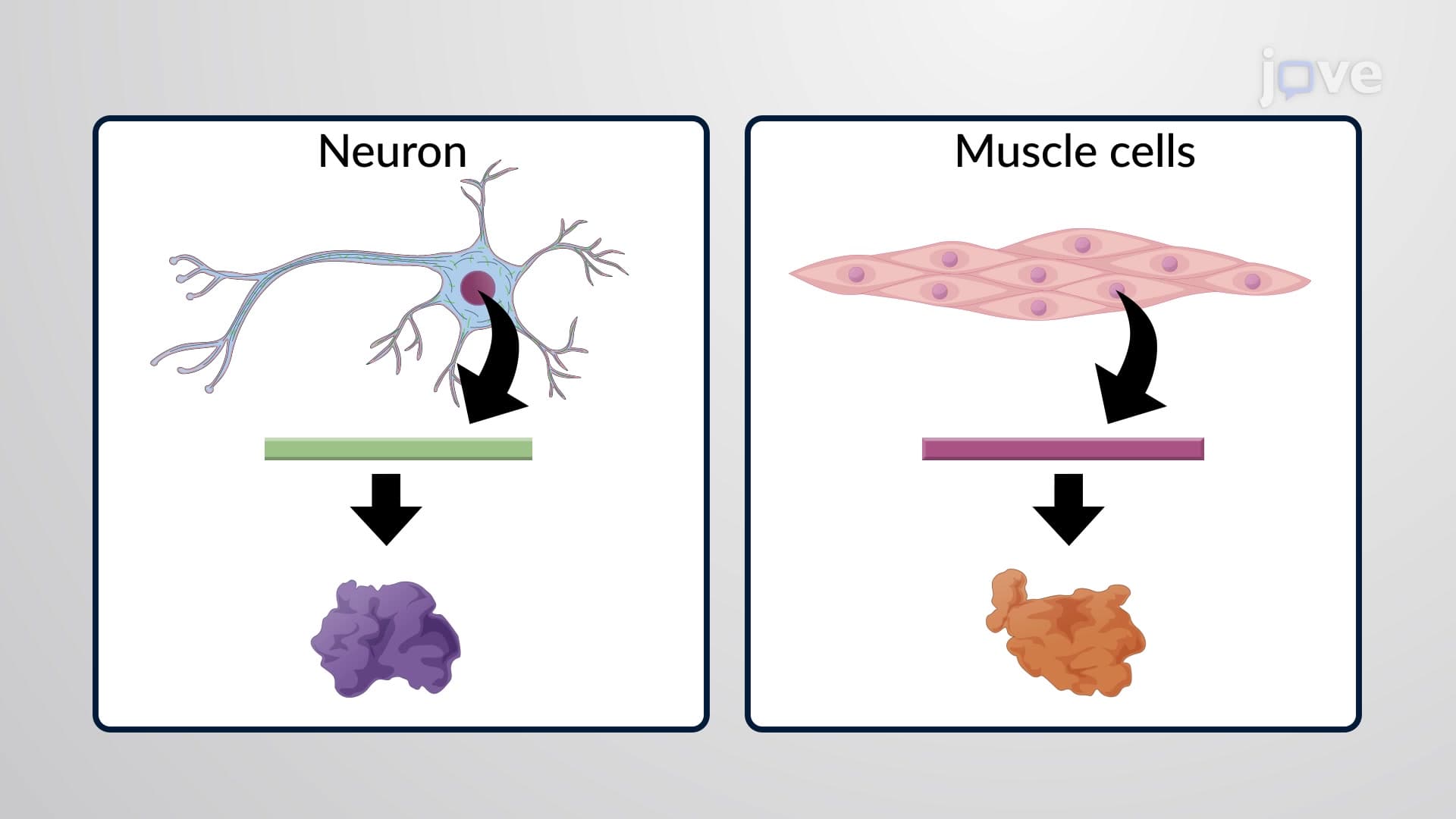

Video Summary: Gene Expression Definition
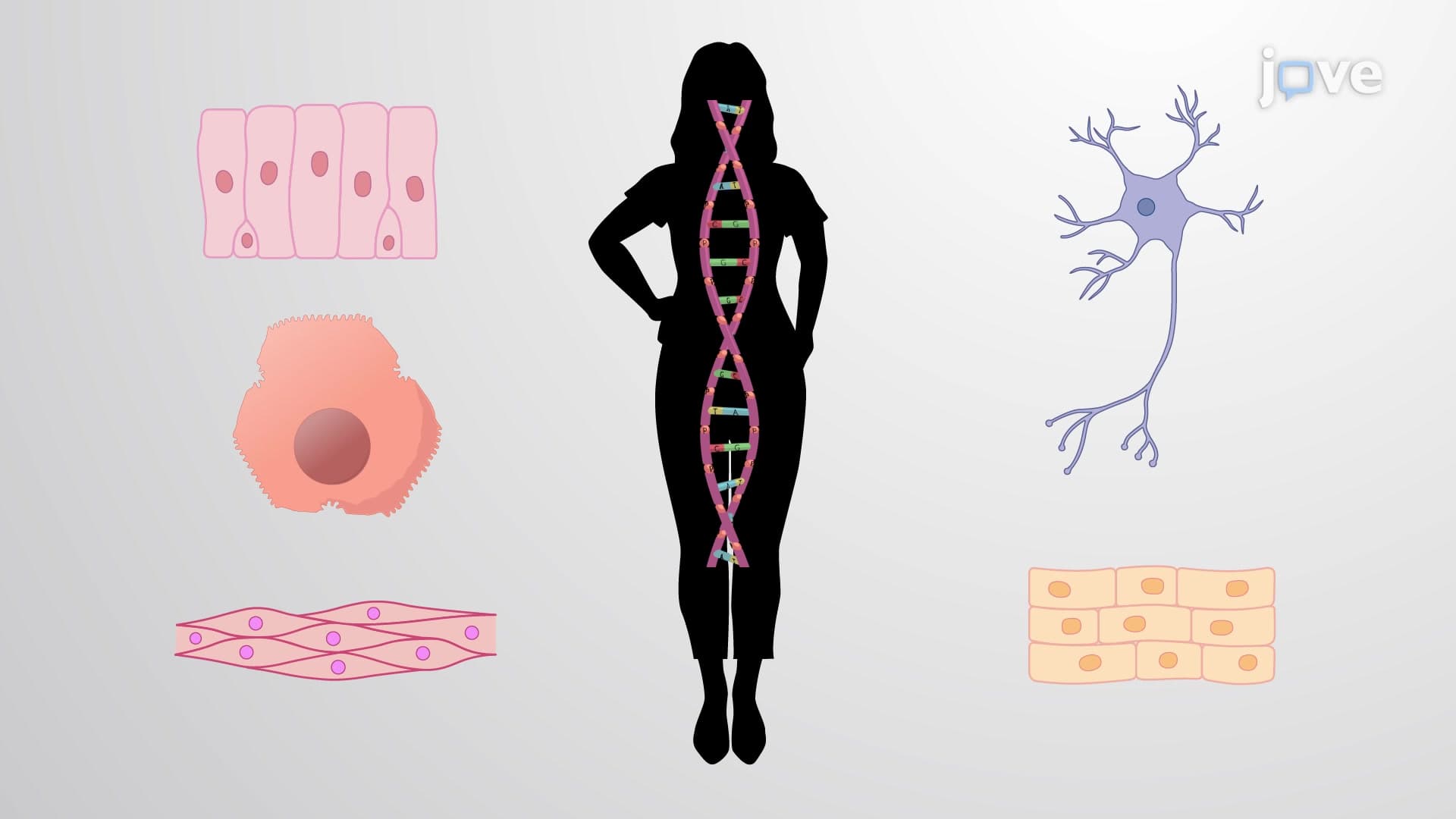
Why do brain cells think while muscle cells contract, even though they share identical DNA? Gene expression determines which genes become active proteins in different cell types. For example, heart muscle cells in a Stanford Medical Center patient express cardiac-specific genes that enable rhythmic contractions, while their neurons express completely different genes for electrical signaling. This selective gene expression definition explains how one genome creates diverse, specialized cell functions throughout the human body. Watch the full video on JoVE Coach to master this concept with expert-led visuals and step-by-step explanations.
Gene expression represents the fundamental process by which genetic information stored in DNA becomes functional proteins that define cellular identity and behavior. While every human cell contains approximately 20,000-25,000 genes, only a subset becomes actively expressed in any given cell type. This selective expression explains why liver cells produce albumin proteins while pancreatic beta cells manufacture insulin, despite sharing identical genetic blueprints.
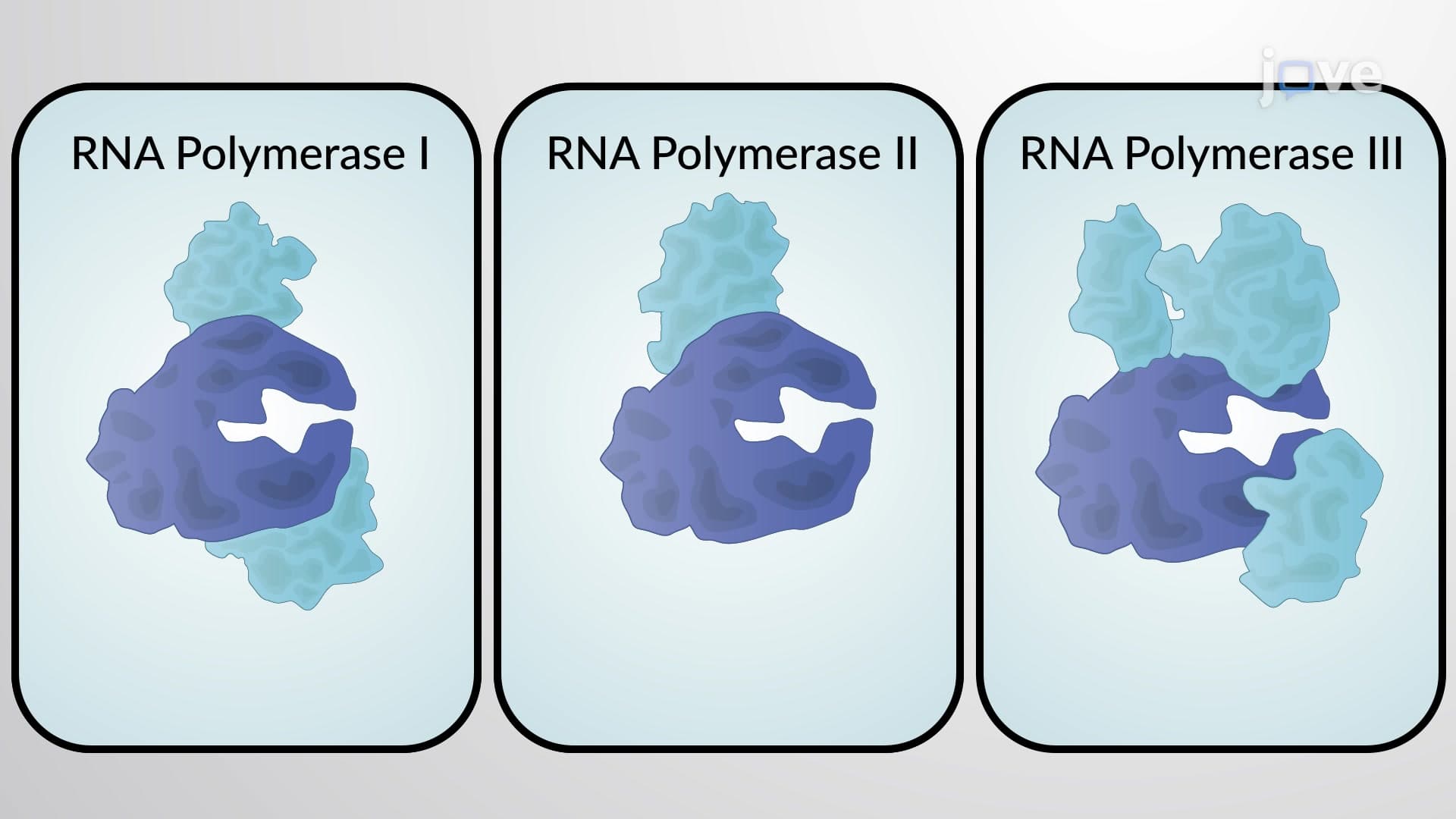
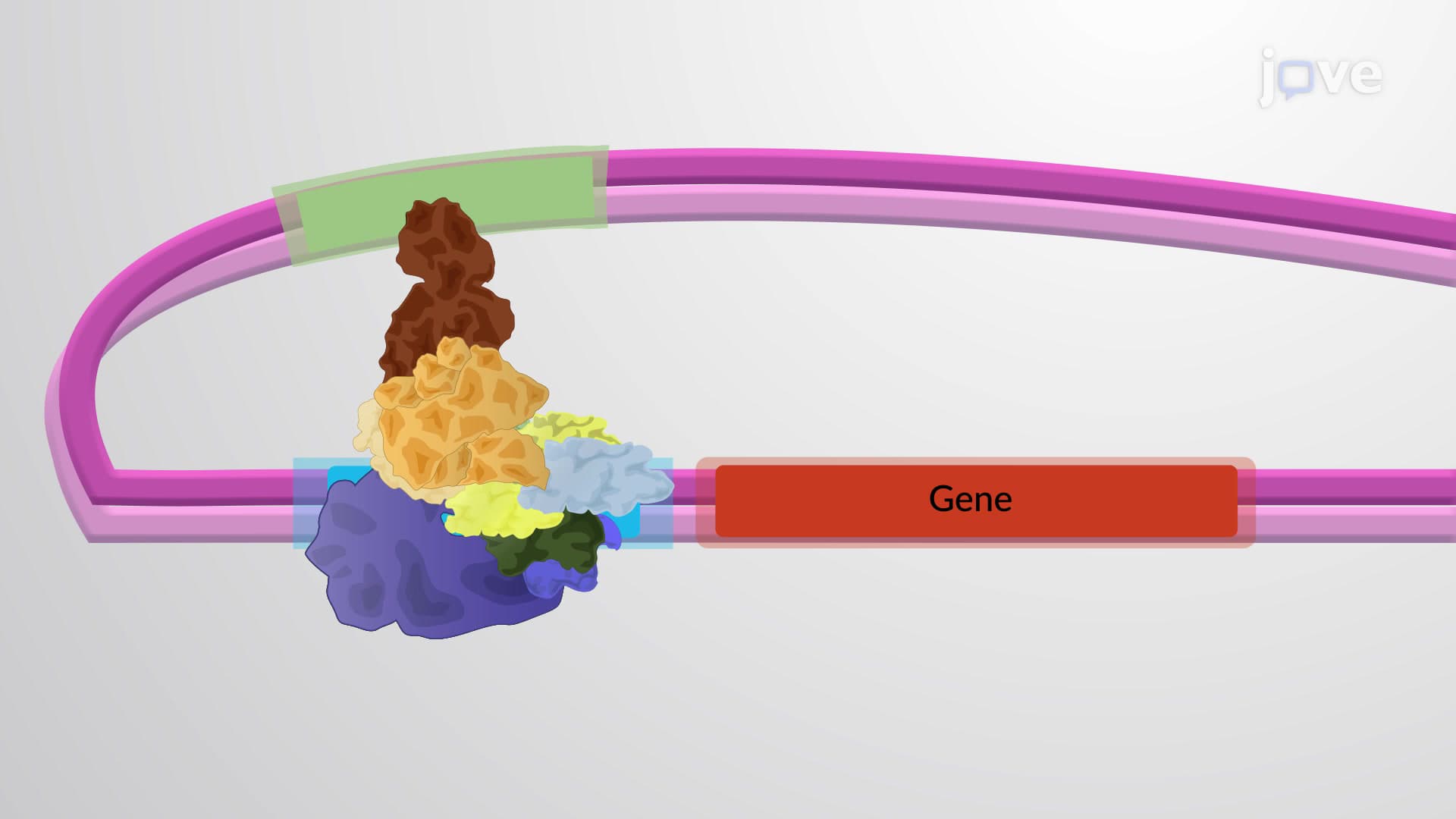
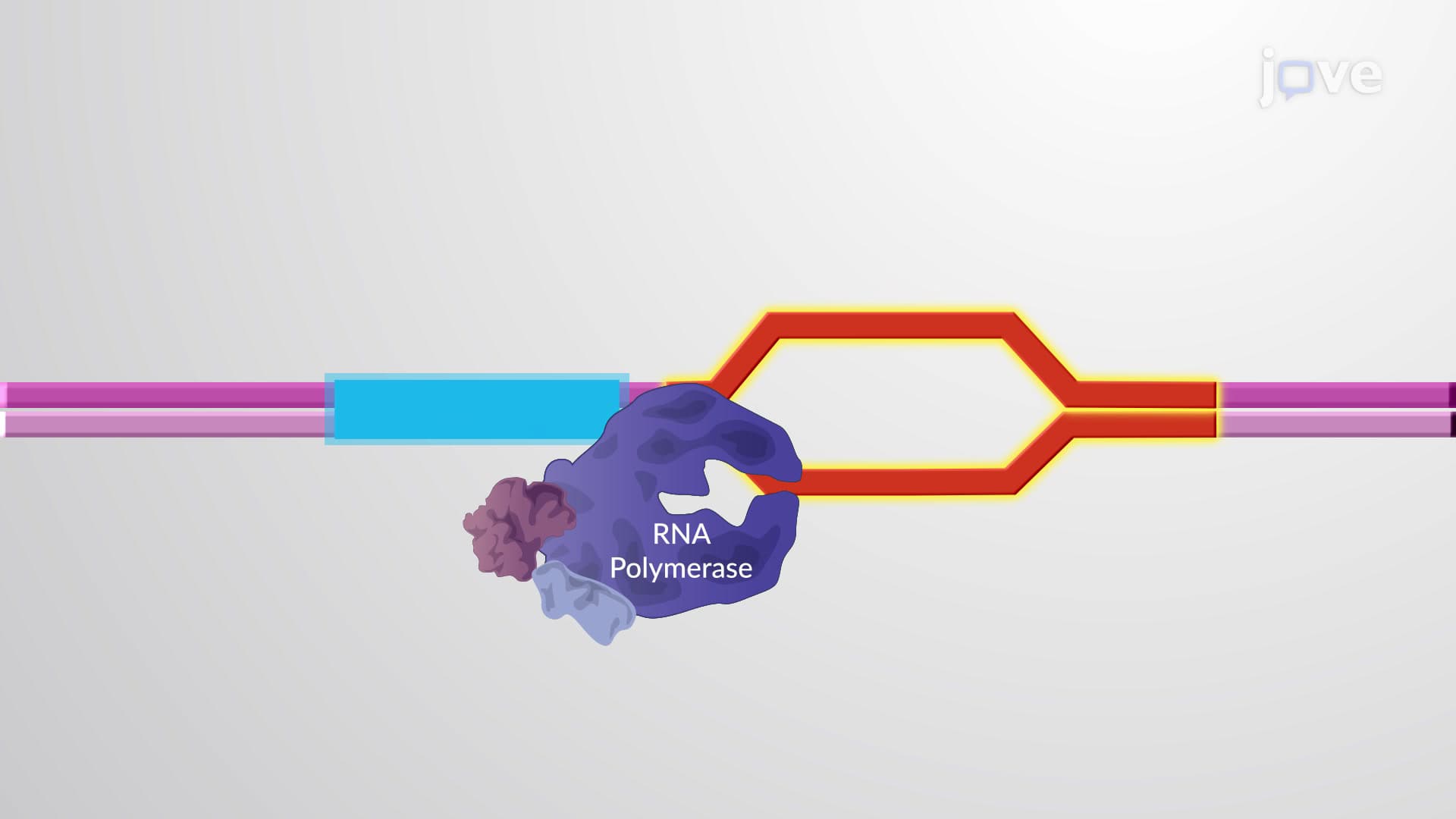
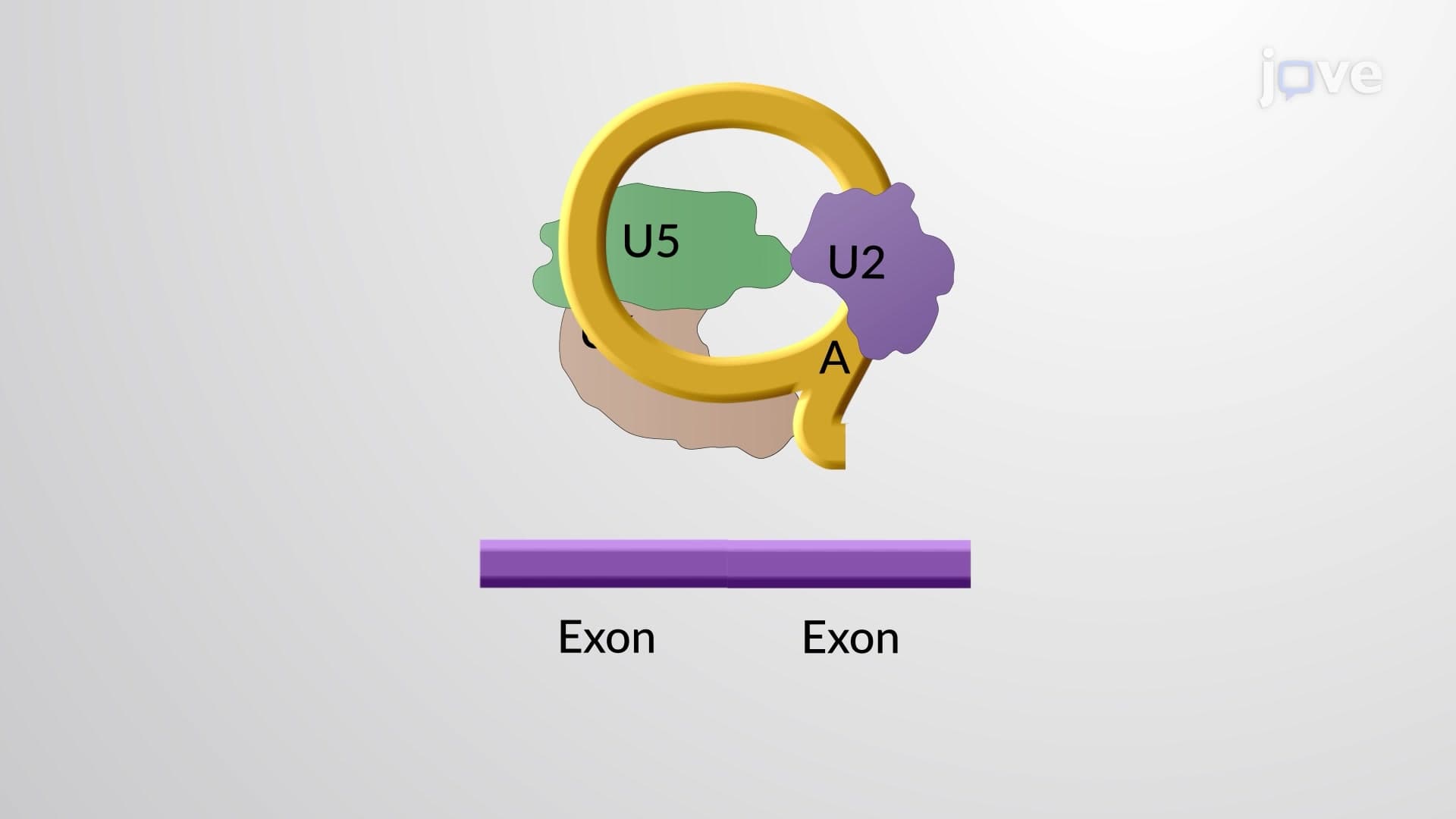
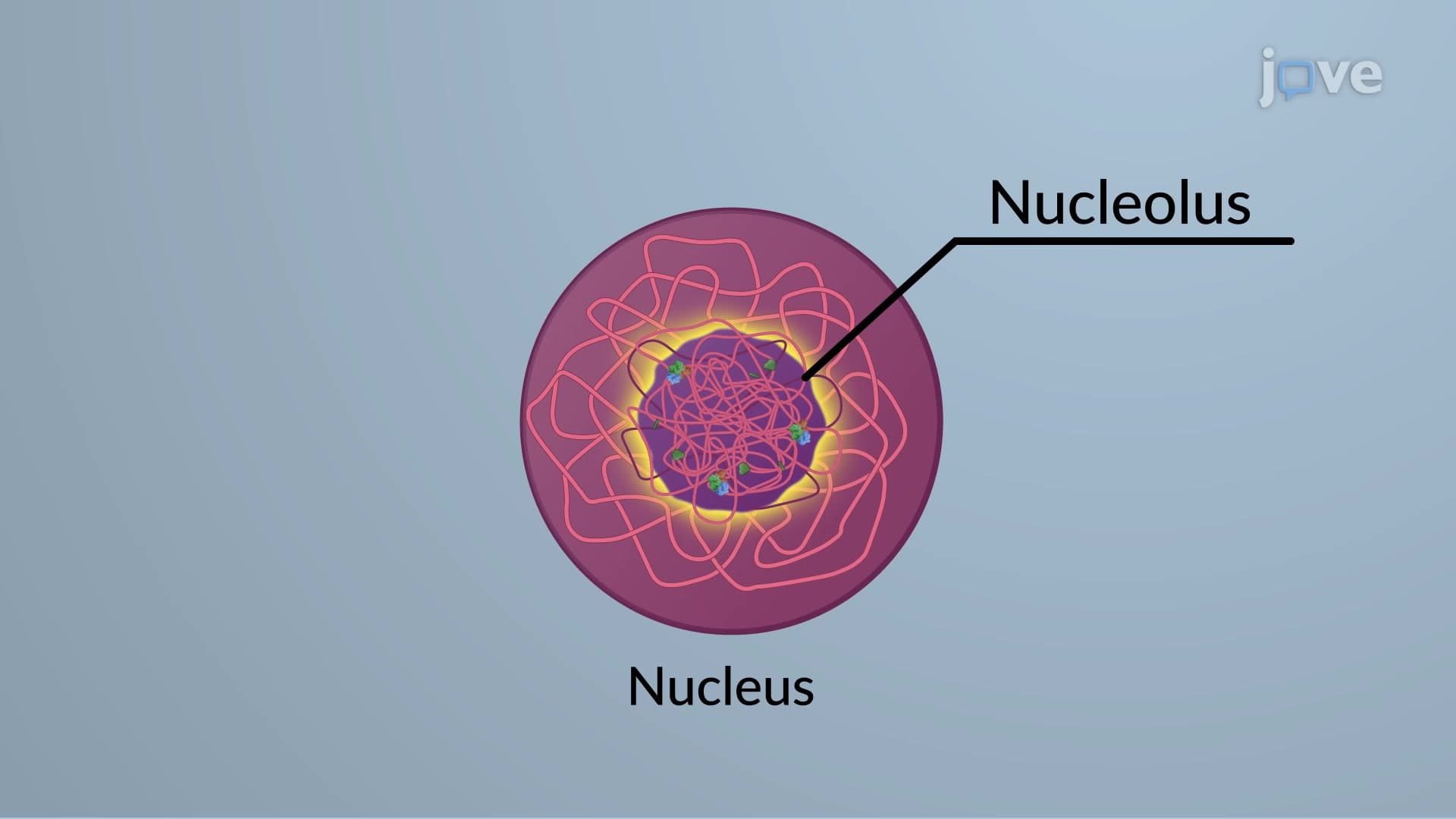
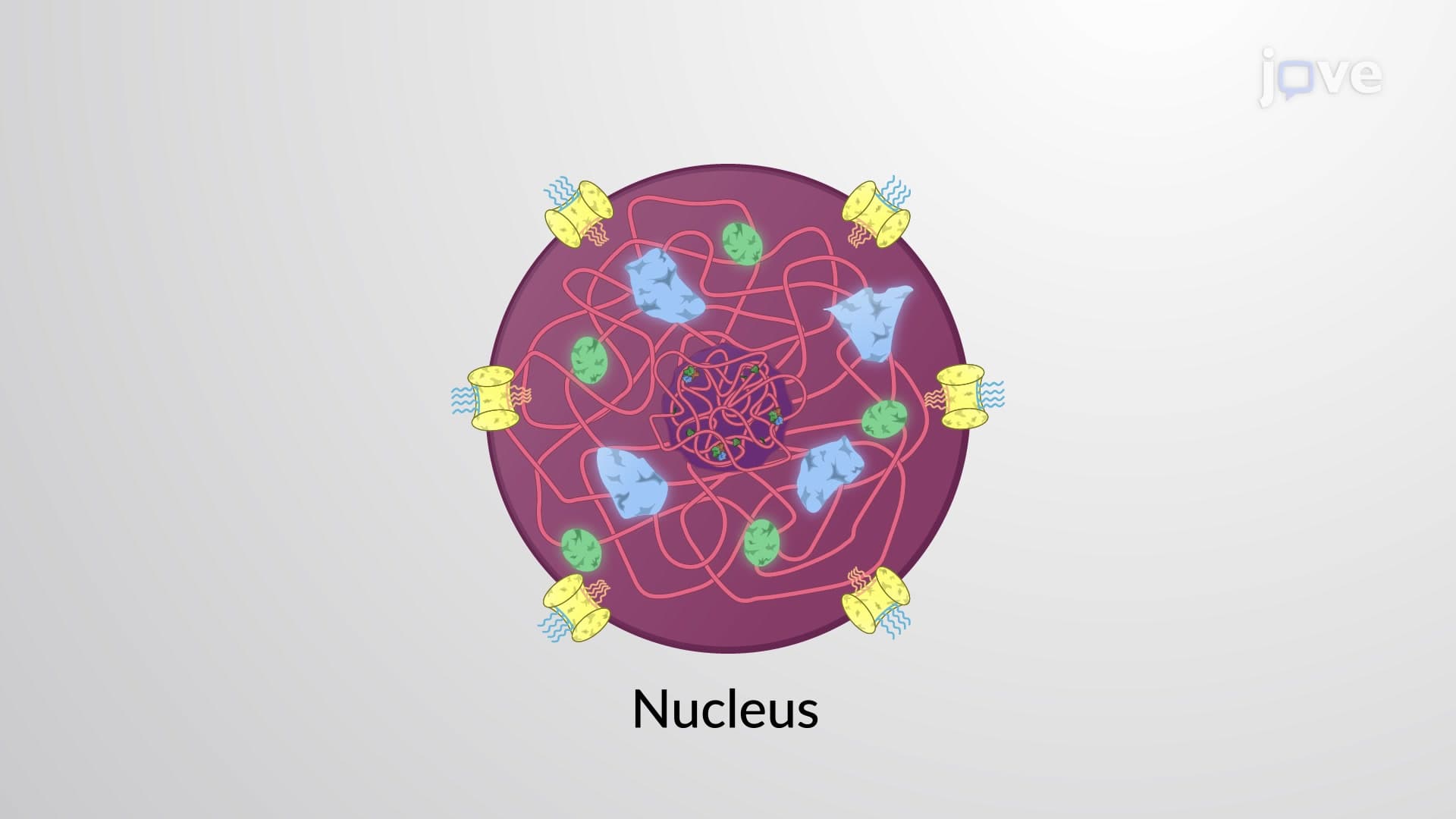
Gene expression biology explained involves two critical phases occurring in distinct cellular compartments. Transcription initiates within the nucleus, where DNA serves as a template for RNA polymerase enzymes. These molecular machines synthesize pre-mRNA transcripts containing both coding sequences (exons) and non-coding regions (introns). The subsequent splicing process removes introns, creating mature messenger RNA (mRNA) that exits the nucleus.
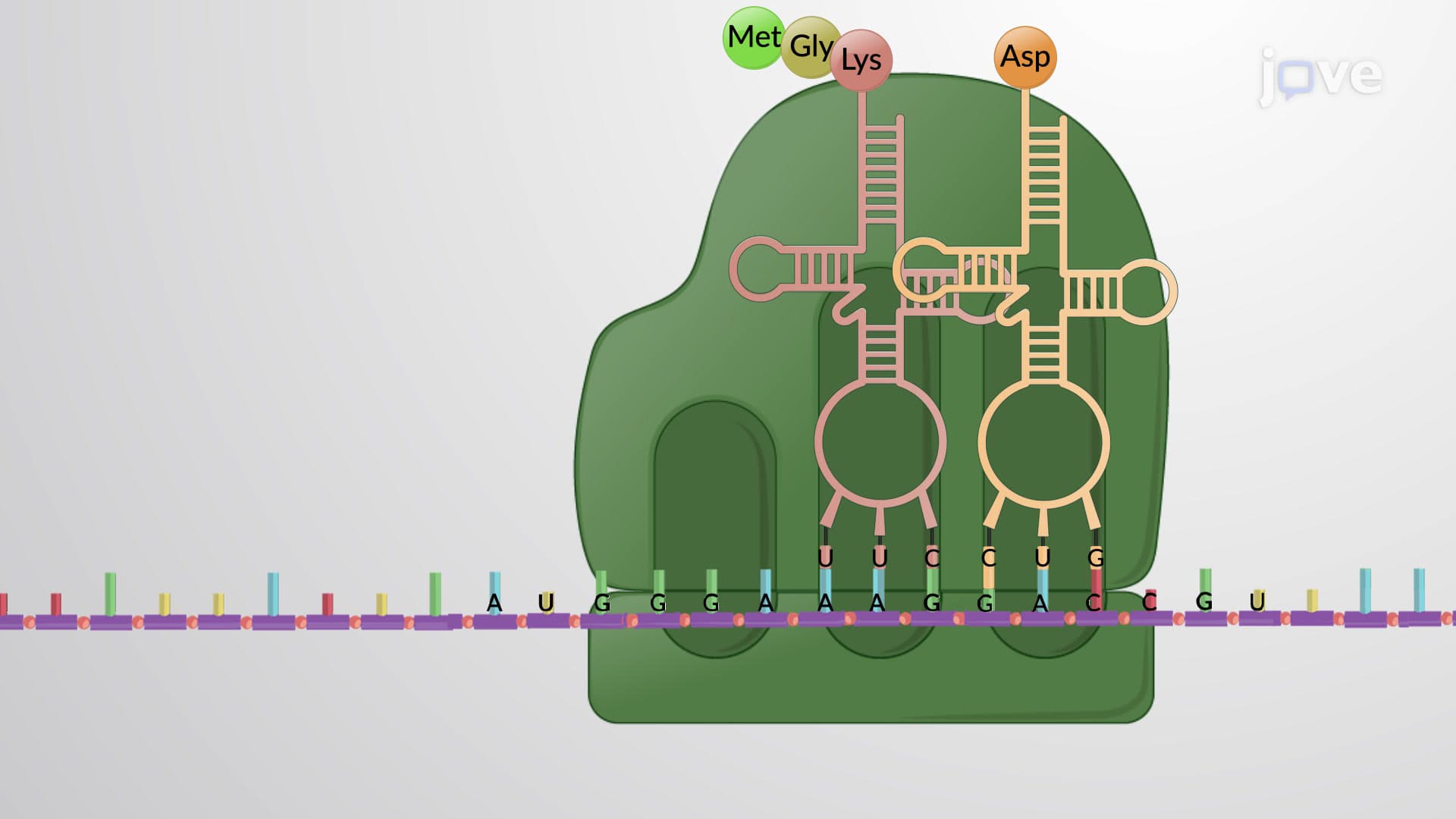
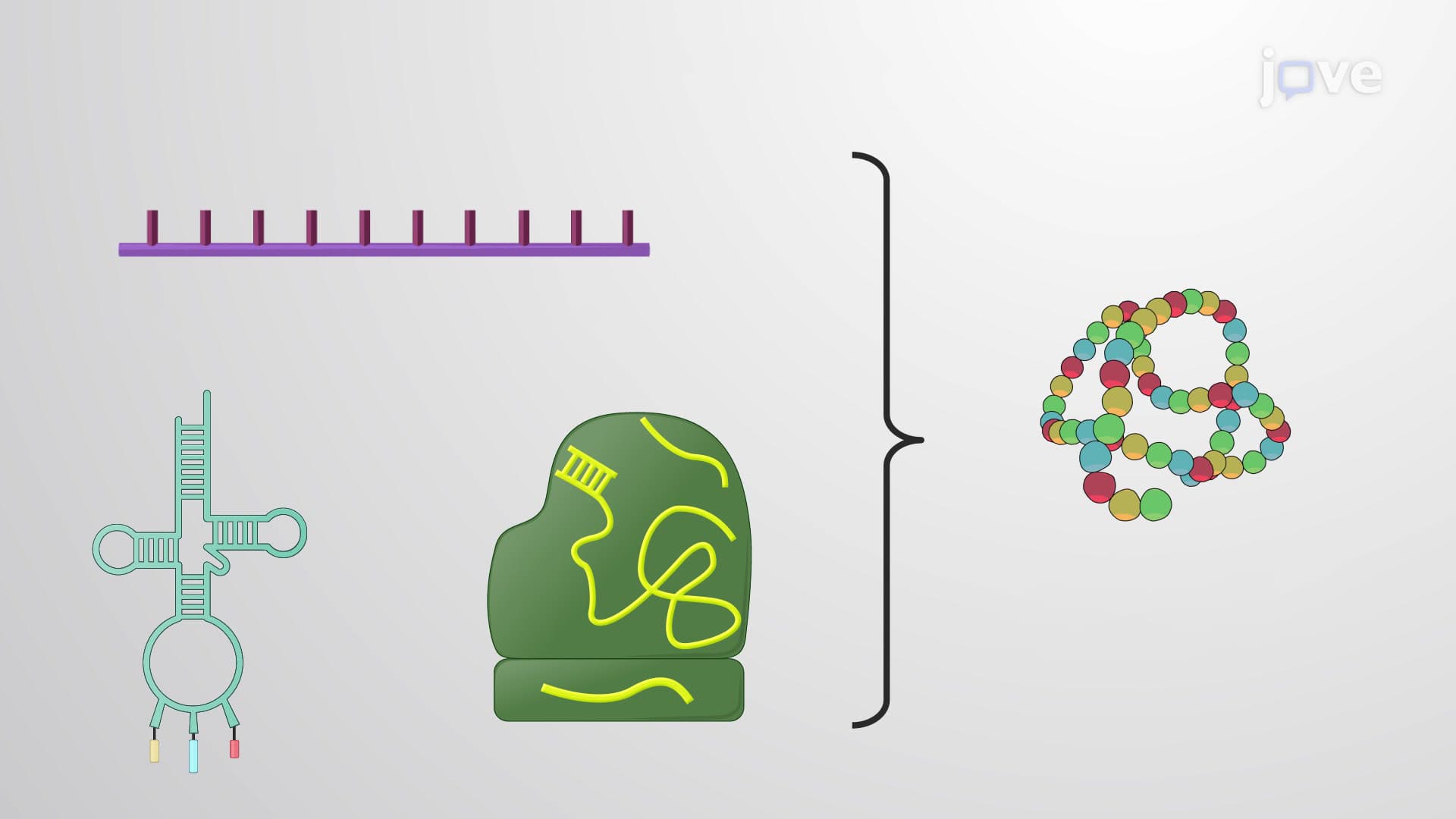
Translation occurs in the cytoplasm, where ribosomes decode mRNA sequences into amino acid chains. Transfer RNA (tRNA) molecules deliver specific amino acids corresponding to three-nucleotide codons. For instance, the codon AUG signals methionine incorporation and translation initiation. This process continues until stop codons (UAA, UAG, UGA) terminate protein synthesis.
What is gene expression regulation reveals sophisticated control systems operating at multiple levels. Epigenetic modifications, including DNA methylation and histone acetylation, influence gene accessibility without altering DNA sequences. These mechanisms explain how environmental factors can modify gene expression patterns, as observed in studies of identical twins raised in different conditions.
Post-transcriptional regulation involves microRNAs (miRNAs) and small interfering RNAs (siRNAs) that bind complementary mRNA sequences, preventing translation. The Mayo Clinic's research on cancer demonstrates how dysregulated miRNAs contribute to oncogene overexpression and tumor suppressor silencing.
Gene expression concepts appear extensively in AP Biology examinations, particularly regarding cellular differentiation and cancer biology. MCAT test-takers encounter gene regulation questions linking molecular mechanisms to disease pathogenesis. Understanding these principles proves essential for pre-medical students exploring how genetic mutations disrupt normal expression patterns, leading to conditions like sickle cell anemia or Huntington's disease.
Related Micro-courses