Loading video…


 18 Concepts
 131.2K views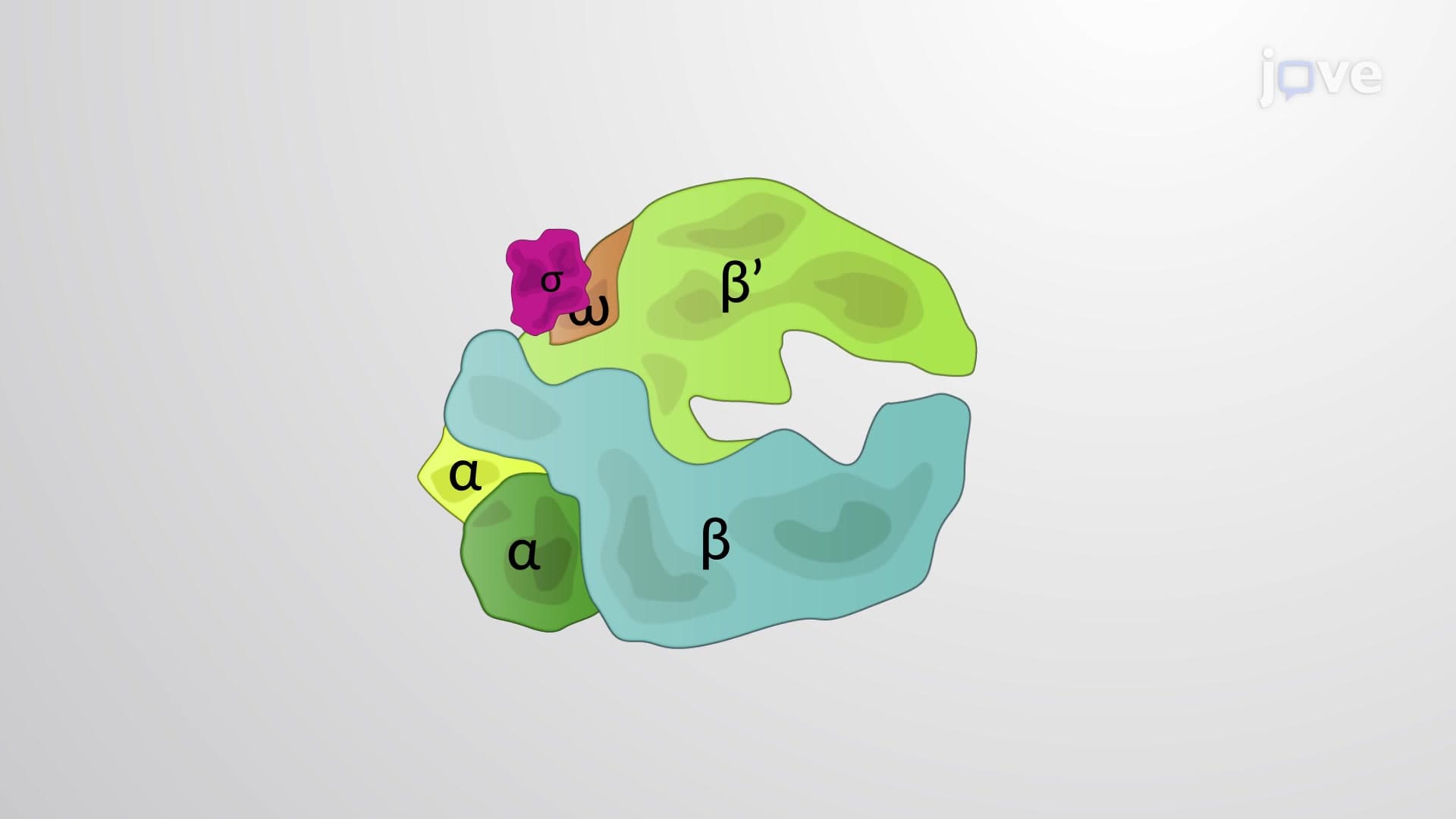

Video Summary: What Is Bacterial RNA Polymerase
Did you know that every antibiotic targeting strep throat works by shutting down bacterial RNA polymerase? This essential enzyme drives all gene expression in bacteria, from the E. coli in research labs at Stanford University to the pathogens causing infections. What is bacterial RNA polymerase becomes crucial when understanding how cells convert DNA instructions into functional proteins through transcription. Watch the full video on JoVE Coach to master this concept with expert-led visuals and step-by-step explanations.
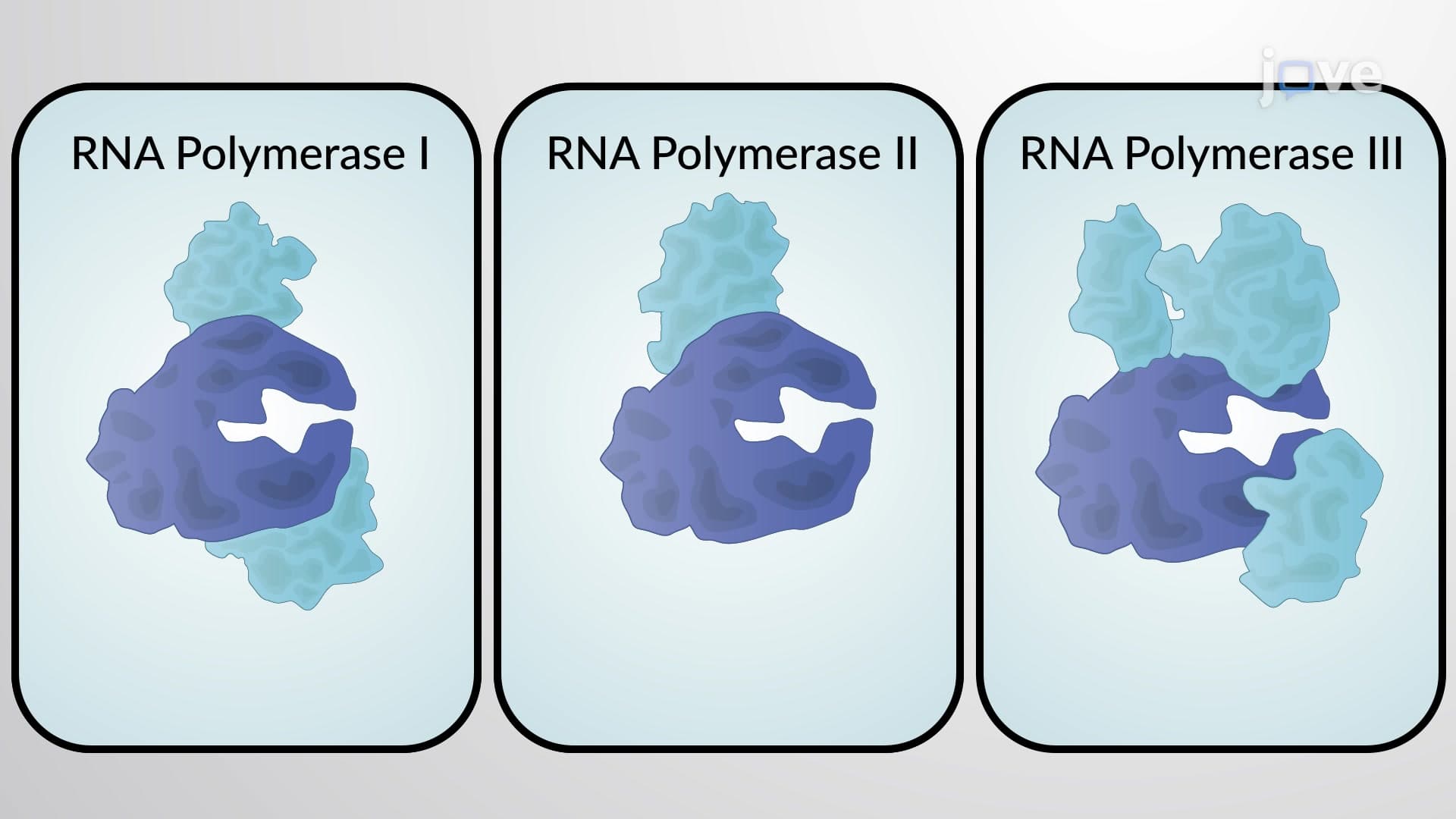
Bacterial RNA polymerase represents one of biology's most essential molecular machines, responsible for converting genetic information stored in DNA into RNA molecules that direct cellular processes. Unlike eukaryotic cells that contain three distinct RNA polymerases, bacteria utilize a single, multi-subunit enzyme to transcribe all genes. This streamlined approach makes bacterial systems invaluable for both fundamental research and practical applications in biotechnology.
The enzyme consists of a core enzyme containing two alpha (α) subunits, one beta (β) subunit, and one beta-prime (β') subunit, forming the catalytic center. However, the core enzyme alone cannot initiate transcription efficiently. It requires an additional sigma (σ) factor to form the holoenzyme capable of recognizing specific promoter sequences. This modular design allows bacteria to regulate gene expression by switching between different sigma factors, each directing the polymerase to distinct sets of genes.
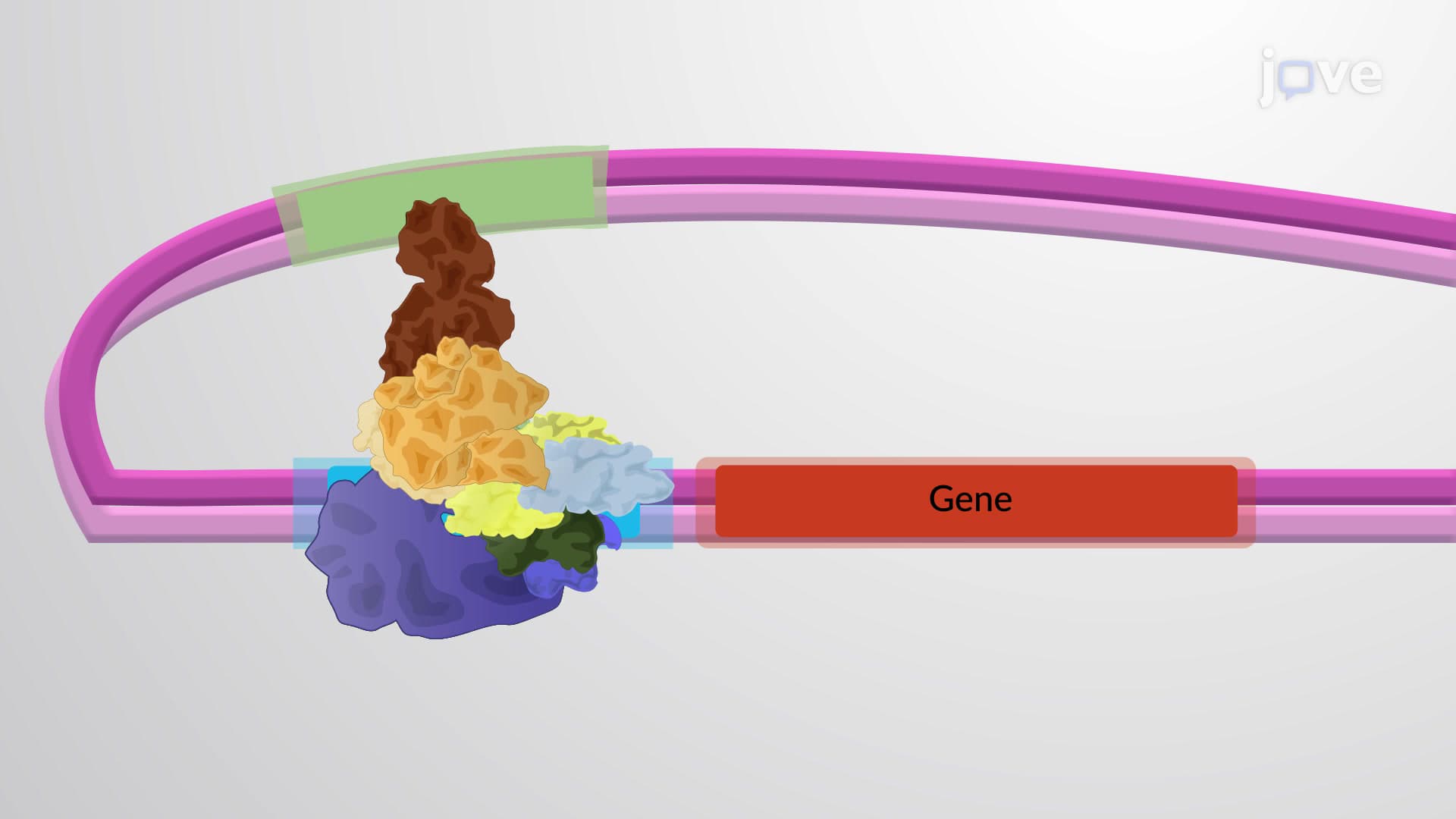
The sigma factor acts as the enzyme's GPS system, guiding bacterial RNA polymerase to appropriate starting points on DNA. Most bacterial promoters contain two conserved sequences: the -10 region (Pribnow box) with consensus sequence TATAAT, and the -35 region with consensus TTGACA. These numbers indicate their positions relative to the transcription start site. The sigma factor directly contacts these DNA elements, positioning the polymerase for accurate transcription initiation.
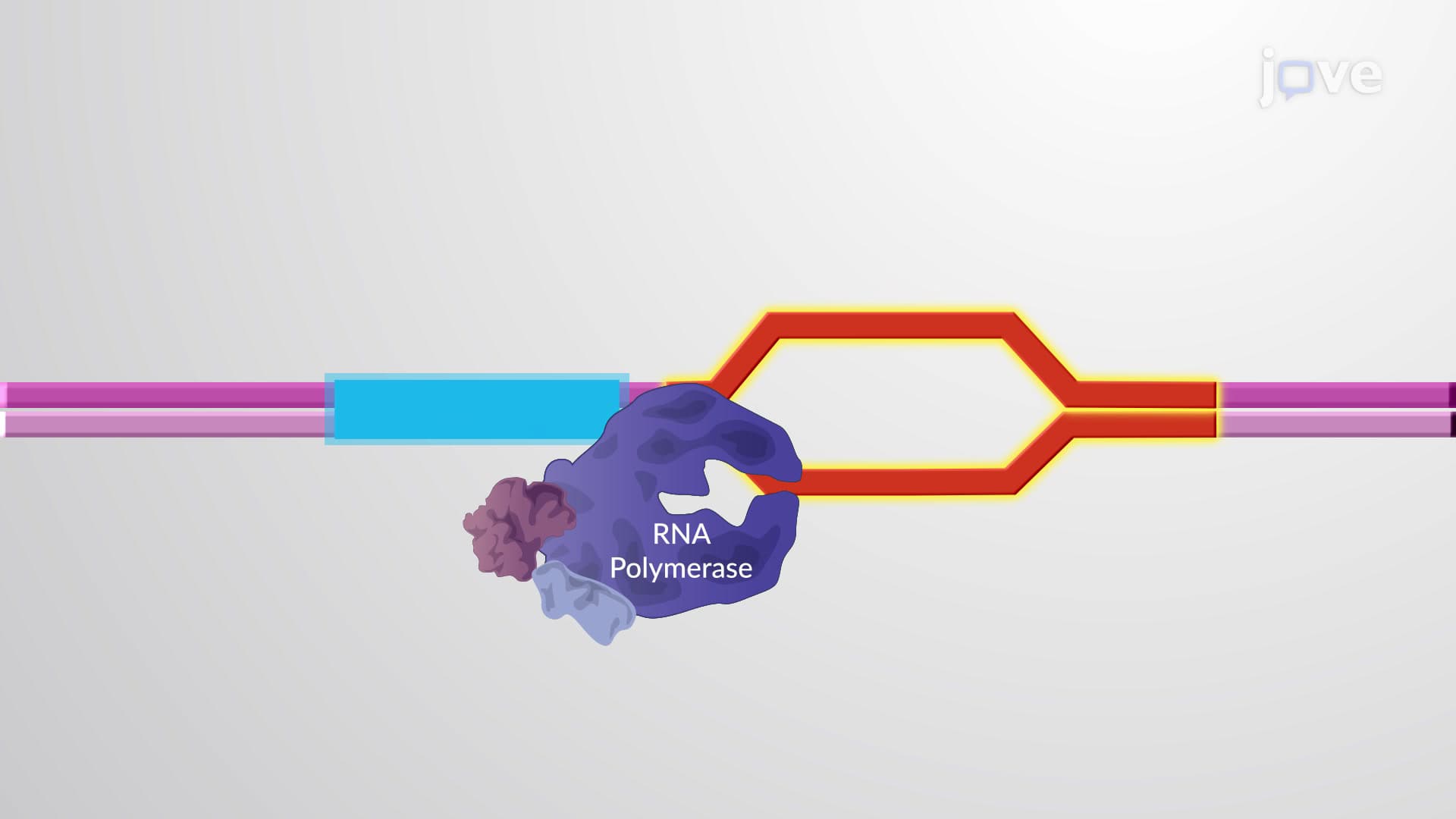
During initiation, bacterial RNA polymerase undergoes significant conformational changes. The enzyme binds to the promoter as a closed complex, then transitions to an open complex where DNA strands separate. This process, called DNA melting, exposes the template strand for RNA synthesis. Understanding these mechanisms proves crucial for AP Biology students tackling transcription questions and college students studying molecular biology.
Bacterial RNA polymerase biology explained extends far beyond academic interest into practical medical applications. The antibiotic rifampicin, used to treat tuberculosis, specifically targets bacterial RNA polymerase by blocking the exit channel for newly synthesized RNA. This selectivity-targeting bacterial but not human RNA polymerases-makes it an effective antimicrobial agent with minimal side effects.
In biotechnology, bacterial RNA polymerase drives the multi-billion-dollar recombinant protein industry. Companies like Genentech and Amgen rely on bacterial expression systems using E. coli RNA polymerase to produce human insulin, growth hormones, and therapeutic antibodies. The enzyme's efficiency and well-characterized properties make bacterial systems the preferred choice for initial protein production studies.
Students preparing for the MCAT will encounter bacterial RNA polymerase in biochemistry passages, while those taking college molecular biology courses must understand its regulation for comprehensive exam success.
Related Micro-courses