Loading video…


 20 Concepts
 31.2K views

Video Summary: Drive Reduction Theory Push Theory Explained
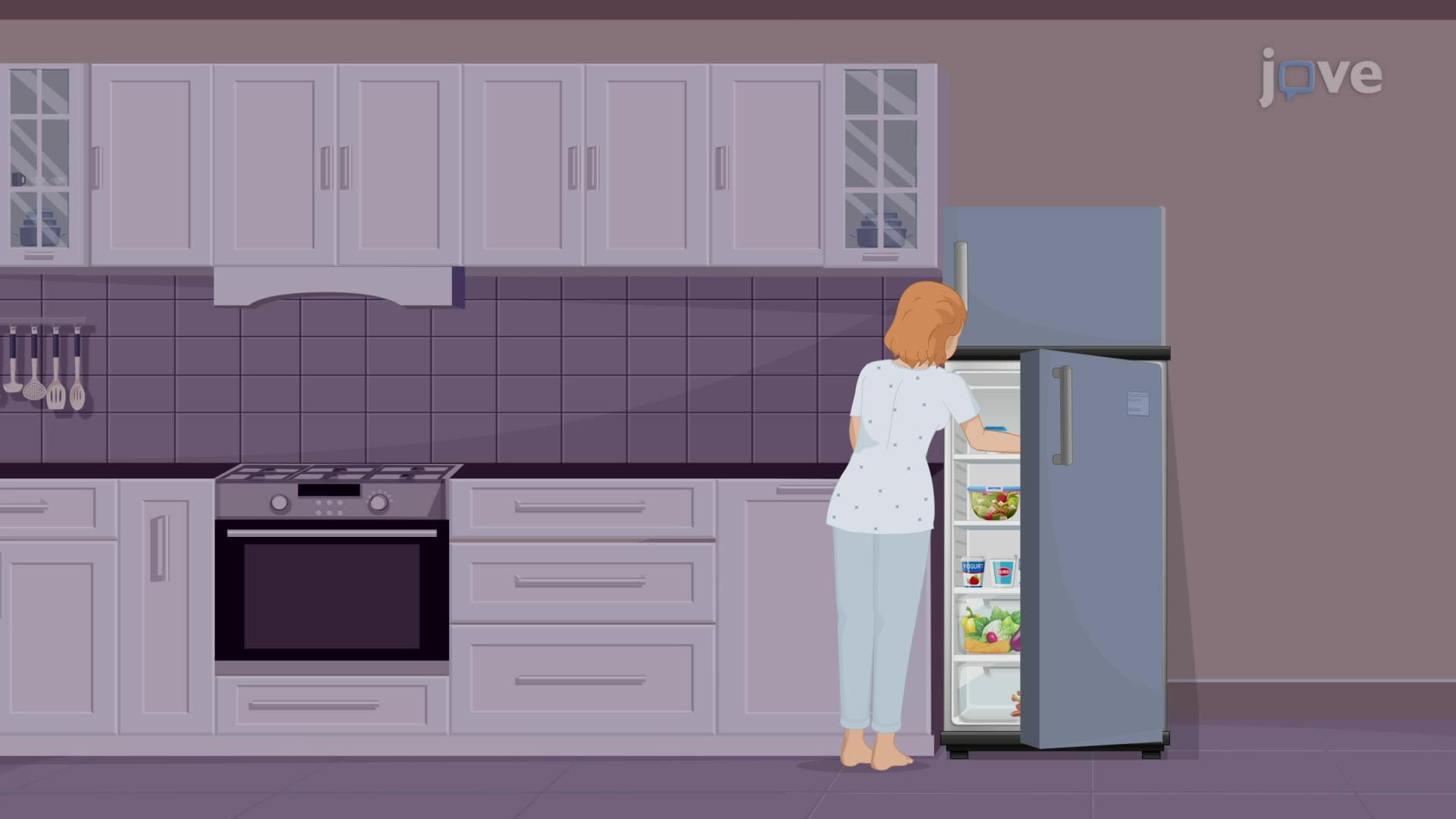
Ever wonder why you suddenly crave a cold drink during a hot Texas summer day? The incentive theory pull theory of motivation and its counterpart, the Drive Reduction Theory Push Theory Explained, reveal how our bodies drive us toward specific behaviors to restore balance. Clark Hull's groundbreaking theory shows how biological needs like thirst create internal tension that pushes us to take action-like reaching for that refreshing beverage to cool down and rehydrate. Watch the full video on JoVE Coach to master this concept with expert-led visuals and step-by-step explanations.
Clark Hull's drive reduction theory, commonly known as the push theory of motivation, fundamentally changed how psychologists understand human behavior. Unlike the incentive theory pull theory of motivation that focuses on external rewards drawing us forward, Hull's theory emphasizes internal biological needs that push us into action. This distinction becomes crucial when students encounter motivation questions on the AP Psychology exam or college psychology courses.
Hull identified that motivation begins with physiological imbalances creating internal tension. When your blood sugar drops during a long study session, this biological need generates a drive state that compels you to seek food. This process illustrates how primary drives-those essential for survival like hunger, thirst, sleep, and temperature regulation-operate automatically without learning. Students preparing for the MCAT often encounter questions comparing these innate drives with learned behaviors.
Secondary or acquired drives develop through experience and conditioning. A high school student's drive to achieve good grades stems not from biological necessity but from learned associations between academic success and social approval or future opportunities. These acquired drives explain why some students feel motivated by competition while others respond to collaborative learning environments.
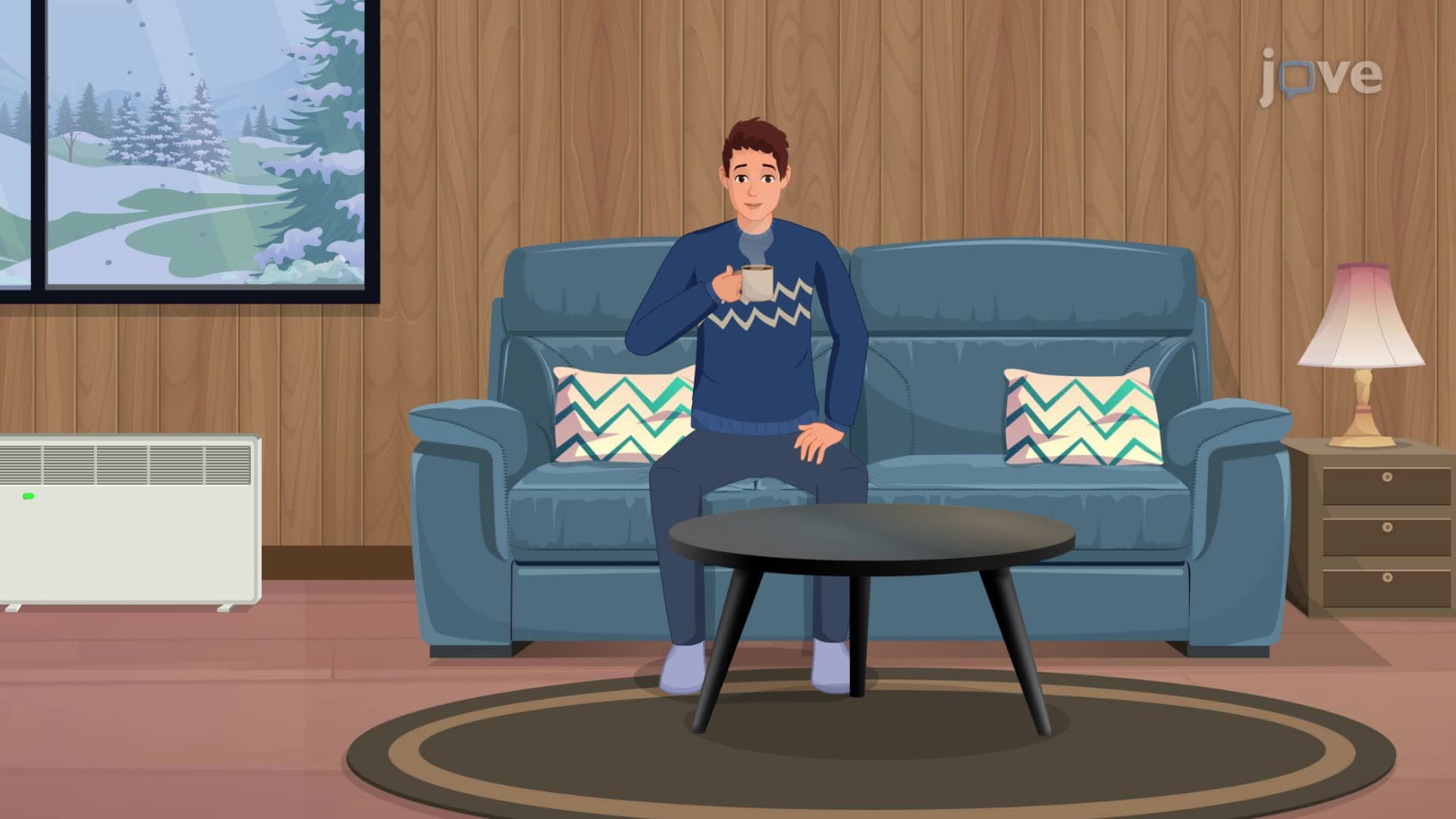
The concept of homeostasis provides the theoretical foundation for understanding why drive reduction occurs. Consider how your body responds during a challenging workout at a California high school's athletic program. As your core temperature rises, your body initiates sweating to cool down, while increased thirst drives you to consume fluids. This automatic regulation demonstrates homeostasis maintaining optimal internal conditions.
Students encounter drive reduction theory across multiple academic contexts. In AP Psychology, questions often ask students to distinguish between Hull's push theory and incentive-based pull theories. College biology courses examine homeostatic mechanisms in detail, while business psychology classes explore how understanding basic drives influences consumer behavior. For instance, fast-food companies strategically place restaurants near highways, knowing that hunger drives will motivate travelers to stop and eat.
The theory also appears in clinical psychology contexts, helping explain addictive behaviors where substances temporarily reduce psychological tension, creating powerful secondary drives that override rational decision-making.
Related Micro-courses