Loading video…


 20 Concepts
 31.2K views

Video Summary: What Is Instinct Theory
Ever wonder why you automatically flinch when something flies toward your face, even before you consciously recognize the threat? Drive reduction theory push theory explores how our built-in survival mechanisms shape behavior, much like how American soldiers in combat zones develop heightened startle responses that persist long after deployment. What is Instinct Theory reveals how these automatic behavioral patterns operate through innate programming rather than learned responses. Watch the full video on JoVE Coach to master this concept with expert-led visuals and step-by-step explanations.
What is Instinct Theory represents a foundational approach to understanding human motivation that emphasizes inherited behavioral patterns. Unlike learned behaviors acquired through experience, instincts operate as pre-programmed responses that emerge without conscious thought or training. This drive reduction theory push theory framework suggests that humans possess automatic behavioral scripts similar to how migrating birds navigate thousands of miles without GPS technology.
The theory gained prominence in early psychology as researchers observed striking similarities between human and animal behaviors. For instance, American researchers studying maternal behavior noted that new mothers often display protective instincts toward their infants without prior parenting experience, suggesting these responses emerge from biological programming rather than learned skills.
Pioneering American psychologist William James identified numerous human instincts that influence daily behavior. His drive reduction theory push theory overview included fear responses that help humans avoid danger, anger reactions that mobilize defensive behaviors, and love instincts that promote bonding and reproduction. James observed that these instincts often conflict with rational thinking, explaining why people might act impulsively in certain situations.
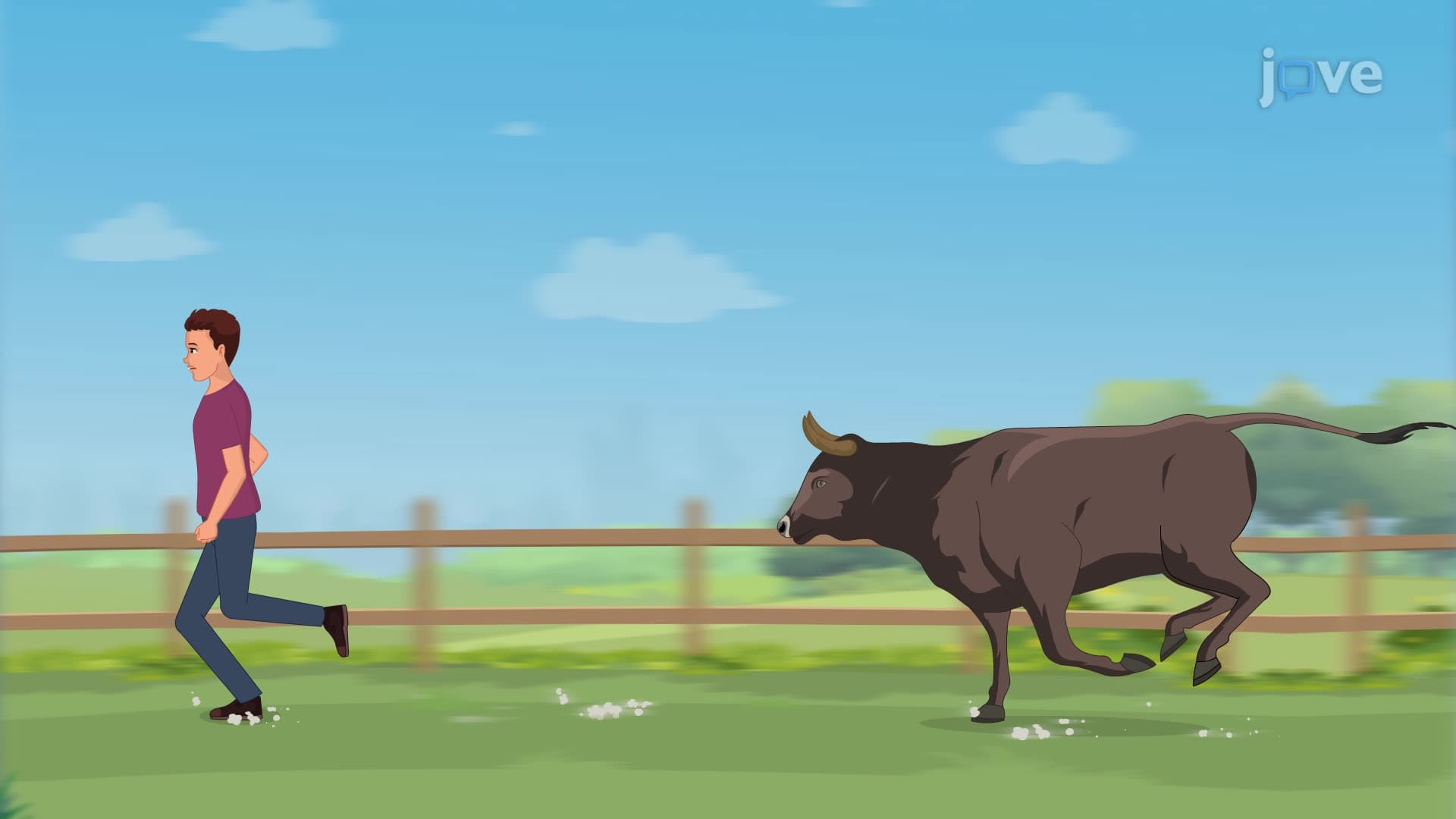
Consider how American students respond during active shooter drills-the immediate fight-or-flight response occurs before conscious analysis of the situation. This exemplifies how instinctual programming can override cognitive processing during perceived threats.
Sigmund Freud's contribution to drive reduction theory basics involved proposing two fundamental instinctual forces. Eros encompasses life-preserving instincts including survival behaviors, reproduction, and social cooperation. These drives explain why humans naturally seek food when hungry, form romantic relationships, and cooperate in group settings.
Thanatos represents death instincts manifesting as aggression, risk-taking, and self-destructive behaviors. This drive reduction theory push theory concept helps explain phenomena like extreme sports participation, aggressive competition in American football, or self-sabotaging behaviors in academic or professional settings.
Understanding drive reduction theory push theory remains relevant for students preparing for AP Psychology exams and college coursework. However, contemporary psychology recognizes significant limitations in pure instinct theory. Human behavior involves complex interactions between biological predispositions, cultural learning, and cognitive processes.
For example, while humans may have instinctual drives toward reproduction, cultural factors heavily influence courtship behaviors, family structures, and parenting practices across different American communities. This drive reduction theory push theory study guide perspective acknowledges that instincts provide a foundation but don't fully explain the rich complexity of human motivation and behavior.
Related Micro-courses