Loading video…

 6 Concepts
 1.7K views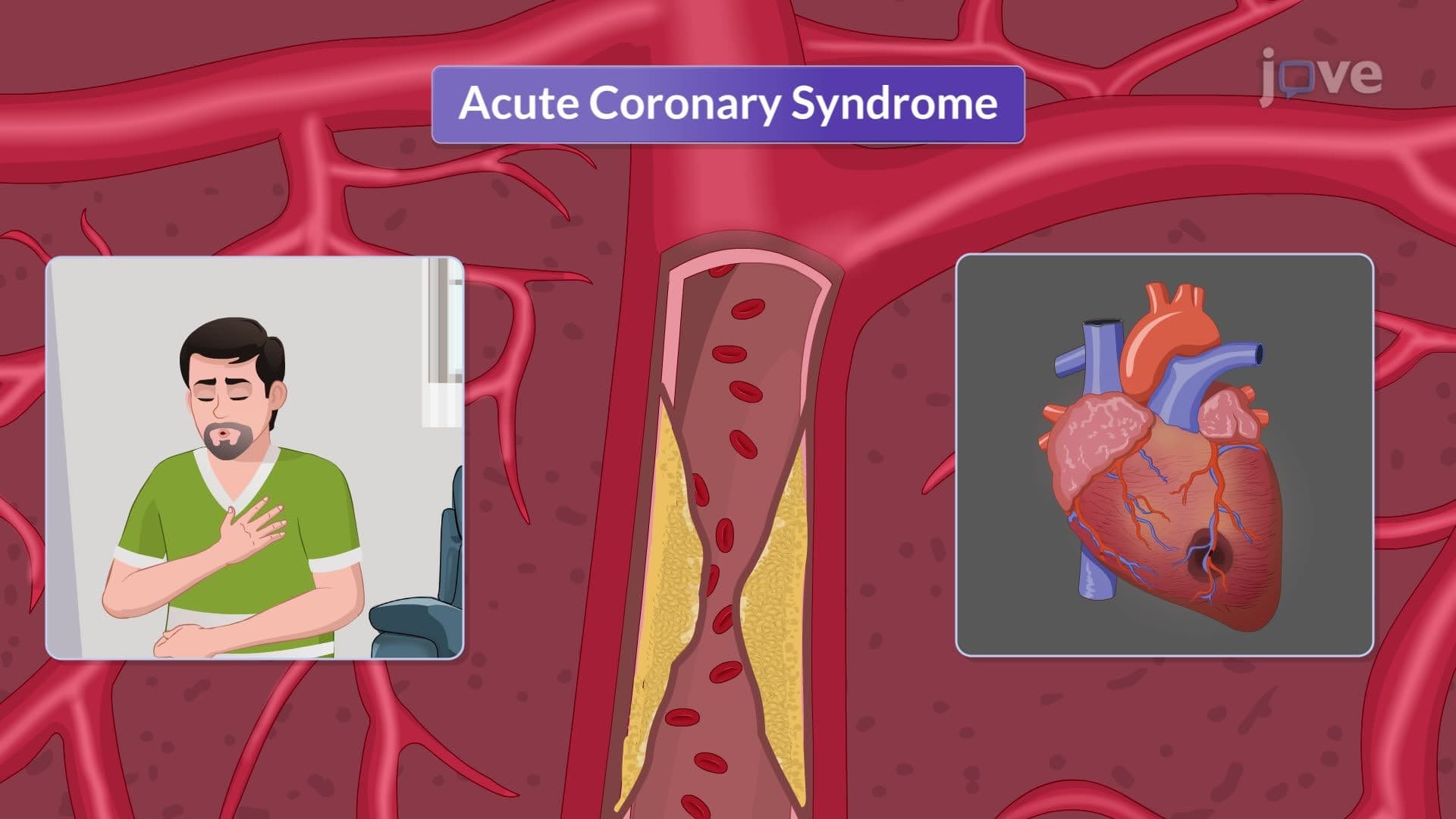

Video Summary: What are Cardiac Emergencies
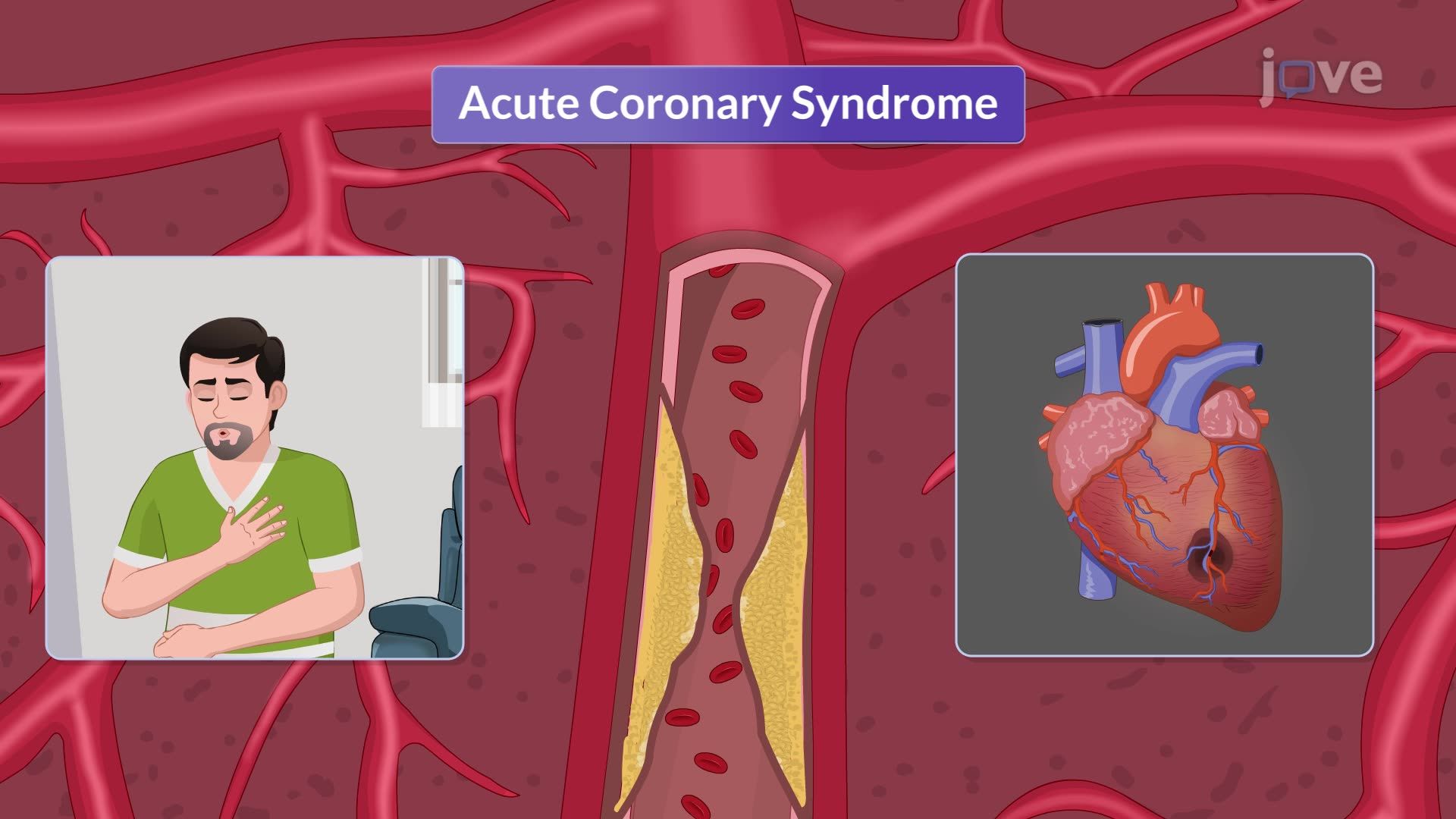
Cardiac emergencies basics are critical knowledge for any professional responsible for team wellbeing and workplace safety protocols. When someone on your team collapses or reports severe chest pain, hesitation costs lives. Understanding what are cardiac emergencies, from acute coronary syndrome to cardiac arrest, equips you to act fast and lead calmly under pressure. Watch the full video on JoVE Coach to master this concept with expert-led visuals and step-by-step explanations.
Picture this: it's mid-afternoon during a high-pressure project sprint. A senior team member suddenly goes pale, grips the edge of their desk, and says they feel tightness across their chest and down their left arm. The room freezes. Everyone looks to you. What you do in the next 60 seconds matters more than anything else on your agenda that day.
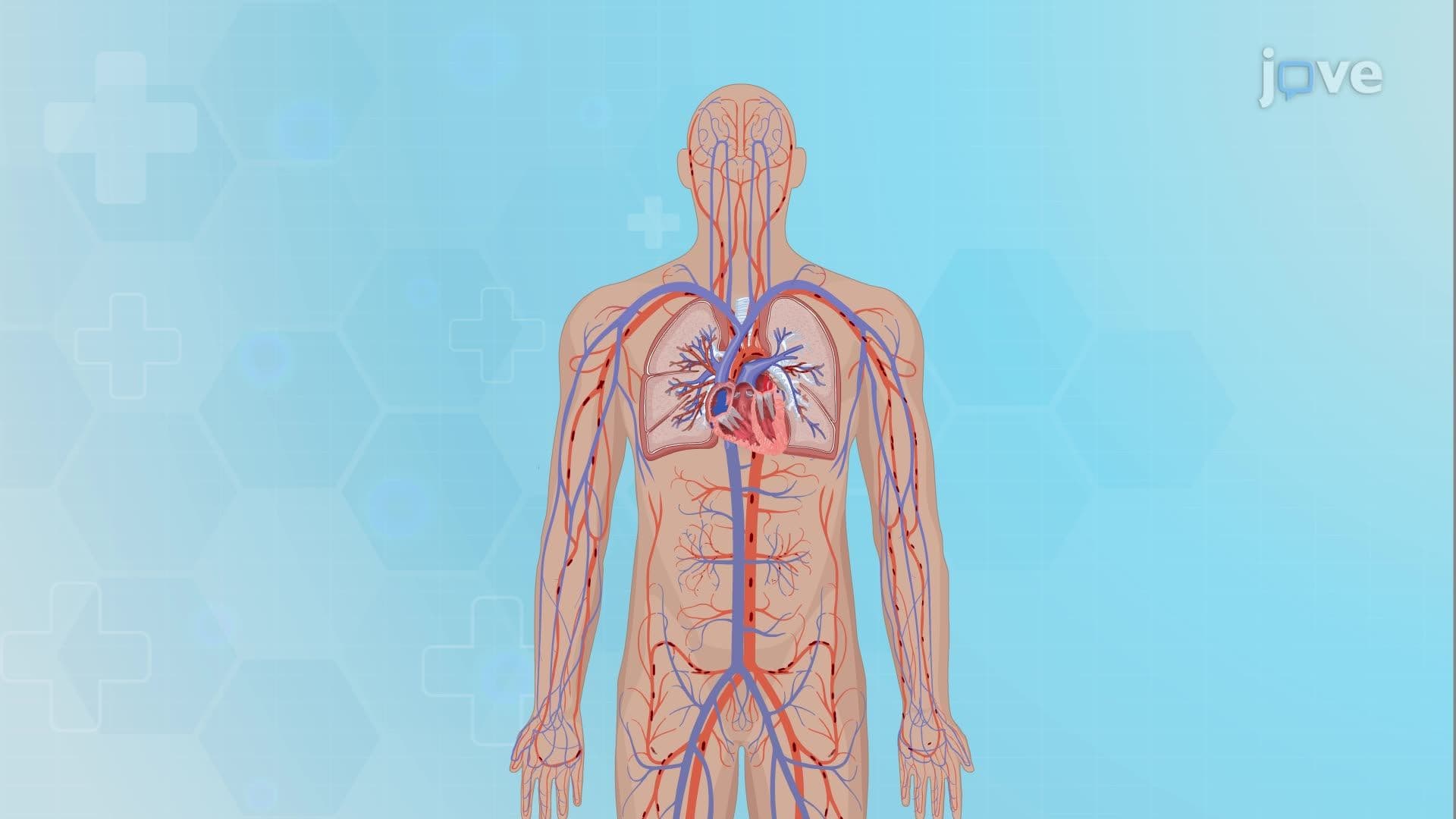
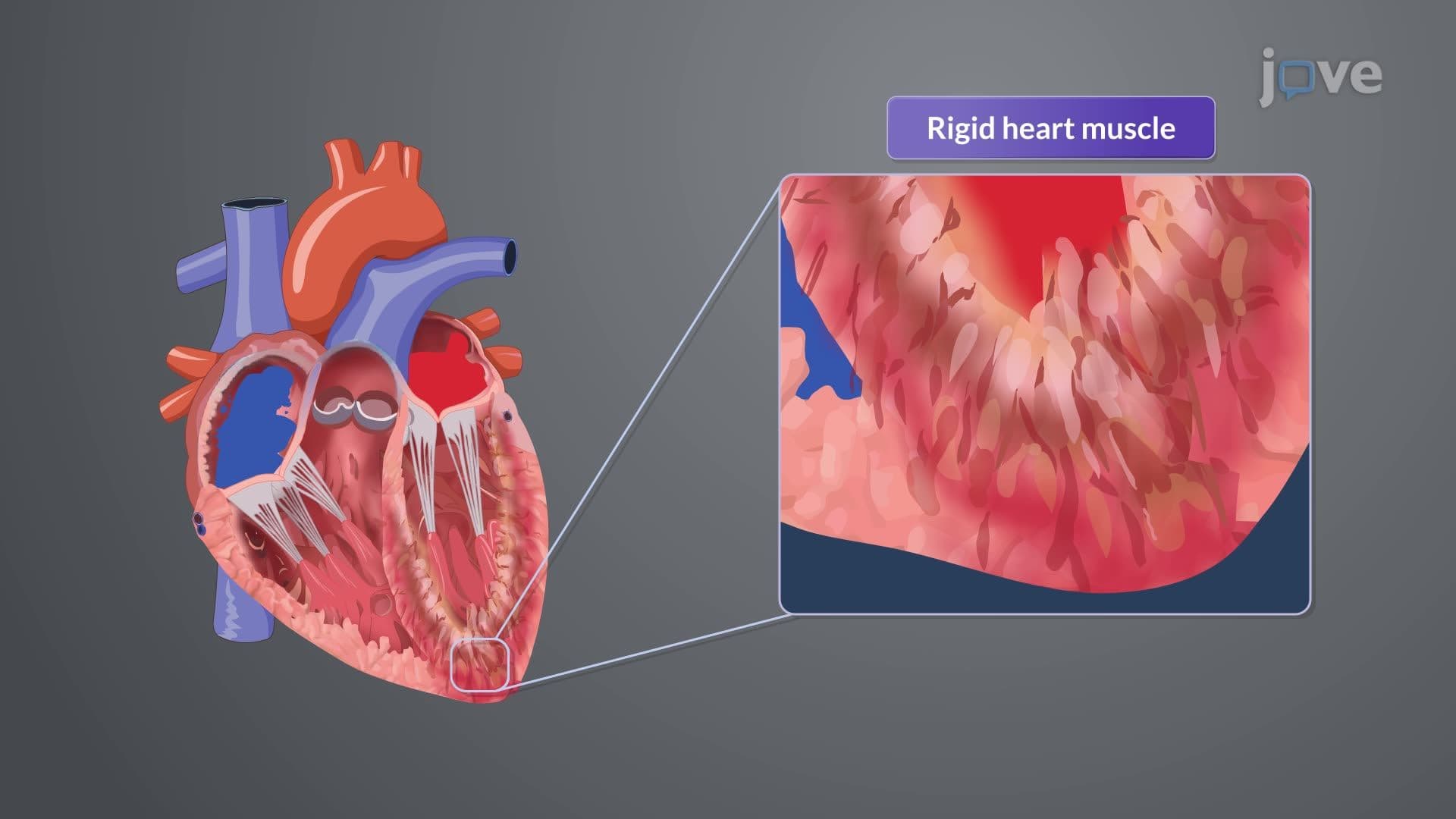
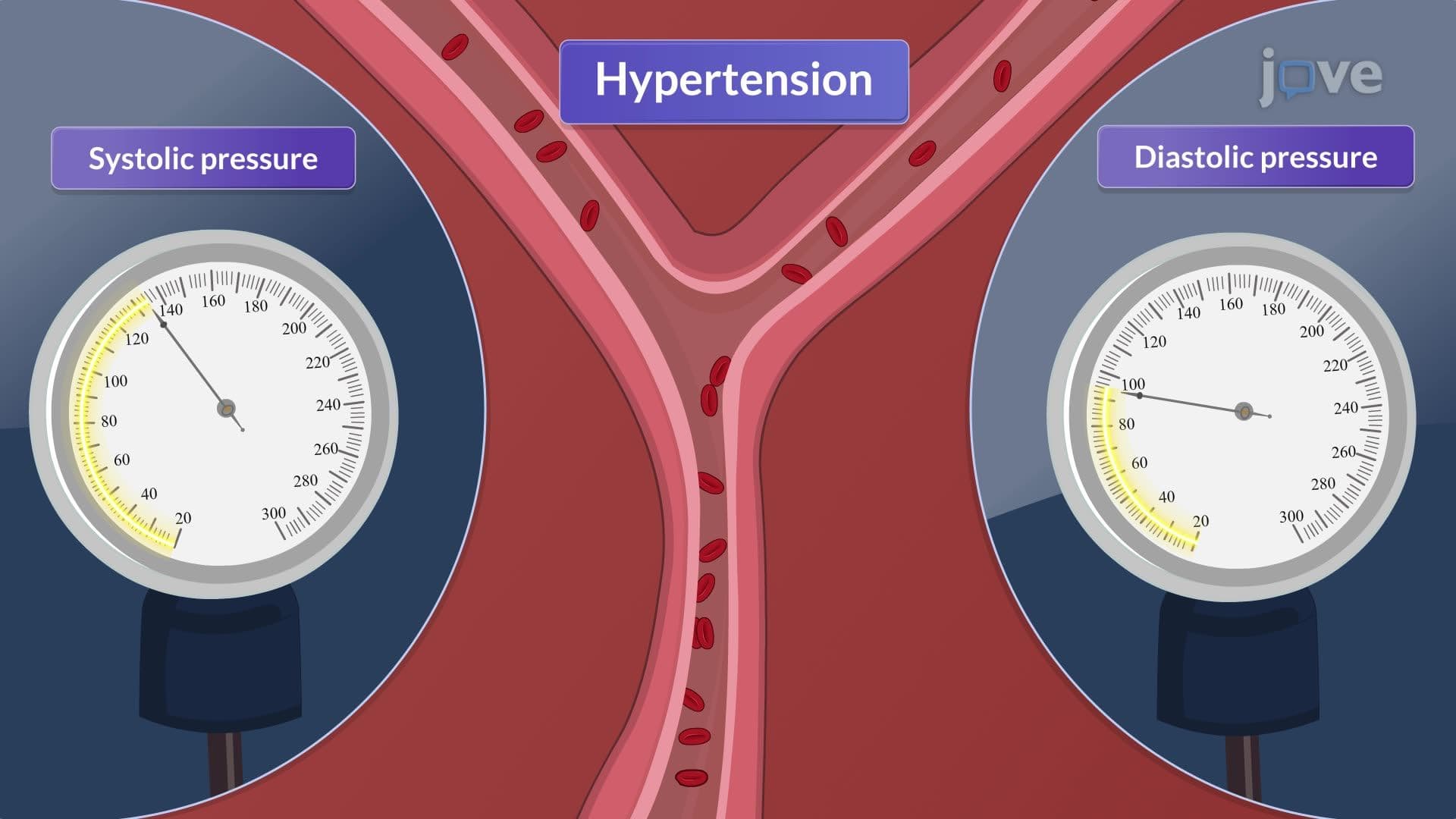
Cardiac emergencies are sudden, life-threatening cardiovascular events that demand immediate, informed action. For managers, understanding them isn't about replacing medical professionals, it's about closing the gap between onset and intervention.
Most managers assume someone else will handle a medical emergency, HR, facilities, or "whoever knows first aid." That assumption creates dangerous hesitation. Studies in emergency response consistently show that outcomes improve dramatically when bystanders act within the first two to four minutes. As a manager, you are often the most senior, most visible person in the room. Your team will follow your lead, or freeze waiting for it.
The three primary cardiac emergencies your team may encounter are:
When managing a team through a cardiac emergency, a simple behavioral framework keeps you functional under stress. Think REACT:
This mirrors proven incident command thinking used in crisis management contexts globally, adapt it to your team size and workspace layout during calm periods, not in the moment.
Waiting for certainty before acting. Cardiac emergencies do not give you time to confirm a diagnosis. If symptoms are present, treat it as an emergency. The cost of acting when it isn't needed is far lower than not acting when it is.
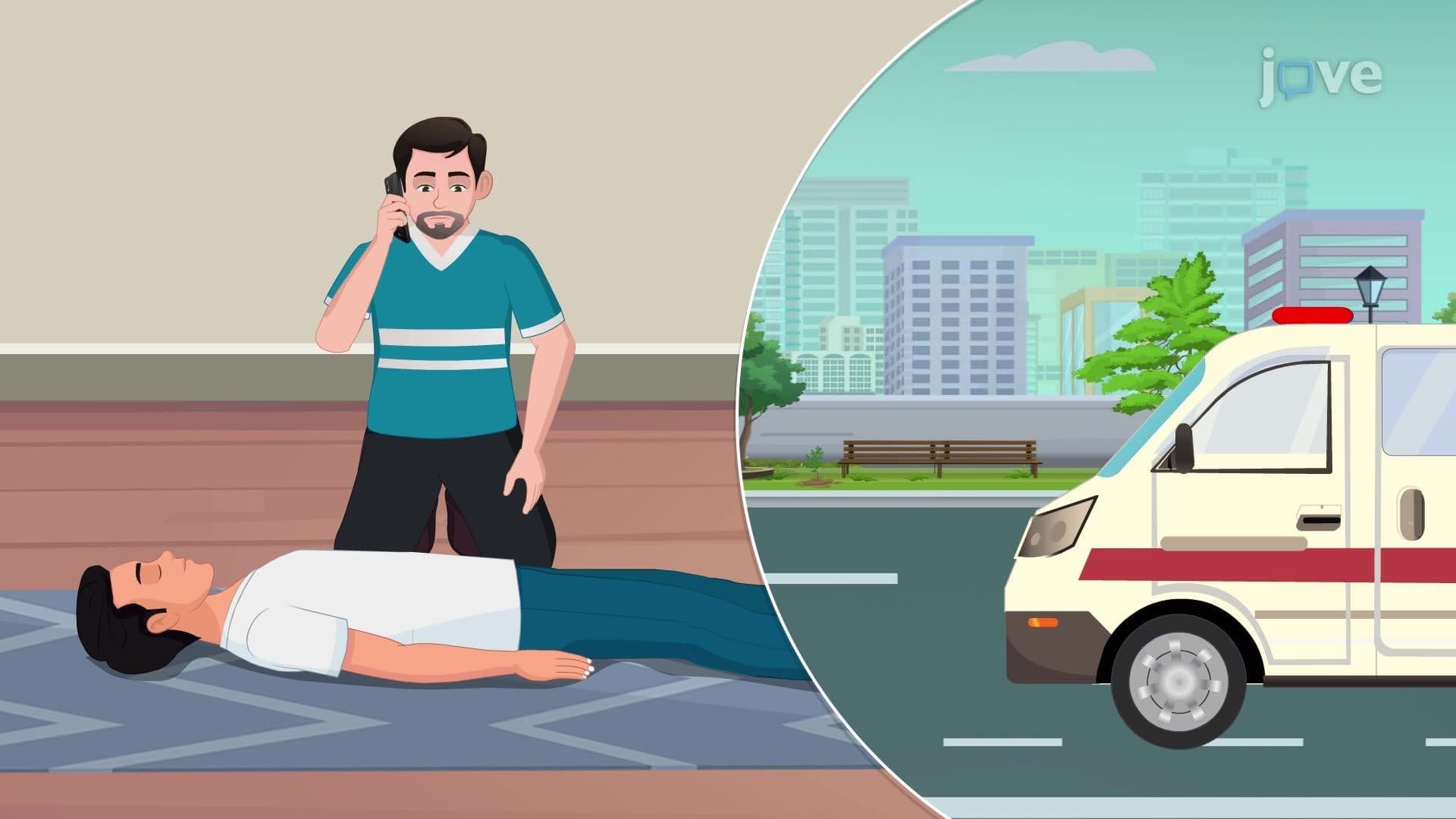
Assuming someone else will lead. Diffusion of responsibility, where everyone assumes someone else will step up, is a well-documented group behavior. As a manager, break this pattern by naming individuals directly: "You, call emergency services now. You, stay with them."
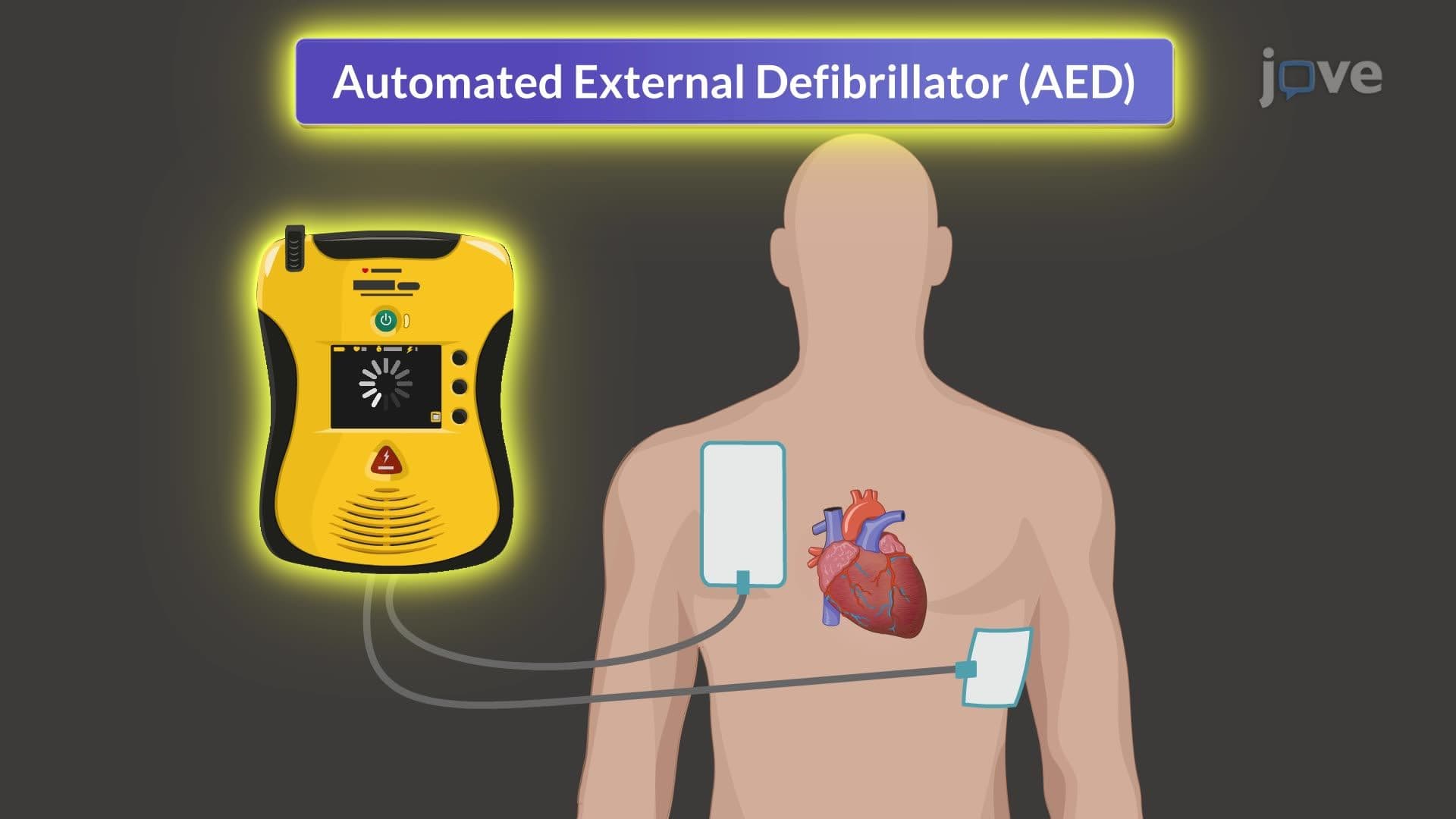
Neglecting team preparation in advance. The best time to build cardiac emergency awareness into your team culture is before it happens. Incorporate it into onboarding, safety reviews, or team offsites. Walk your team through where the nearest AED is located, who the first aid officers are, and what the emergency protocol looks like. This is a 15-minute investment that could save a life.
Ignoring the emotional aftermath. Witnessing a colleague's medical emergency is traumatic. After the incident, check in individually with team members. Normalize the emotional response. If your organization has an Employee Assistance Programme or counseling support, reference it clearly and without stigma.
Related Micro-courses