Loading subject page…

- Anatomy and Physiology
- The Axial Skeleton
- General Structure of a Vertebra
Micro-course: The Axial Skeleton
57,801 views
Learn key concepts and earn your certificate.



General Structure of a Vertebra

00:00
01:30
Video Summary: What Is General Structure Vertebra
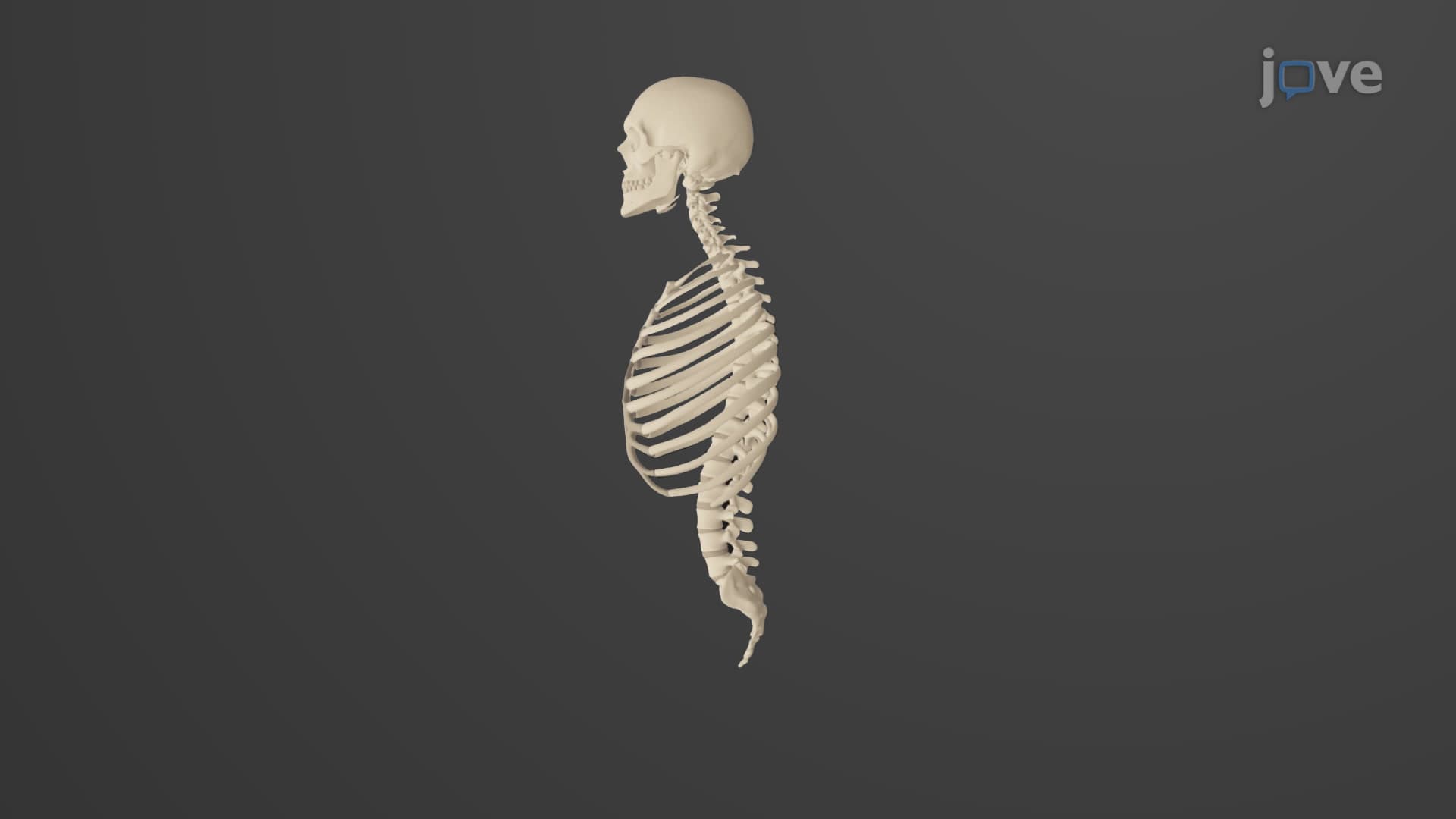
Ever wondered why NFL players can withstand massive hits yet still walk away? The secret lies in the vertebra general structure-33 intricately designed bone units that form your spinal column. Each typical vertebra anatomy explained reveals a sophisticated engineering marvel with a weight-bearing body, protective arch, and seven distinct processes that enable everything from a gymnast's backflip at the Olympics to simple daily movements. Understanding what is the general structure of a typical vertebra is fundamental to grasping how your spine protects the spinal cord while maintaining flexibility. Watch the full video on JoVE Coach to master this concept with expert-led visuals and step-by-step explanations.
- Understand what is general structure vertebra and identify its three main components: vertebral body, vertebral arch, and processes
- Identify the seven distinct processes of a typical vertebra and explain how each contributes to spinal function and stability
- Analyze how the vertebral body arch system creates both the vertebral foramen and intervertebral foramina for neural protection
- Compare the roles of pedicle lamina vertebra components in forming the protective vertebral arch around the spinal cord
- Evaluate how spinous transverse process attachments enable muscle and ligament connections for movement and stability
- Apply knowledge of vertebral foramen spinal canal formation to understand spinal cord protection mechanisms
- Recognize how intervertebral facet joint formation occurs through superior and inferior articular processes
- Explore the relationship between vertebral structure and common spinal conditions affecting movement and nerve function
What is General Structure Vertebra: The Foundation of Spinal Engineering
The vertebra general structure represents one of nature's most elegant engineering solutions, combining strength, flexibility, and protection in a single bone unit. Each vertebra functions as both a weight-bearing column and a protective housing for the nervous system. Understanding typical vertebra anatomy explained requires examining three fundamental components that work together seamlessly.
The Vertebral Body: Your Spine's Load-Bearing Foundation
The vertebral body, or centrum, serves as the primary weight-bearing structure of each vertebra. This disc-shaped anterior portion distributes body weight along the spine's vertical axis, similar to how the foundation of a skyscraper distributes the building's weight. In clinical settings across US hospitals, compression fractures of the vertebral body are common injuries seen in elderly patients, particularly those with osteoporosis. The vertebral body's trabecular bone structure provides strength while maintaining relatively light weight-crucial for maintaining upright posture without excessive energy expenditure.
Vertebral Body Arch: Creating the Protective Neural Tunnel
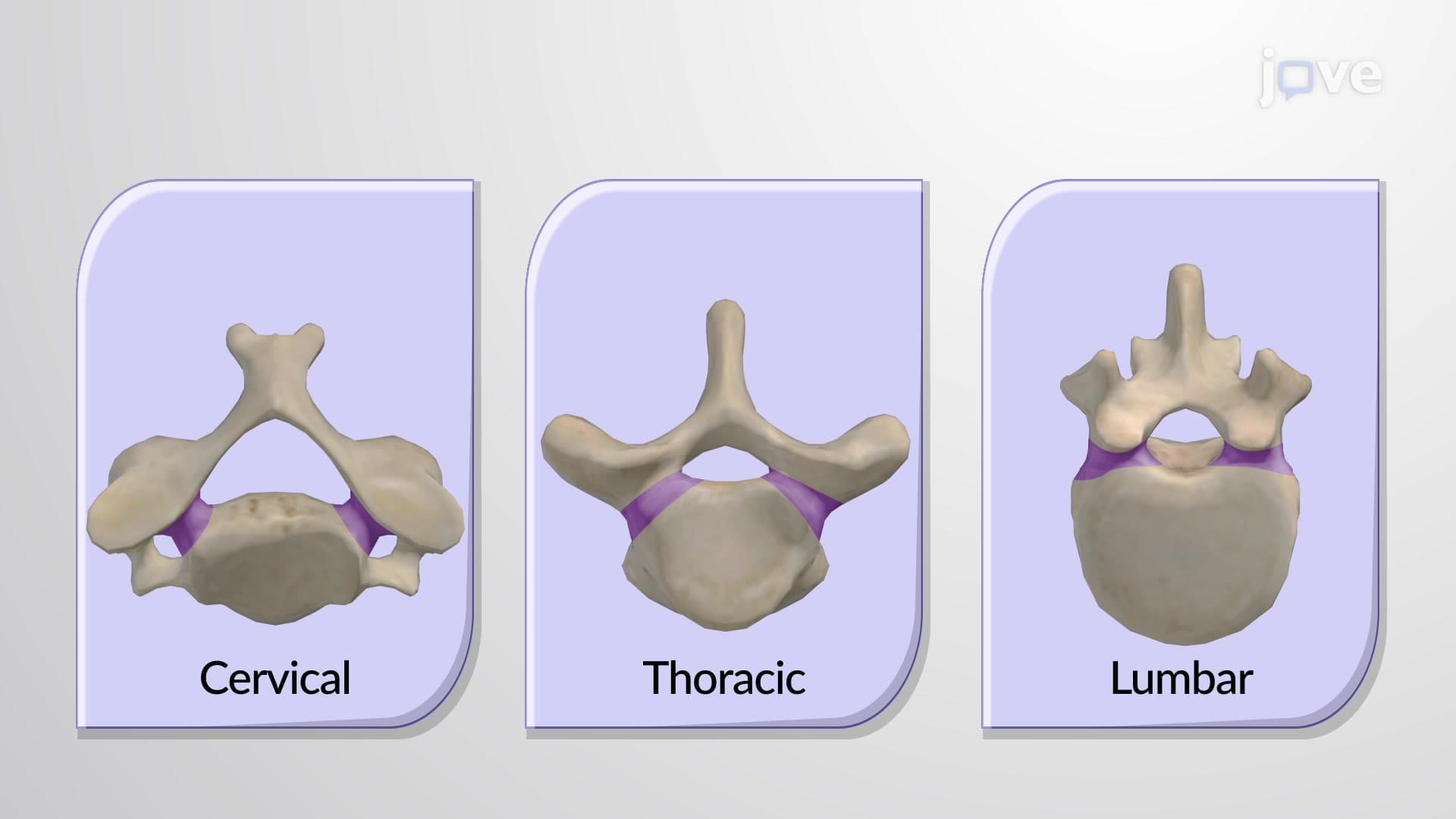
The vertebral arch, formed by pedicle lamina vertebra components, creates the posterior portion of each vertebra. Two pedicles extend posteriorly from the vertebral body like pillars, while two laminae form flattened plates that complete the arch. Together with the vertebral body, this arch surrounds the vertebral foramen spinal opening. When vertebrae stack consecutively, these foramina align to form the vertebral canal-a protective tunnel housing the spinal cord. This design appears frequently in AP Biology exams and MCAT questions, where students must understand how structural arrangement relates to function.
The Seven Processes: Attachment Points for Movement and Stability
Each vertebra features seven distinct processes that serve as attachment points for muscles and ligaments. The spinous transverse process system includes one spinous process extending posteriorly and two transverse processes extending laterally. These attach to muscles enabling lateral bending and spinal stabilization. The four articular processes (two superior, two inferior) form intervertebral facet joint connections with adjacent vertebrae, allowing controlled spinal movement including flexion, extension, and rotation. Understanding these connections proves essential for pre-med students studying for the MCAT, where questions often focus on how structural features enable specific movements while maintaining stability.
Frequently Asked Questions
A typical vertebra consists of three main parts: the vertebral body (centrum) for weight-bearing, the vertebral arch formed by pedicles and laminae for spinal cord protection, and seven processes for muscle/ligament attachment. These components work together to provide strength, protection, and mobility to the spine.
MCAT questions frequently test vertebral anatomy in relation to spinal cord protection and movement mechanics. AP Biology exams often include vertebral structure in questions about skeletal system function and evolutionary adaptations. Students should focus on structure-function relationships and how vertebral design enables both stability and flexibility.
USMLE Step 1 includes detailed anatomy questions where understanding process locations helps diagnose conditions and interpret imaging. Clinical scenarios often involve nerve compression at specific vertebral levels, making process identification crucial for proper patient care and treatment planning.
Professional athletes like those in the NFL experience vertebral stress fractures in the pars interarticularis (between superior and inferior articular processes). Understanding normal vertebral anatomy helps medical professionals diagnose conditions like spondylolysis and plan appropriate treatment for sports injuries.
Vertebral anatomy is manageable with proper visualization and systematic study. Start with the three main components (body, arch, processes), then add details about specific processes and their functions. Many students find success using 3D models and relating structures to familiar architectural concepts like arches and pillars.
Create a systematic study approach: memorize the seven processes first, understand how pedicles and laminae form the arch, then practice identifying structures on different views (anterior, posterior, lateral). Use mnemonics for process names and focus on structure-function relationships that commonly appear on practical exams.
The vertebral foramen size varies by spinal region, with cervical vertebrae having the largest foramina relative to their size. Spinal stenosis, common in aging US populations, occurs when these spaces narrow and compress neural structures. Understanding normal foramen dimensions helps healthcare providers assess pathological changes on MRI and CT scans.
After mastering general vertebral structure, study regional variations (cervical, thoracic, lumbar differences), vertebral development and ossification patterns, and common pathological conditions affecting vertebral structure. This foundation prepares students for detailed study of spinal biomechanics and clinical correlations in medical school.
Related Micro-courses