14 Concepts
6 Concepts
21 Concepts
23 Concepts
21 Concepts
15 Concepts
16 Concepts
26 Concepts
18 Concepts
19 Concepts
11 Concepts
6 Concepts
10 Concepts
22 Concepts
20 Concepts
26 Concepts
26 Concepts
14 Concepts
10 Concepts
12 Concepts
23 Concepts
29 Concepts
19 Concepts
38 Concepts
38 Concepts
25 Concepts
40 Concepts
25 Concepts
25 Concepts
20 Concepts
37 Concepts
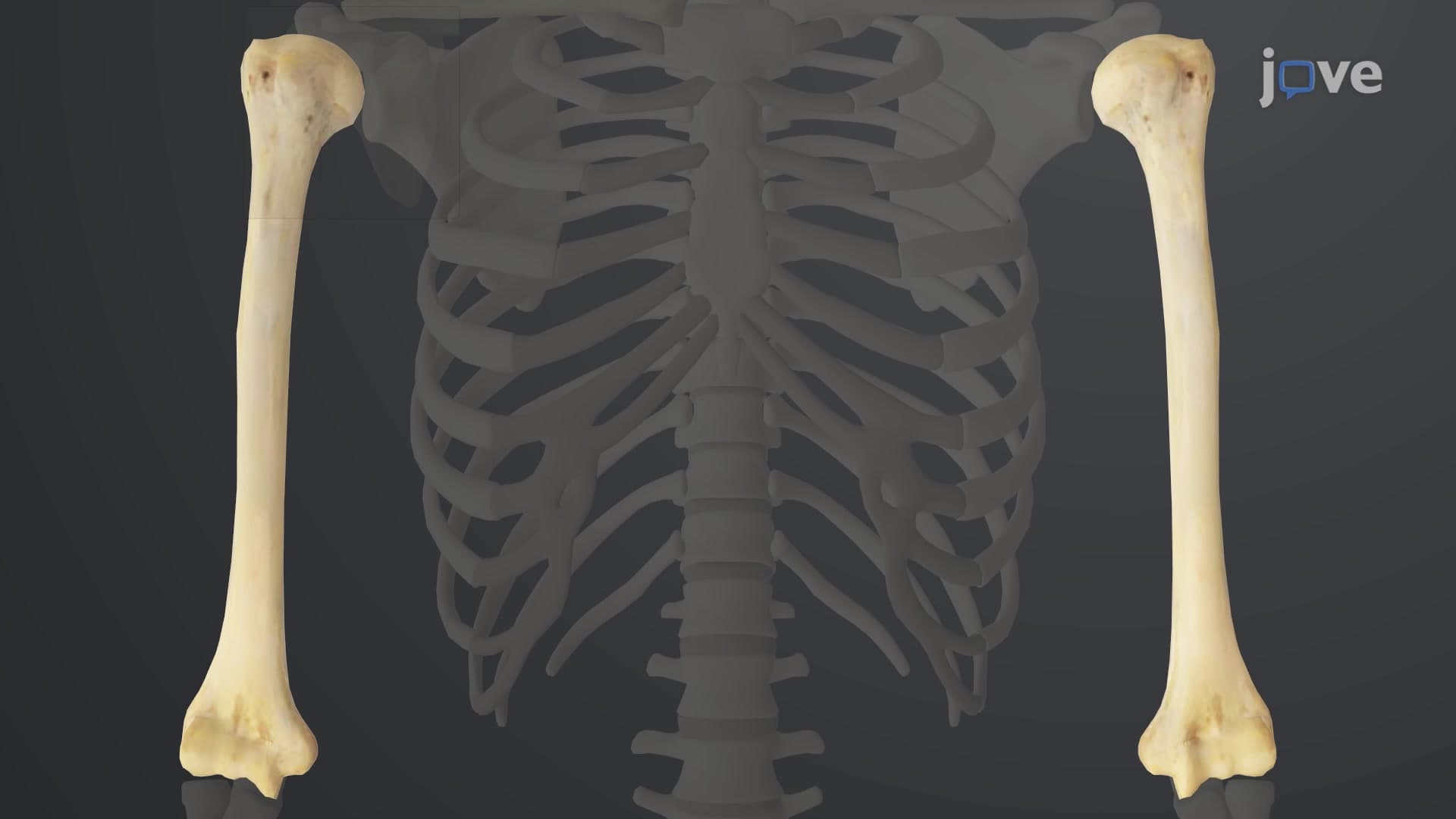
The appendicular skeleton comprises all limb bones and their connecting structures, forming the framework for human movement and locomotion. This comprehensive course examines upper limb bones (humerus, radius, ulna) and lower limb bones (femur, patella, tibia, fibula), exploring their anatomical features, joint formations, and age-related changes. Students will discover how these bones support daily activities from writing to walking, with JoVE Coach providing interactive learning support.
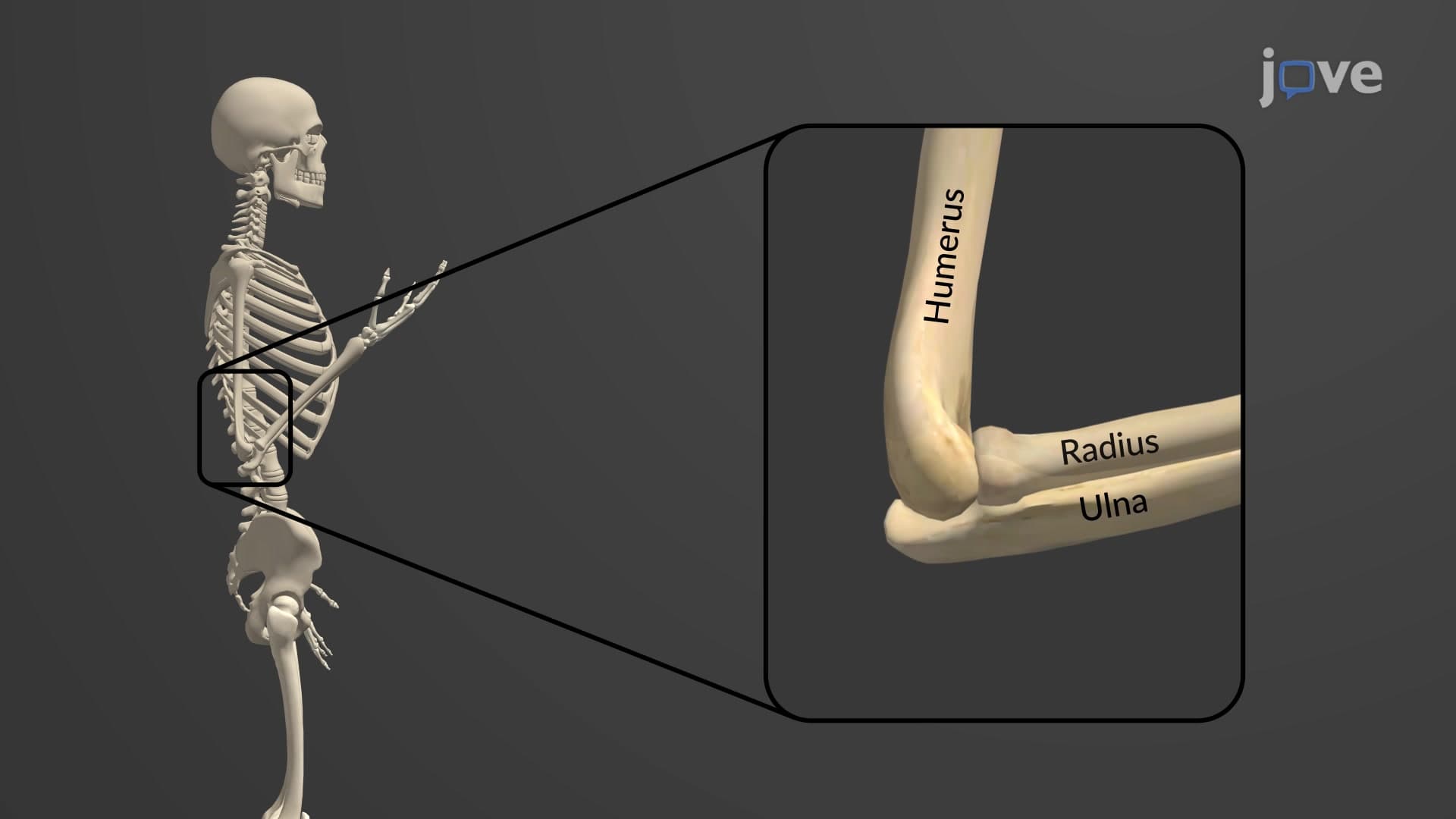
1. Upper Limb Bone Architecture: The humerus serves as the primary arm bone, featuring a rounded head that articulates with the shoulder's glenoid cavity, greater and lesser tubercles for rotator cuff attachment, and a bicipital groove accommodating the biceps tendon. The deltoid tuberosity marks the insertion point for the powerful deltoid muscle, while the radial groove protects the radial nerve. These anatomical landmarks directly relate to common sports injuries seen in baseball pitchers and tennis players, where repetitive overhead motions stress these specific bone-muscle interfaces.
2. Forearm Bone Coordination: The radius and ulna work as a coordinated pair, connected by the interosseous membrane and radioulnar joints to enable complex forearm movements. The ulna's trochlear notch creates the elbow's hinge joint with the humerus, while the radius allows rotational movements through its articulation with the capitulum. This arrangement enables the pronation and supination movements essential for activities like turning a doorknob or using a screwdriver, demonstrating the practical importance of dual-bone forearm structure.
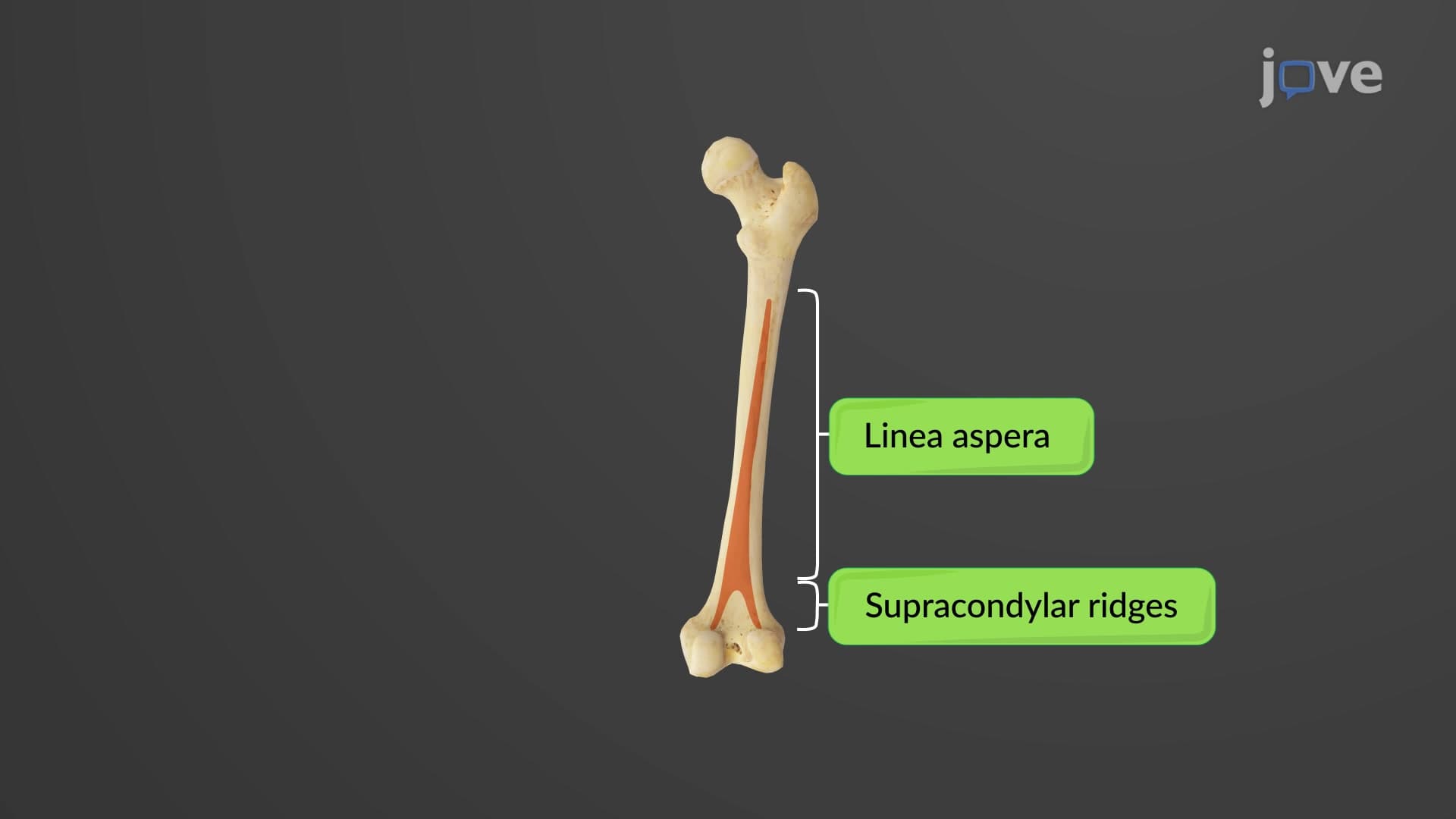
3. Lower Limb Weight-Bearing Adaptations: The femur represents the body's longest and strongest bone, designed to withstand forces up to seven times body weight during activities like jumping or running. Its greater and lesser trochanters provide attachment sites for powerful hip muscles, while the linea aspera accommodates thigh muscle insertions. The patella functions as a mechanical advantage system, increasing the quadriceps muscle's leverage during knee extension, crucial for activities from climbing stairs to kicking a soccer ball.
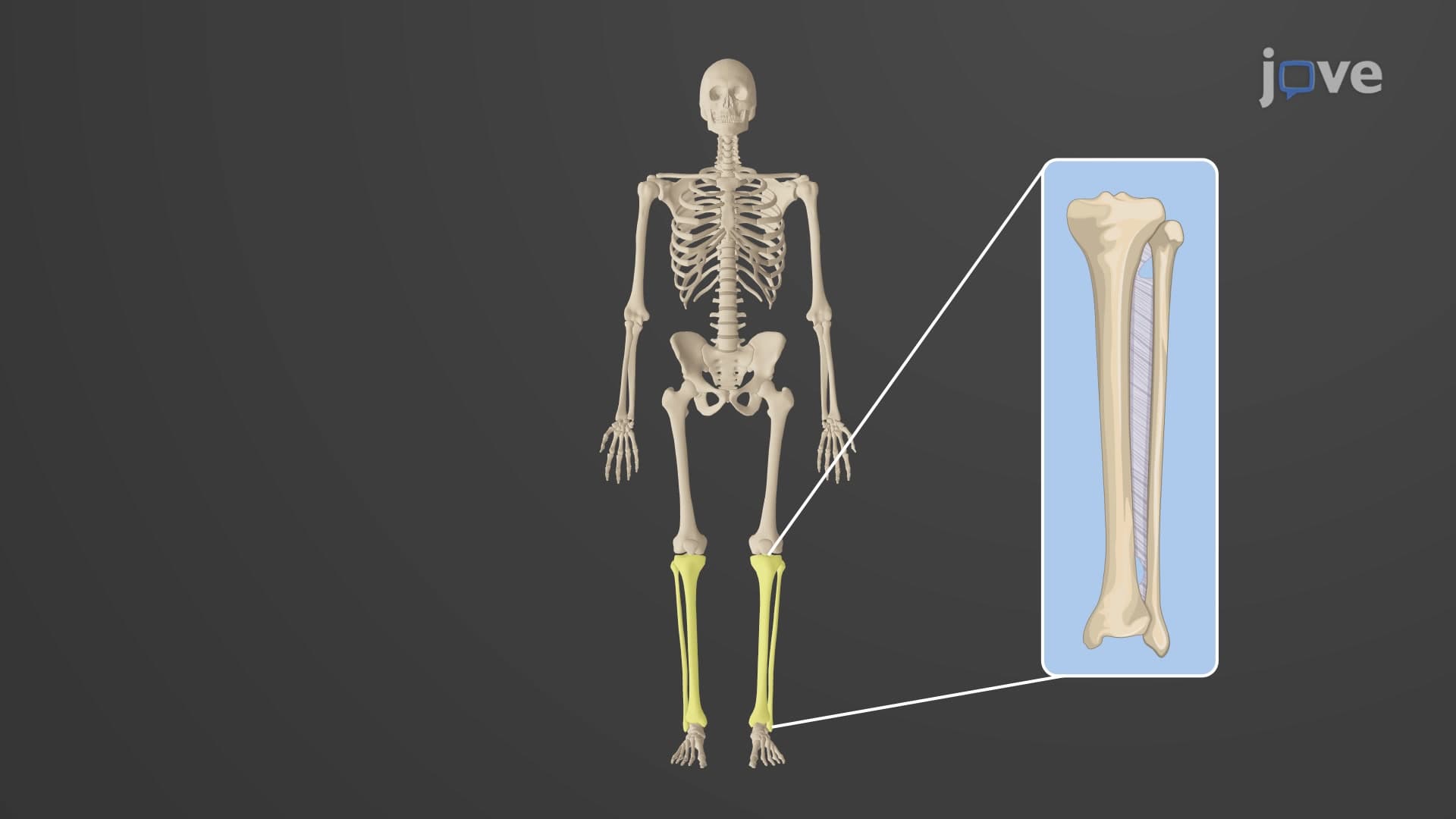
4. Leg Bone Functional Specialization: The tibia bears most of the lower leg's weight load while the fibula provides lateral ankle stability without supporting body weight. The tibia's prominent tibial tuberosity serves as the patellar tendon attachment site, creating the mechanism for knee extension. The fibula's lateral malleolus forms the outer ankle prominence, working with the tibia's medial malleolus to create the ankle mortise joint. This division of labor explains why tibial fractures are more debilitating than fibular breaks in athletes.
5. Developmental Bone Biology: Appendicular skeleton development begins with cartilaginous limb buds during embryogenesis, progressing through endochondral ossification for most bones except the clavicles. The patella exemplifies this process, remaining cartilaginous at birth and beginning ossification around age 2-3, completing the process at puberty. Understanding this timeline helps explain why certain pediatric fractures heal differently than adult breaks and why growth plates remain vulnerable during adolescent athletic participation.
6. Age-Related Skeletal Changes: After age 25, bone remodeling shifts from net bone formation to gradual bone loss, particularly accelerating after menopause in women and later in men. The femoral neck becomes especially vulnerable to fractures due to its trabecular bone composition and mechanical stress concentration. This knowledge is crucial for understanding osteoporosis prevention strategies and why hip fractures represent a significant health concern in elderly populations, affecting over 300,000 Americans annually.