Loading subject page…


14 Concepts
6 Concepts
21 Concepts
23 Concepts
21 Concepts
15 Concepts
16 Concepts
26 Concepts
18 Concepts
19 Concepts
11 Concepts
6 Concepts
10 Concepts
22 Concepts
20 Concepts
26 Concepts
26 Concepts
14 Concepts
10 Concepts
12 Concepts
23 Concepts
29 Concepts
19 Concepts
38 Concepts
38 Concepts
25 Concepts
40 Concepts
25 Concepts
25 Concepts
20 Concepts
37 Concepts
 14 Concepts
 51K Views
 Popular topics
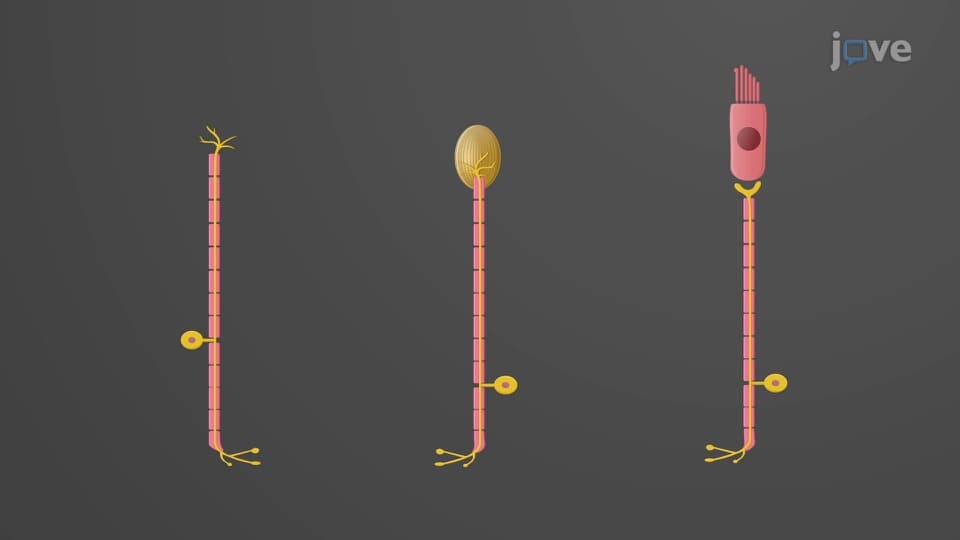


Central nervous system functions encompass the brain and spinal cord's critical roles in processing sensory information, controlling motor responses, and regulating complex behaviors like sleep and learning. This comprehensive course explores CNS PNS physiology through detailed examination of sensory and motor pathways, reflexes, and higher brain functions. Students will discover how neural networks coordinate everything from basic reflexes to advanced cognitive processes, providing essential foundation knowledge for healthcare careers. Perfect preparation for understanding human physiology using JoVE Coach's visual learning approach.
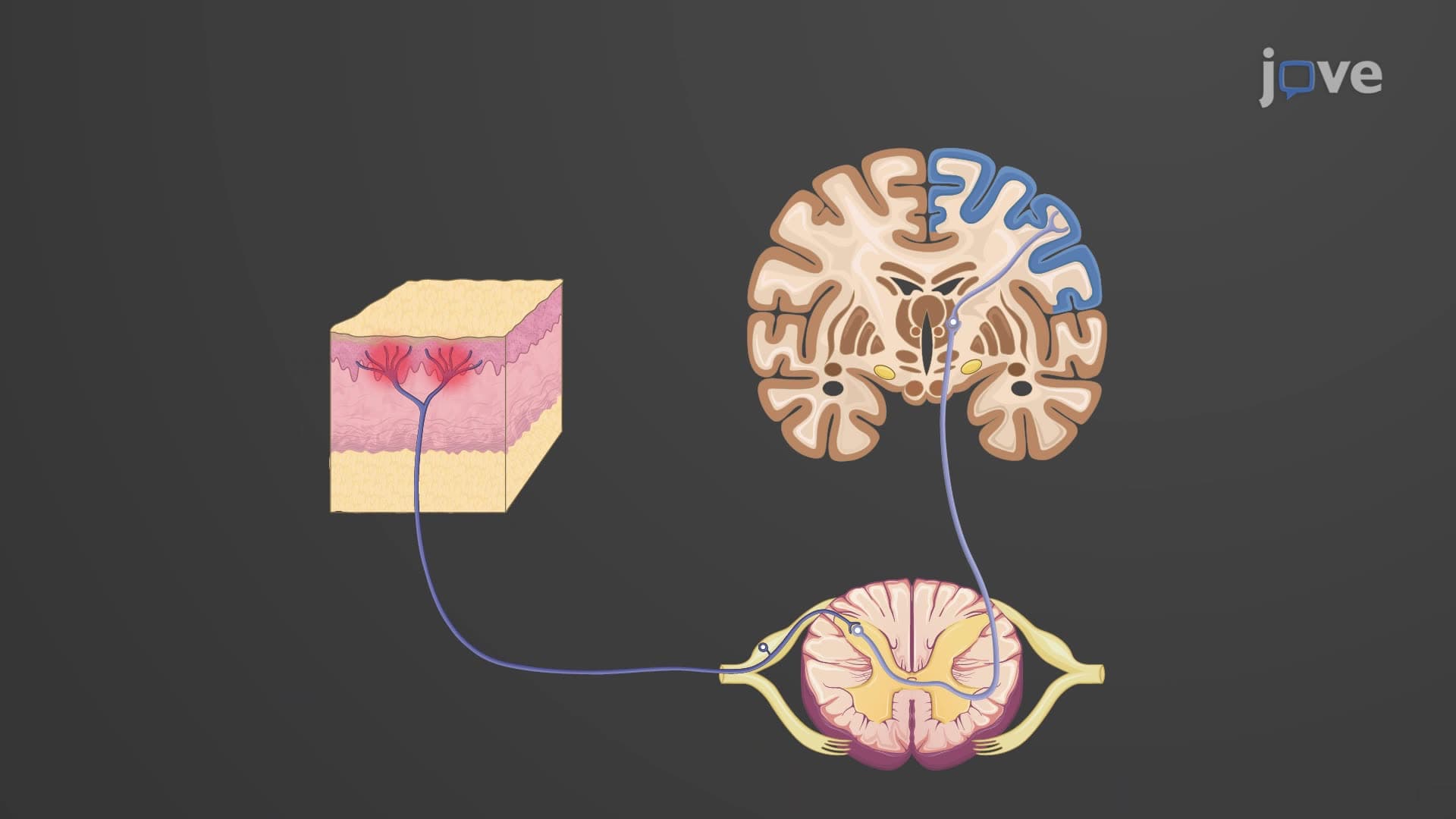
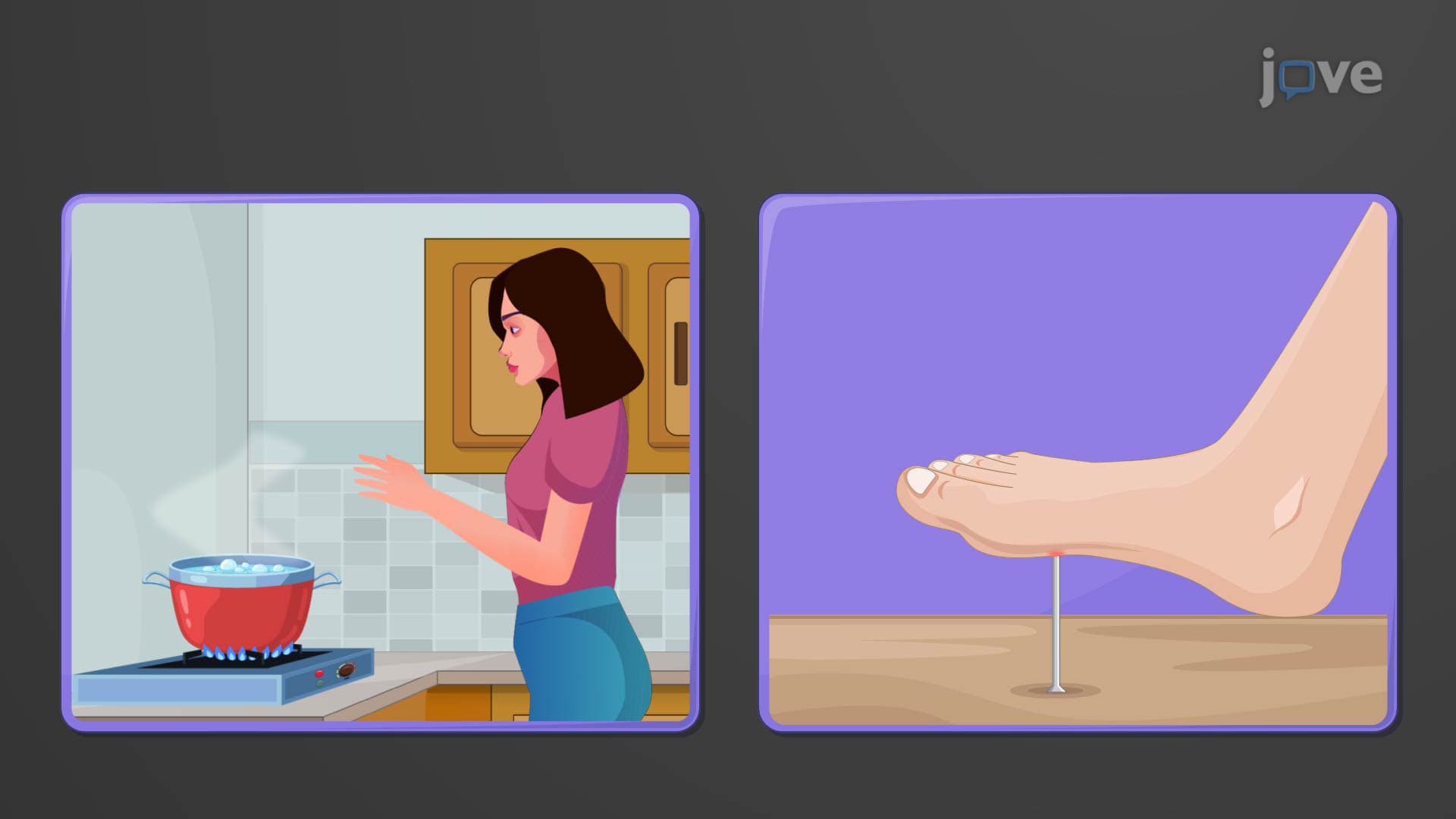
1. Sensory System Organization and Processing The nervous system processes sensory information through general senses (somatic and visceral) and special senses (vision, hearing, taste, smell, equilibrium). Sensory receptors transform stimuli into electrical signals at three processing levels: receptor level (stimulus detection), circuit level (CNS transmission via ascending pathways), and perceptual level (conscious interpretation in cerebral cortex). This organization enables the body to respond appropriately to environmental changes, from detecting a hot stove to maintaining balance while walking. Understanding this hierarchy is crucial for diagnosing sensory disorders and comprehending how neurological injuries affect perception.
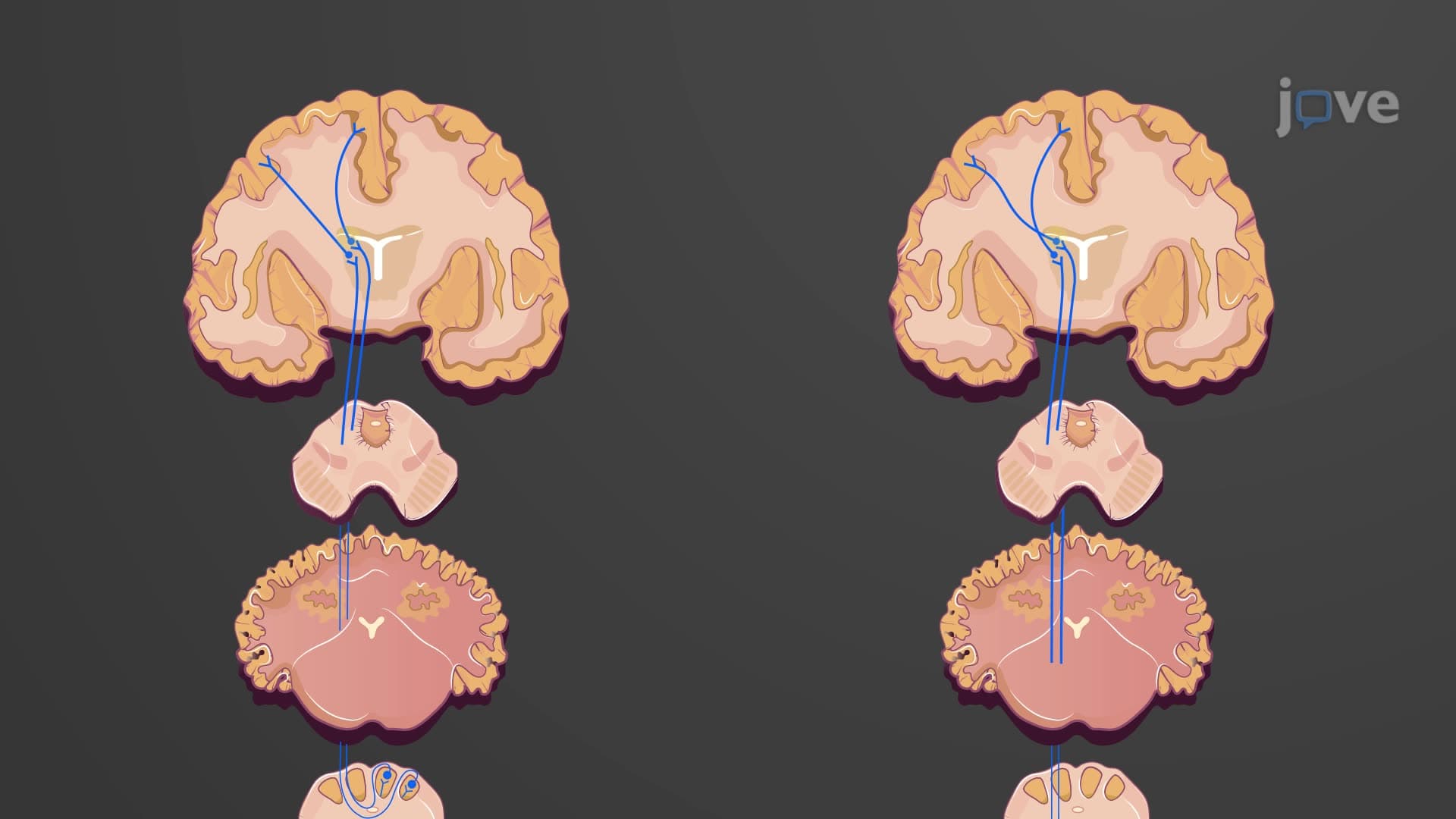
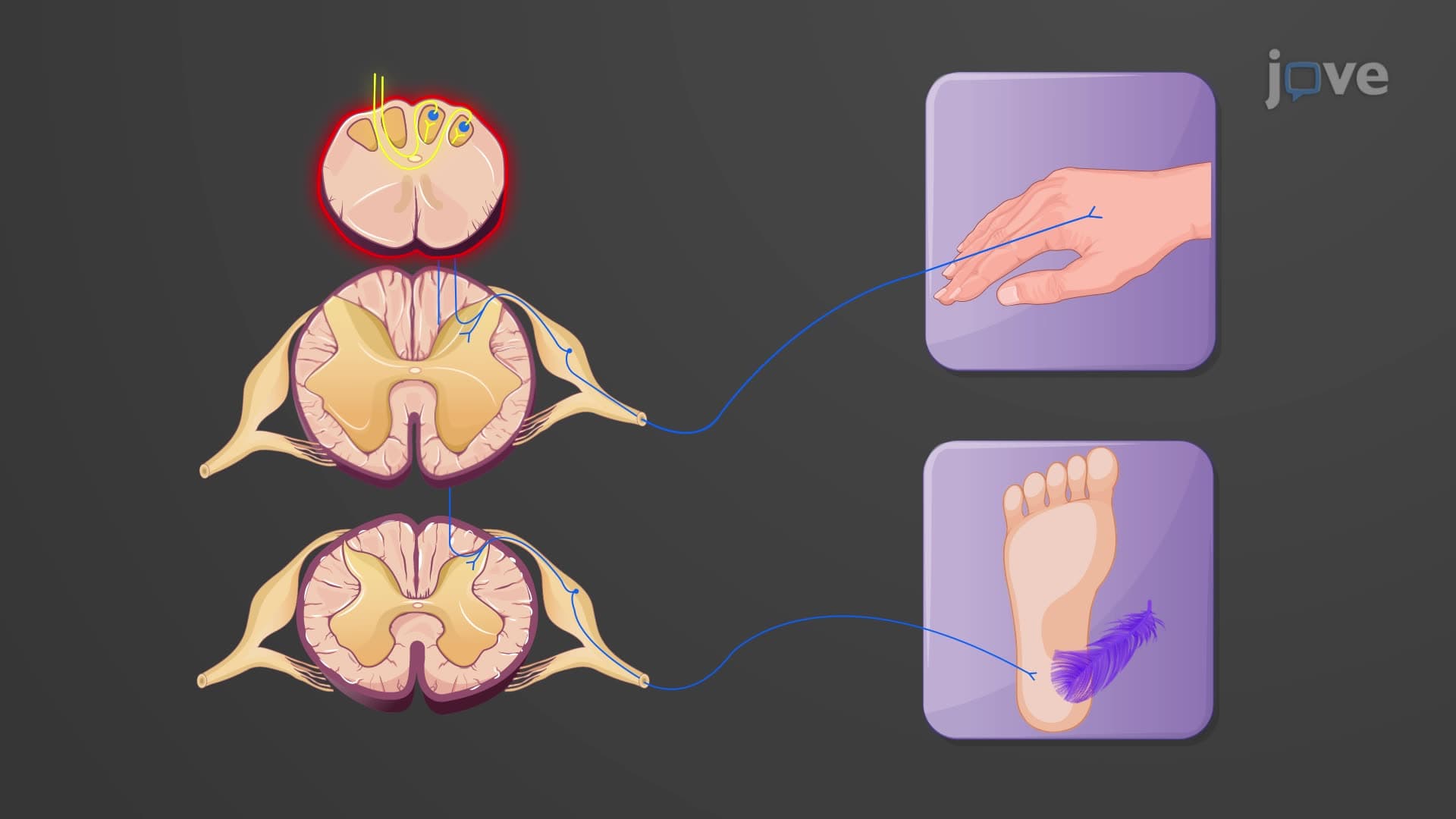
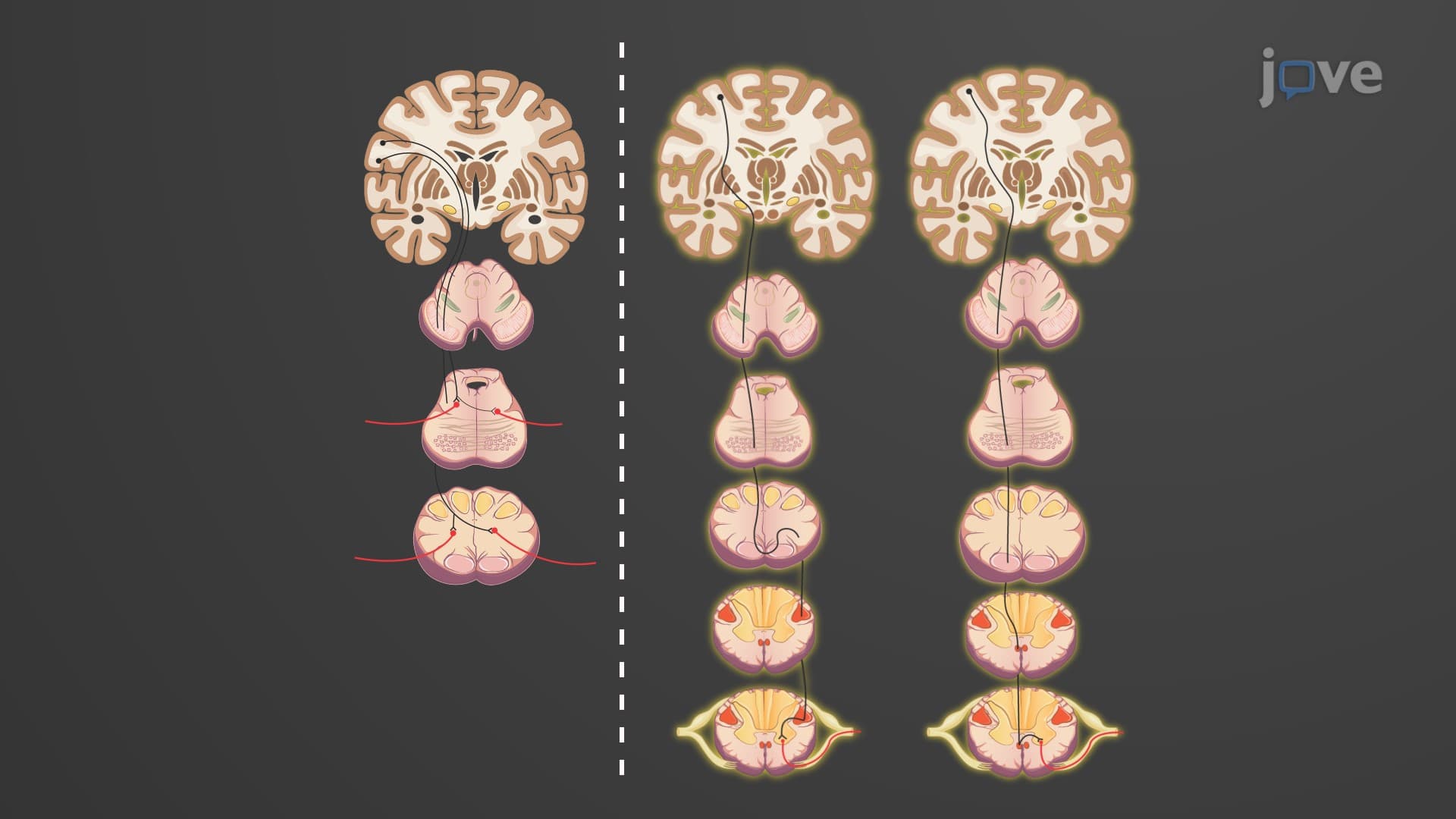
2. Major Ascending Sensory Pathways Three primary somatic sensory pathways carry information from peripheral receptors to the brain. The posterior column-medial lemniscus pathway transmits fine touch, vibration, and proprioception through gracile and cuneate tracts. The spinothalamic pathway conducts pain, temperature, and crude touch via lateral and anterior divisions. The spinocerebellar pathway carries unconscious proprioceptive information directly to the cerebellum for movement coordination. These pathways utilize three-neuron chains (first-order to spinal cord/brainstem, second-order to thalamus/cerebellum, third-order to cortex) and demonstrate the sophisticated organization enabling complex sensory discrimination essential for medical diagnosis.
3. Motor Control Hierarchy and Pathways Motor control operates through three hierarchical levels: segmental (spinal reflexes and central pattern generators), projection (motor cortex and brainstem control), and precommand (basal ganglia and cerebellum integration). Direct pyramidal pathways (corticospinal and corticobulbar tracts) control voluntary movements, with the lateral corticospinal tract managing fine motor skills like piano playing. Indirect pathways from brainstem nuclei regulate posture, balance, and automatic movements through vestibulospinal, reticulospinal, tectospinal, and rubrospinal tracts. This organization explains why stroke patients may lose voluntary movement while retaining some automatic functions.
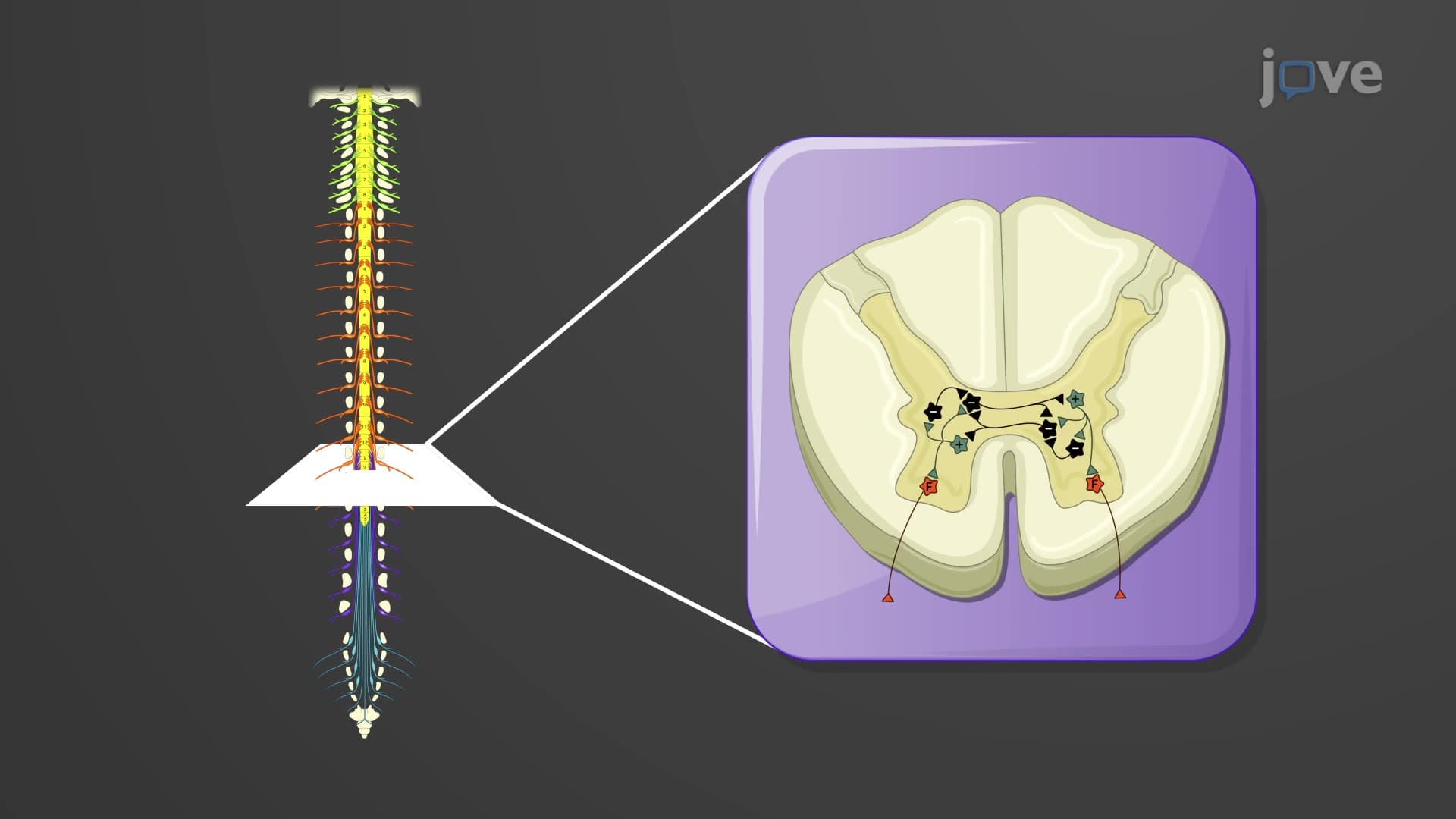
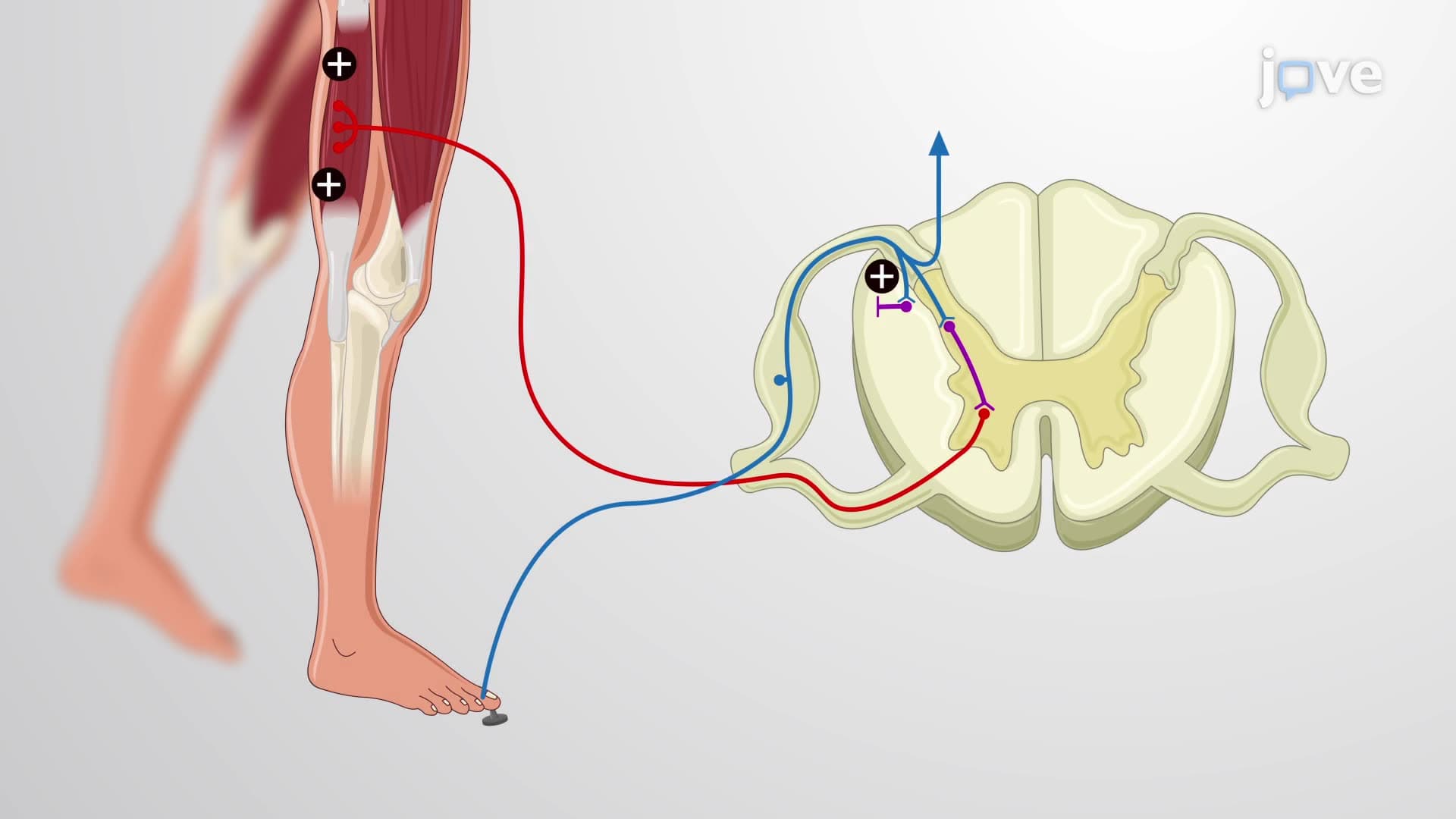
4. Spinal Reflex Mechanisms Somatic spinal reflexes demonstrate the nervous system's ability to produce rapid, automatic responses without conscious control. The stretch reflex (monosynaptic) prevents muscle damage during sudden lengthening, like the knee-jerk response tested by physicians. The tendon reflex (polysynaptic) uses Golgi tendon organs to prevent excessive muscle tension. The flexor withdrawal reflex removes body parts from harmful stimuli, while the crossed-extensor reflex maintains balance by activating opposite limb extensors. These reflexes involve five components: sensory receptor, sensory neuron, integration center, motor neuron, and effector muscle, forming the foundation for clinical reflex testing.
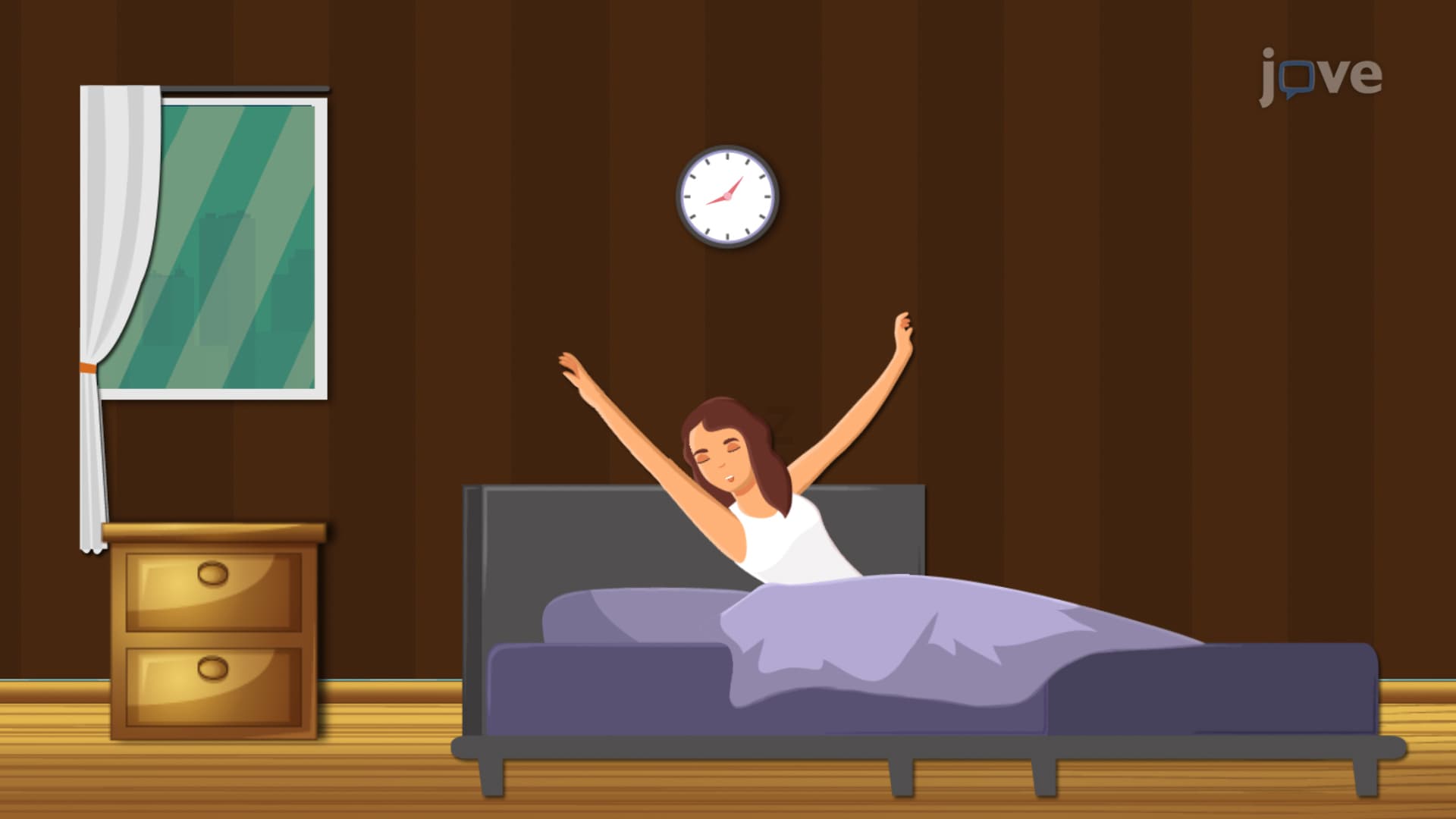
5. Brain States: Sleep, Consciousness, and Neural Activity Brain wave patterns measured by EEG reflect different states of consciousness and neural activity. Alpha waves (8-13 Hz) appear during relaxed wakefulness, beta waves (14-30 Hz) during focused attention, theta waves (4-7 Hz) in children and stressed adults, and delta waves in deep sleep or brain damage. Sleep cycles alternate between NREM (deep sleep with reduced vital signs) and REM (rapid eye movement with dreams and muscle paralysis) phases. The reticular activating system in the brainstem regulates sleep-wake cycles, with hypothalamic neurotransmitters promoting sleep and sensory stimuli triggering arousal. Understanding these patterns helps diagnose sleep disorders and assess brain function.
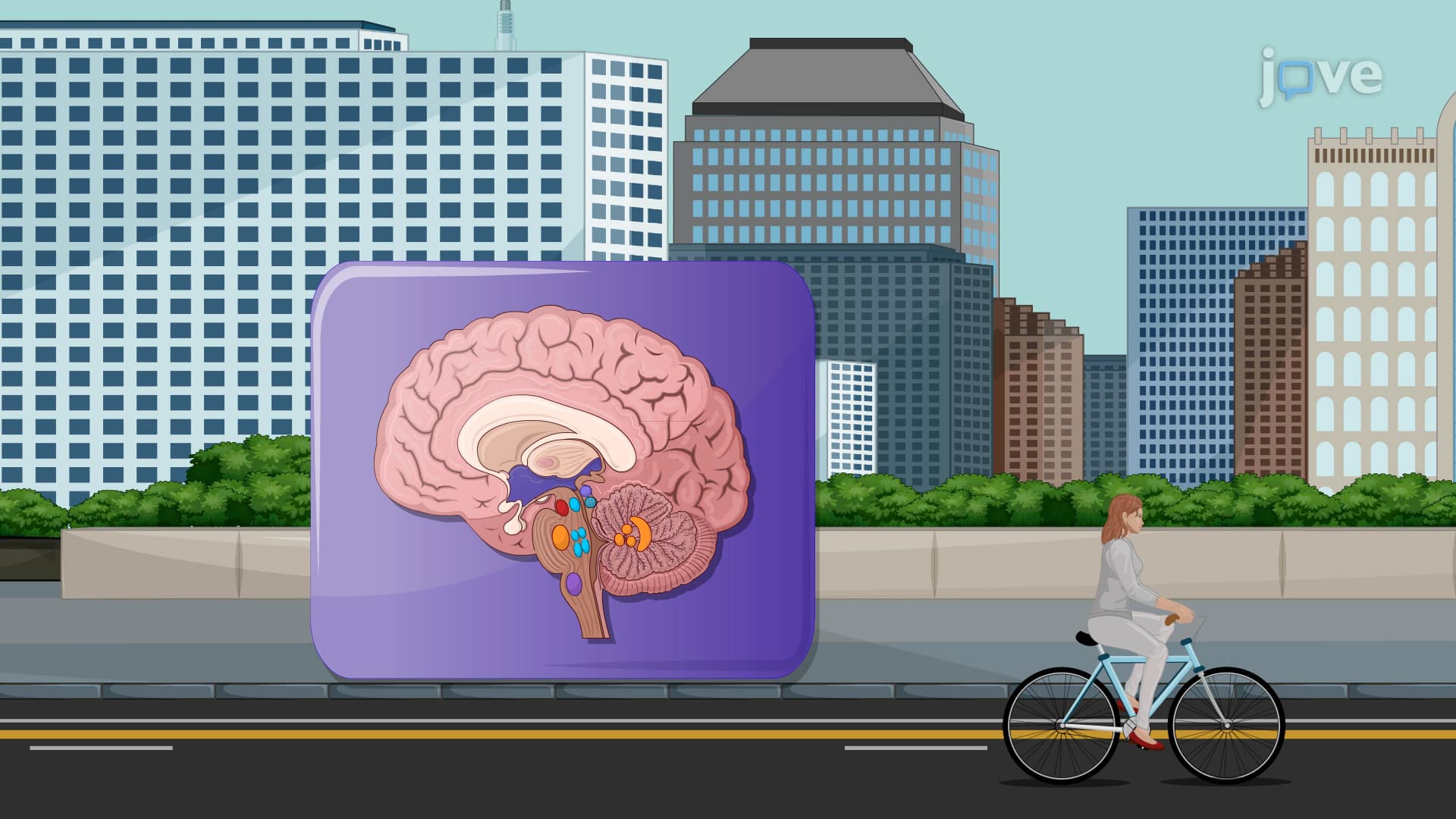
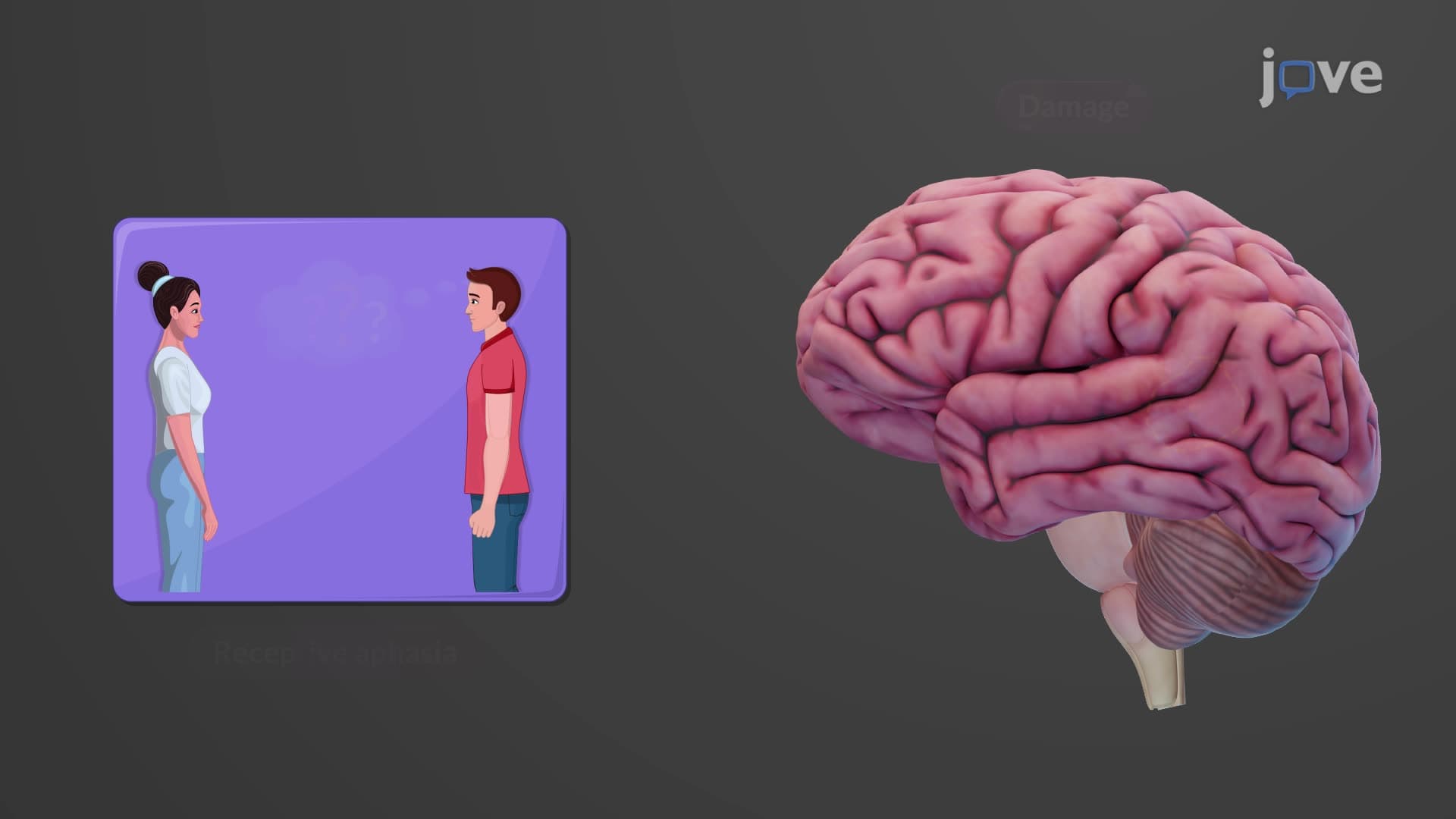
6. Learning, Memory, and Language Processing Higher brain functions demonstrate the central nervous system's capacity for complex information processing and storage. Learning occurs through associative mechanisms (linking stimuli like Pavlov's conditioning) or non-associative processes (habituation to repeated stimuli). Memory formation involves procedural memories (skills stored in cerebellum and basal ganglia) and declarative memories (facts stored in cerebral cortex) that can be short-term or consolidated into long-term storage. Language processing requires Wernicke's area (temporal lobe) for comprehension and Broca's area (frontal lobe) for speech production, with damage causing receptive or expressive aphasia respectively. These functions illustrate the brain's remarkable plasticity and specialization.