14 Concepts
6 Concepts
21 Concepts
23 Concepts
21 Concepts
15 Concepts
16 Concepts
26 Concepts
18 Concepts
19 Concepts
11 Concepts
6 Concepts
10 Concepts
22 Concepts
20 Concepts
26 Concepts
26 Concepts
14 Concepts
10 Concepts
12 Concepts
23 Concepts
29 Concepts
19 Concepts
38 Concepts
38 Concepts
25 Concepts
40 Concepts
25 Concepts
25 Concepts
20 Concepts
37 Concepts
The integumentary system forms the body's largest organ system, comprising the skin and its accessory structures including hair, nails, and glands. This comprehensive system performs critical functions from protection and temperature regulation to vitamin D synthesis and sensory perception. Through detailed exploration of skin anatomy and function, students will understand how this complex system maintains homeostasis and protects internal organs from environmental threats. JoVE Coach provides visual learning tools to master these essential concepts.
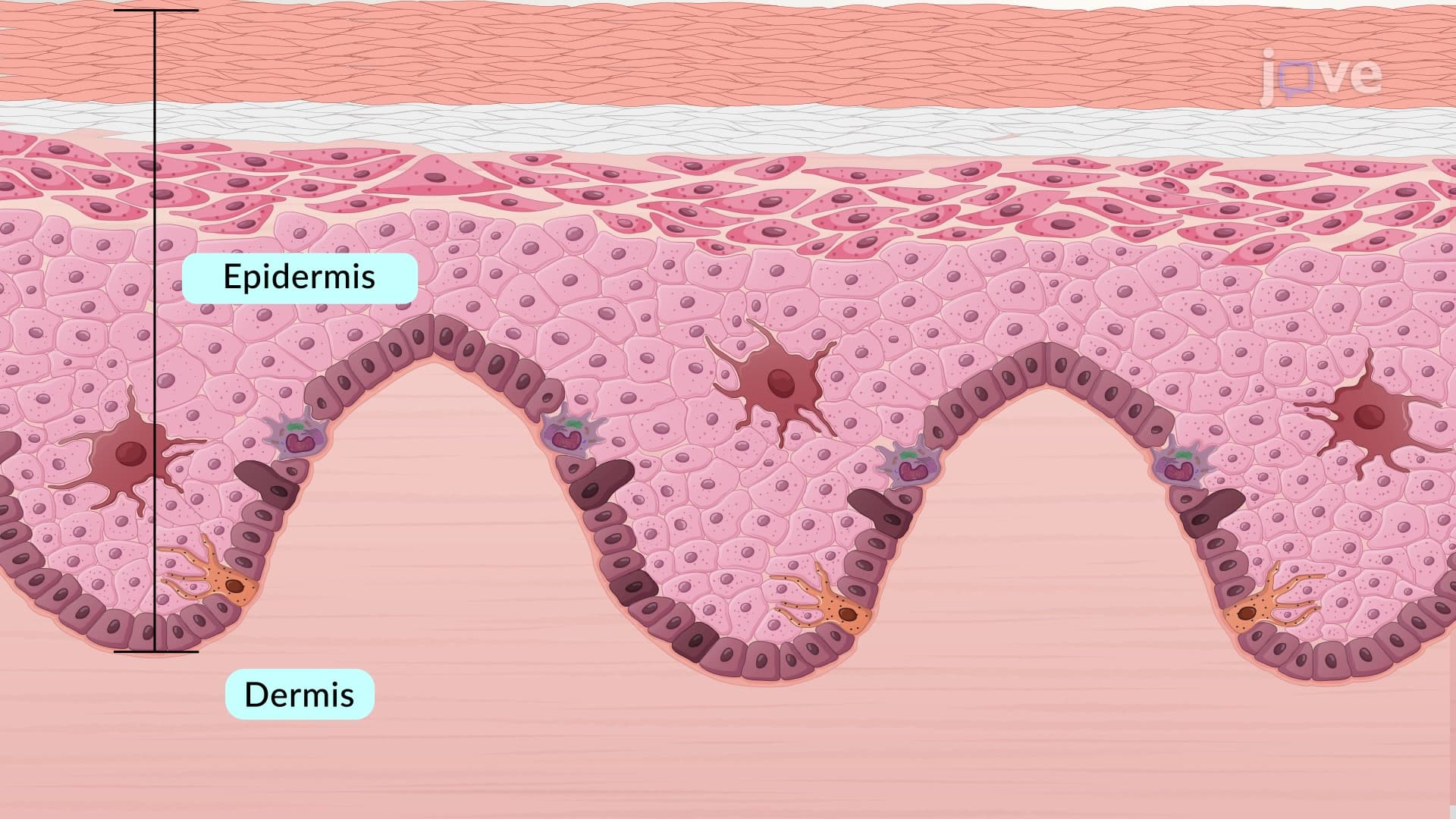
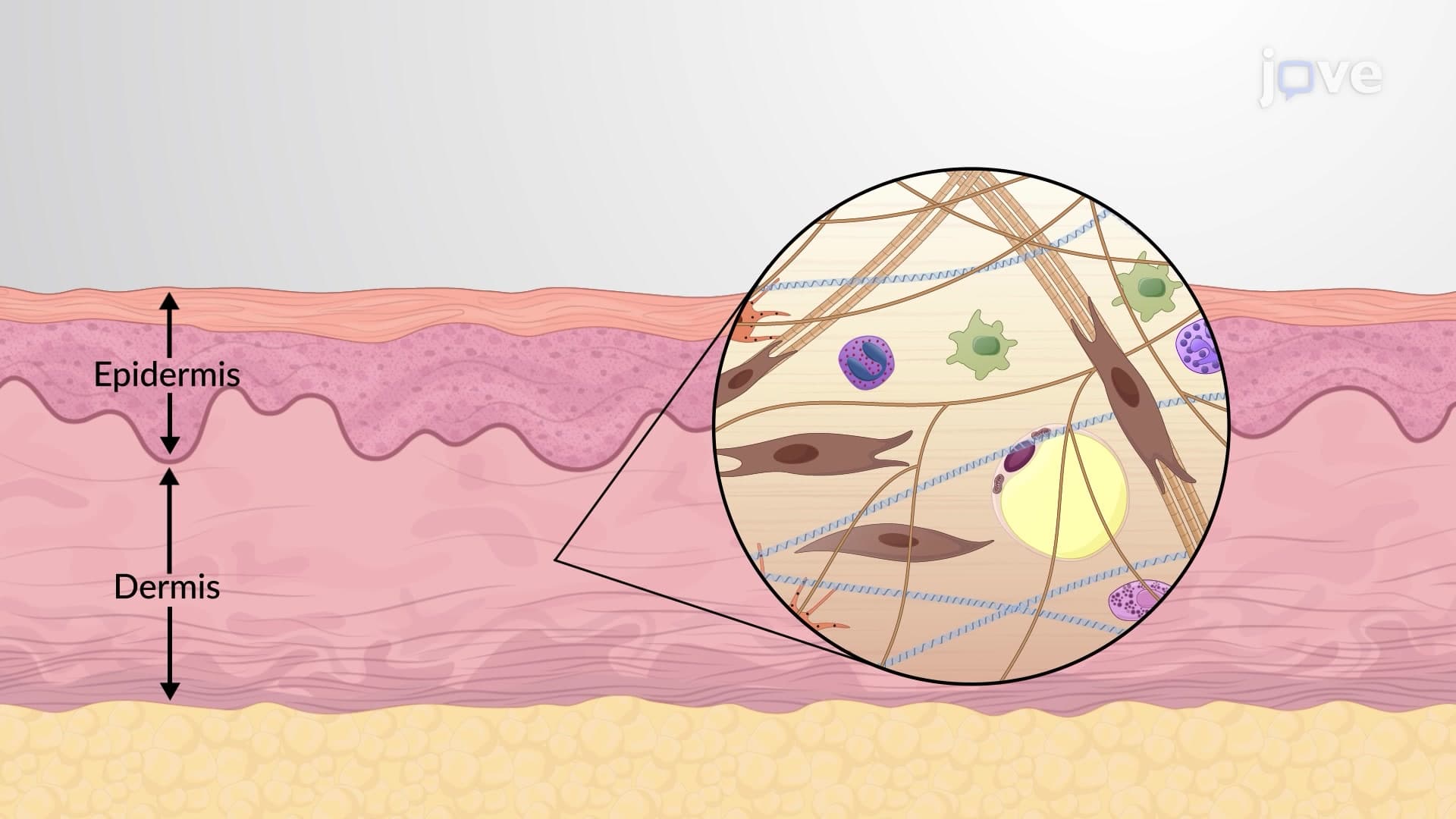
1. Skin Structure and Layers: The integumentary system consists of two primary layers: the epidermis (outer epithelial layer) and dermis (deeper connective tissue layer). The epidermis contains four main cell types - keratinocytes that produce protective keratin protein, melanocytes that create pigment, dendritic cells for immune defense, and Merkel cells for touch sensation. The epidermis itself has five distinct sublayers in thick skin, from the deepest stratum basale where cell division occurs, to the outermost stratum corneum composed of dead, flattened cells that provide waterproof protection.
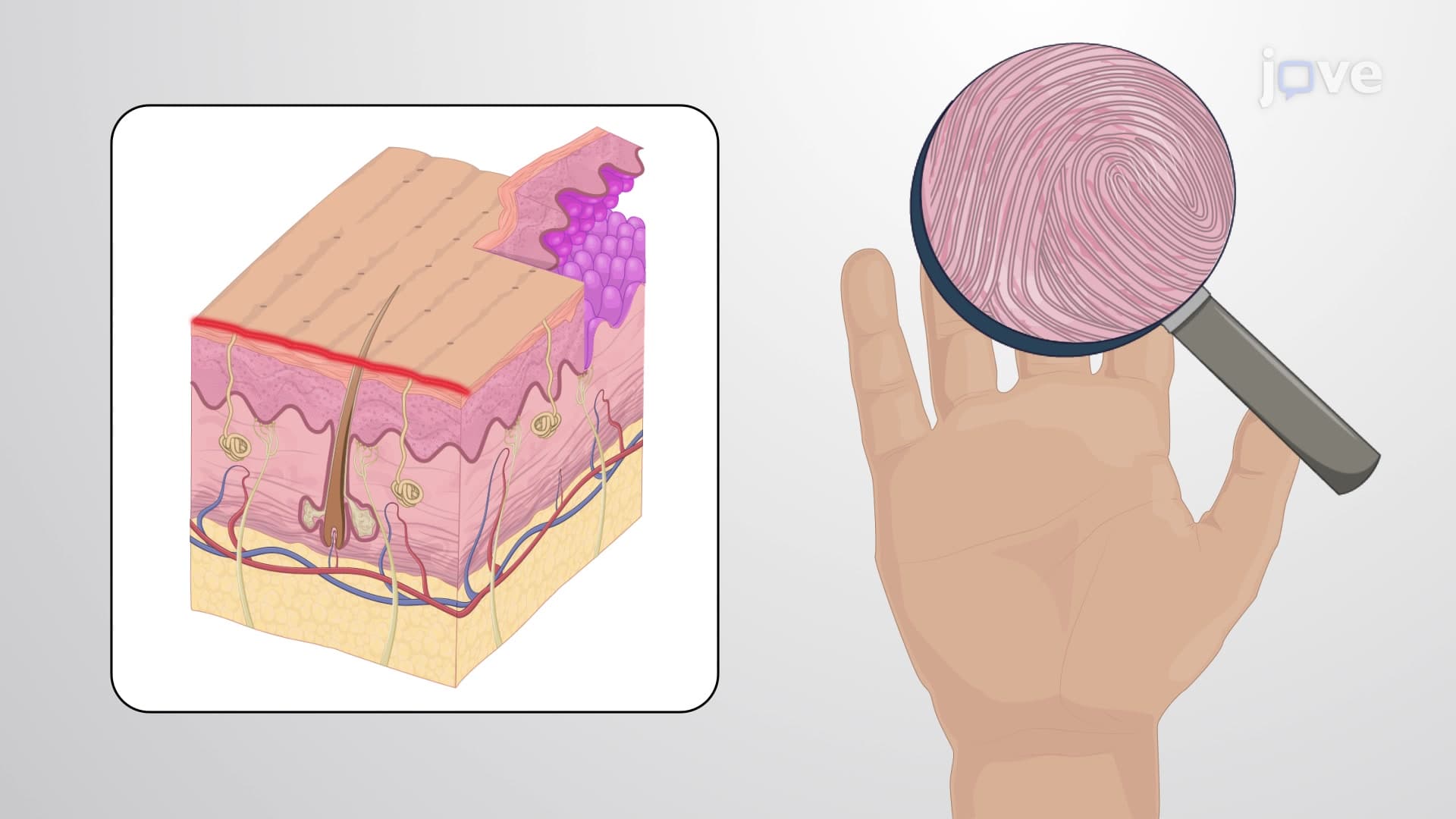
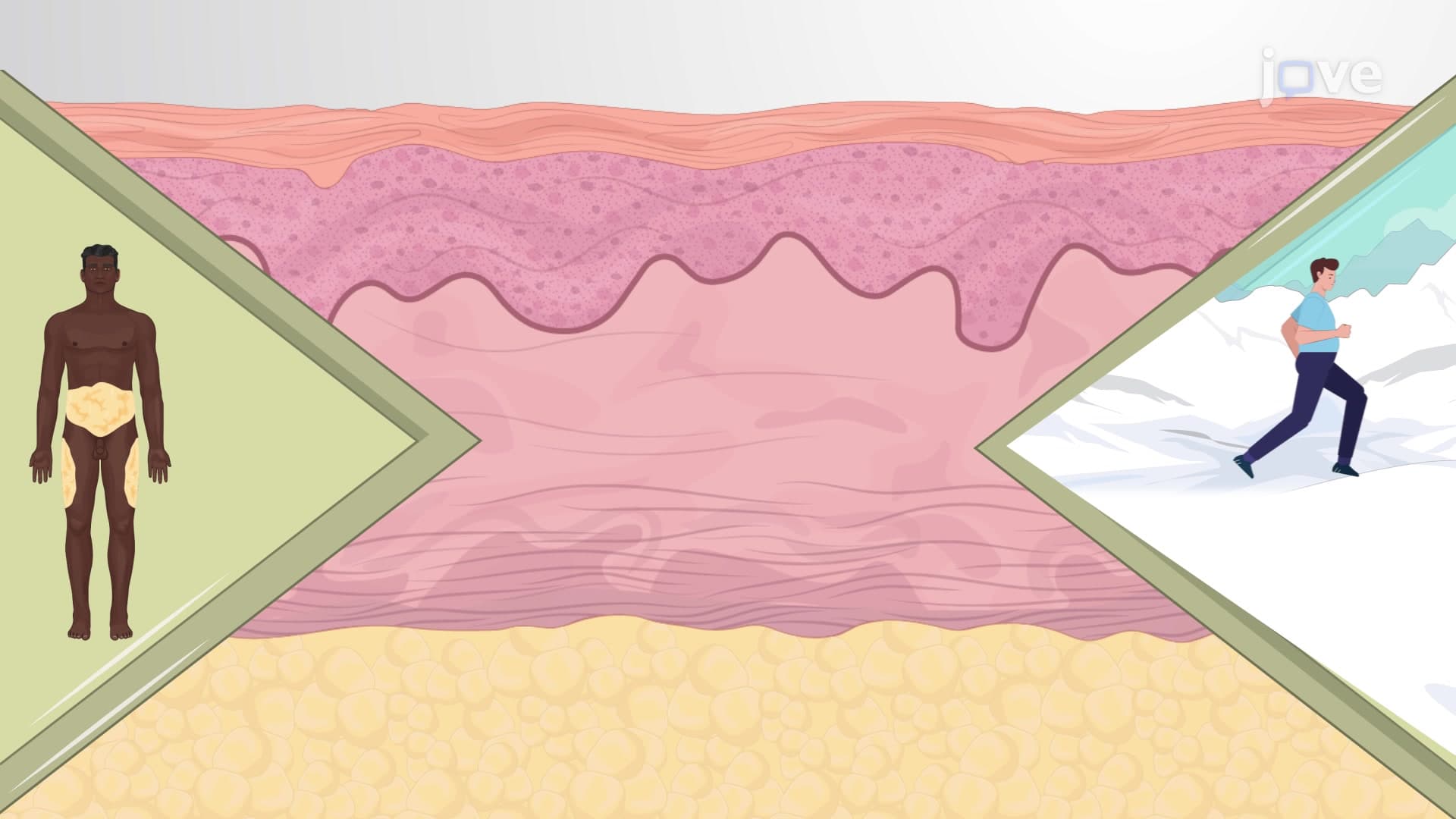
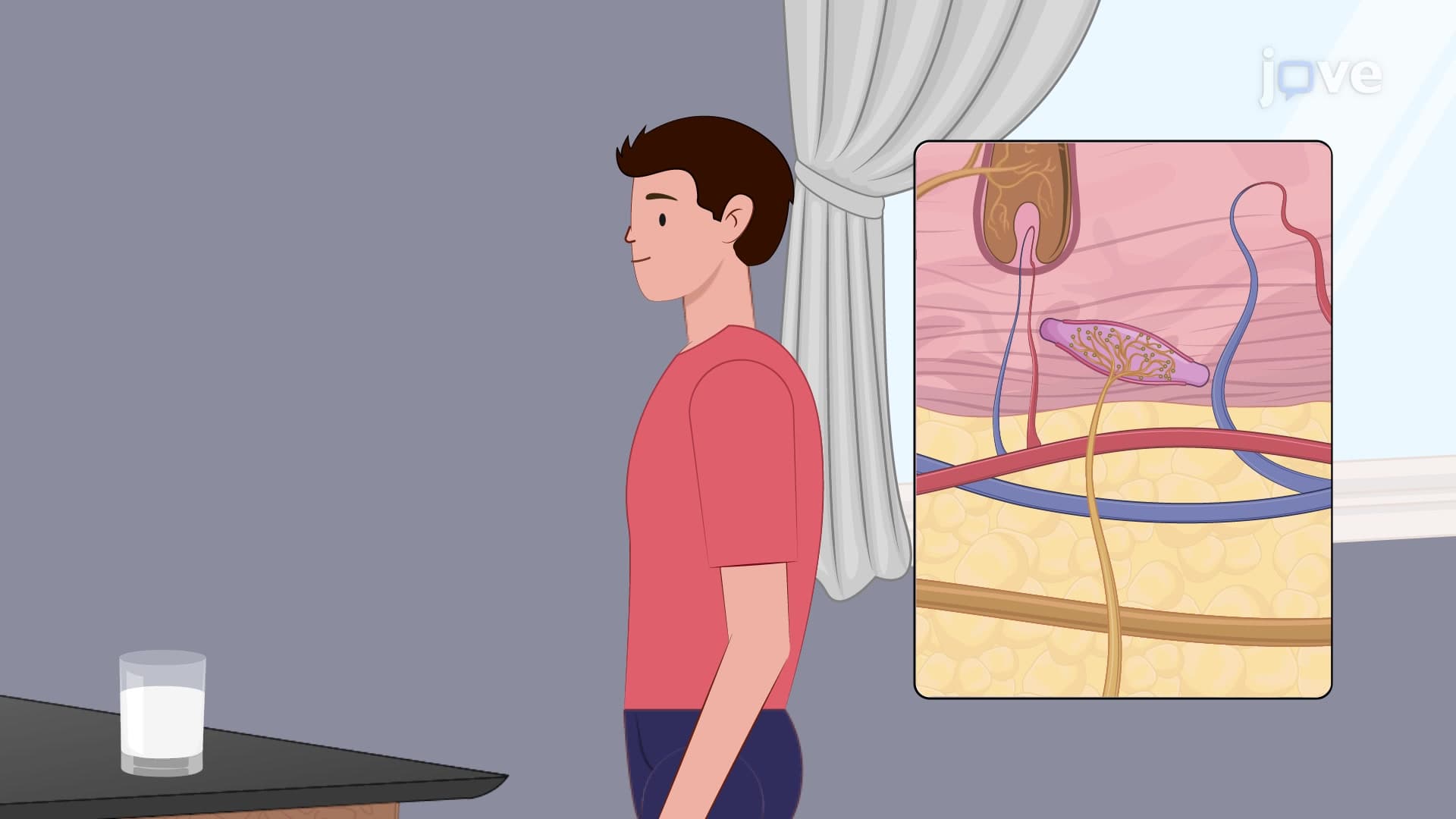
2. Dermal Components and Hypodermis: The dermis divides into the papillary layer (thin outer region with capillary networks and nerve endings) and reticular layer (thick inner region containing 80% of dermal thickness). The papillary layer features dermal papillae that create fingerprints in thick skin areas like palms. The reticular layer contains strong collagen and elastic fibers, plus sensory receptors like Pacinian corpuscles for pressure detection. Below lies the hypodermis, technically not part of the integumentary system but crucial for connecting skin to underlying structures while providing insulation through adipose tissue.
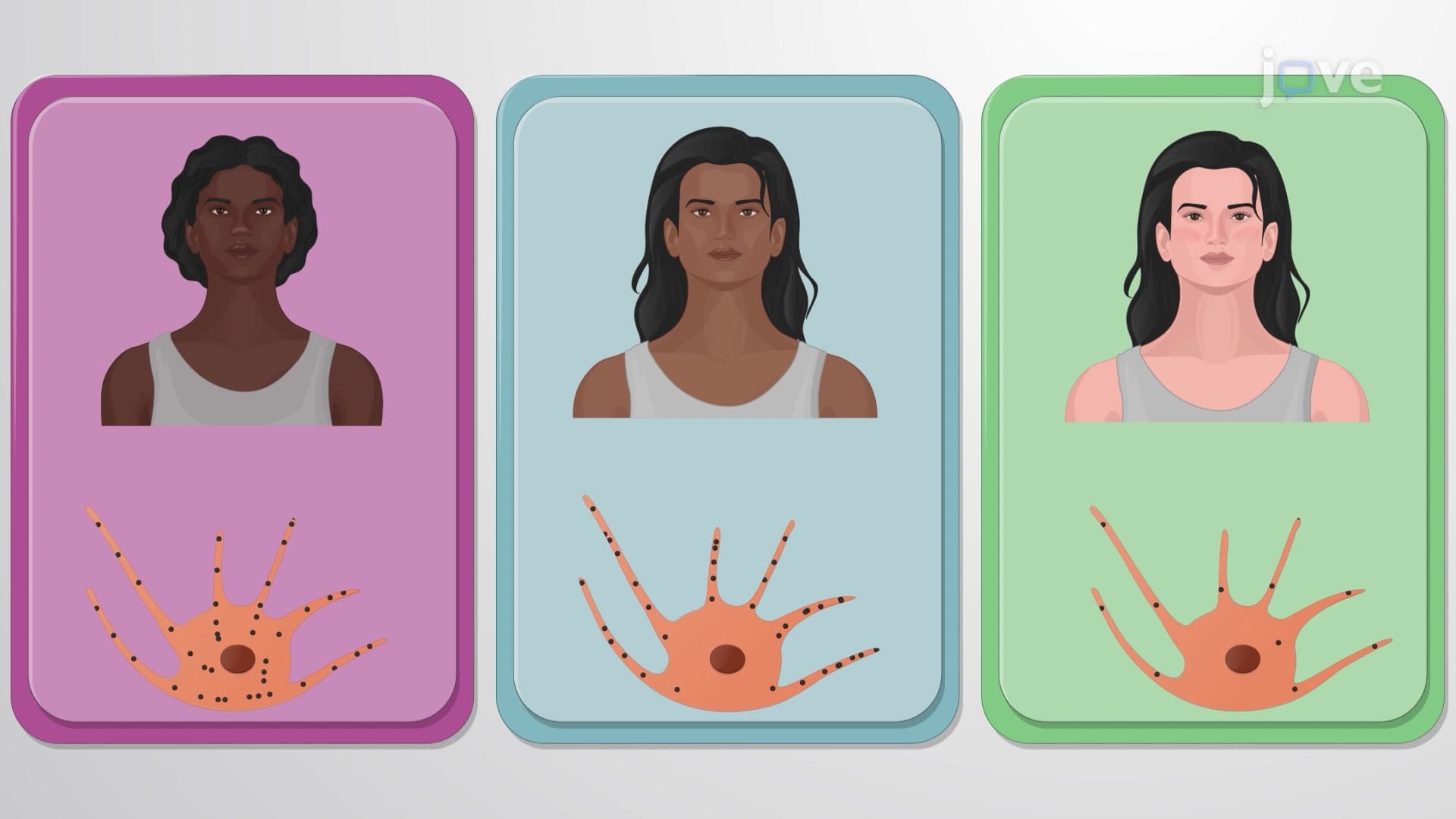
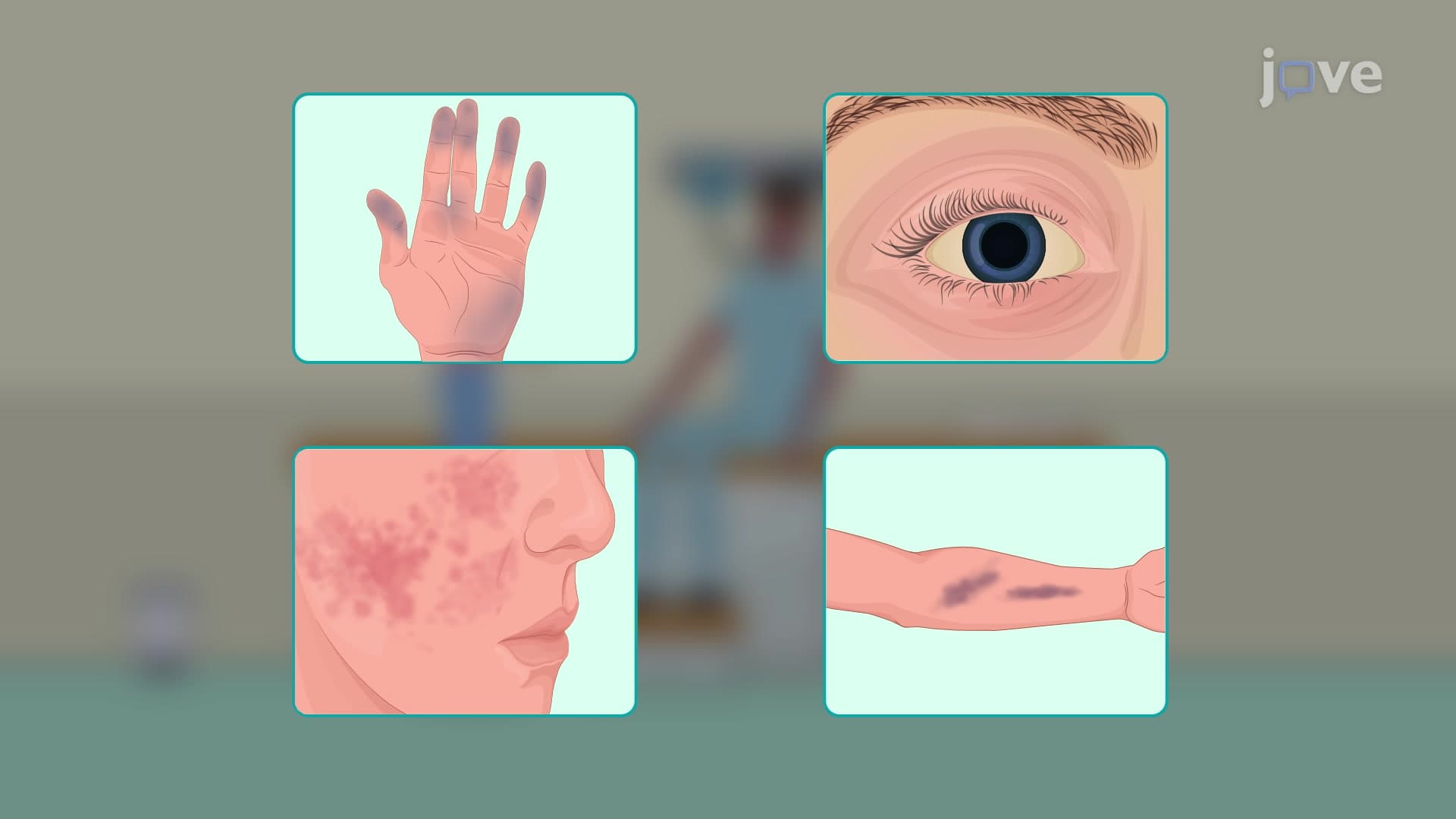
3. Skin Pigmentation and Color Changes: Skin color results from the ratio of two melanin types: brown-black eumelanin and red-yellow pheomelanin, produced by melanocytes in the stratum basale. Fair-skinned individuals produce less melanin, allowing hemoglobin in dermal capillaries to create pink coloration. Clinical color changes include cyanosis (blue from low oxygen), jaundice (yellow from bilirubin accumulation), ecchymoses (bruising from blood vessel damage), and erythema (redness from increased blood flow), each indicating specific physiological or pathological conditions.
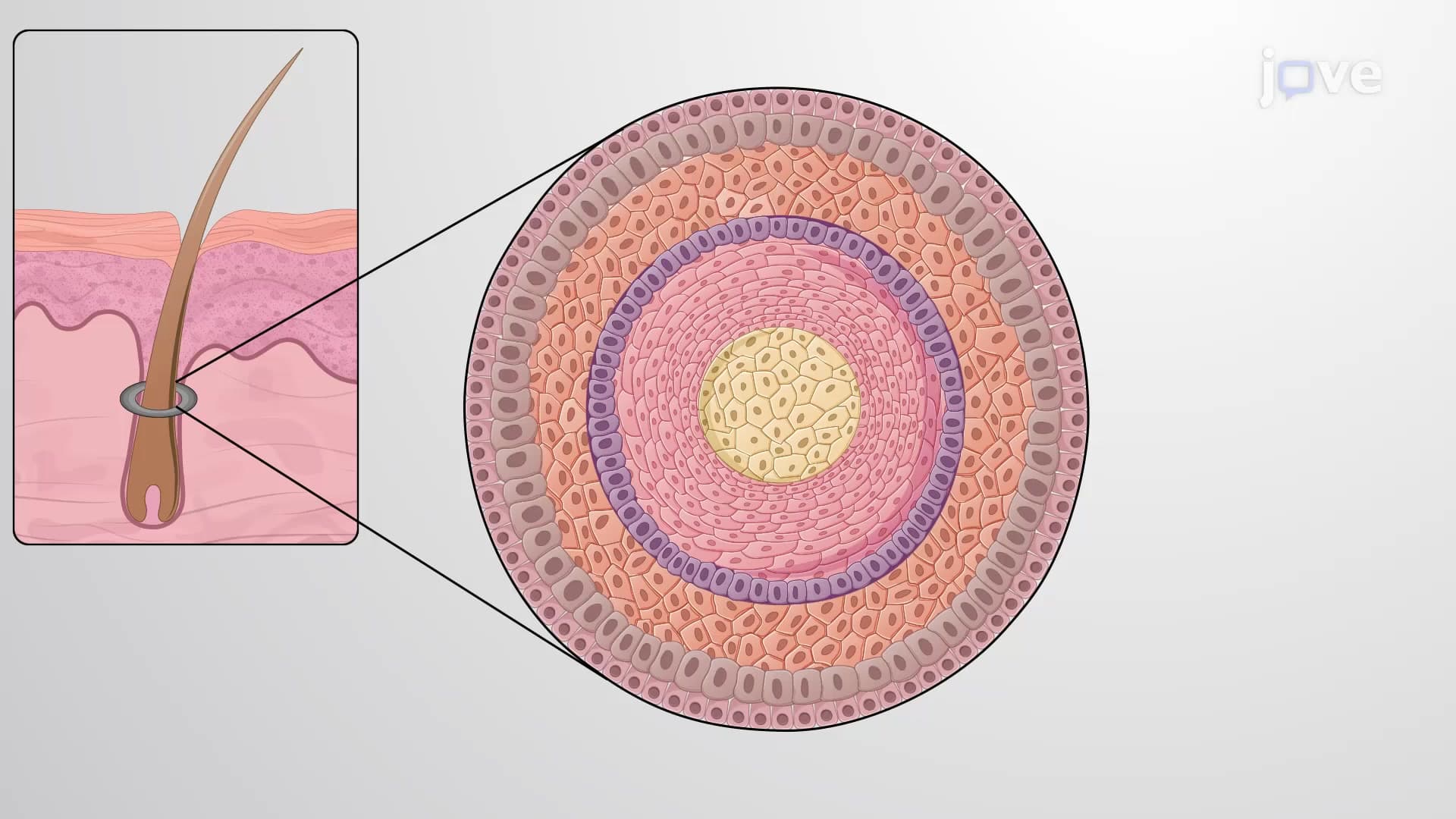
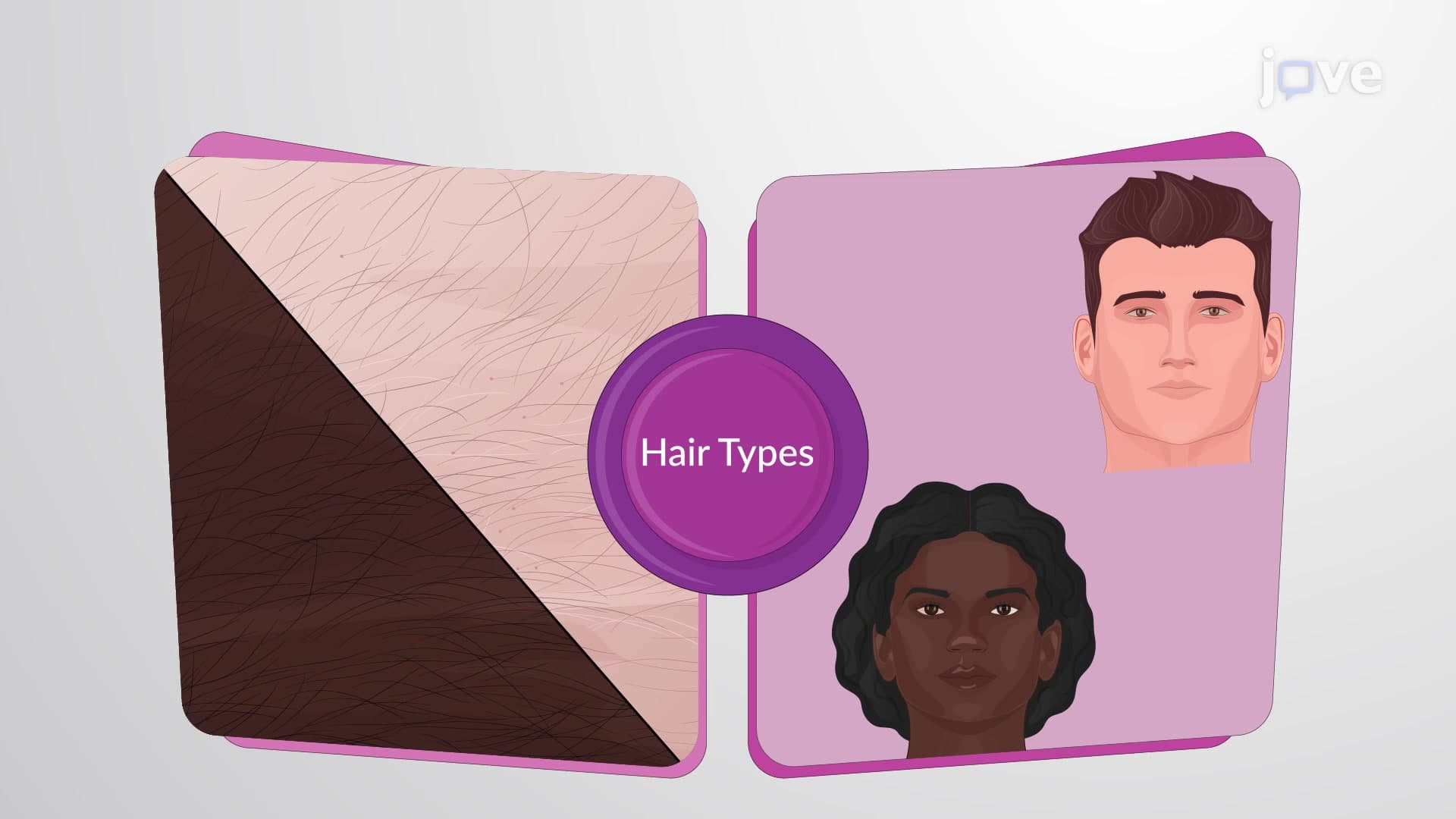
4. Hair Structure and Growth Cycles: Hair consists of three concentric layers: the central medulla, intermediate cortex, and outer cuticle of keratinized cells. Hair follicles undergo cyclical phases including anagen (active growth for 2-5 years), catagen (transitional phase lasting 2-3 weeks), and telogen (dormant phase for 3 months). Hair types include fine vellus hair covering most body surfaces and coarser terminal hair found on the scalp, eyebrows, and post-puberty development in axillary and pubic regions.
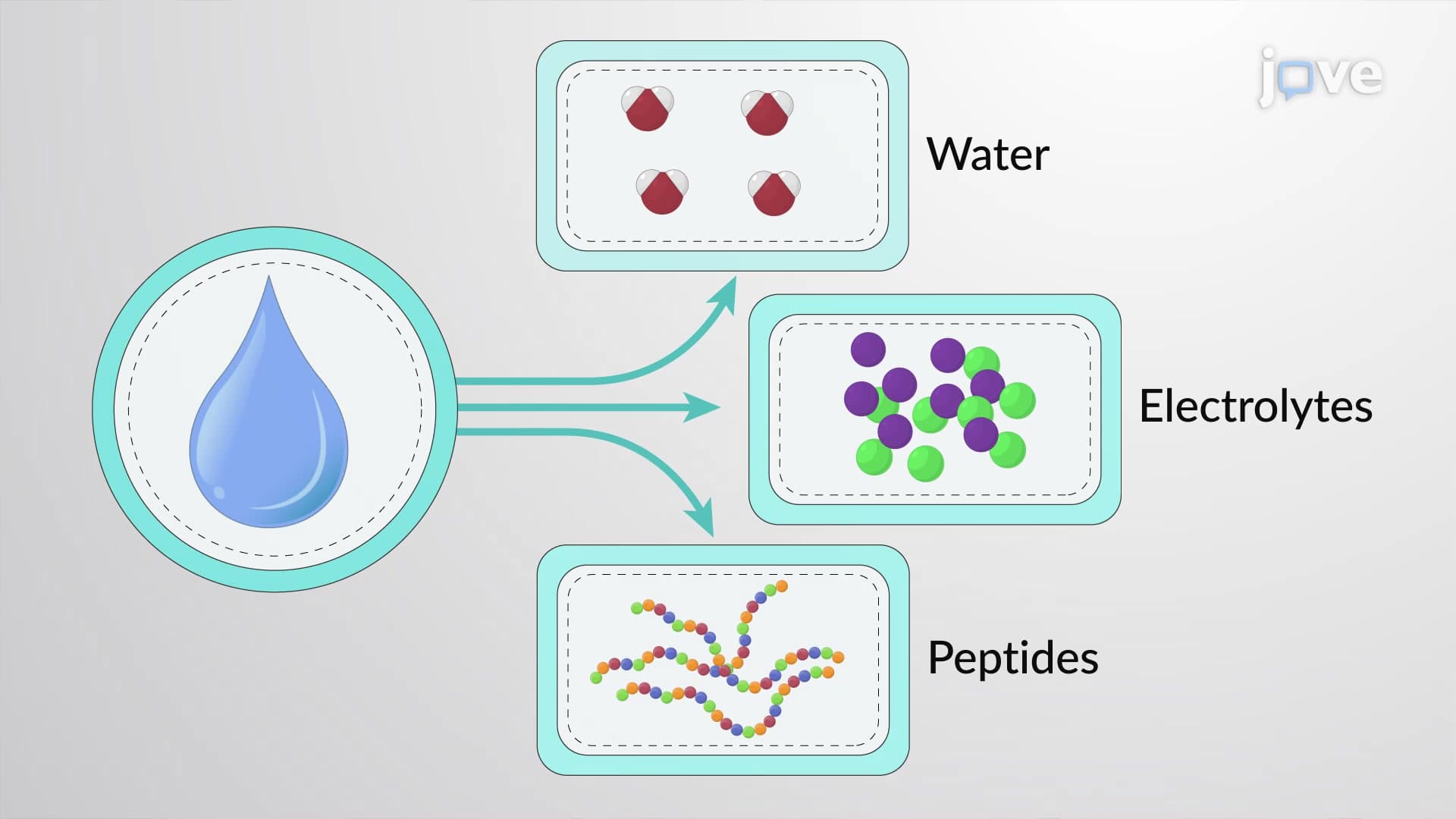
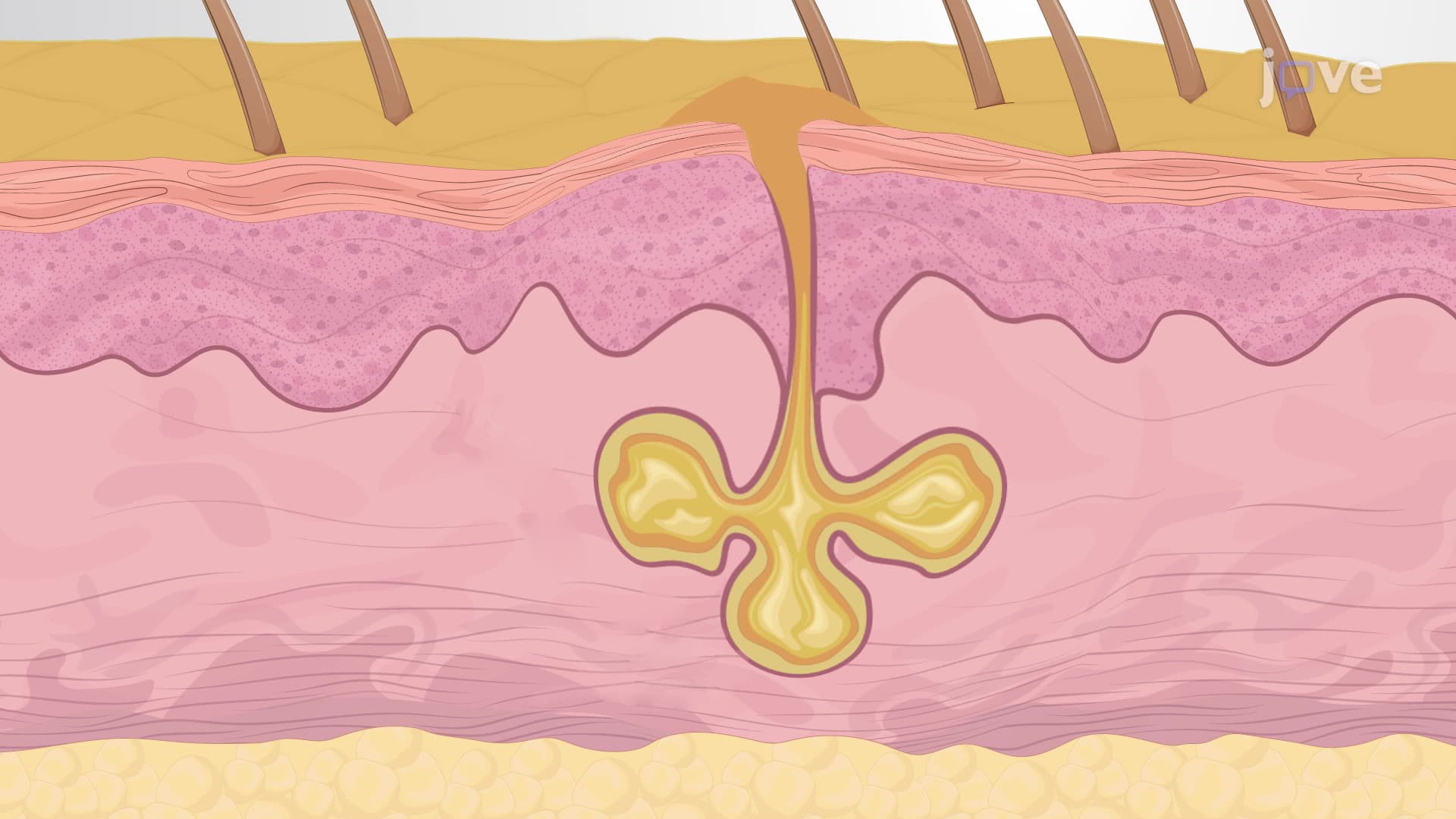
5. Glandular Structures and Secretions: Two main sweat gland types serve different functions: eccrine glands distributed throughout skin produce watery sweat for thermoregulation, while apocrine glands associated with hair follicles become active at puberty and respond to emotional stimuli. Sebaceous glands produce sebum, an oily mixture containing triglycerides, cholesterol, and antimicrobial peptides that lubricates skin and hair. Overproduction can cause acne, while inflammation leads to seborrheic dermatitis with red, scaly patches.
6. Sensory Functions and Vitamin D Synthesis: Skin contains various mechanoreceptors including Merkel discs for texture detection, Meissner's corpuscles for light touch, Ruffini endings for warmth and stretch, and Pacinian corpuscles for deep pressure and vibration. Additionally, skin cells synthesize vitamin D3 when UVB radiation converts 7-dehydrocholesterol in the stratum basale and spinosum. This process produces cholecalciferol, which travels to the liver and kidneys for conversion to active calcitriol, essential for calcium absorption and bone health.
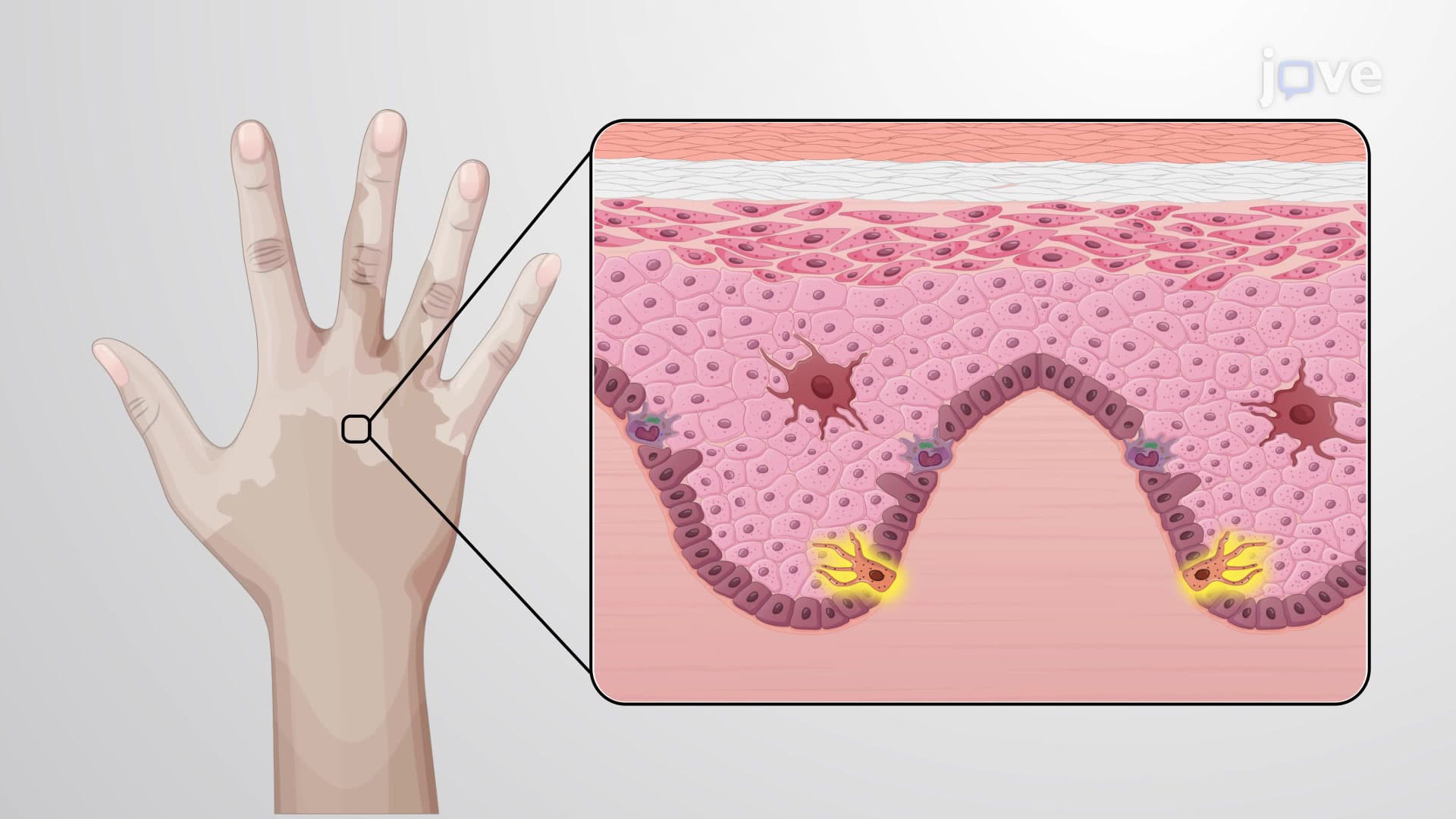
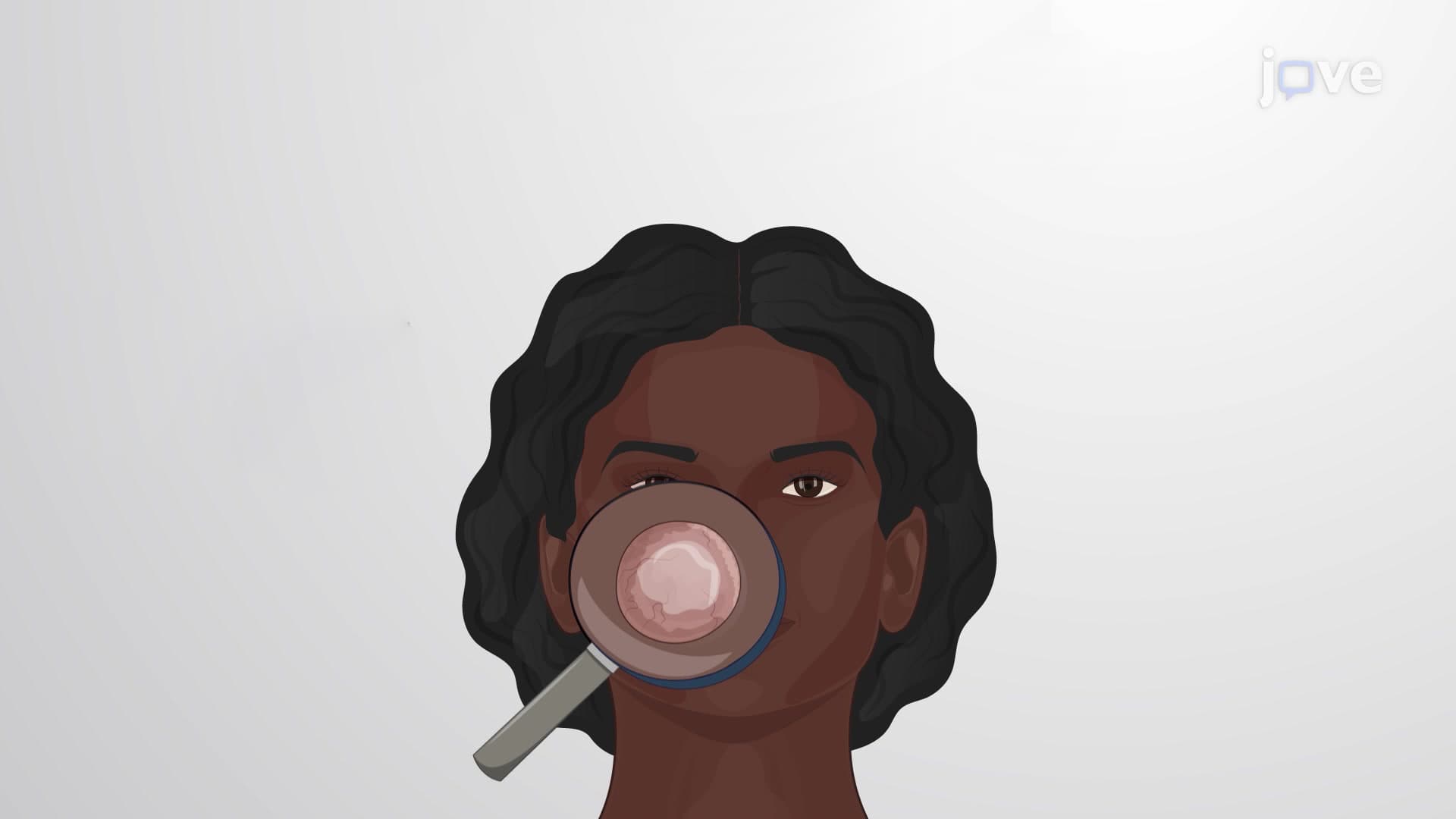
7. Common Skin Pathologies and Cancer Types: Skin diseases range from bacterial infections like cellulitis to autoimmune conditions such as psoriasis (red, scaly patches), vitiligo (melanocyte destruction causing pale patches), and alopecia areata (immune attack on hair follicles). The three main skin cancers result from UV damage: basal cell carcinoma (most common, arising from stratum basale), squamous cell carcinoma (from keratinocytes in stratum spinosum), and melanoma (highly metastatic, developing from melanocytes). Treatment varies from surgical removal to chemotherapy depending on cancer type and stage.
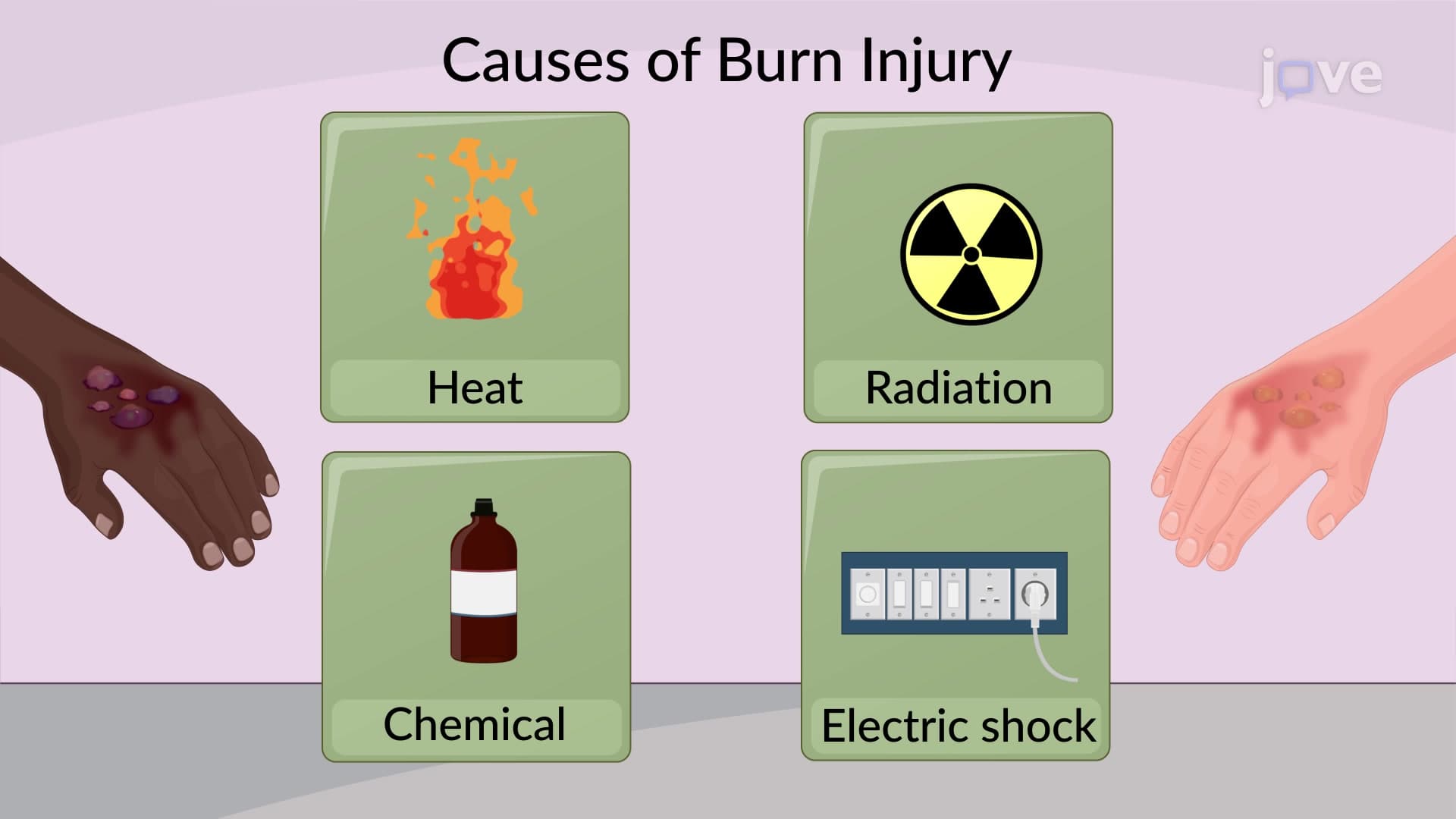
8. Burn Classifications and Wound Healing: Burns are classified by depth and severity: first-degree burns affect only the epidermis causing redness and pain (like mild sunburn), second-degree burns damage epidermis and partial dermis creating blisters and swelling, while third-degree burns destroy all skin layers including sensory nerves, appearing white or red and requiring skin grafts. The extent of surface area involvement, measured using the "rule of nines" in clinical settings, helps determine treatment protocols and prognosis for burn victims.