Loading subject page…


14 Concepts
6 Concepts
21 Concepts
23 Concepts
21 Concepts
15 Concepts
16 Concepts
26 Concepts
18 Concepts
19 Concepts
11 Concepts
6 Concepts
10 Concepts
22 Concepts
20 Concepts
26 Concepts
26 Concepts
14 Concepts
10 Concepts
12 Concepts
23 Concepts
29 Concepts
19 Concepts
38 Concepts
38 Concepts
25 Concepts
40 Concepts
25 Concepts
25 Concepts
20 Concepts
37 Concepts
 14 Concepts
 317.3K Views
 Popular topics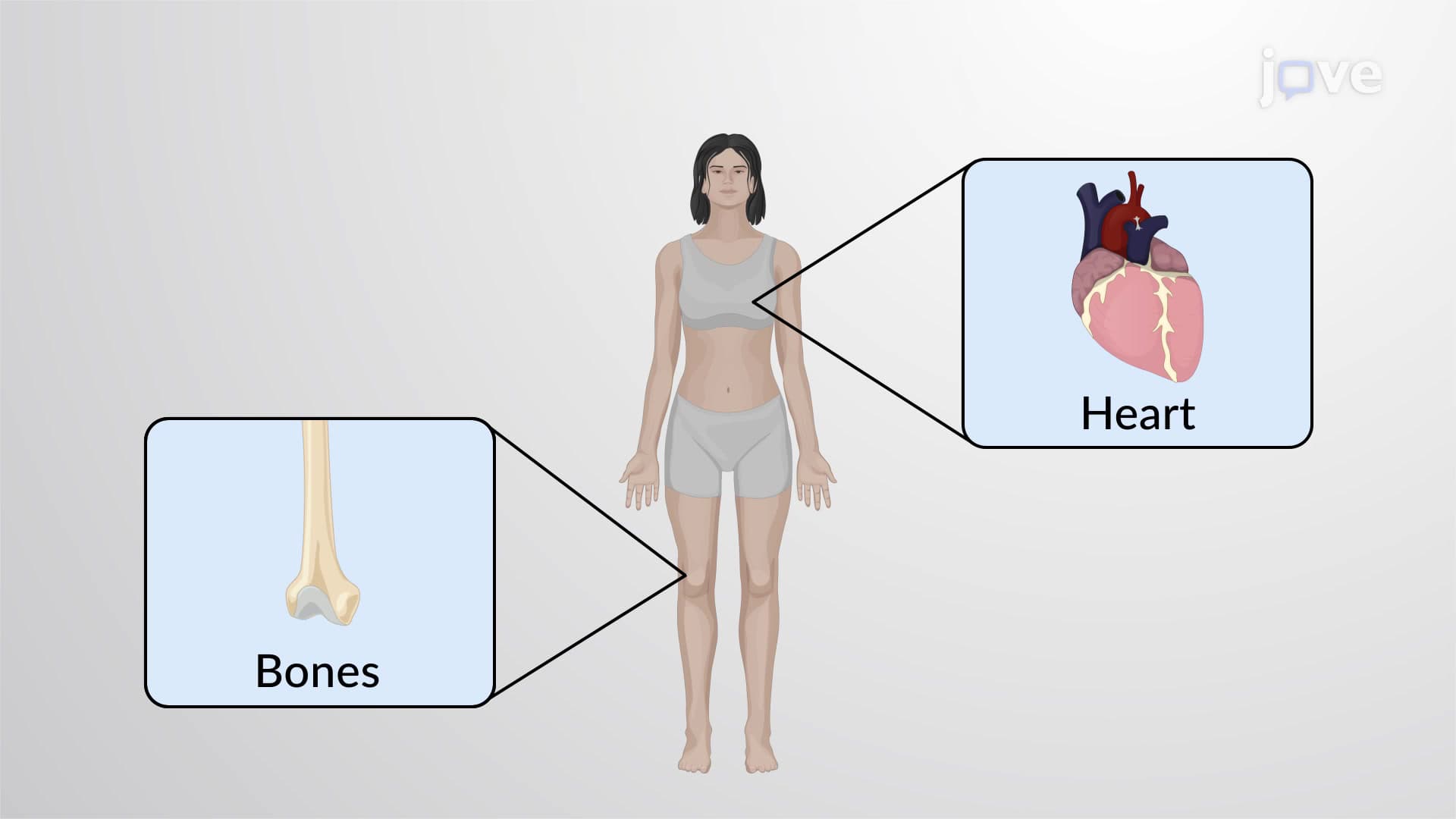




This introduction to the human body provides a comprehensive foundation in anatomy and physiology, covering structural organization from molecules to organ systems. Students explore homeostasis, anatomical terminology, body planes, and regional anatomy through expert instruction. The course prepares learners for advanced study in health sciences and medical careers, with content aligned to US educational standards and supported by JoVE Coach learning tools.
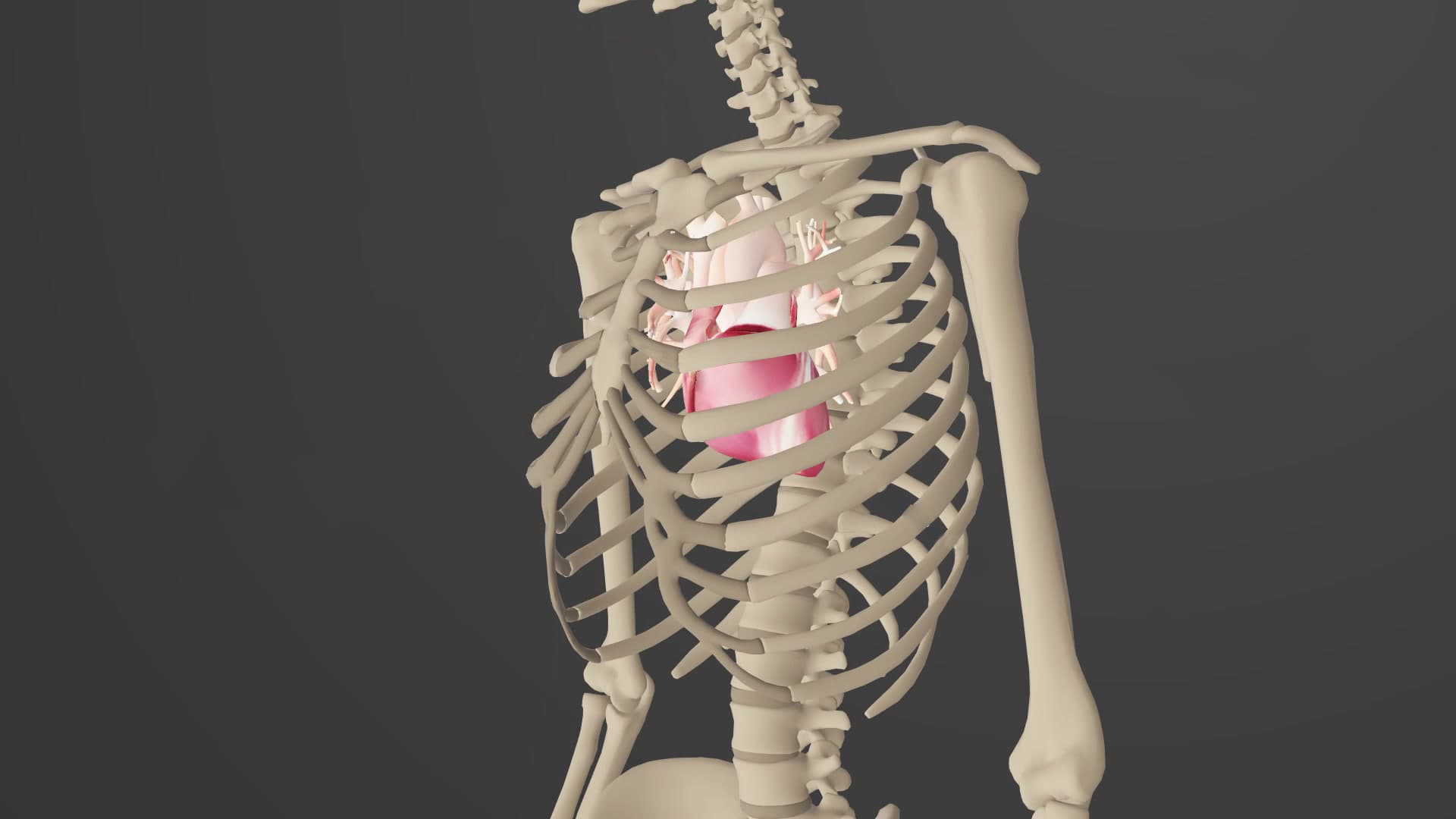
1. Anatomy and Physiology Fundamentals: The study of human body structure (anatomy) and function (physiology) represents two interconnected branches of biological science. Gross anatomy examines large structures visible without magnification, like the heart pumping 2,000 gallons of blood daily through the cardiovascular system. Microscopic anatomy investigates cellular and tissue organization, such as the 37 trillion cells comprising an average adult human body. The principle of complementarity demonstrates how structure supports function, exemplified by alveoli in lungs having thin walls (0.5 micrometers) to facilitate efficient gas exchange during the 20,000 breaths taken daily.
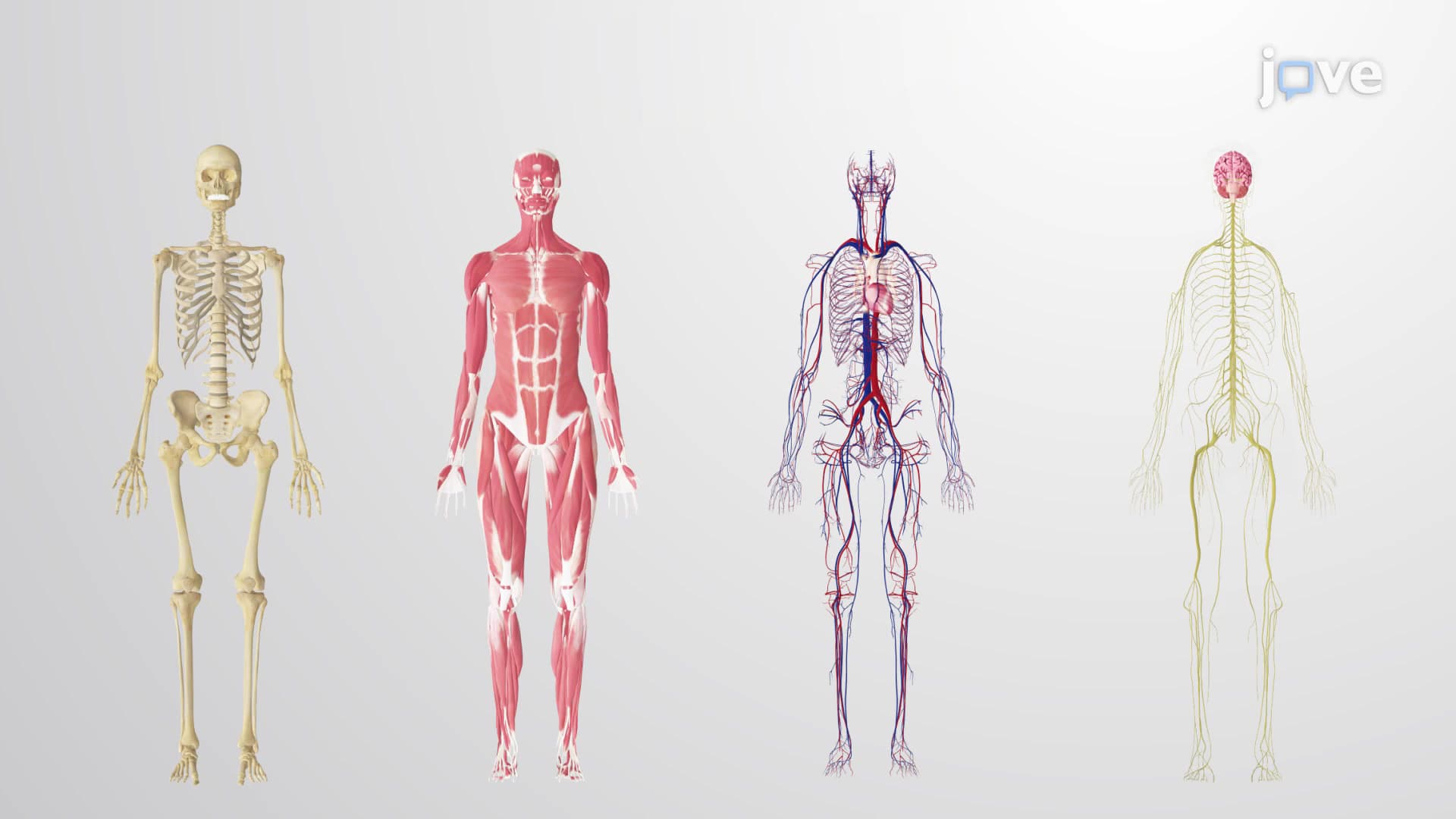
2. Structural Organization and Hierarchy: Human body organization follows six distinct levels, beginning with atoms combining to form essential molecules like DNA, proteins, and lipids. These molecules organize into specialized cellular structures called organelles, such as mitochondria producing ATP energy. Similar cells group together forming four primary tissue types: epithelial (covering surfaces), connective (supporting structures), muscle (enabling movement), and nervous (transmitting signals). Multiple tissues combine to create organs like the liver, which performs over 500 different functions. Related organs work together as systems, with all eleven organ systems coordinating to maintain life in the complete organism.
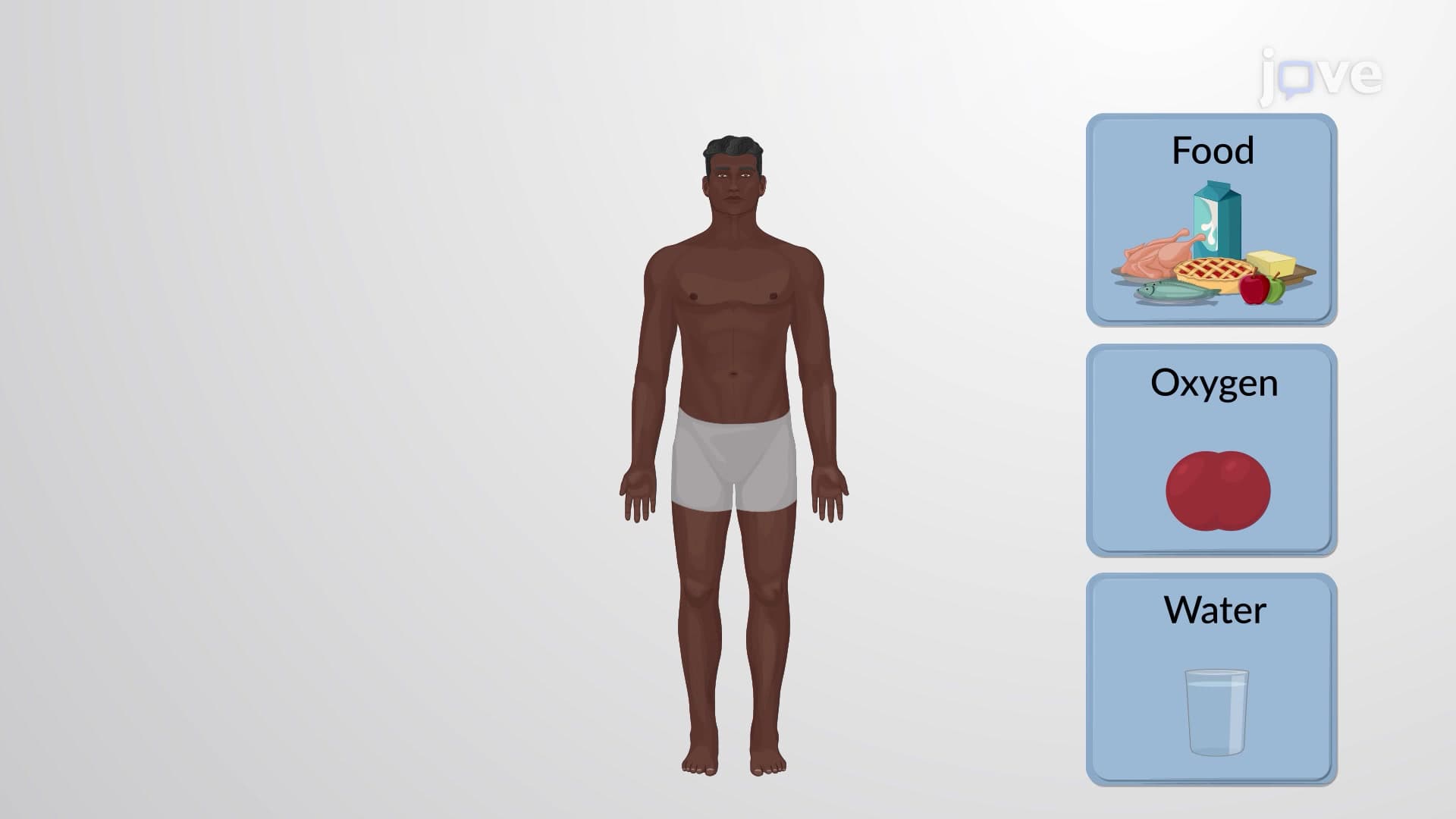
3. Functions of Life and Survival Requirements: The human body performs essential life functions including protection, movement, metabolism, and reproduction to ensure survival and species continuation. Protection occurs through physical barriers like skin (covering 22 square feet in adults) and immune responses combating pathogens. Movement involves both voluntary actions through skeletal muscle contraction and involuntary processes like cardiac muscle pumping blood. Metabolism encompasses catabolism (breaking down nutrients for energy) and anabolism (building complex molecules), processing approximately 2,000 calories daily. Critical survival requirements include oxygen (surviving only 3-4 minutes without it), water (comprising 60% of body weight), nutrients from food, appropriate temperature (98.6°F core temperature), and atmospheric pressure for proper gas exchange.
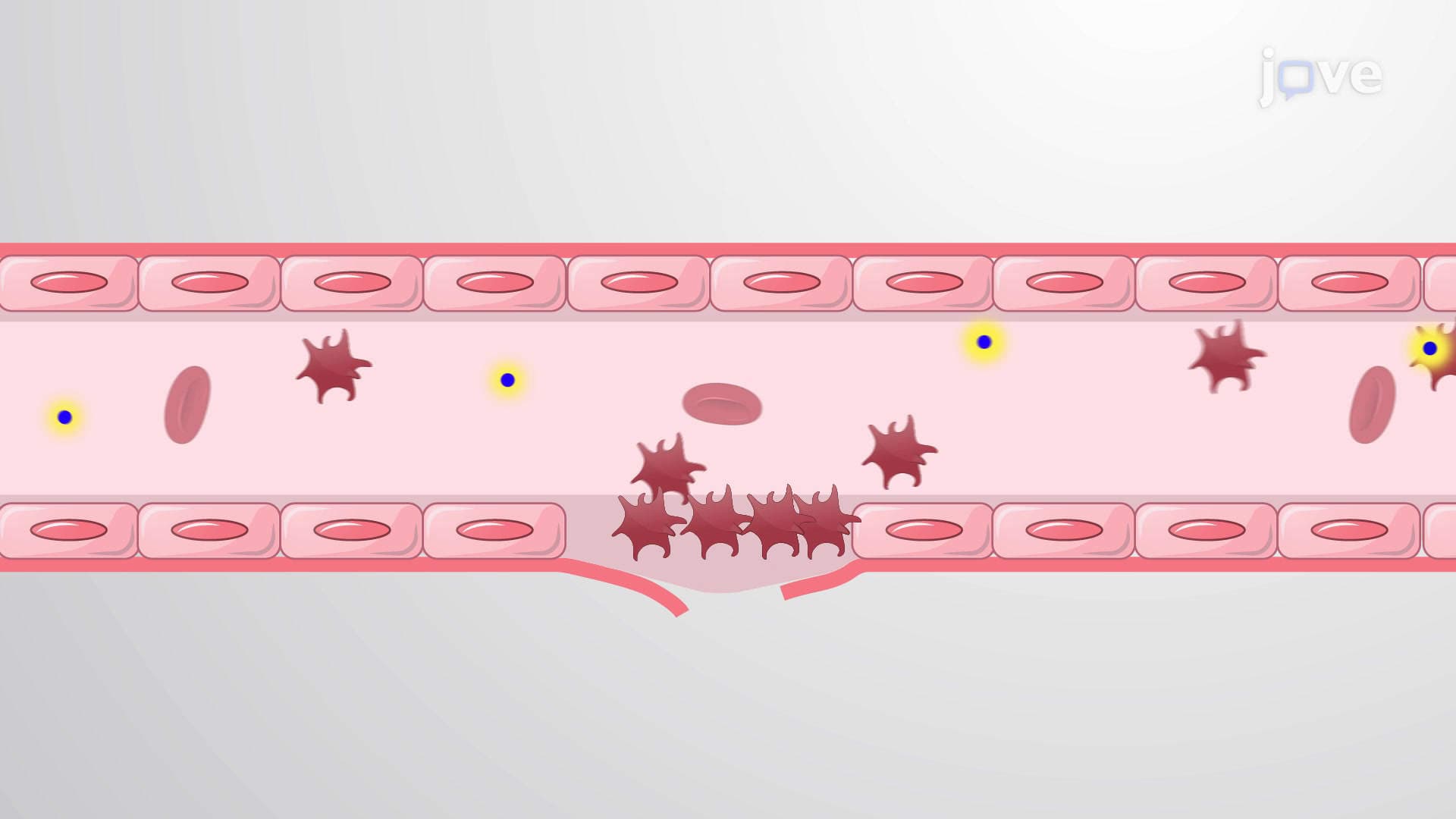
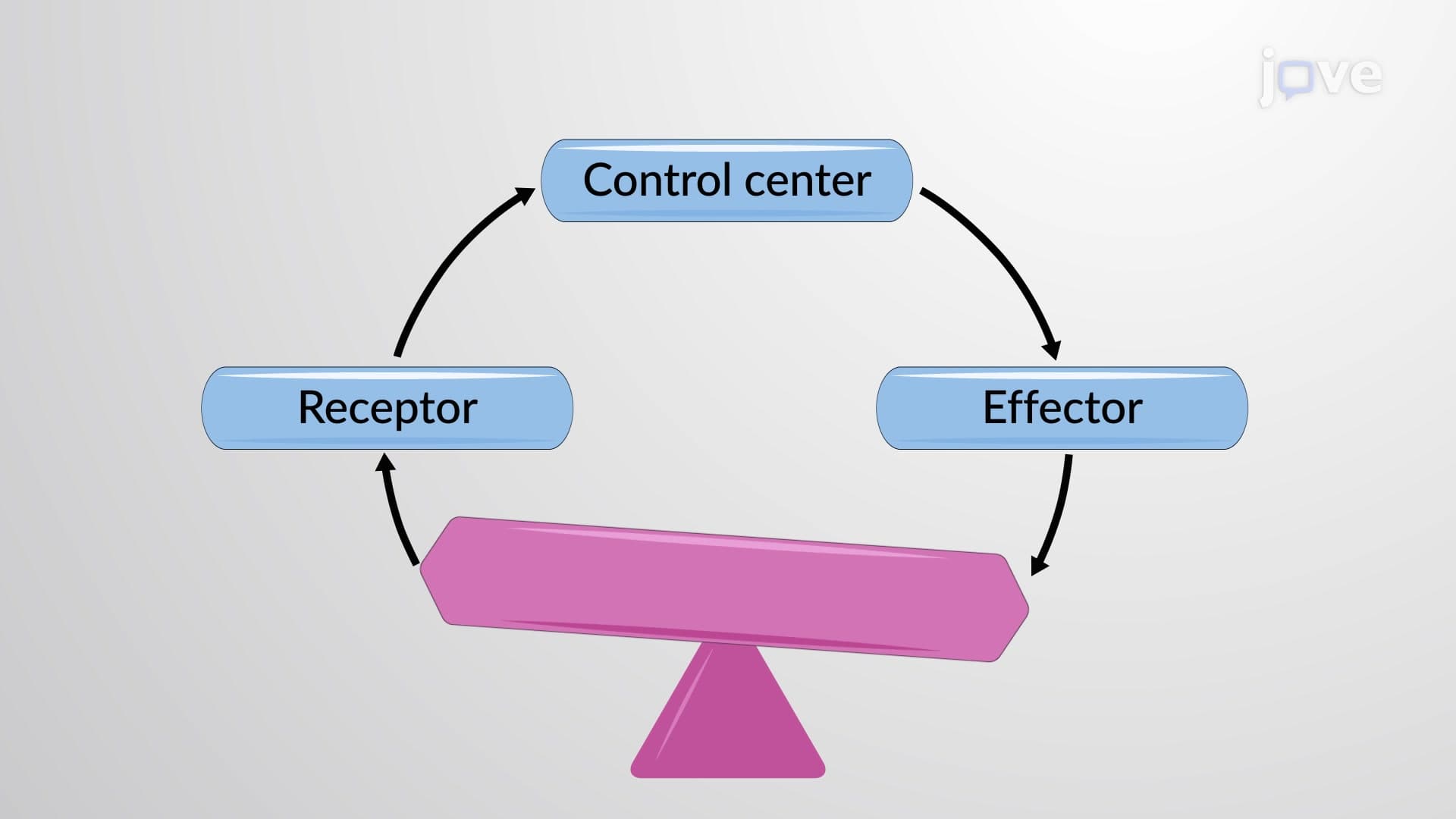
4. Homeostasis and Feedback Mechanisms: Homeostasis maintains stable internal conditions despite external environmental changes through sophisticated control systems involving receptors, control centers, and effectors. Body temperature regulation exemplifies negative feedback, where thermoreceptors detect temperature changes, the hypothalamus processes information, and effectors like sweat glands respond to restore the 98.6°F set point. Positive feedback amplifies responses to drive processes to completion, demonstrated during childbirth when oxytocin release intensifies uterine contractions until delivery occurs. Blood clotting represents another positive feedback example, where initial platelet activation triggers additional platelet aggregation to seal wounds effectively.
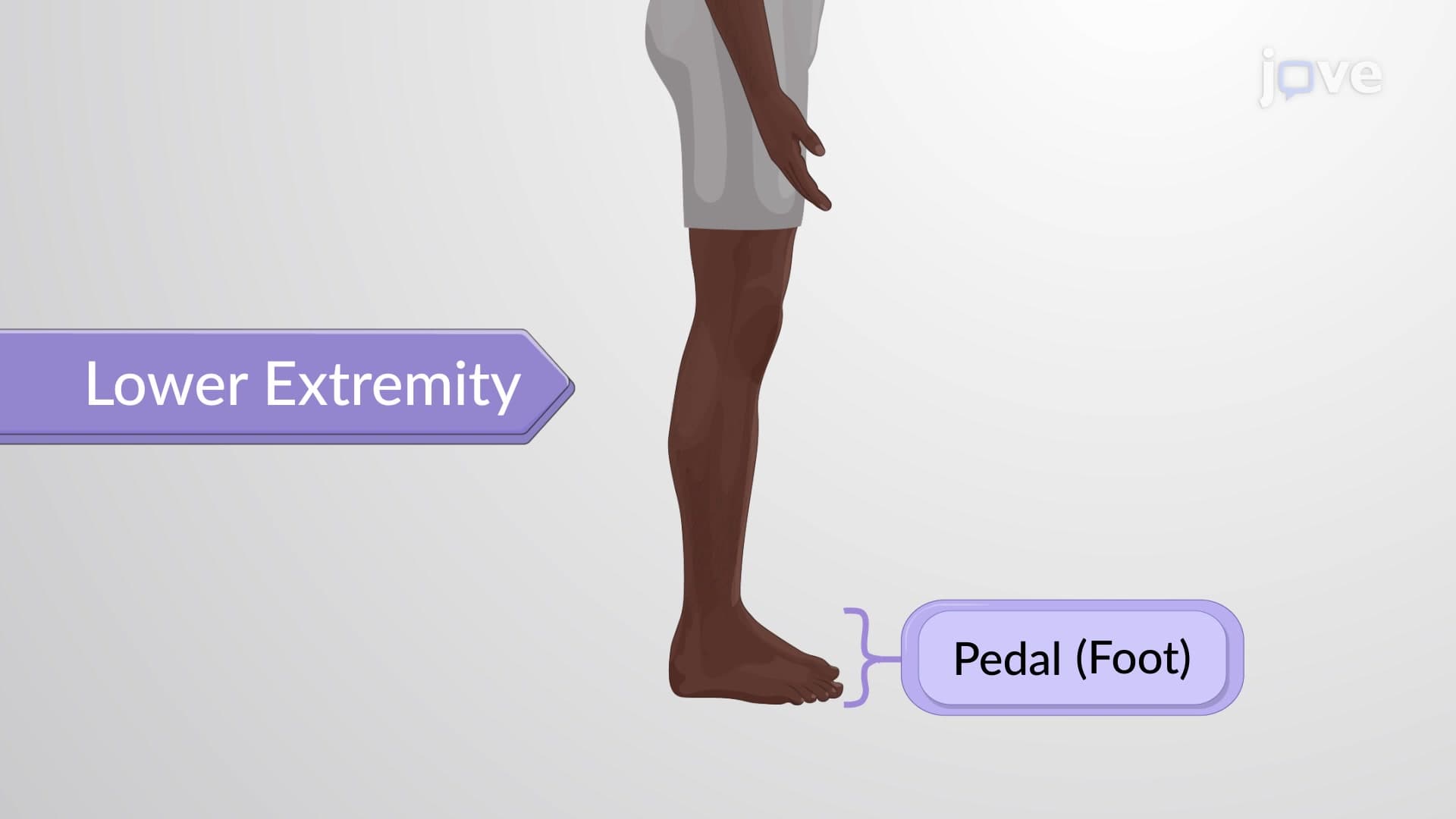
5. Anatomical Terminology and Communication: Medical professionals use standardized anatomical terminology derived from Greek and Latin roots to ensure precise communication worldwide. Common roots include "gastro-" (stomach), "cardio-" (heart), and "osteo-" (bone), combined with prefixes like "hyper-" (above normal) and suffixes like "-itis" (inflammation). Understanding these components allows interpretation of terms like "gastroenteritis" (stomach and intestine inflammation) or "tachycardia" (rapid heart rate). This universal language system prevents miscommunication in clinical settings, ensuring patient safety and effective collaboration among healthcare providers across different specialties and institutions.
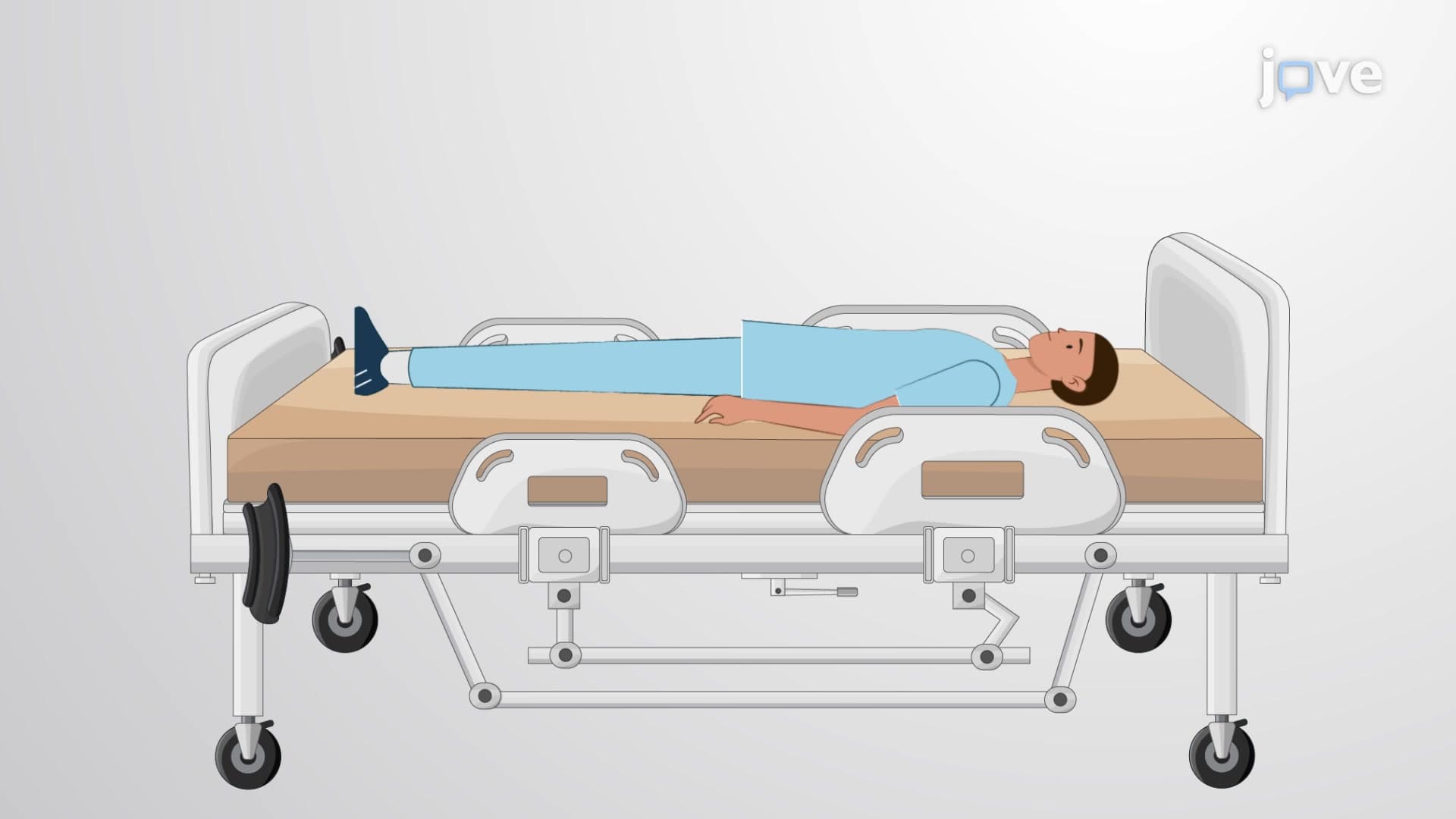
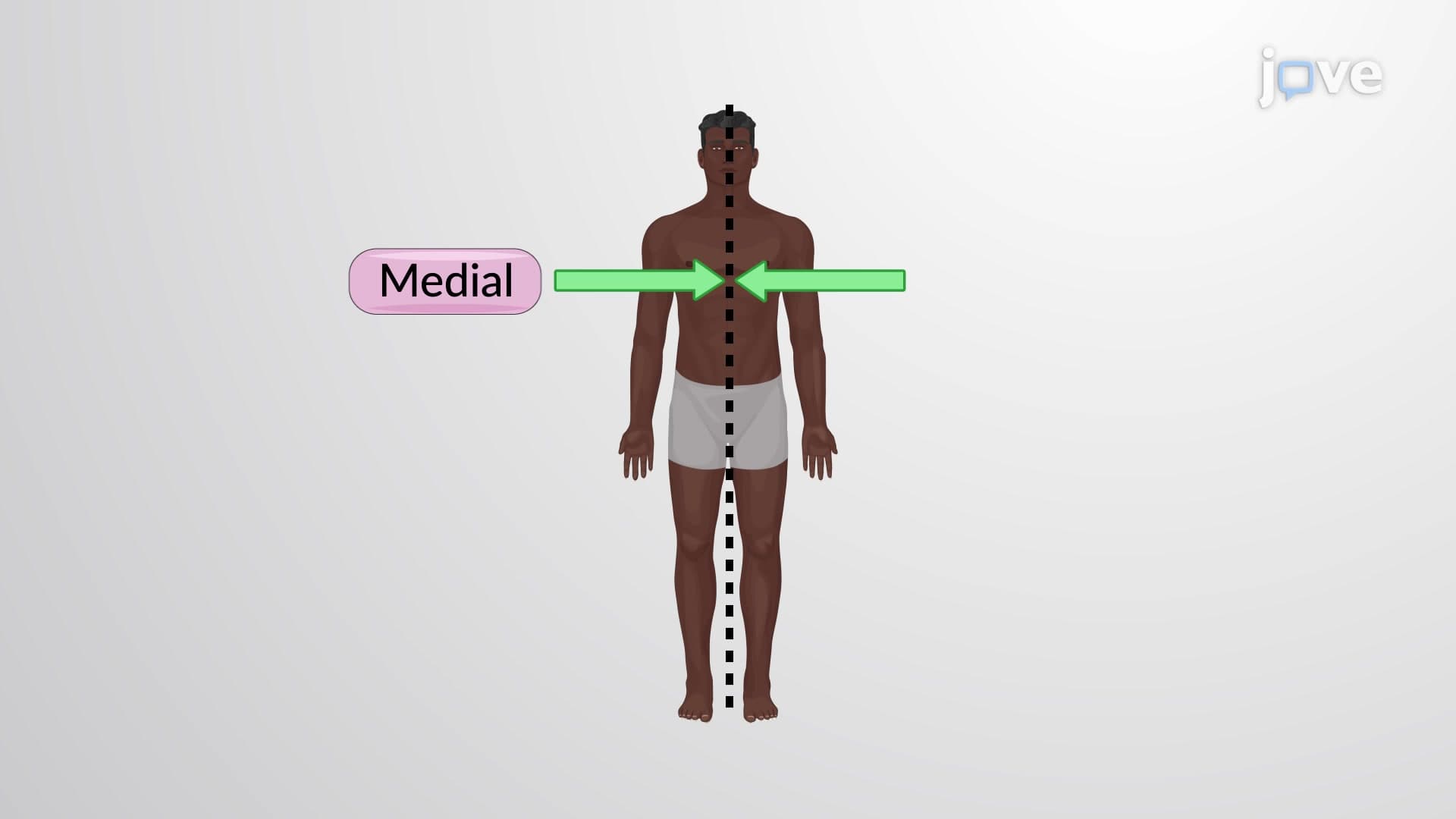
6. Anatomical Positions and Directional Terms: The standard anatomical position provides a universal reference point with the body upright, facing forward, arms at sides with palms forward, and feet parallel. Directional terms describe relative locations: anterior (front) versus posterior (back), superior (toward head) versus inferior (toward feet), medial (toward midline) versus lateral (away from midline), and proximal (closer to trunk) versus distal (farther from trunk). Clinical positions include supine (face up), prone (face down), and lateral recumbent (side-lying), each serving specific examination or surgical purposes in medical practice.
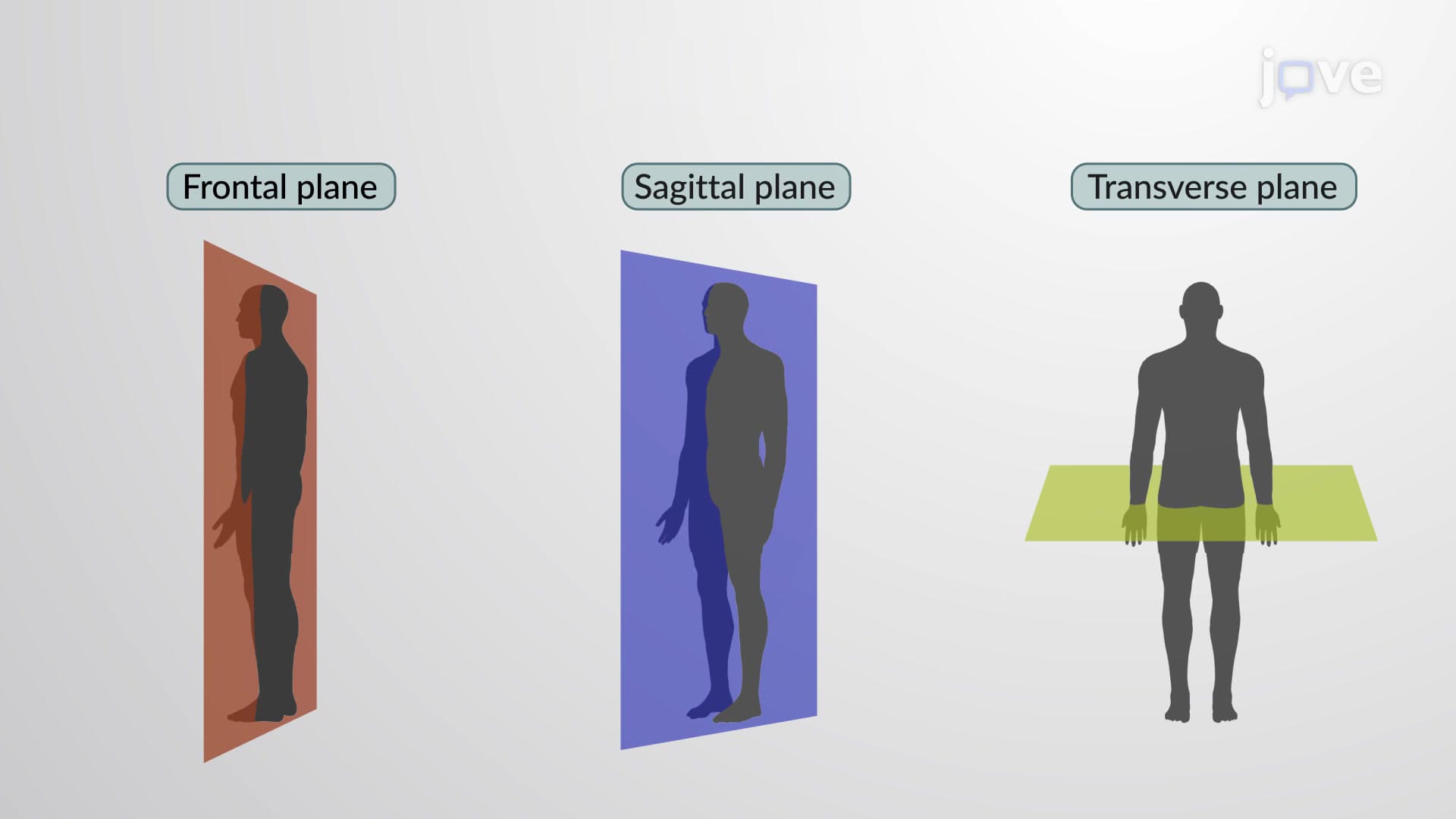
7. Body Planes, Regions, and Anatomical Movements: Three cardinal planes divide the body for analysis and medical imaging: sagittal (dividing left and right), frontal or coronal (dividing anterior and posterior), and transverse (dividing superior and inferior). The midsagittal plane creates equal halves through the body's midline, while parasagittal planes create unequal divisions. Regional terms organize body areas into axial (head, neck, trunk) and appendicular (limbs) regions. The abdominopelvic cavity divides into either four quadrants (using umbilicus as center point) or nine regions for precise organ location and pain assessment. Anatomical movements describe joint motions in reference planes, including flexion/extension in sagittal planes and abduction/adduction in frontal planes.