Loading video…


 14 Concepts
 317.3K views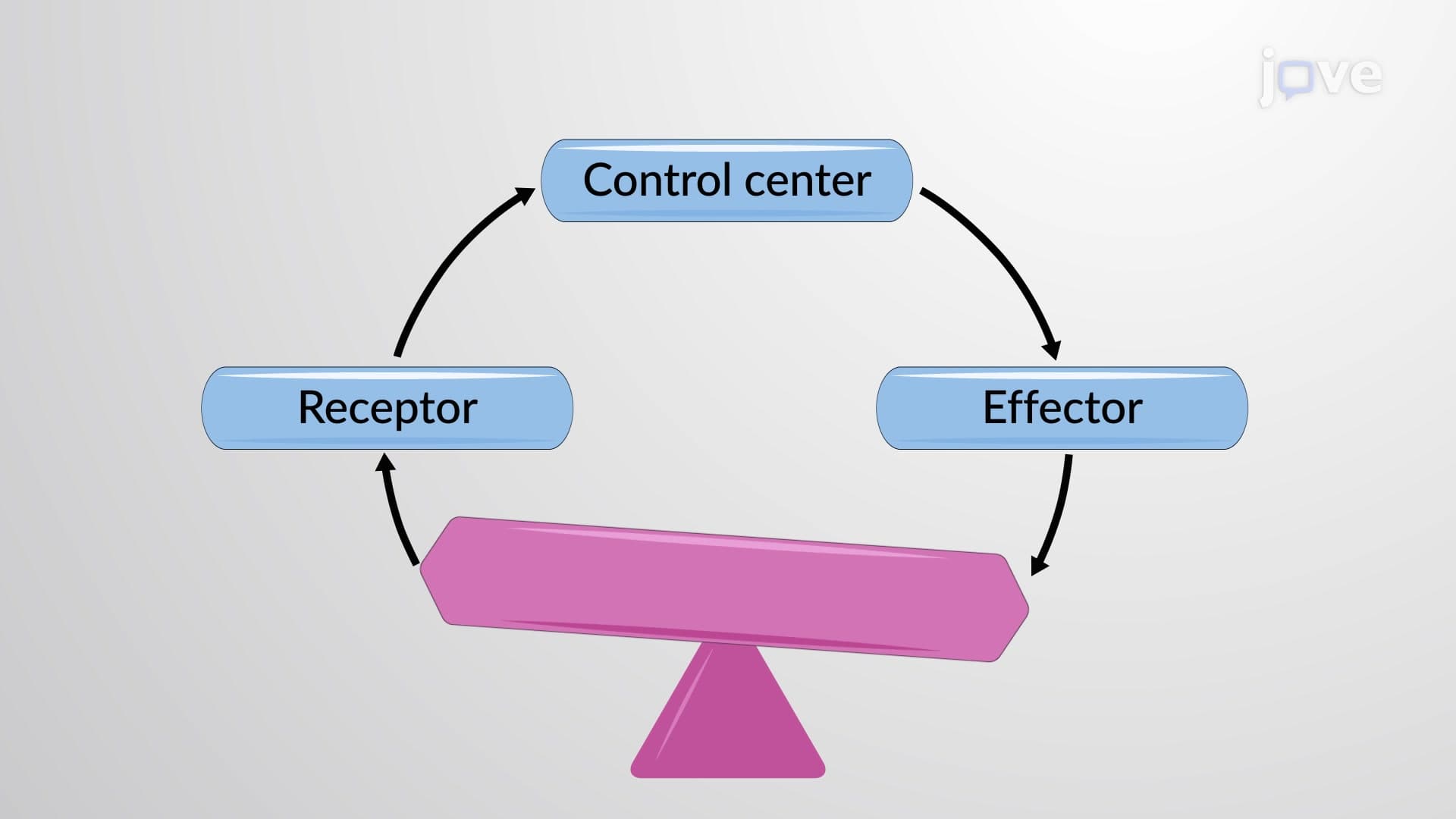

Video Summary: What Is Homeostatic Imbalance
Did you know that type 2 diabetes affects over 37 million Americans, yet it's fundamentally a problem of homeostatic imbalance explained through disrupted blood sugar regulation? What is homeostatic imbalance occurs when your body's natural feedback systems fail to maintain stable internal conditions. Consider how insulin resistance prevents cells from responding properly to glucose signals, leading to consistently elevated blood sugar levels that characterize diabetes. Watch the full video on JoVE Coach to master this concept with expert-led visuals and step-by-step explanations.
Homeostatic imbalance represents a fundamental breakdown in the body's ability to maintain stable internal conditions necessary for optimal cellular function. When homeostasis disruption disease occurs, the delicate balance of physiological processes becomes compromised, potentially leading to serious health consequences. This concept is central to understanding disease pathophysiology and appears frequently on AP Biology exams and college-level physiology courses.
The loss of homeostasis typically results from damaged or overwhelmed feedback mechanisms. Negative feedback loops, which normally maintain stability, can become impaired through various pathways. Age-related cellular damage reduces the efficiency of regulatory systems-for instance, the hypothalamus becomes less responsive to temperature changes in elderly individuals, leading to poor thermoregulation. Infectious agents can disrupt normal signaling pathways, as seen when viral infections interfere with pancreatic beta cell function.
Genetic factors also play crucial roles in homeostatic imbalance examples. Cystic fibrosis demonstrates how a single gene mutation disrupts chloride transport, leading to imbalance physiology that affects multiple organ systems. Environmental toxins, chronic stress, and poor lifestyle choices can overwhelm compensatory mechanisms, pushing systems beyond their adaptive capacity.
Disease homeostatic failure manifests differently across body systems. Cardiovascular imbalances include hypertension, where baroreceptor sensitivity decreases and blood pressure regulation fails. The CDC reports that nearly half of American adults have hypertension, representing widespread homeostatic dysfunction. Endocrine disorders like hyperthyroidism exemplify how hormonal imbalances cascade through multiple systems, affecting metabolism, heart rate, and temperature regulation.
Renal imbalances demonstrate how kidney dysfunction disrupts fluid and electrolyte homeostasis. When nephrons fail, the body cannot maintain proper sodium-potassium balance, leading to edema and cardiac complications. These examples frequently appear on MCAT practice questions and nursing entrance exams like NCLEX and HESI A2.
Modern medicine focuses on restoring homeostatic balance through targeted interventions. Insulin therapy for diabetes directly addresses the primary imbalance, while antihypertensive medications support cardiovascular homeostasis. Understanding these principles helps students excel in physiology courses and prepares them for health-related career paths in medicine, nursing, and biomedical research.
Related Micro-courses