Loading video…


 14 Concepts
 317.4K views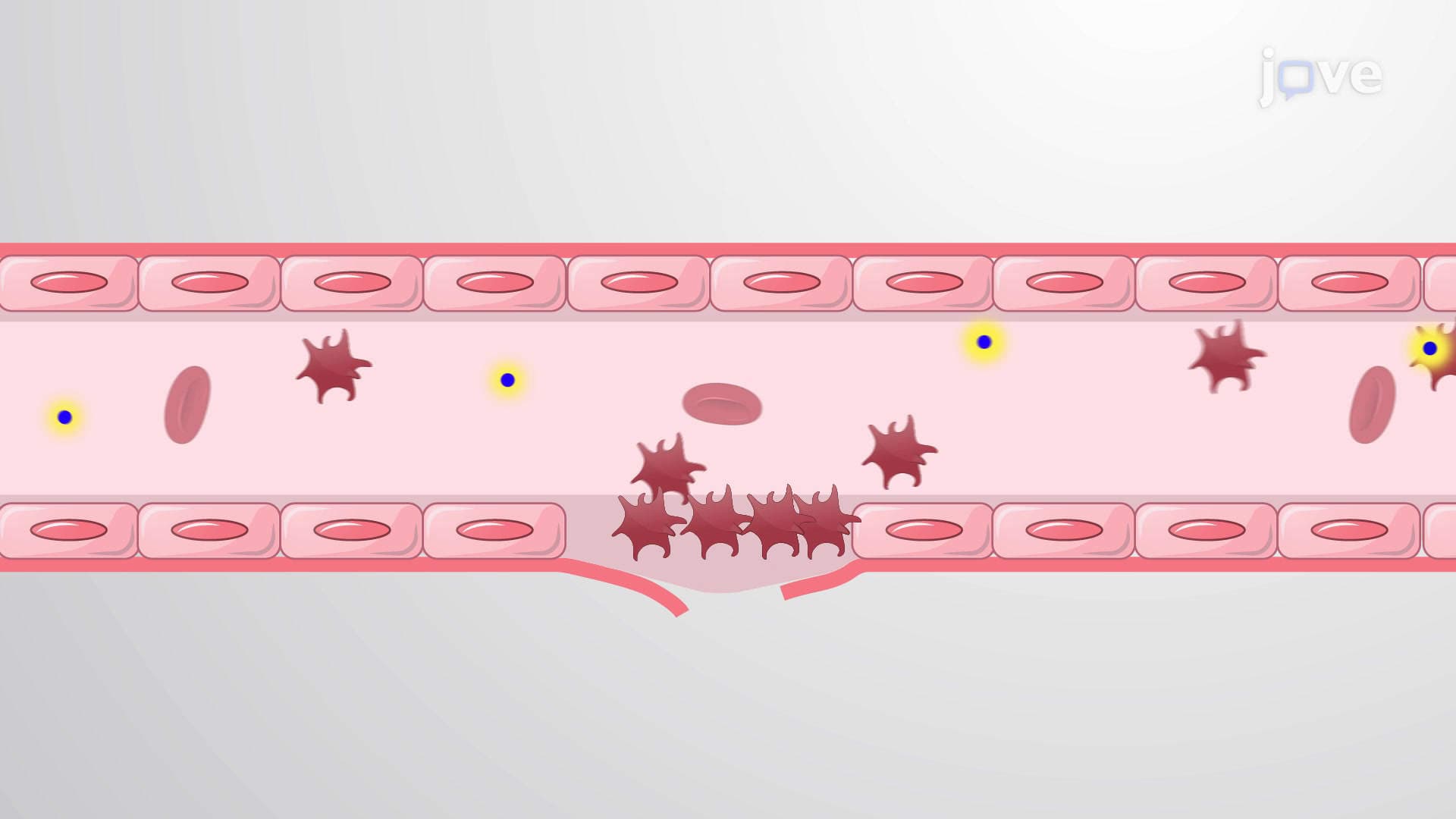

Video Summary: What Is Negative and Positive Feedback
Ever wonder why your body temperature stays remarkably stable at 98.6°F whether you're in a Minnesota winter or Arizona summer? The secret lies in negative positive feedback biology, sophisticated control systems that either maintain balance or drive processes to completion. When you exercise, your body automatically triggers sweating and increased blood flow to prevent dangerous overheating, while during childbirth, contractions intensify until delivery occurs. Understanding What is Negative And Positive Feedback reveals how your body performs these biological miracles every second of every day. Watch the full video on JoVE Coach to master this concept with expert-led visuals and step-by-step explanations.
Biological feedback mechanisms represent the sophisticated control systems that keep living organisms functioning optimally. These systems operate continuously, making thousands of micro-adjustments to maintain life-sustaining conditions. For students preparing for AP Biology, MCAT, or college physiology courses, mastering these concepts provides the foundation for understanding virtually all biological processes.
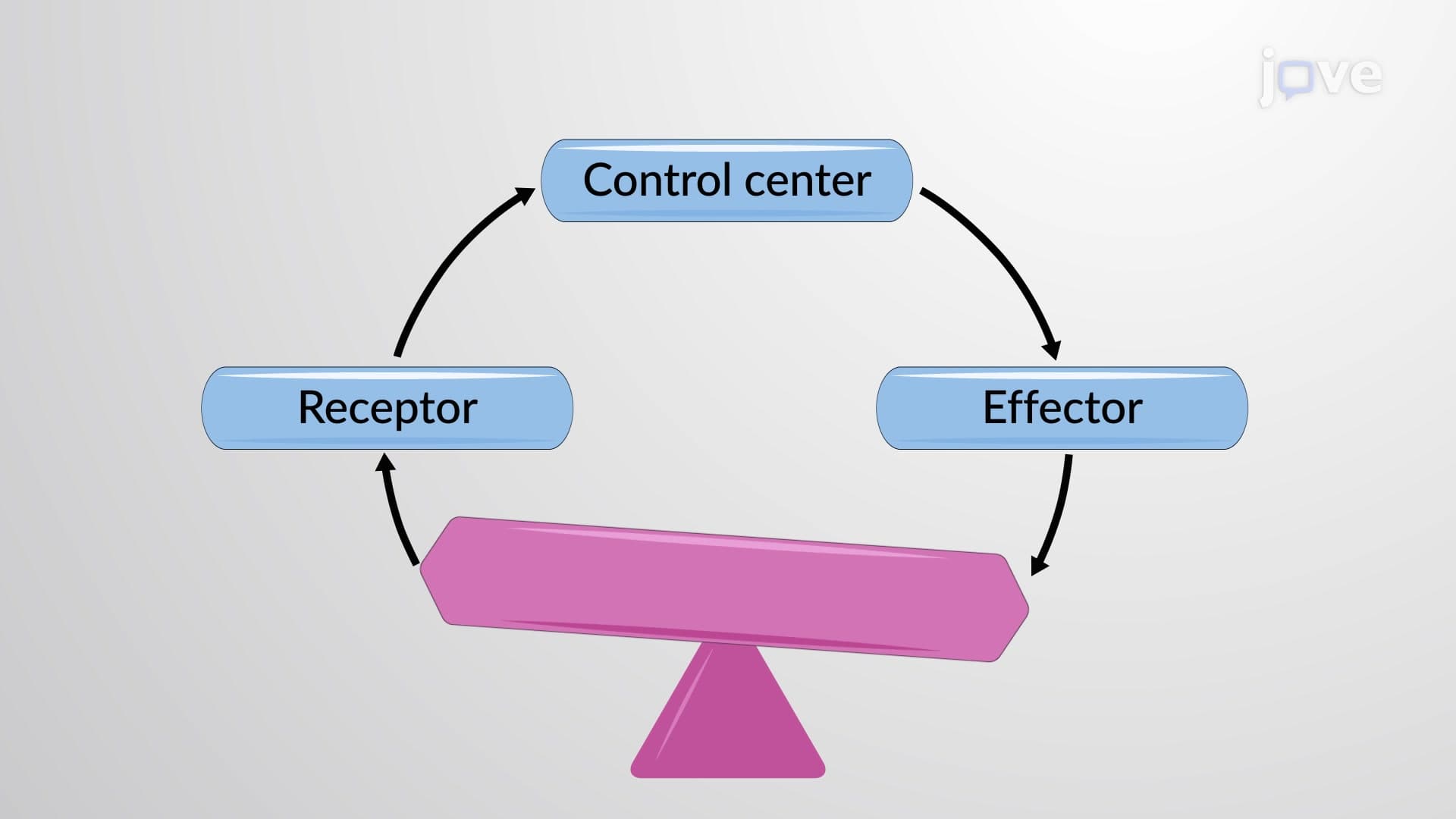
Negative feedback homeostasis functions as biology's primary regulatory mechanism, working like a sophisticated thermostat system. When variables deviate from their optimal range, negative feedback triggers corrective responses that restore balance. The process involves three critical components: sensors that detect changes, integration centers that process information, and effectors that implement corrections.
Consider blood glucose regulation, a classic example frequently tested on the MCAT and USMLE. When you consume a meal at McDonald's, blood glucose levels rise. Pancreatic beta cells (sensors) detect this increase and release insulin (control response). Insulin facilitates glucose uptake by muscle and liver cells (effectors), returning blood glucose to normal levels. This feedback loop physiology prevents dangerous glucose fluctuations that could lead to diabetic complications.
Temperature regulation demonstrates another elegant negative feedback system. When core body temperature exceeds 98.6°F during a summer football practice in Texas, hypothalamic thermoreceptors trigger vasodilation and sweating. These responses dissipate heat until normal temperature returns. Conversely, cold exposure activates shivering and vasoconstriction to generate and conserve heat.
Positive feedback examples body systems demonstrate how amplification drives processes to completion rather than maintaining equilibrium. Unlike negative feedback's stabilizing effect, positive feedback accelerates responses until a definitive endpoint occurs.
Childbirth exemplifies positive feedback's power. As labor begins, uterine contractions push the baby against the cervix. Cervical stretching triggers oxytocin release from the posterior pituitary. Oxytocin intensifies uterine contractions, creating more cervical pressure and additional oxytocin release. This escalating cycle continues until delivery terminates the feedback loop.
Blood clotting represents another crucial hormonal feedback loop utilizing positive feedback. When blood vessels tear, platelets adhere to the injury site and release chemical signals. These signals attract more platelets, which release additional clotting factors, rapidly forming a protective clot. This amplification prevents potentially fatal blood loss.
Understanding feedback mechanism control proves essential for healthcare professionals. Diabetes occurs when insulin feedback fails, requiring external intervention. Fever represents positive feedback gone awry, where inflammatory responses amplify temperature increases beyond therapeutic levels.
Biomedical engineers use mathematical models to design artificial feedback systems, from insulin pumps to cardiac pacemakers. These devices mimic natural feedback mechanisms, replacing or supplementing compromised biological systems.
Related Micro-courses