Loading video…


 14 Concepts
 317.3K views

Video Summary: What Is Abdominal Regions and Quadrants
When a patient arrives at Johns Hopkins Emergency Department with severe abdominal pain, doctors need precise anatomical language to locate the problem instantly. Understanding abdominal regions quadrants anatomy becomes critical-whether it's appendicitis in the right lower quadrant or a spleen injury in the left hypochondriac region. This systematic division of the abdomen into either four quadrants or nine regions allows healthcare professionals to communicate organ locations and pain patterns with remarkable accuracy. Watch the full video on JoVE Coach to master this concept with expert-led visuals and step-by-step explanations.
The human abdomen houses numerous vital organs within a large cavity called the abdominopelvic cavity. To facilitate precise medical communication, anatomists have developed two complementary systems for dividing this space: the four-quadrant system and the nine-region system. Both methods serve essential roles in clinical practice, from emergency medicine at Mayo Clinic to anatomy courses at universities across the United States.
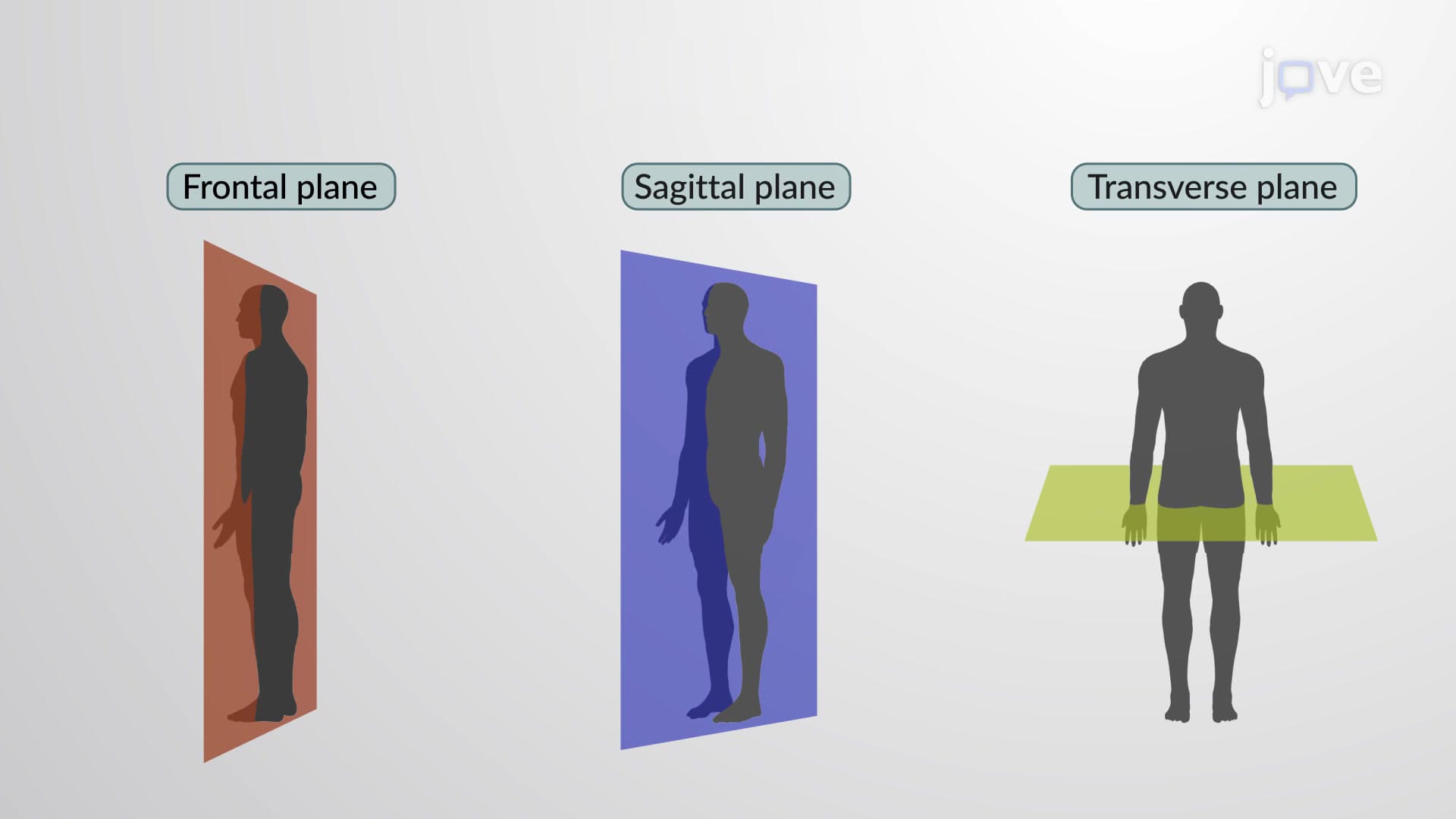
The four-quadrant approach divides the abdomen using two imaginary lines: a vertical median plane and a horizontal transverse plane, both intersecting at the umbilicus (belly button). This creates four distinct areas: right upper quadrant (RUQ), left upper quadrant (LUQ), right lower quadrant (RLQ), and left lower quadrant (LLQ). Emergency physicians at Cleveland Clinic frequently use this system when patients present with acute abdominal pain, as it provides rapid organ localization for diagnosis.
The stomach predominantly occupies the LUQ, making this quadrant significant for gastric-related conditions. The liver spans both the RUQ and portions of the LUQ, while the appendix typically resides in the RLQ-knowledge crucial for diagnosing appendicitis. This system appears frequently on MCAT examinations and AP Biology tests, where students must correlate symptoms with anatomical locations.
For more detailed anatomical study, the nine-region system employs four planes: two parasagittal (parallel to the midline) and two transverse planes. This creates a three-by-three grid with specific regional names. The central umbilical region sits between the upper epigastric and lower hypogastric (pubic) regions. Flanking the umbilical region are the right and left lumbar regions, which house the ascending and descending portions of the colon, respectively.
The upper regions include the right and left hypochondriac regions alongside the epigastric region. The liver primarily occupies the right hypochondriac and epigastric regions, while the spleen resides in the left hypochondriac region. The lower tier consists of the right and left inguinal (iliac) regions flanking the hypogastric region. Pre-med students at institutions like Johns Hopkins University extensively study this system, as it provides the precision required for advanced medical practice and appears on USMLE Step 1 examinations.
Understanding both systems proves invaluable for healthcare careers. Nurses preparing for NCLEX examinations must recognize how abdominal pain patterns correlate with specific quadrants and regions. Physical therapists studying for board certification need this knowledge to understand referred pain patterns and organ relationships. The systematic approach to abdominal anatomy also enhances performance on standardized tests like the HESI A2 and TEAS, where anatomical knowledge directly impacts admission to nursing and allied health programs.
Related Micro-courses