14 Concepts
6 Concepts
21 Concepts
23 Concepts
21 Concepts
15 Concepts
16 Concepts
26 Concepts
18 Concepts
19 Concepts
11 Concepts
6 Concepts
10 Concepts
22 Concepts
20 Concepts
26 Concepts
26 Concepts
14 Concepts
10 Concepts
12 Concepts
23 Concepts
29 Concepts
19 Concepts
38 Concepts
38 Concepts
25 Concepts
40 Concepts
25 Concepts
25 Concepts
20 Concepts
37 Concepts
Cell biochemistry is the foundation of all life processes, examining how molecules like proteins, carbohydrates, lipids, and nucleic acids function within living cells. This comprehensive course covers cellular biochemistry fundamentals from enzyme catalysis and metabolic pathways to ATP energy production, providing essential knowledge for students pursuing healthcare careers in the United States. Master these key biochemical processes in living cells through JoVE Coach's interactive learning platform.
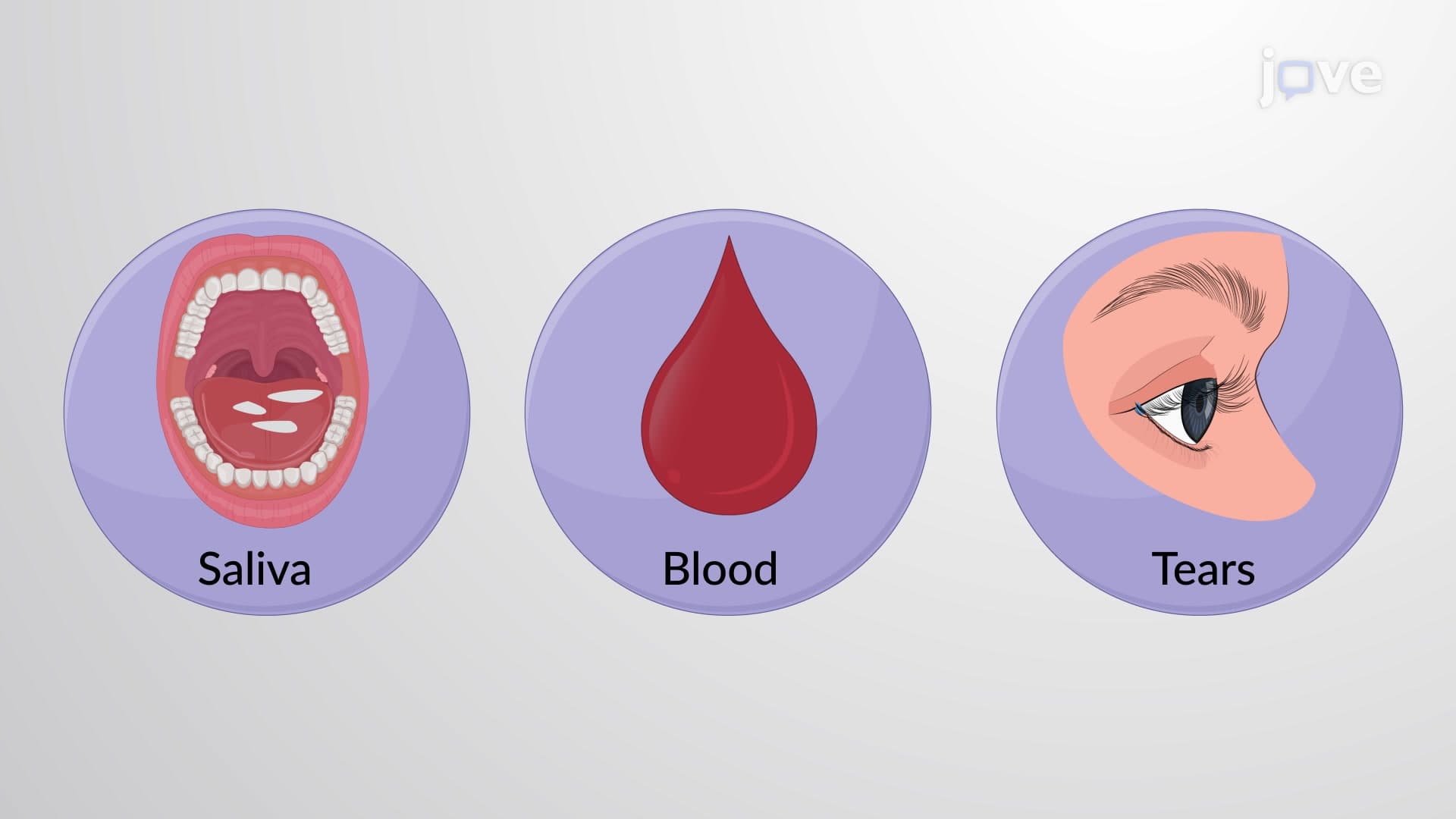
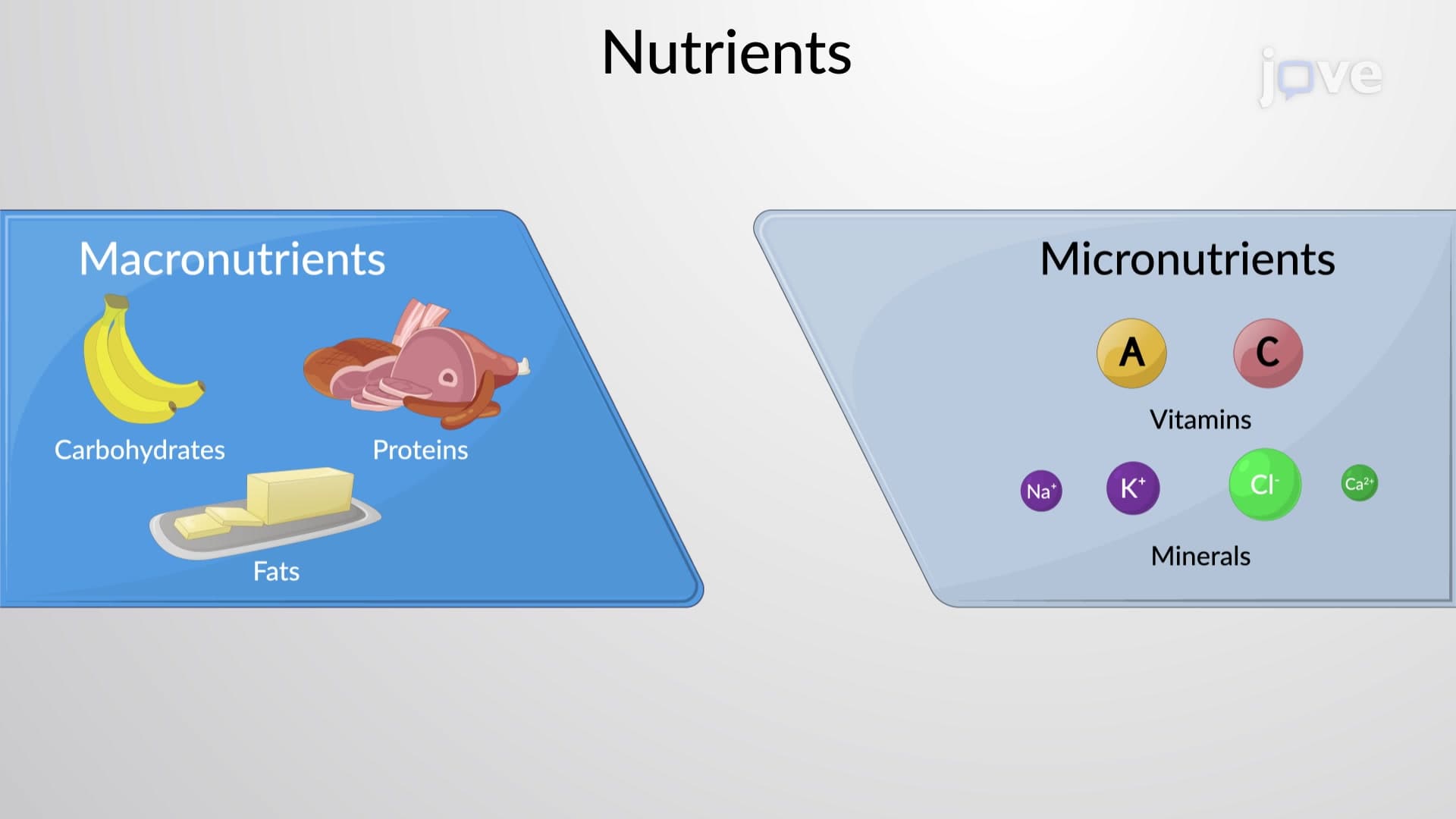
1. Essential Cellular Compounds and Water Chemistry Cells contain diverse organic and inorganic compounds essential for life. Macronutrients like carbohydrates, proteins, and fats provide energy and structure, while micronutrients including vitamins and minerals regulate physiological processes. Water comprises 50-60% of body weight and serves multiple critical functions: acting as a universal solvent for biochemical reactions, forming the basis of body fluids like blood plasma and saliva, regulating temperature through its high heat capacity, and providing lubrication in joints. Understanding water's properties helps explain how cellular processes occur in aqueous environments.
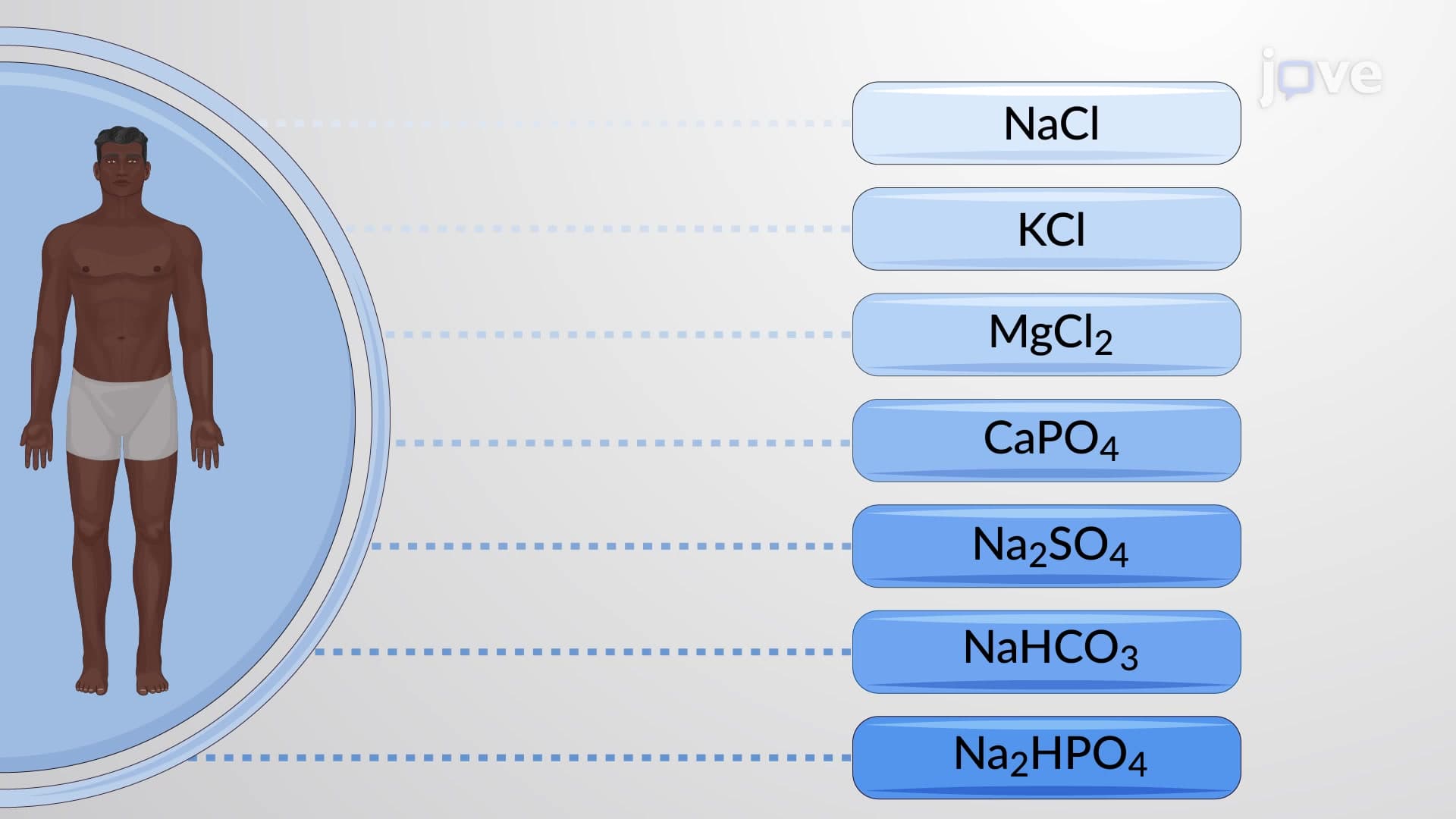
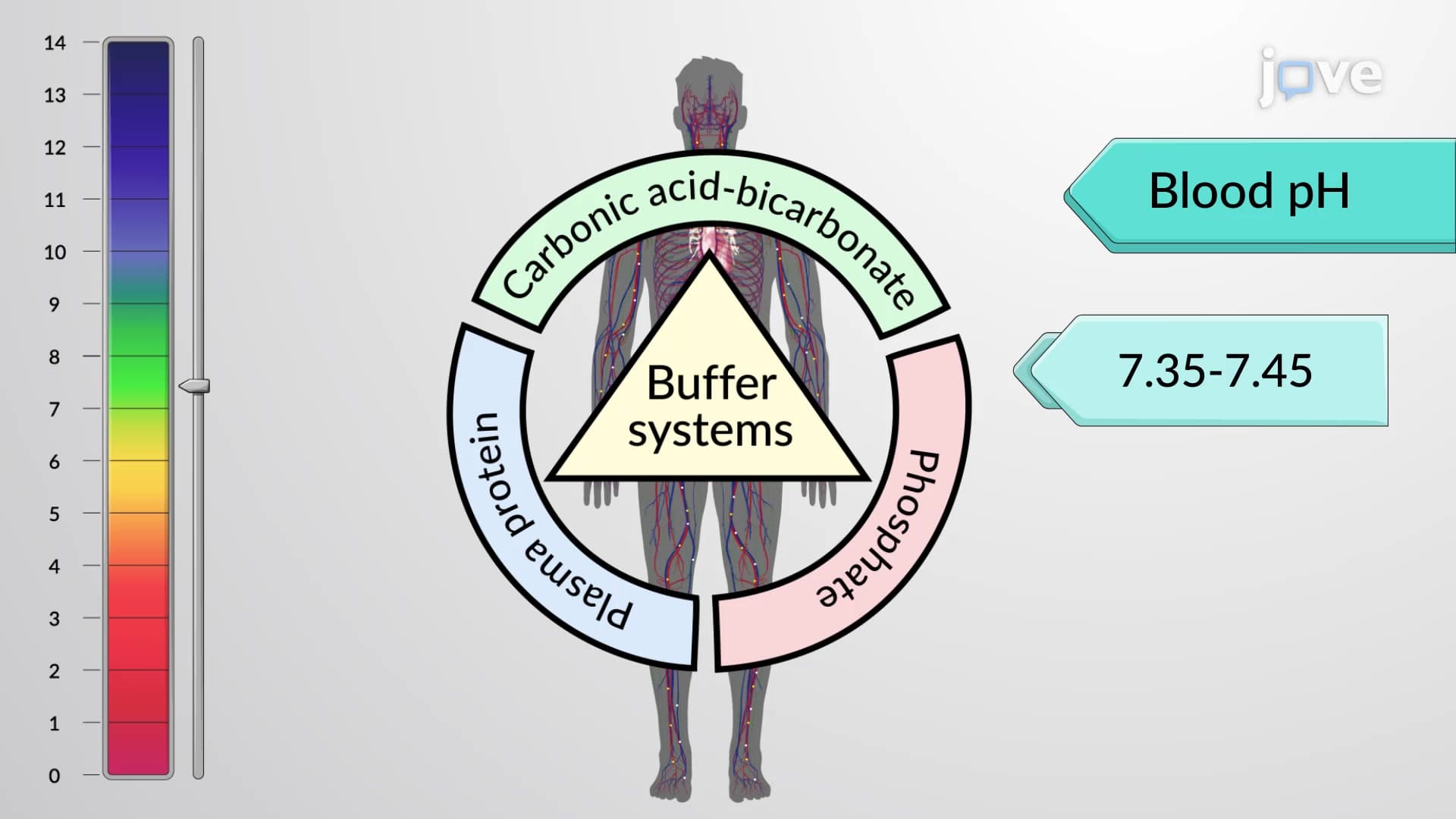
2. Electrolyte Balance and pH Homeostasis Electrolytes are ionic compounds that dissociate in water, including sodium chloride, potassium chloride, and calcium phosphate. These ions are crucial for processes like the sodium-glucose transporter (SGLT1) in intestinal cells, which imports glucose alongside sodium ions. pH homeostasis maintains optimal conditions for enzyme function - pepsin requires acidic stomach pH (1.5-2.0), while blood plasma must stay within 7.35-7.45. Buffer systems including carbonic acid-bicarbonate, phosphate, and protein buffers work together to prevent dangerous acidosis (pH < 7.35) or alkalosis (pH > 7.45).
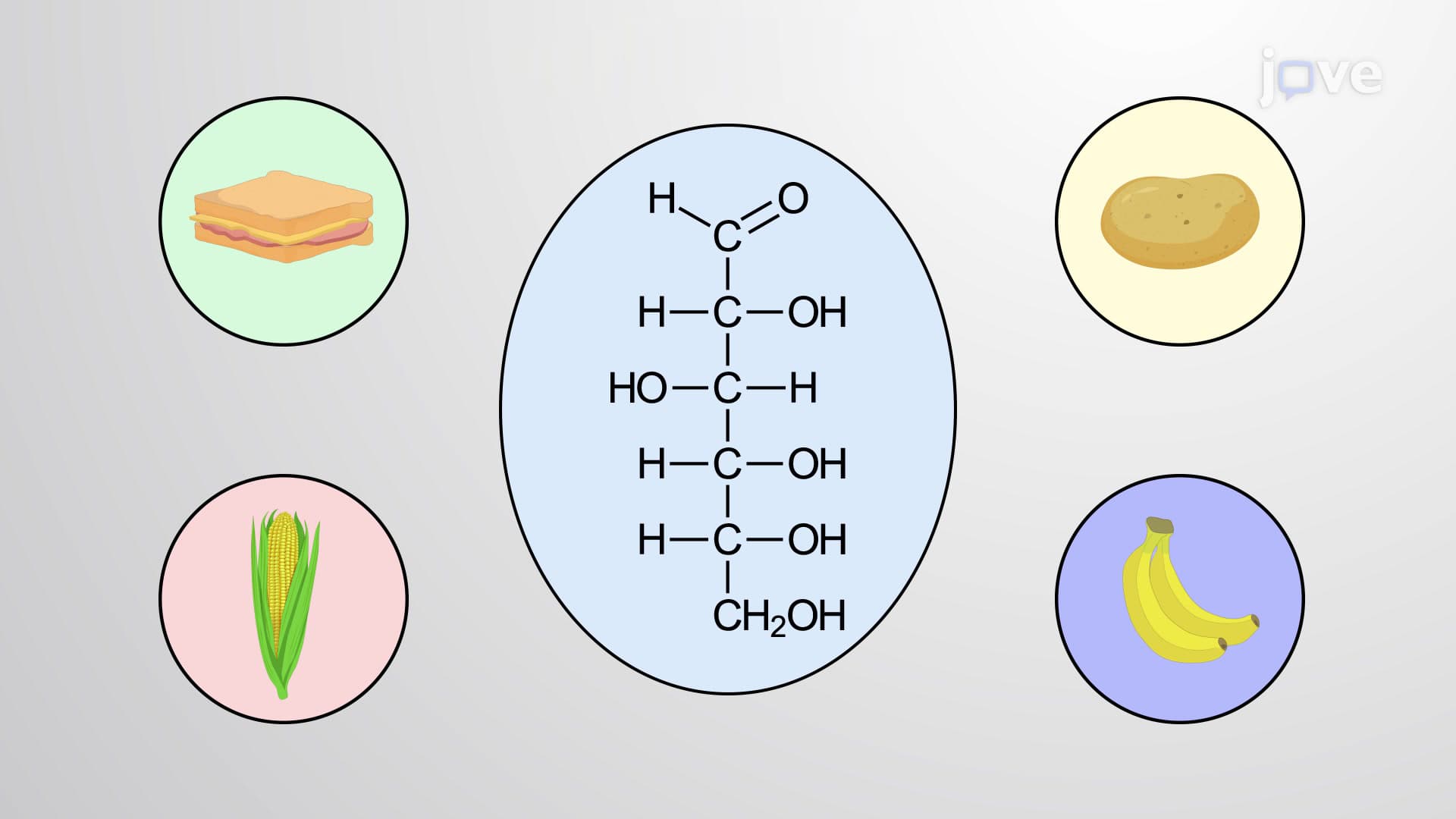
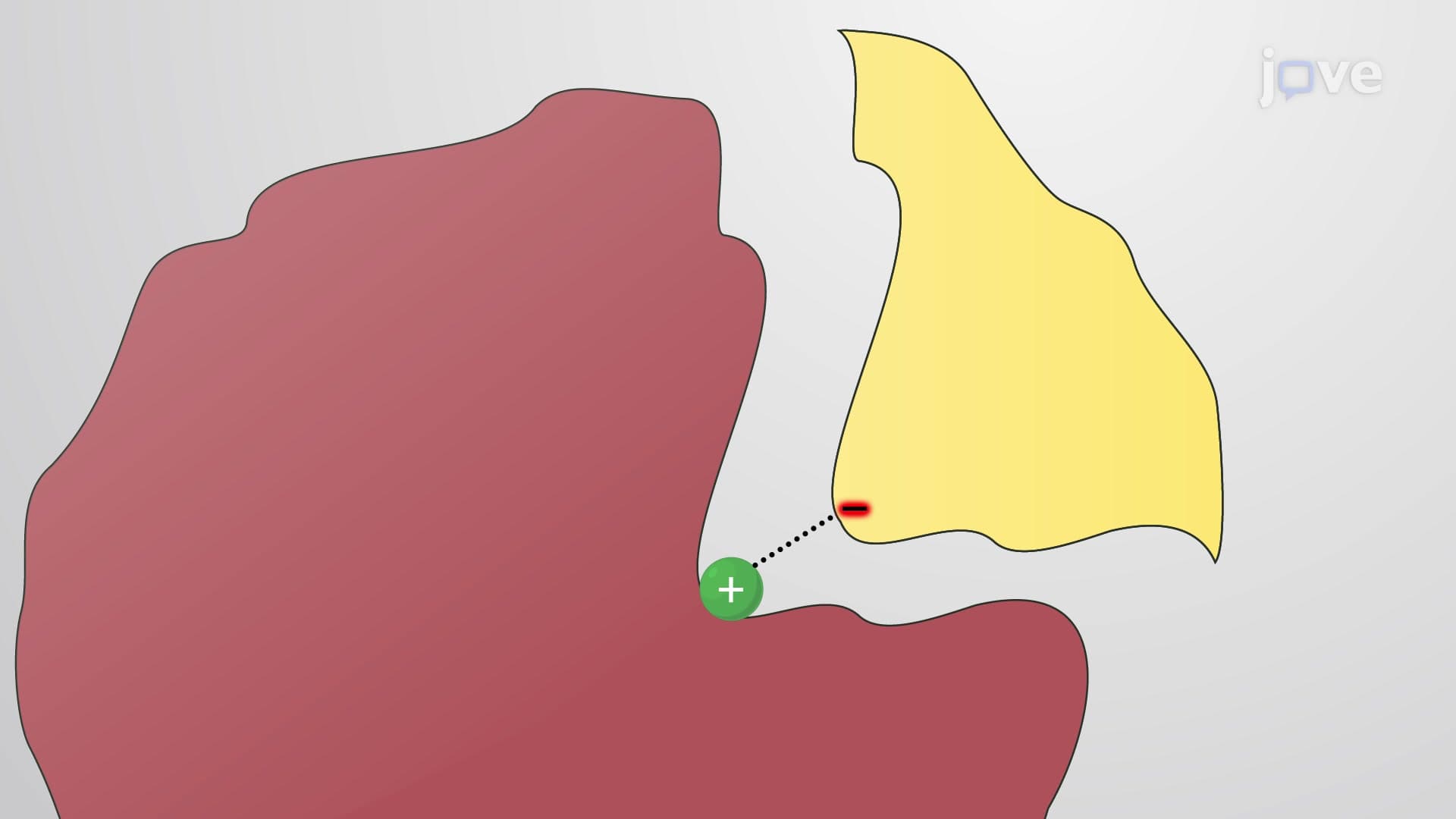
3. Functional Groups and Molecular Recognition Functional groups are specific atomic arrangements that determine molecular behavior and interactions. Hydroxyl groups (-OH) affect solubility in compounds like sugars and alcohols. Carbonyl groups (C=O) appear in aldehydes and ketones, crucial for carbohydrate chemistry. Carboxyl groups (-COOH) and amino groups (-NH₂) combine in amino acids, the building blocks of proteins. Phosphate groups (-PO₄³⁻) are essential in DNA structure and ATP energy transfer. Understanding these groups helps predict molecular behavior and biological activity in cellular systems.
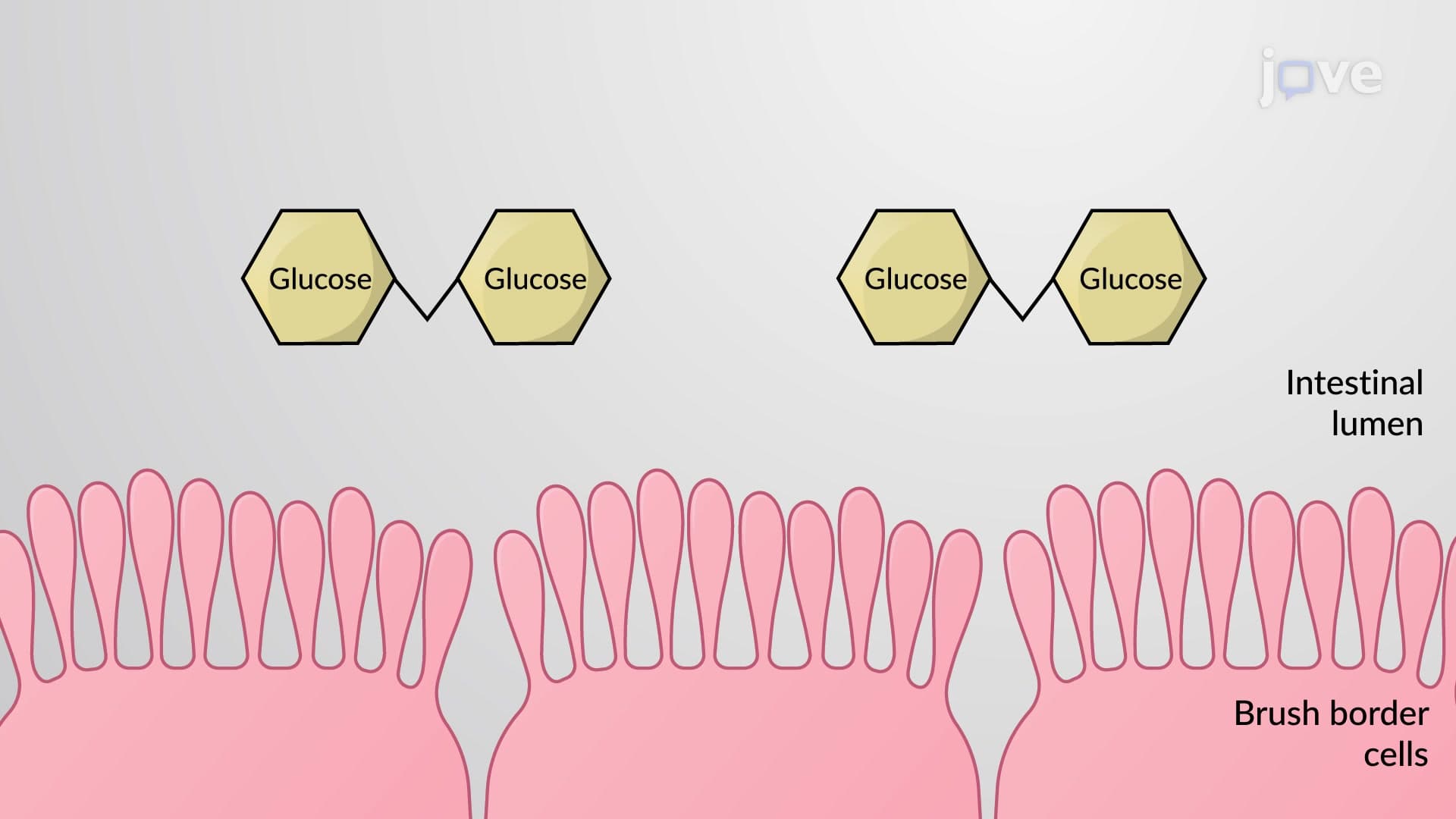
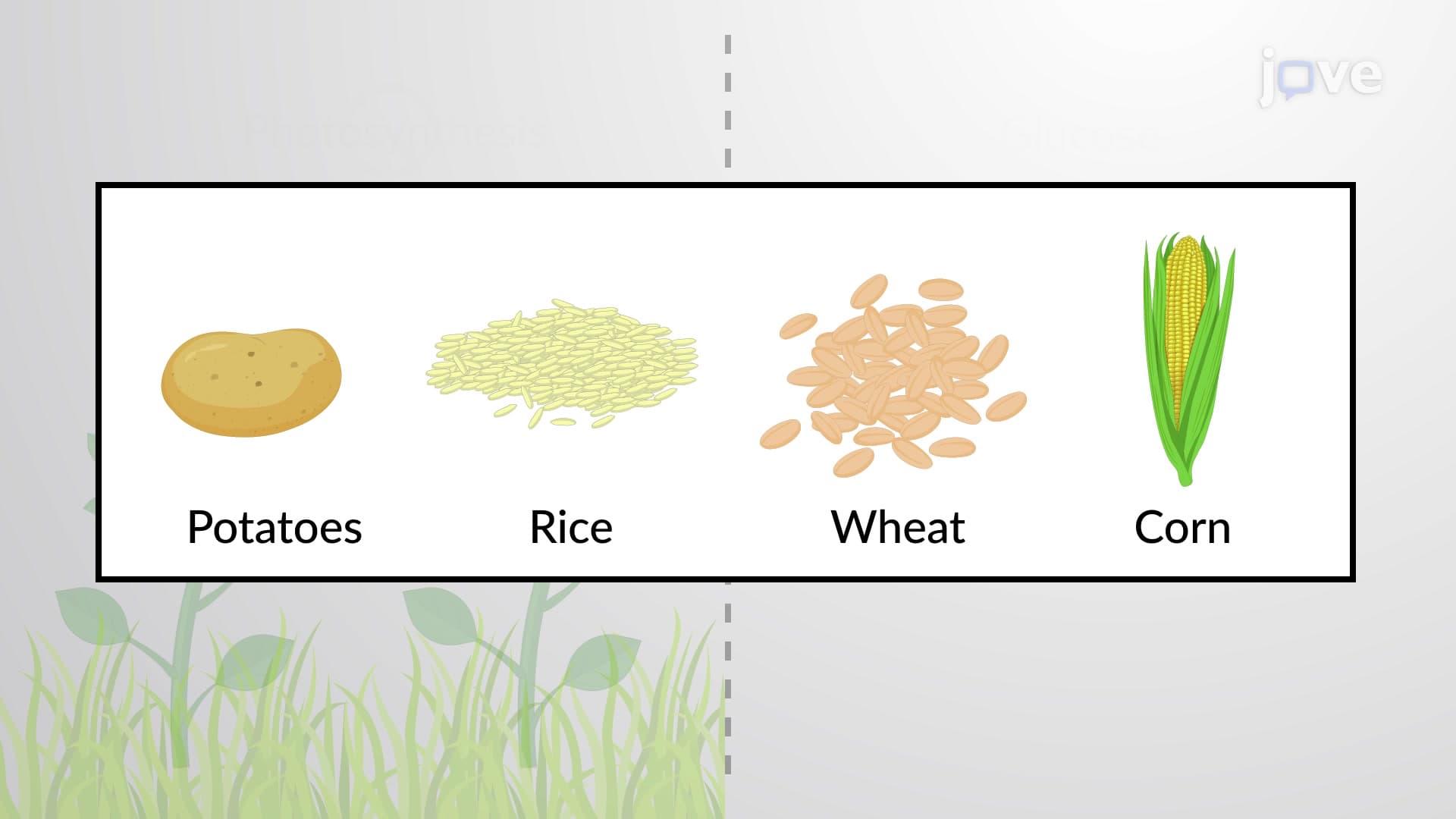
4. Carbohydrate Structure and Metabolism Carbohydrates range from simple monosaccharides like glucose and fructose to complex polysaccharides like starch and glycogen. During digestion, salivary and pancreatic amylases break down starch into smaller units, while brush-border enzymes like sucrase and lactase produce absorbable monosaccharides. Glucose metabolism through glycolysis produces ATP and NADH for cellular energy. Energy storage occurs through glycogen in liver and muscle cells, which can be rapidly broken down during fasting to maintain blood glucose levels essential for brain function.
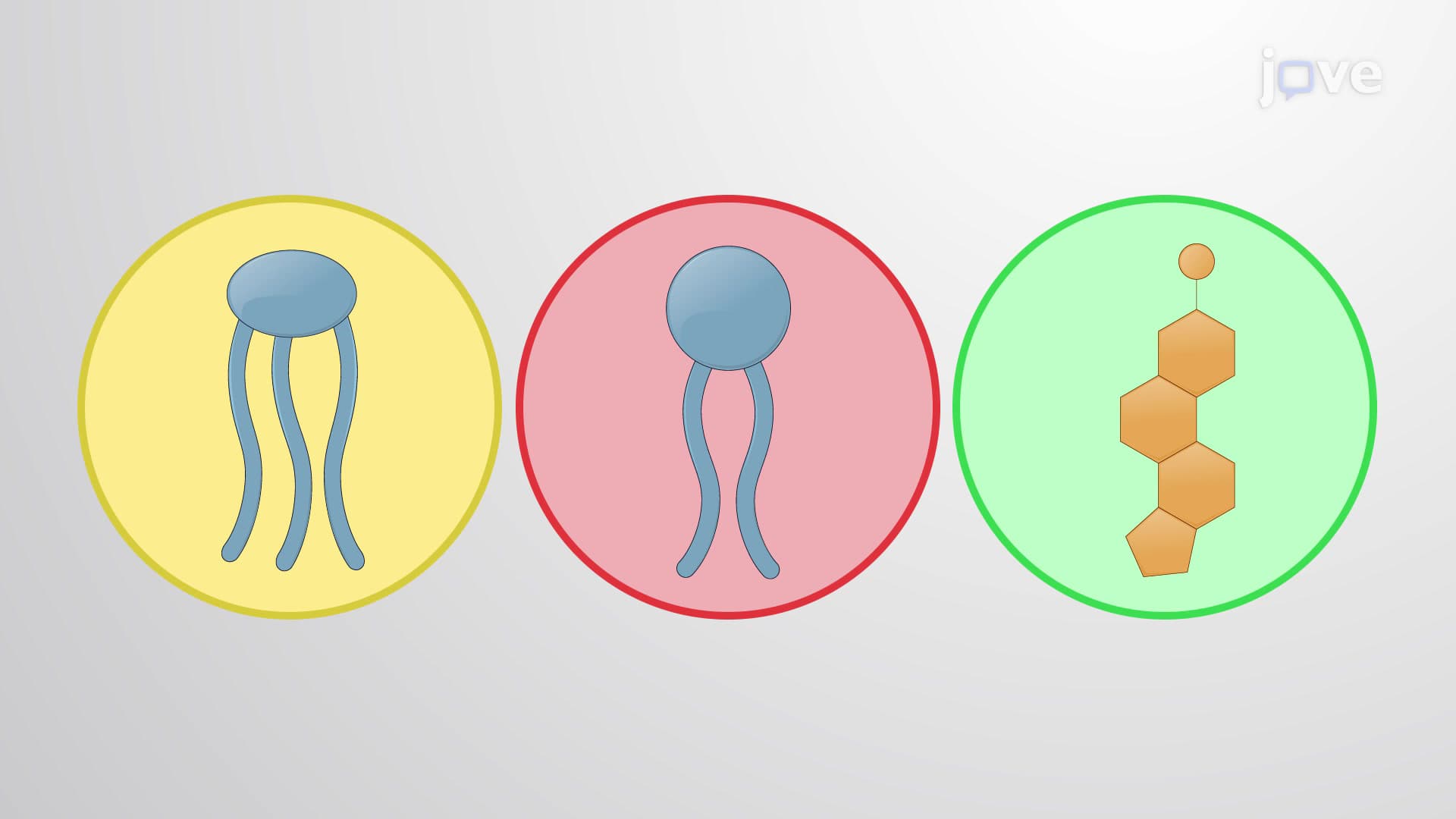
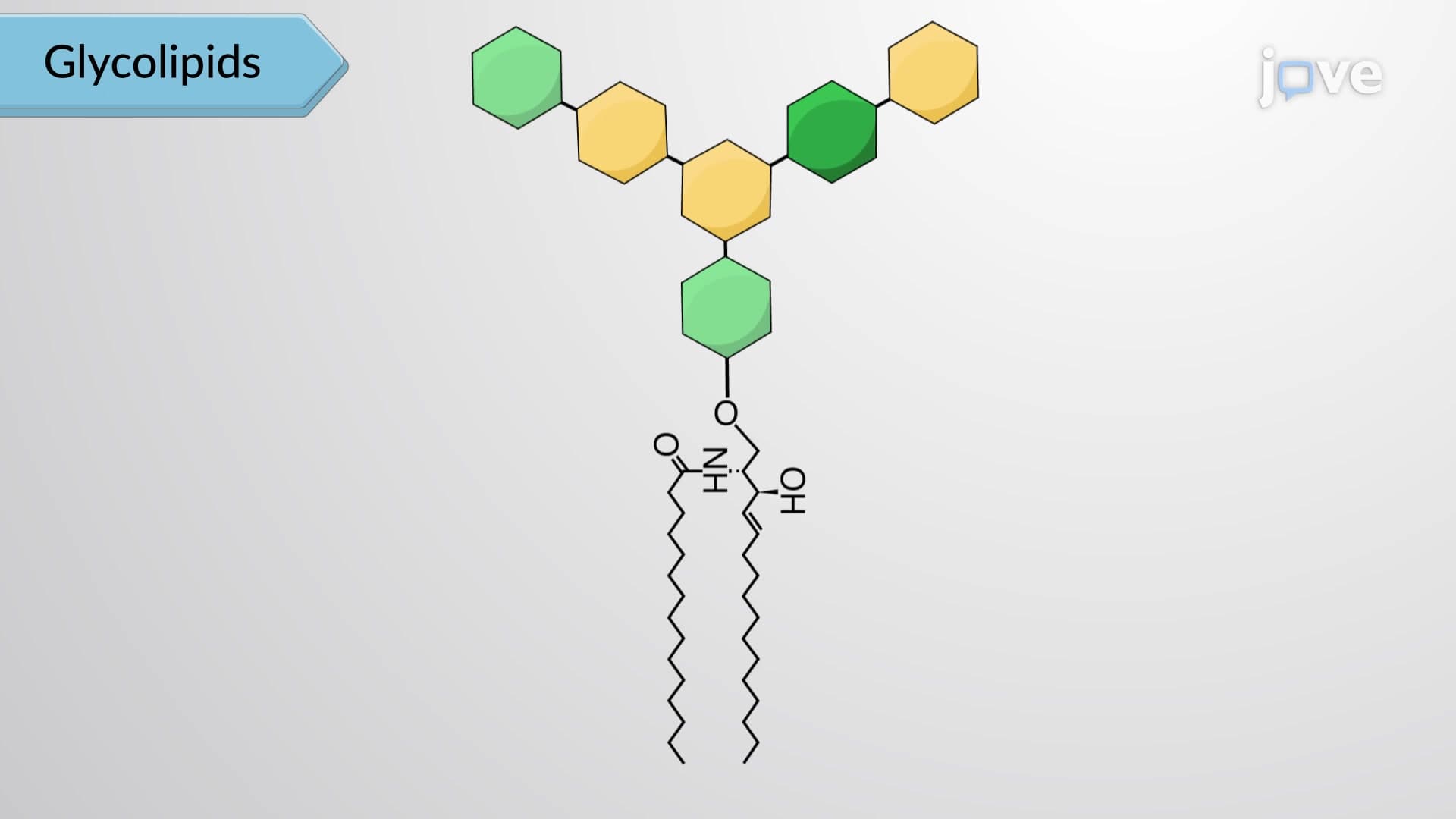
5. Lipid Biochemistry and Membrane Function Lipids are hydrophobic molecules serving diverse cellular roles. Triglycerides, composed of fatty acids and glycerol, provide long-term energy storage in adipocytes, releasing twice the energy per gram compared to carbohydrates. Phospholipids form cell membrane bilayers with hydrophilic heads and hydrophobic tails. Specialized lipid derivatives include fat-soluble vitamins (A, D, E, K), eicosanoids from arachidonic acid that regulate inflammation and blood pressure, and cholesterol essential for membrane fluidity and steroid hormone synthesis. Beta-oxidation breaks down fatty acids to produce acetyl-CoA for ATP generation.
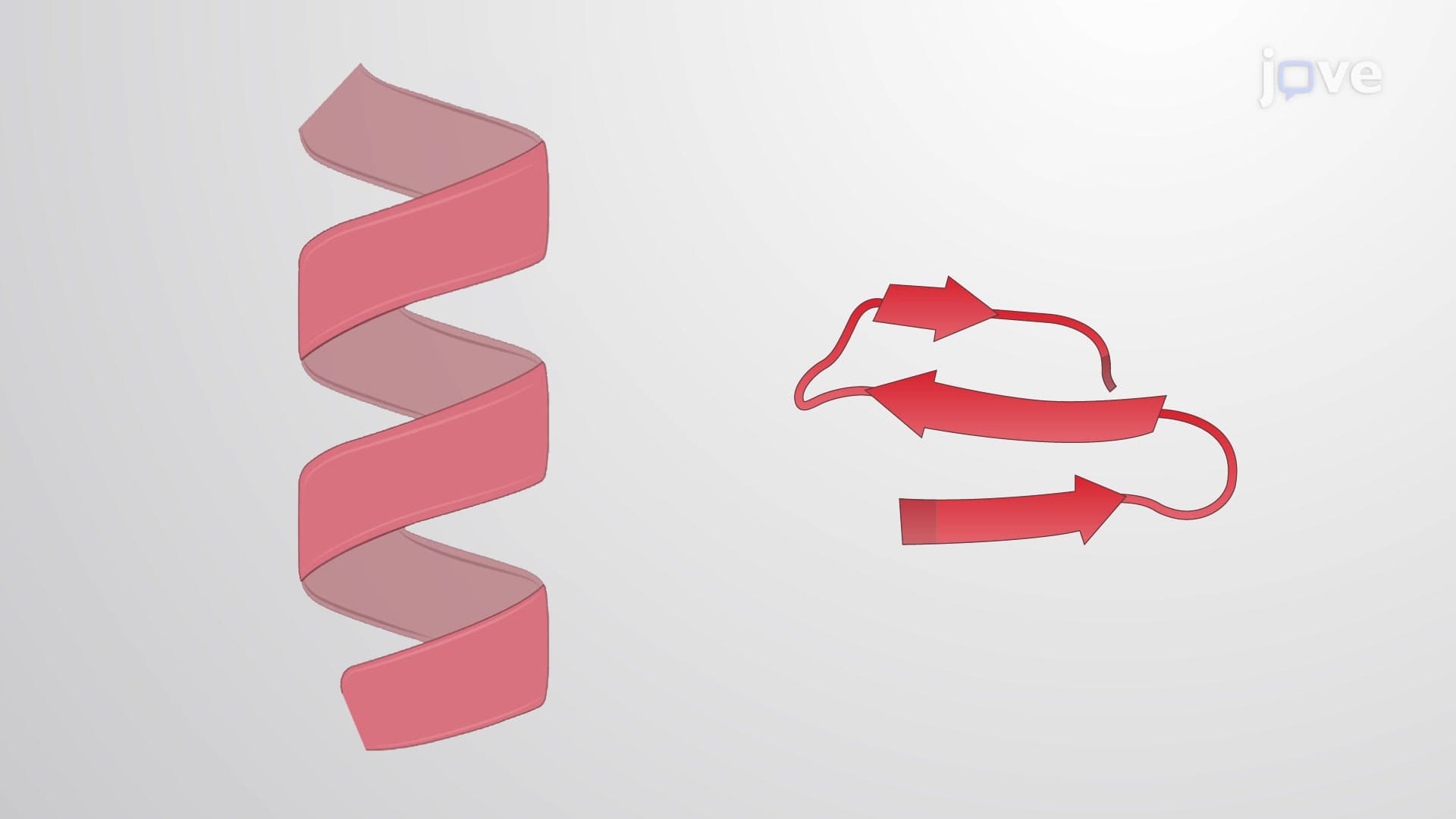
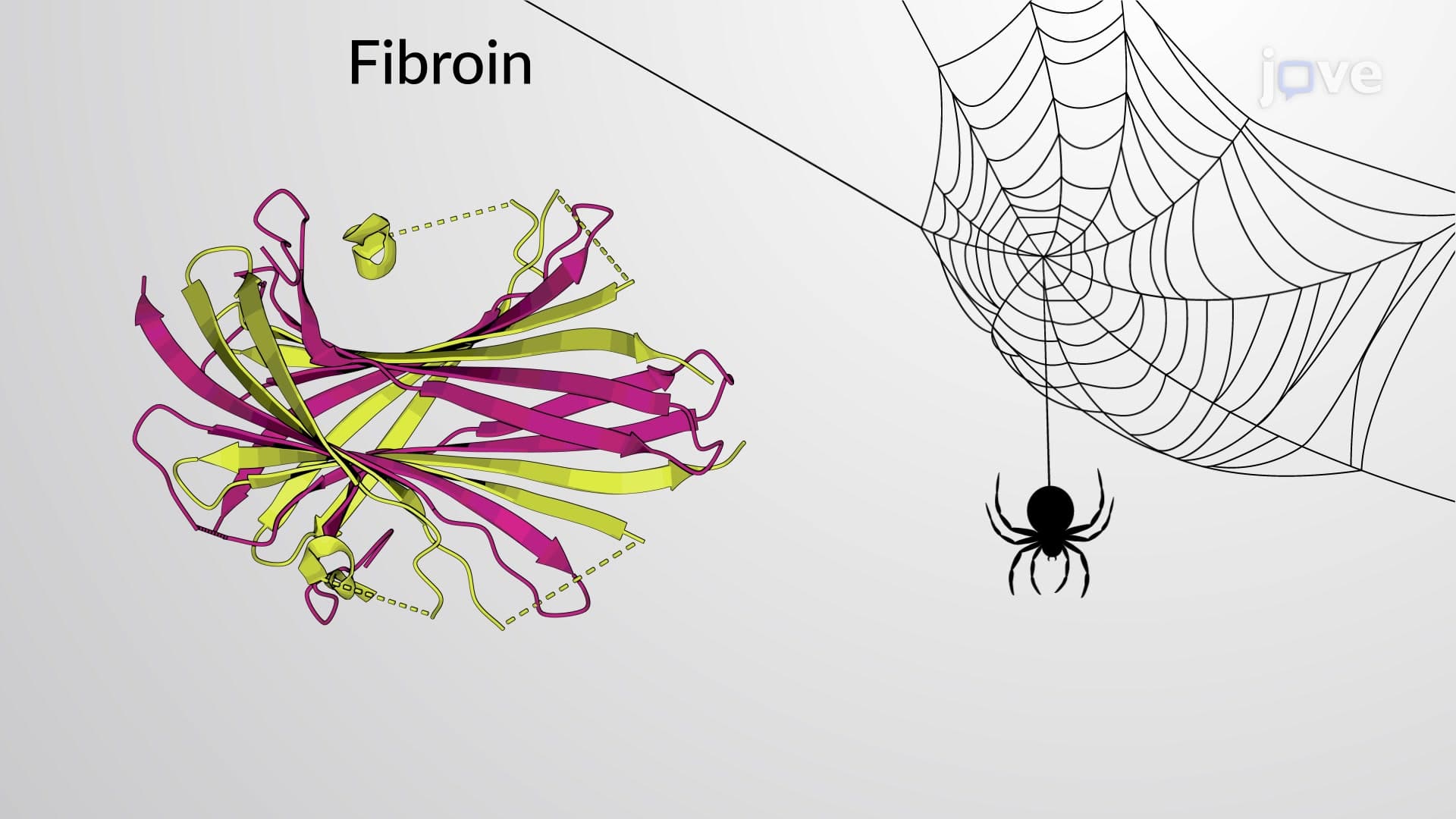
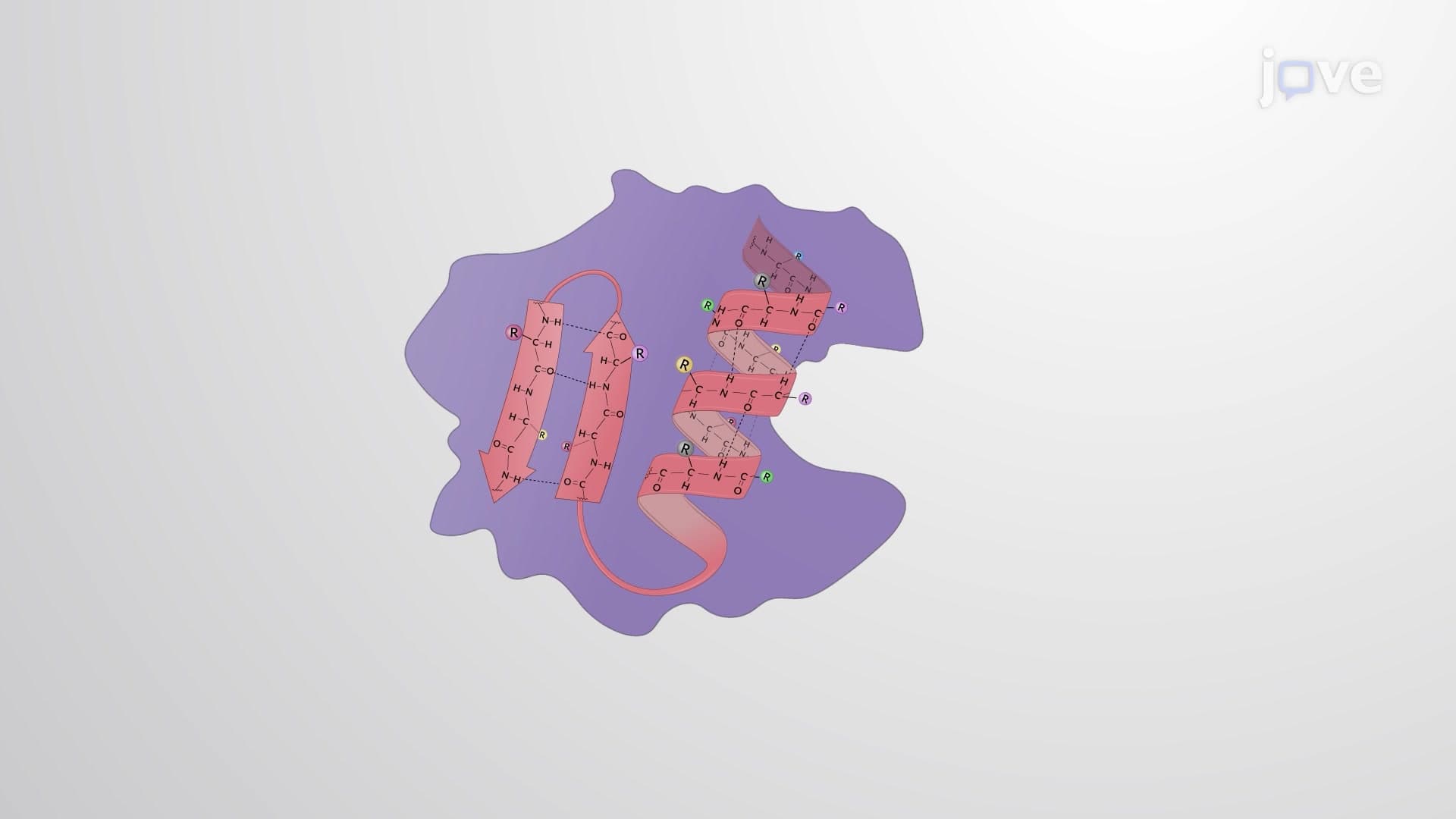
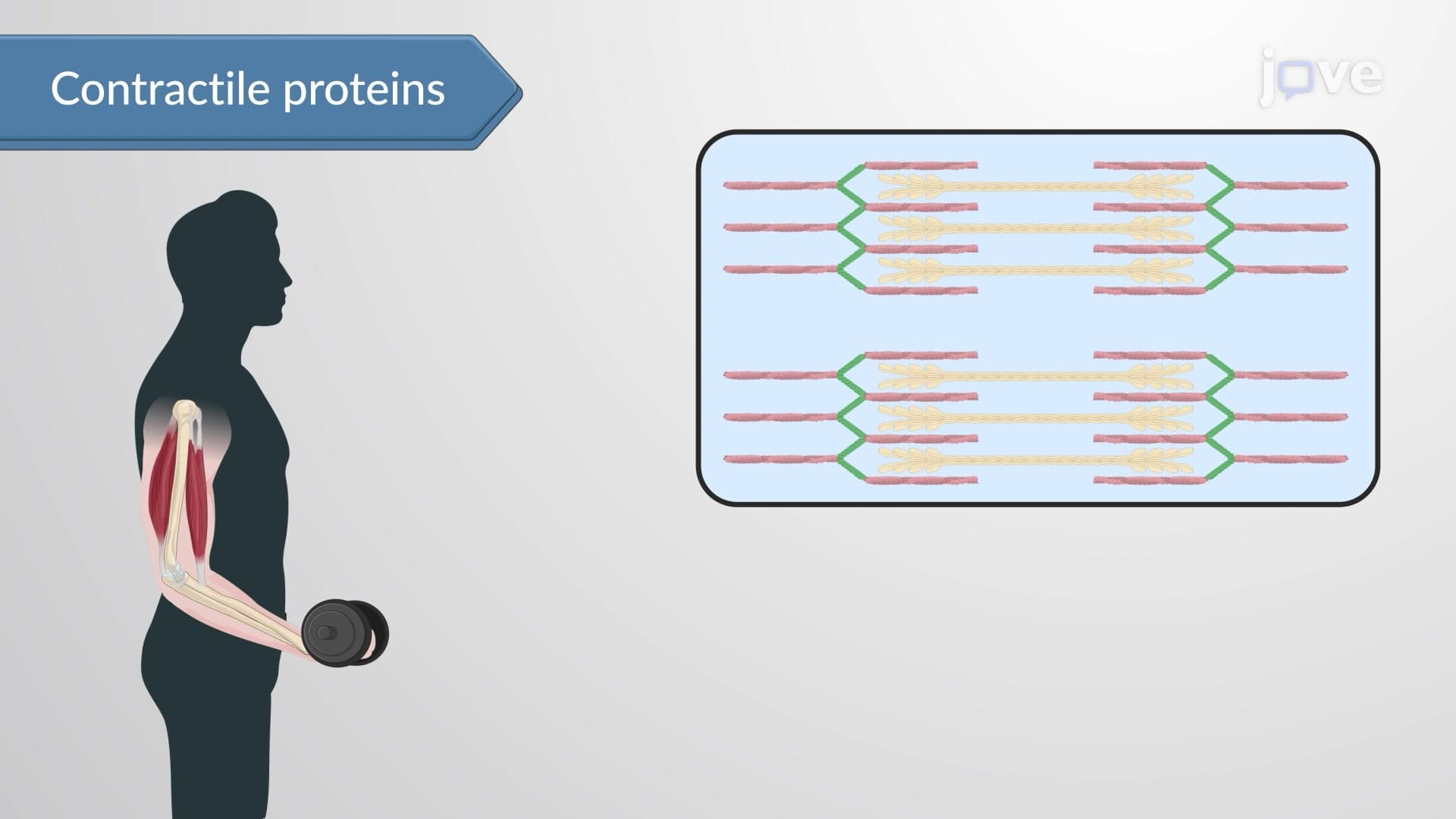
6. Protein Structure and Function Hierarchy Proteins exhibit four levels of organization: primary (amino acid sequence), secondary (alpha-helices and beta-sheets), tertiary (three-dimensional folding), and quaternary (multi-subunit complexes). Globular proteins like enzymes and hemoglobin are compact and water-soluble, with hydrophobic residues interior and hydrophilic residues on the surface. Fibrous proteins like collagen and keratin provide structural support with extended conformations. Protein denaturation disrupts higher-order structures, potentially causing loss of function, but renaturation can restore activity when optimal conditions return, as seen with hemoglobin during pH changes.
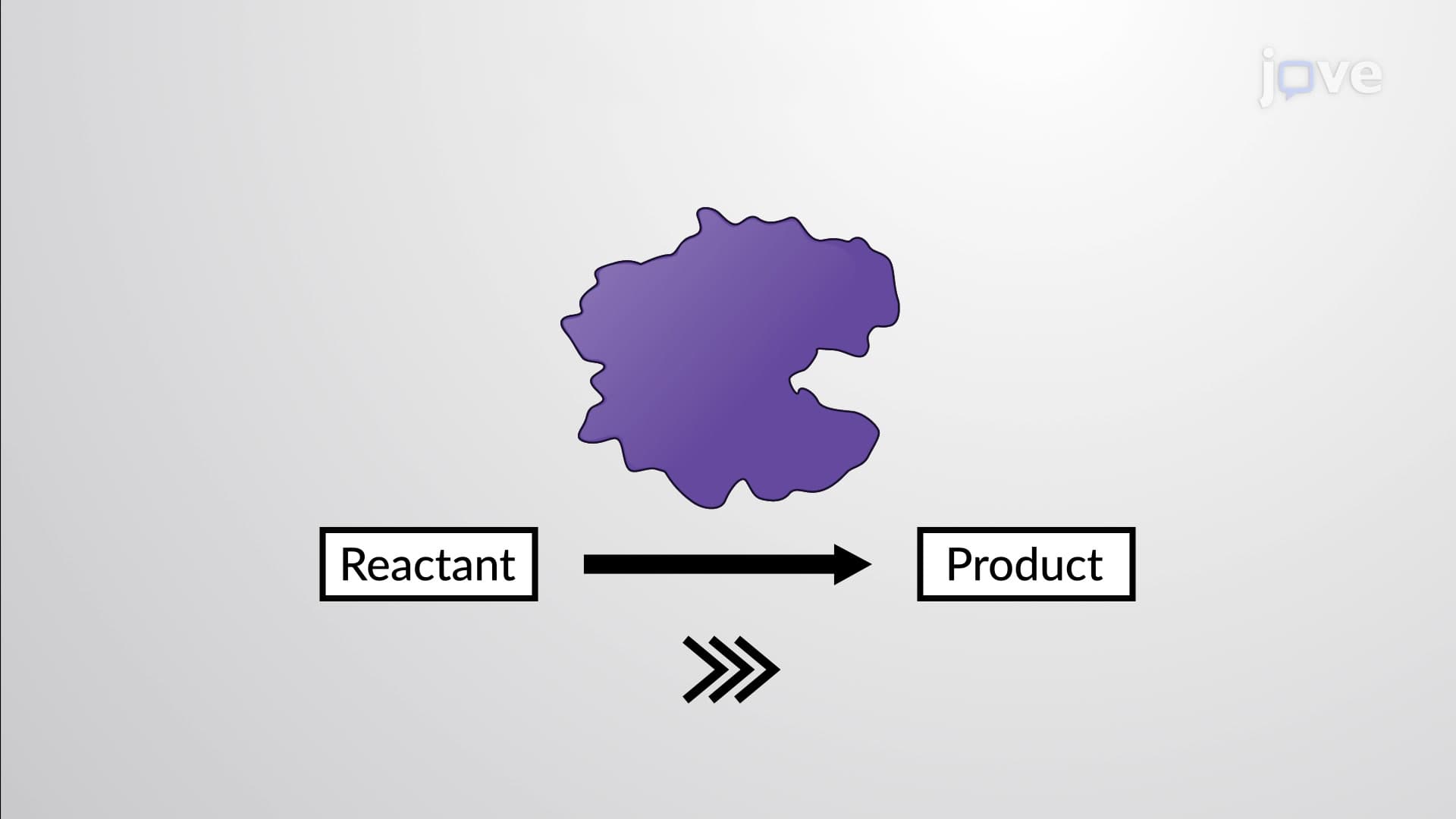
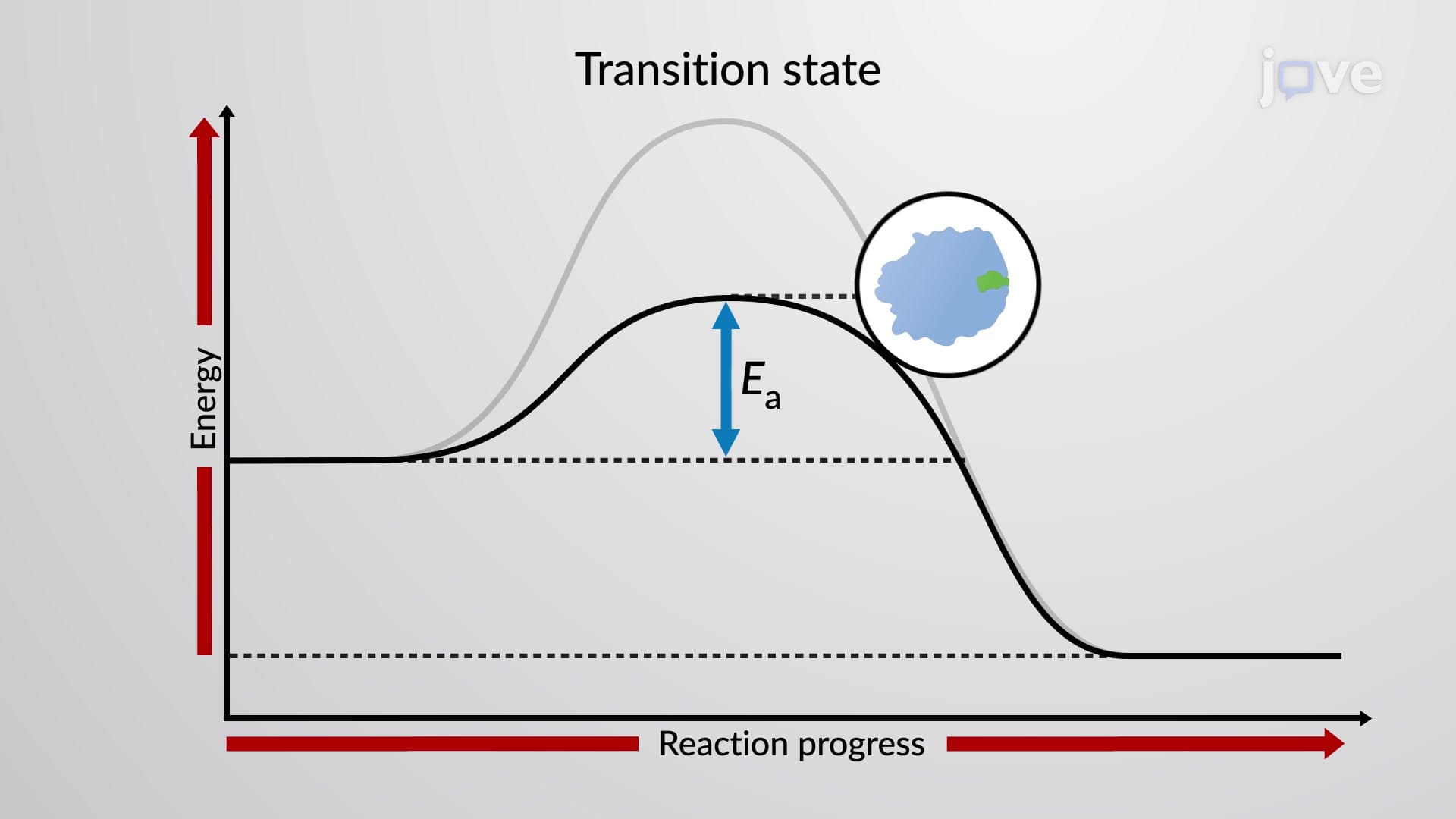
7. Enzyme Catalysis and Kinetics Enzymes accelerate biochemical reactions by lowering activation energy without being consumed. The active site binds specific substrates through induced fit, positioning molecules optimally for reaction. Enzymes stabilize transition states, provide appropriate chemical environments, and may require cofactors like metal ions or vitamins. For example, salivary amylase begins starch digestion in the mouth, while pepsin requires acidic conditions for protein breakdown in the stomach. Understanding enzyme mechanisms explains how cells coordinate complex metabolic pathways and respond to changing conditions.
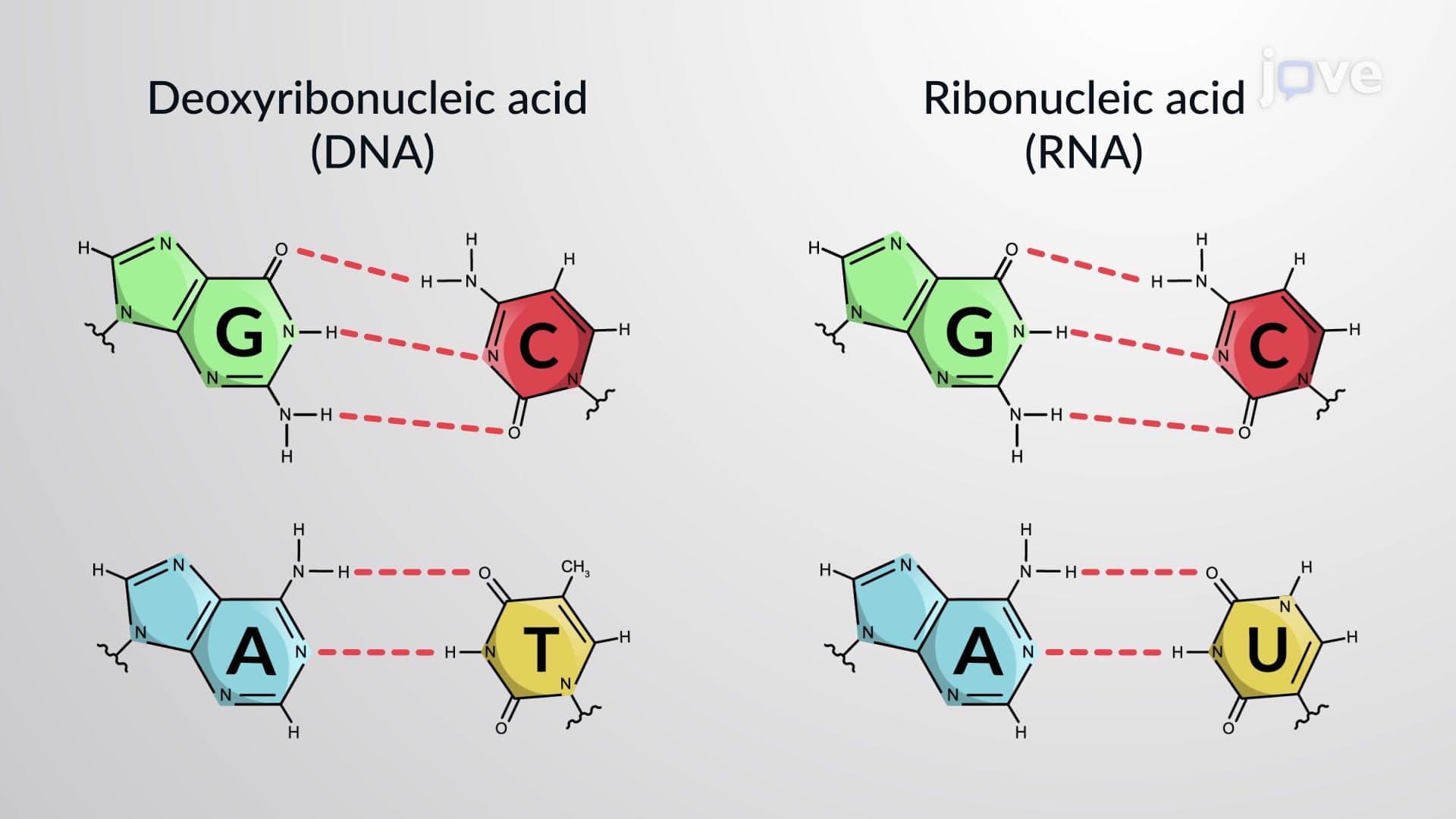
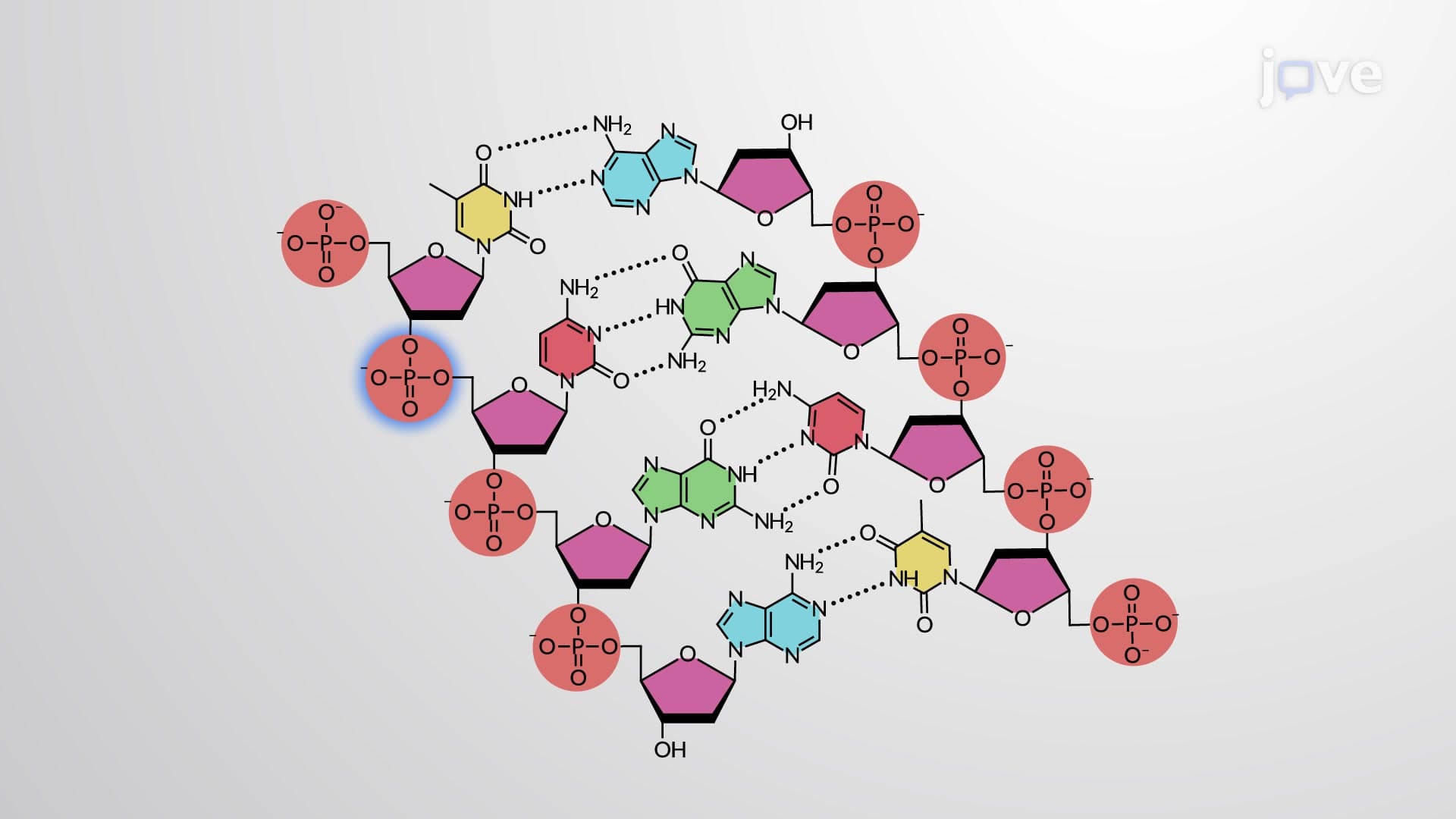
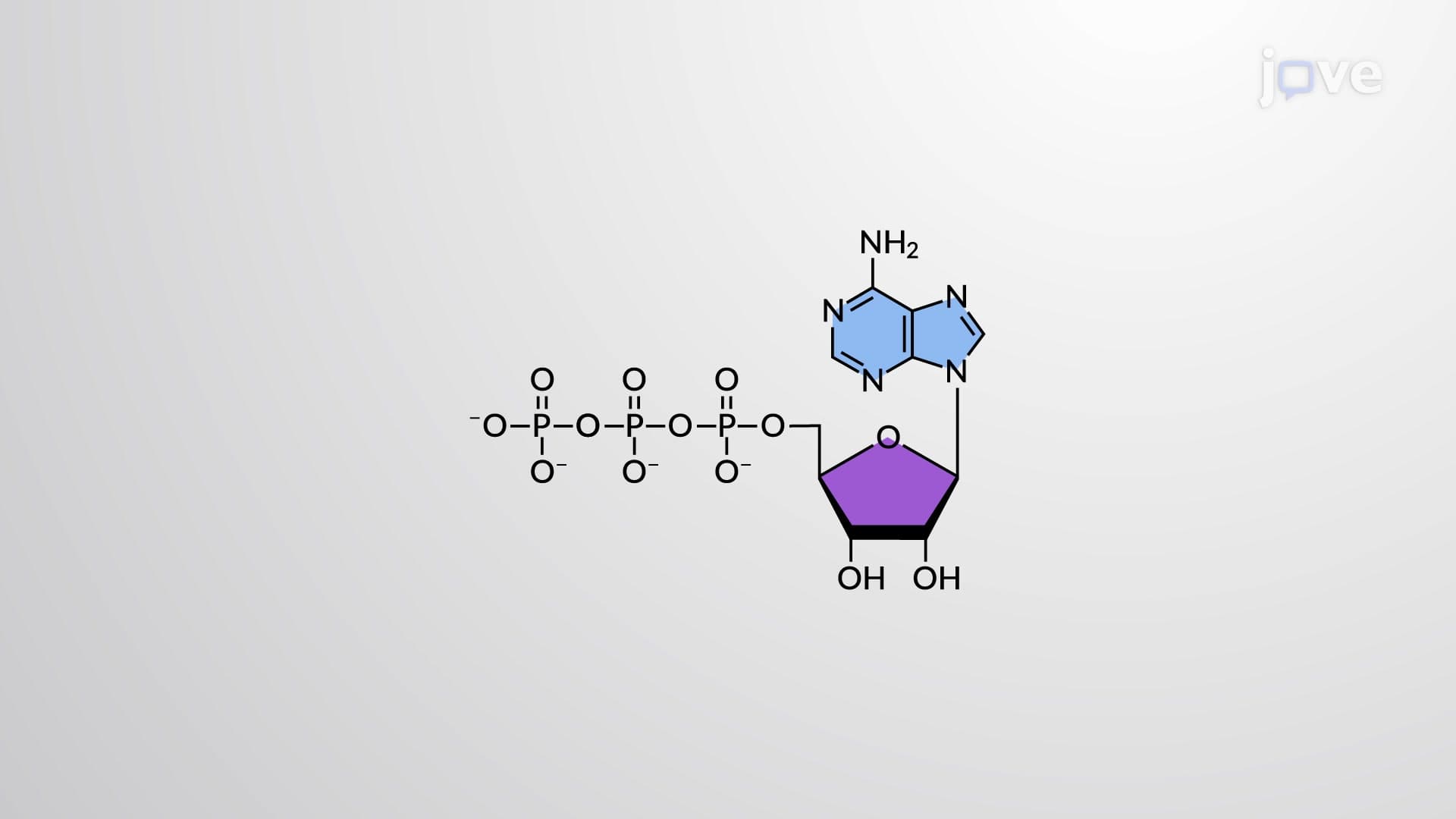
8. Nucleic Acids and Energy Transfer DNA and RNA are nucleotide polymers containing pentose sugars (deoxyribose or ribose), nitrogenous bases (A, T/U, G, C), and phosphate groups. Complementary base pairing (A-T, G-C in DNA; A-U, G-C in RNA) enables information storage and transfer. ATP serves as the universal energy currency, storing energy in phosphate bonds that can be hydrolyzed to power cellular processes. The 5' to 3' directionality and antiparallel double helix structure of DNA enables replication and transcription, fundamental processes for genetic information maintenance and expression in all living cells.