14 Concepts
6 Concepts
21 Concepts
23 Concepts
21 Concepts
15 Concepts
16 Concepts
26 Concepts
18 Concepts
19 Concepts
11 Concepts
6 Concepts
10 Concepts
22 Concepts
20 Concepts
26 Concepts
26 Concepts
14 Concepts
10 Concepts
12 Concepts
23 Concepts
29 Concepts
19 Concepts
38 Concepts
38 Concepts
25 Concepts
40 Concepts
25 Concepts
25 Concepts
20 Concepts
37 Concepts
Essential cellular processes form the foundation of life, encompassing the fundamental mechanisms that enable cells to survive, grow, and reproduce. This comprehensive course explores critical cellular processes including DNA replication, protein synthesis through the central dogma, cell division via mitosis and meiosis, and cellular communication systems. Students will examine how these essential processes that keep cells alive work together to maintain cellular homeostasis and support complex biological functions in organisms, with applications relevant to medical research and biotechnology careers in the United States.
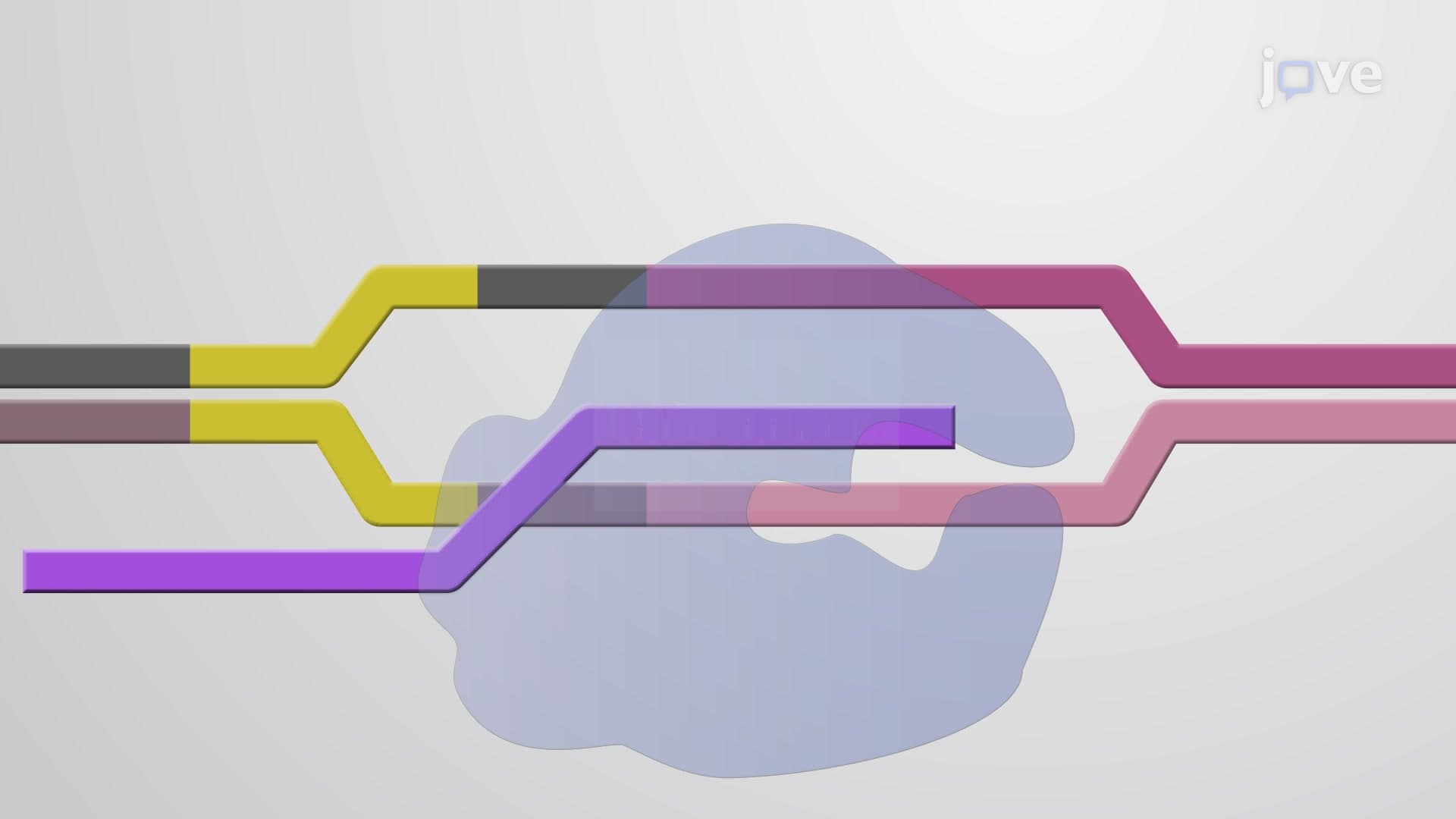
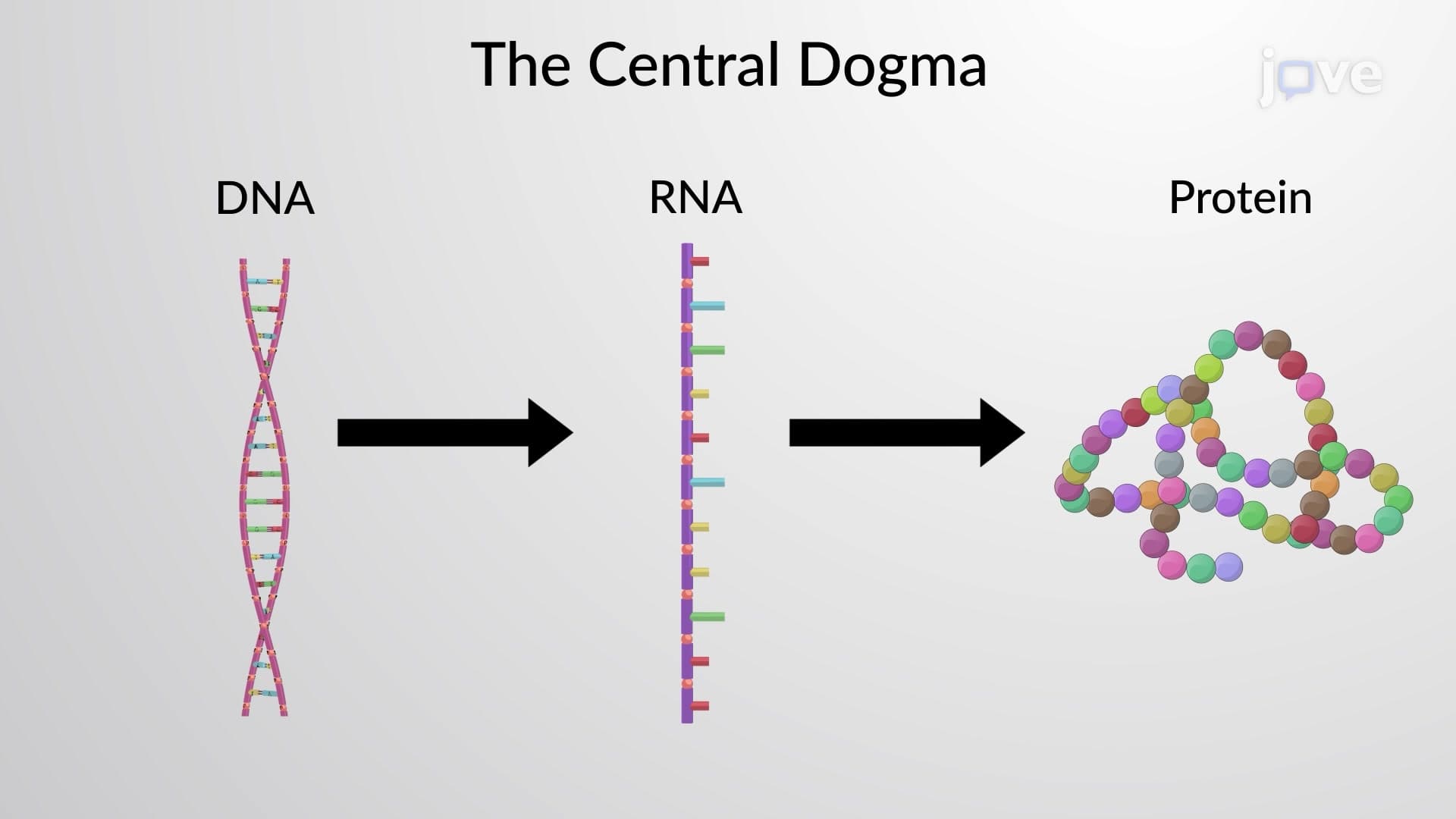
1. The Central Dogma and Information Flow - Examine how genetic information encoded in DNA is transcribed into RNA and translated into functional proteins. This fundamental concept, established by Francis Crick, explains the unidirectional flow of biological information and forms the basis for understanding gene expression. Students learn about the roles of mRNA as messenger molecules, the genetic code's universality, and how this process enables cellular function. Real-world applications include understanding how genetic engineering techniques manipulate this pathway to produce therapeutic proteins like insulin in biotechnology companies across the United States.
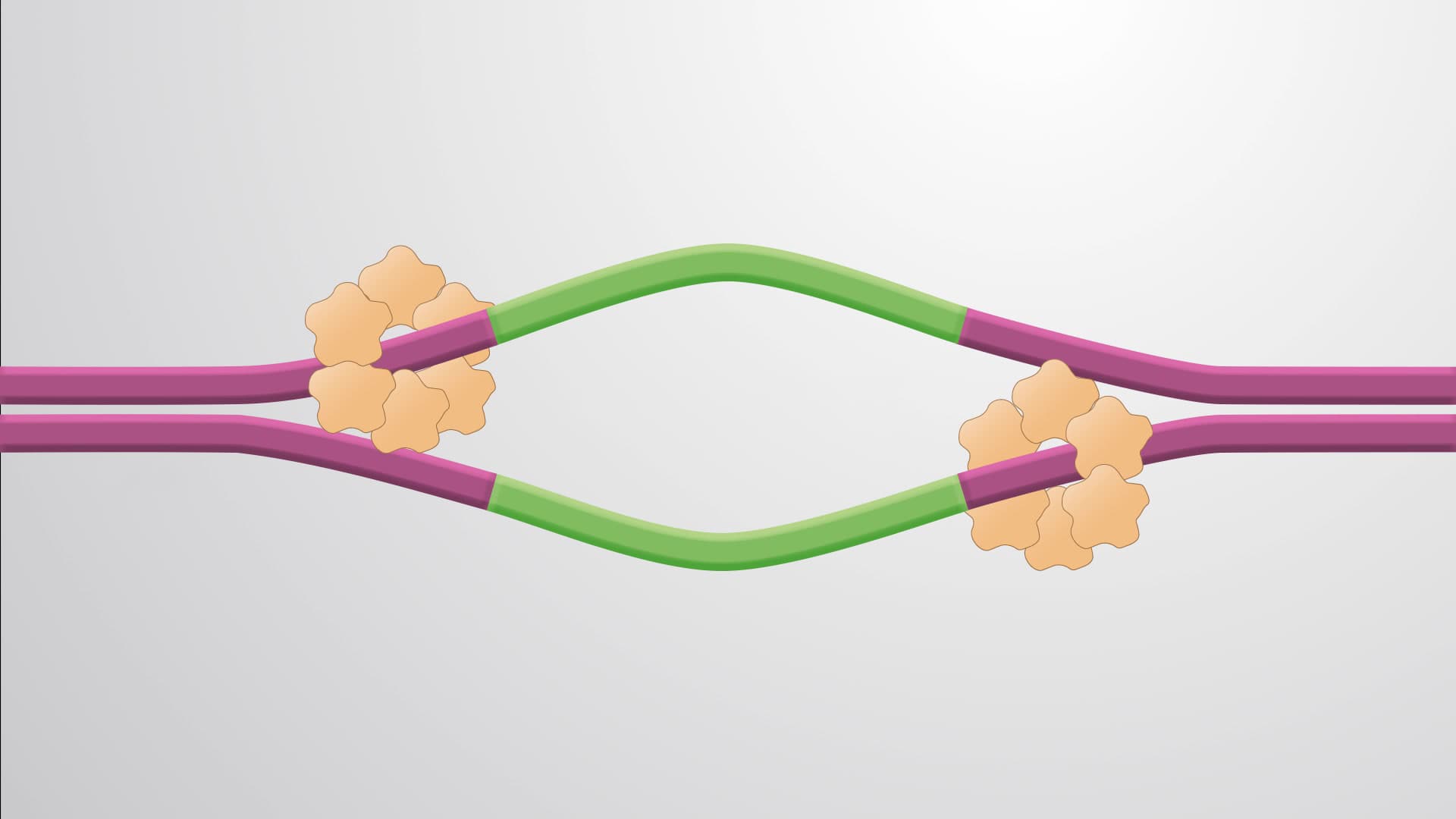
2. DNA Replication in Eukaryotes - Understand the complex mechanisms by which eukaryotic cells duplicate their genetic material before division. Unlike simpler prokaryotic replication, eukaryotic DNA replication involves multiple origins of replication, specialized DNA polymerases (α, δ, ε), and telomerase activity to maintain chromosome integrity. Students explore how replication timing is regulated and why errors in this process contribute to cancer development. This knowledge is essential for understanding targeted cancer therapies used in major US medical centers and pharmaceutical research.
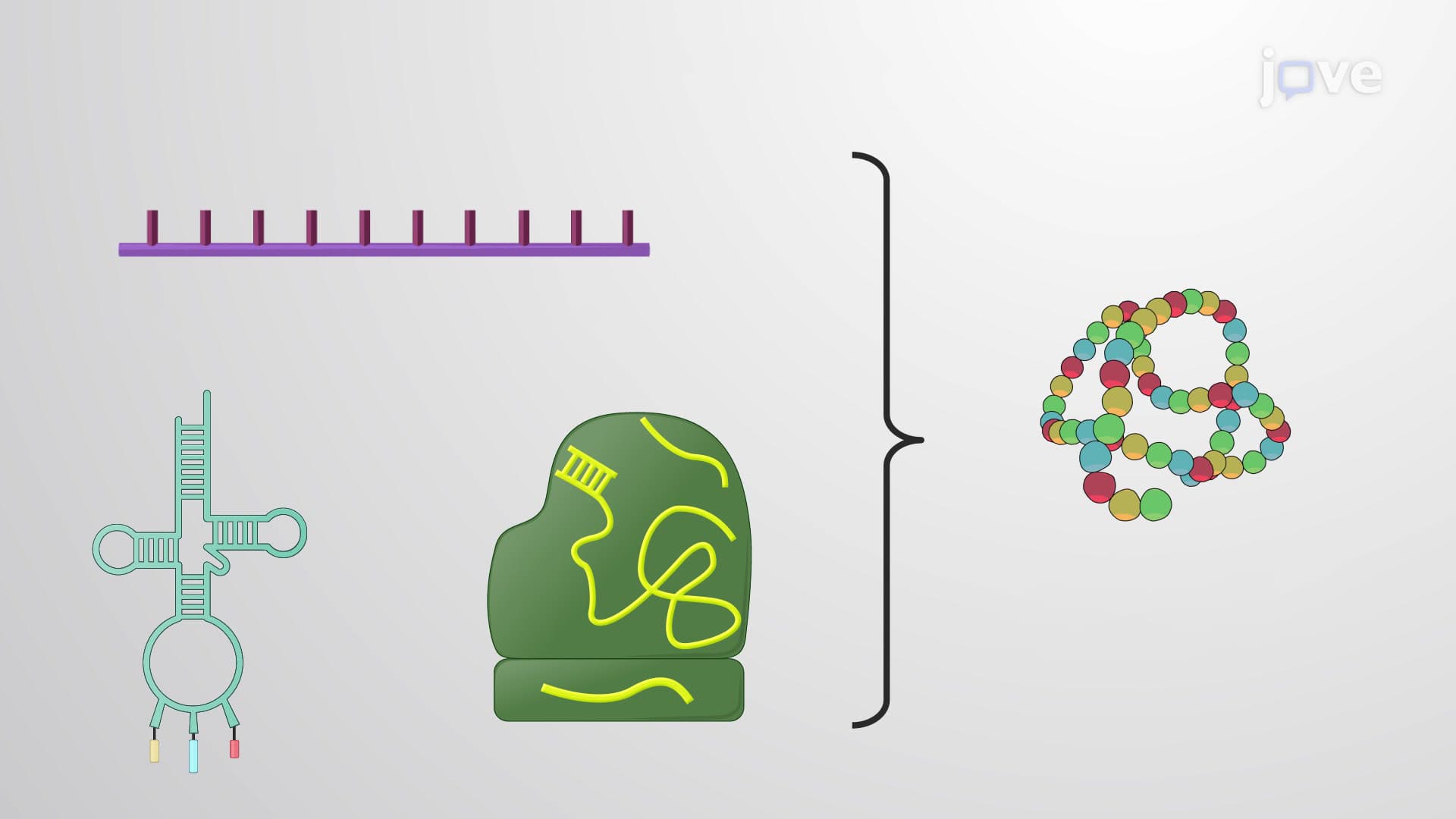
3. RNA Types and Functions - Learn about the diverse roles of different RNA molecules beyond simple messenger function. Students examine mRNA's role in carrying genetic instructions, tRNA's function in delivering amino acids during protein synthesis, rRNA's structural role in ribosomes, and regulatory RNAs like microRNAs that control gene expression. Understanding RNA diversity is crucial for appreciating modern therapeutic approaches, including mRNA vaccines developed by US companies like Pfizer-BioNTech and Moderna during the COVID-19 pandemic.
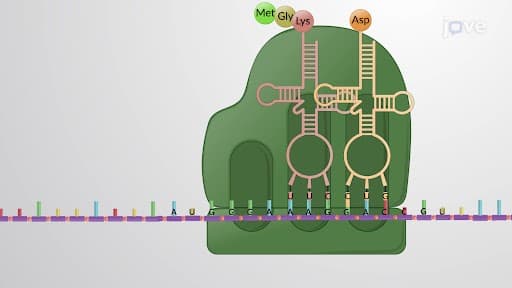
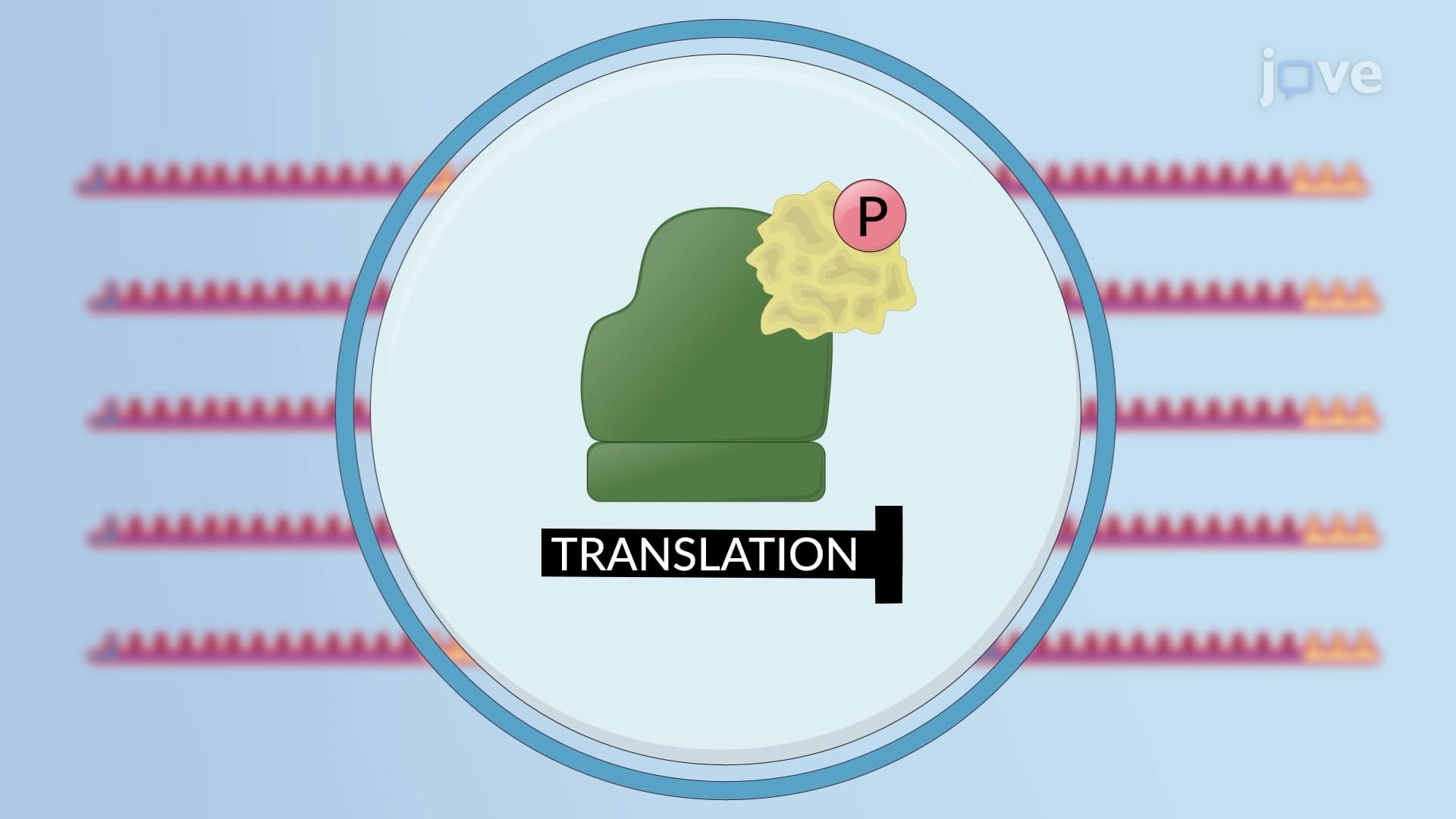
4. Transcription and Translation Processes - Analyze the detailed mechanisms of gene expression from DNA to functional proteins. Students explore transcription initiation, elongation, and termination, along with the role of transcription factors and regulatory sequences. Translation mechanisms include ribosome assembly, codon recognition, and protein folding. These processes are fundamental to understanding genetic diseases and developing RNA-based therapeutics currently in clinical trials at US research institutions like the National Institutes of Health.
5. Gene Expression Regulation - Examine the multiple levels at which cells control gene expression, from transcriptional regulation through DNA-binding proteins to post-transcriptional modifications and translational control. Students learn how alternative splicing creates protein diversity and how microRNAs fine-tune gene expression. This multilevel regulation explains how identical genomes can produce diverse cell types and how dysregulation leads to diseases like cancer, making it essential knowledge for students pursuing careers in personalized medicine.
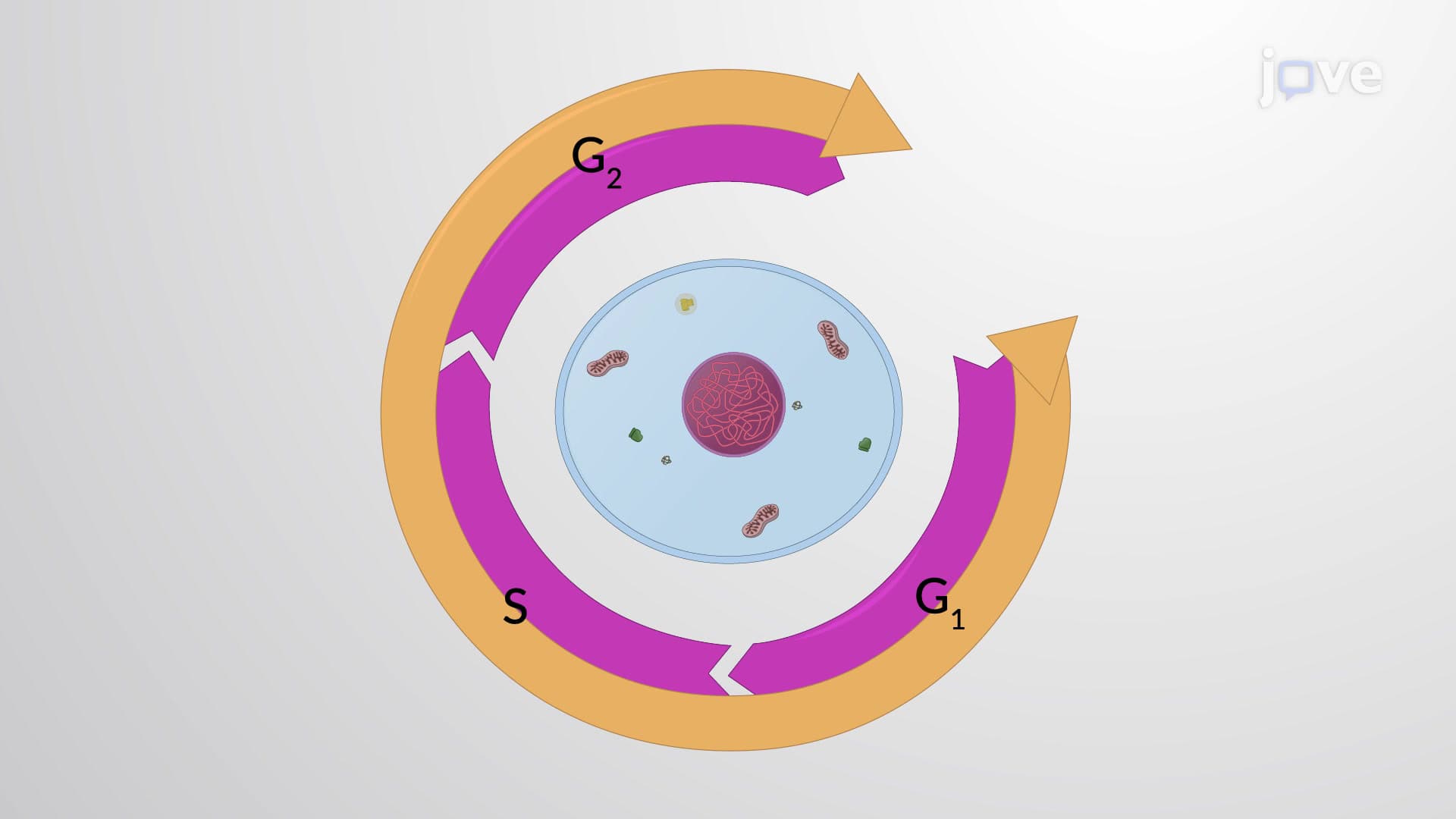
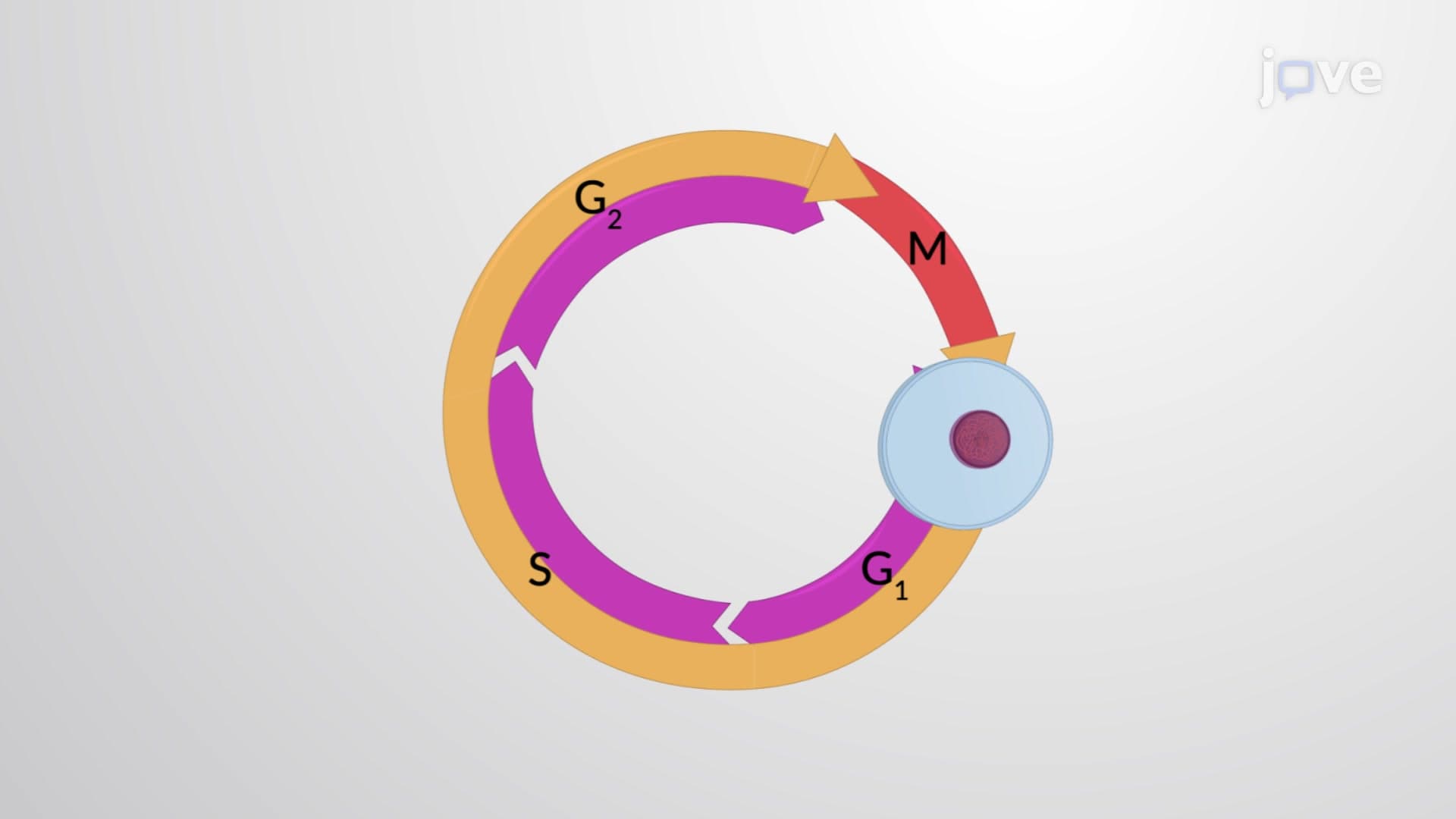
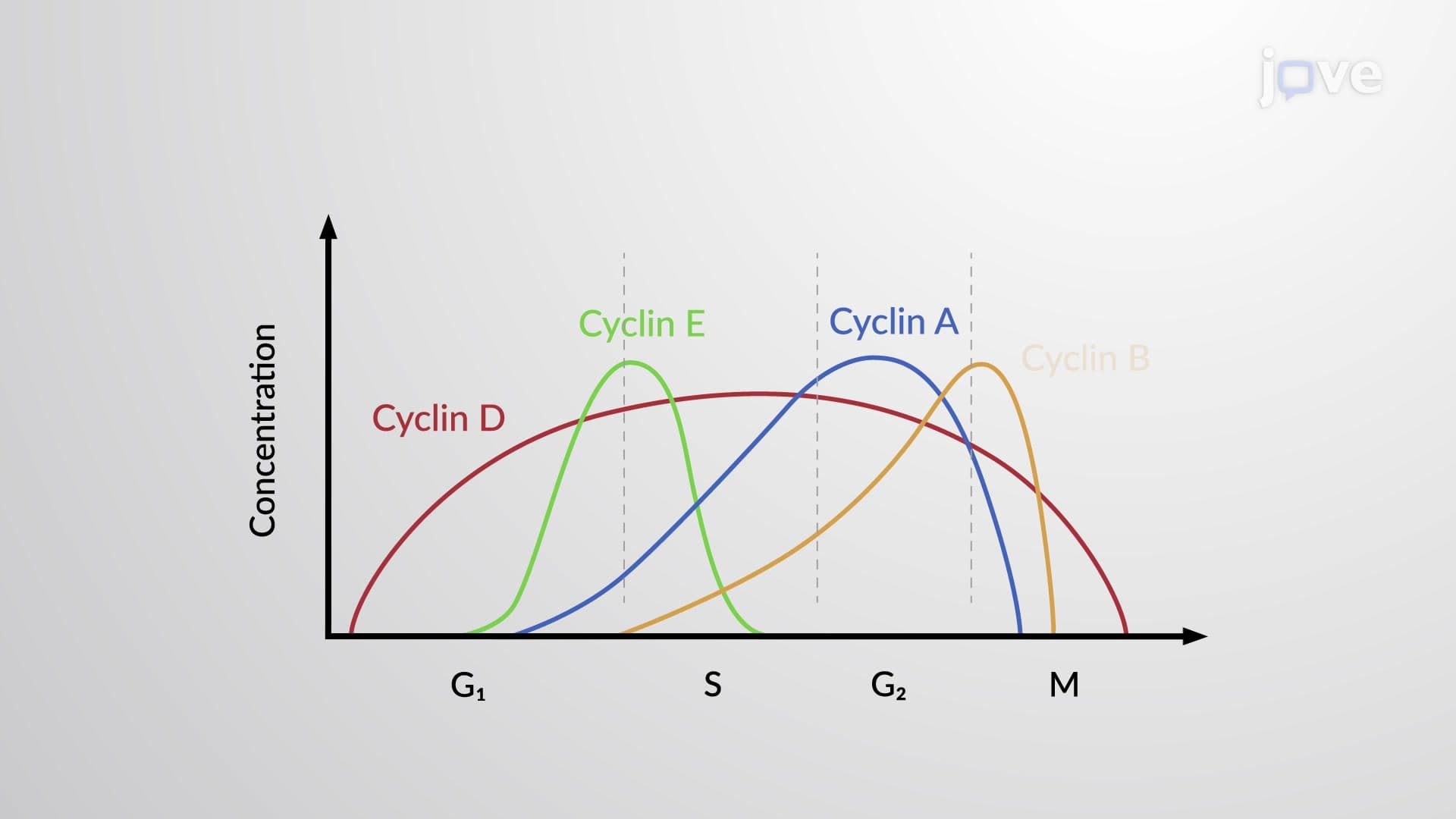
6. Cell Cycle Control and Division - Understand the precisely regulated process by which cells grow and divide, including the G1, S, G2, and M phases. Students examine checkpoint mechanisms that prevent errors, the roles of cyclins and cyclin-dependent kinases, and how tumor suppressor proteins like p53 maintain genomic integrity. This knowledge is crucial for understanding cancer biology and the development of cell cycle inhibitors used in cancer treatment at major US cancer centers.
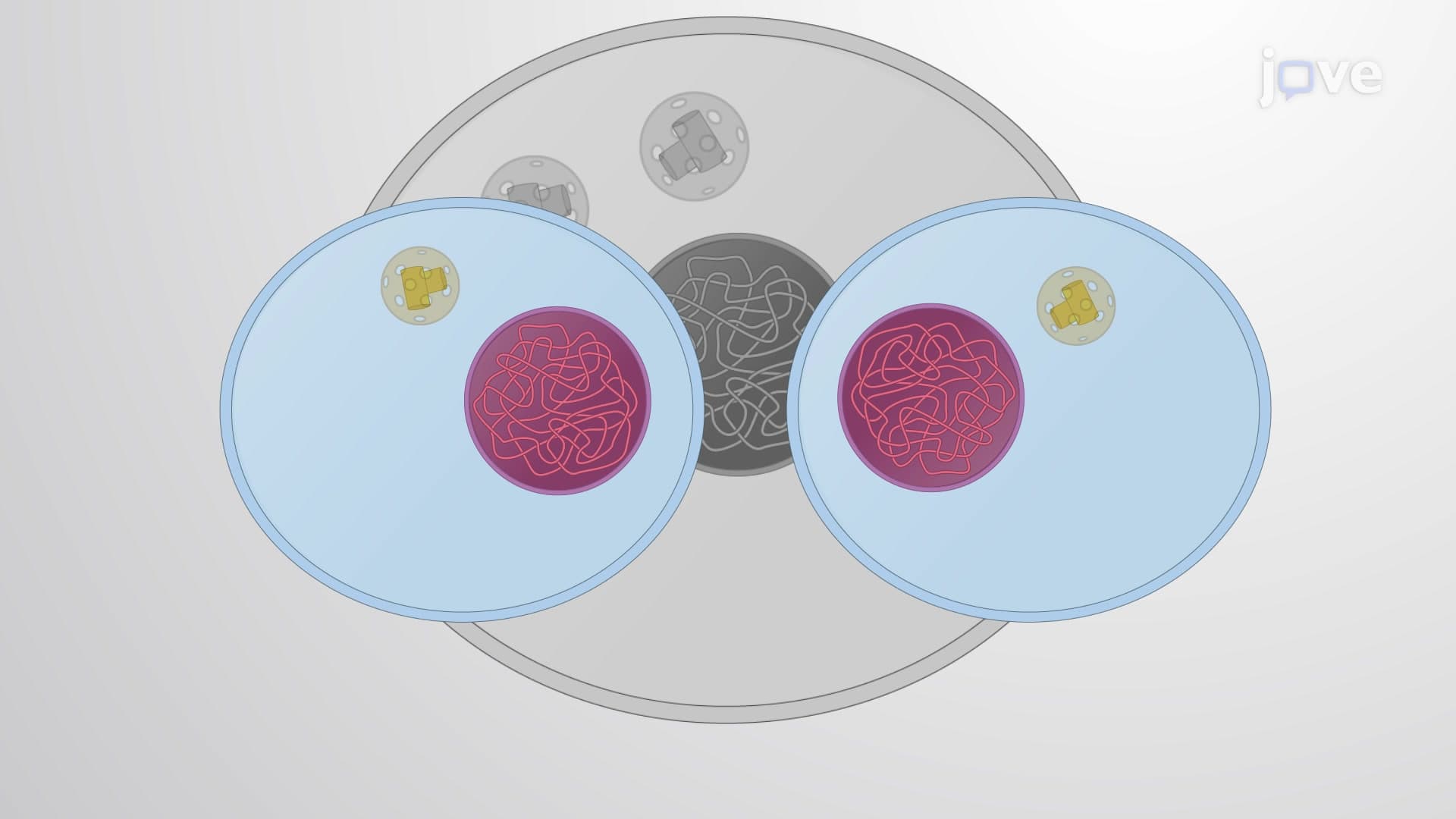
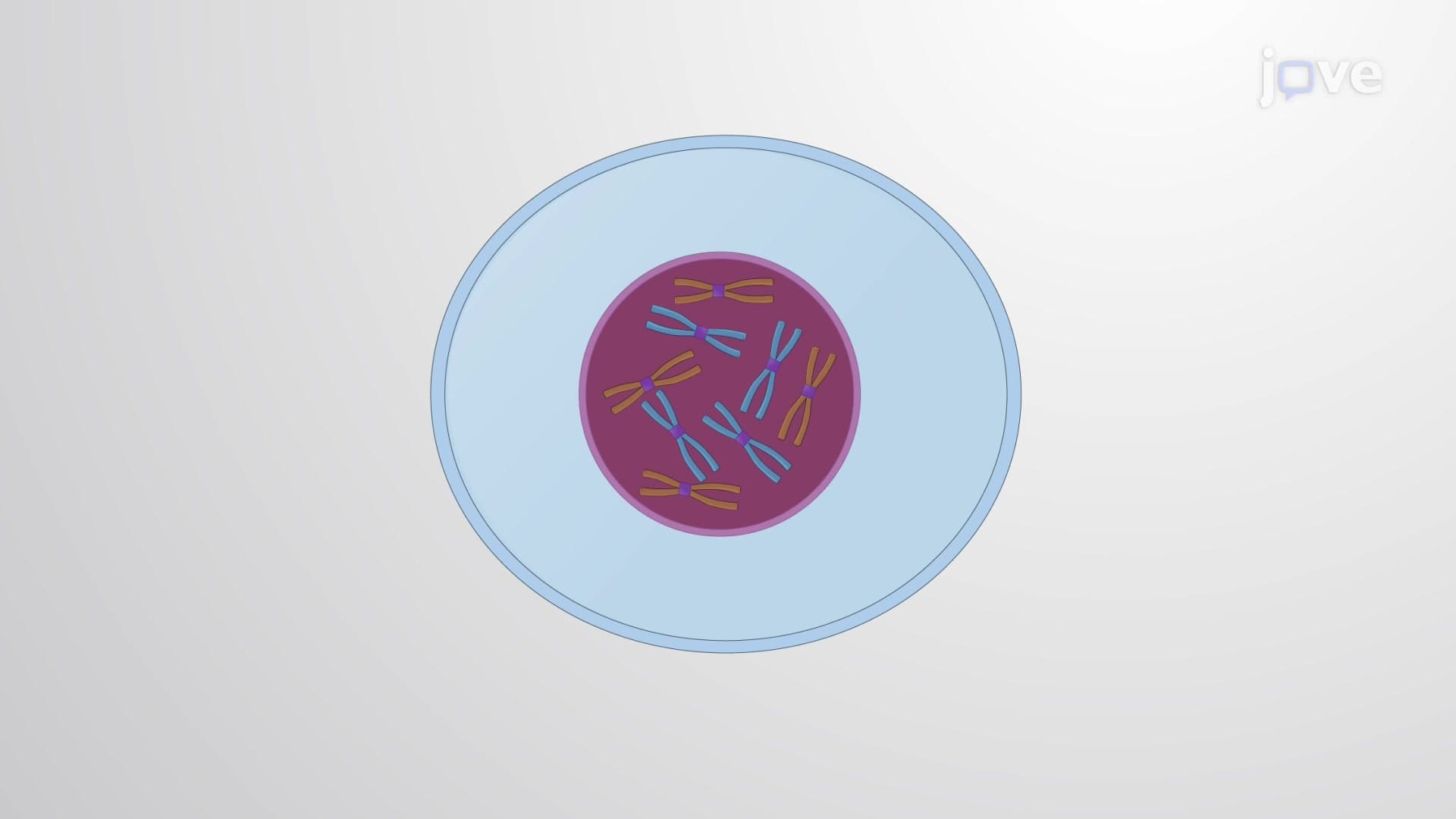
7. Mitosis and Cytokinesis Mechanisms - Learn the detailed processes by which cells divide their duplicated chromosomes and cytoplasm to produce two identical daughter cells. Students explore chromosome condensation, spindle formation, sister chromatid separation, and cytokinesis completion. Understanding these mechanisms is essential for appreciating how errors lead to chromosomal disorders and how mitotic inhibitors work as cancer therapeutics in US clinical practice.
8. Meiosis and Sexual Reproduction - Examine the specialized cell division process that produces genetically diverse gametes essential for sexual reproduction. Students learn how homologous recombination and independent assortment create genetic variation, why meiotic errors cause chromosomal disorders like Down syndrome, and how understanding meiosis informs fertility treatments and genetic counseling practices in US healthcare systems.
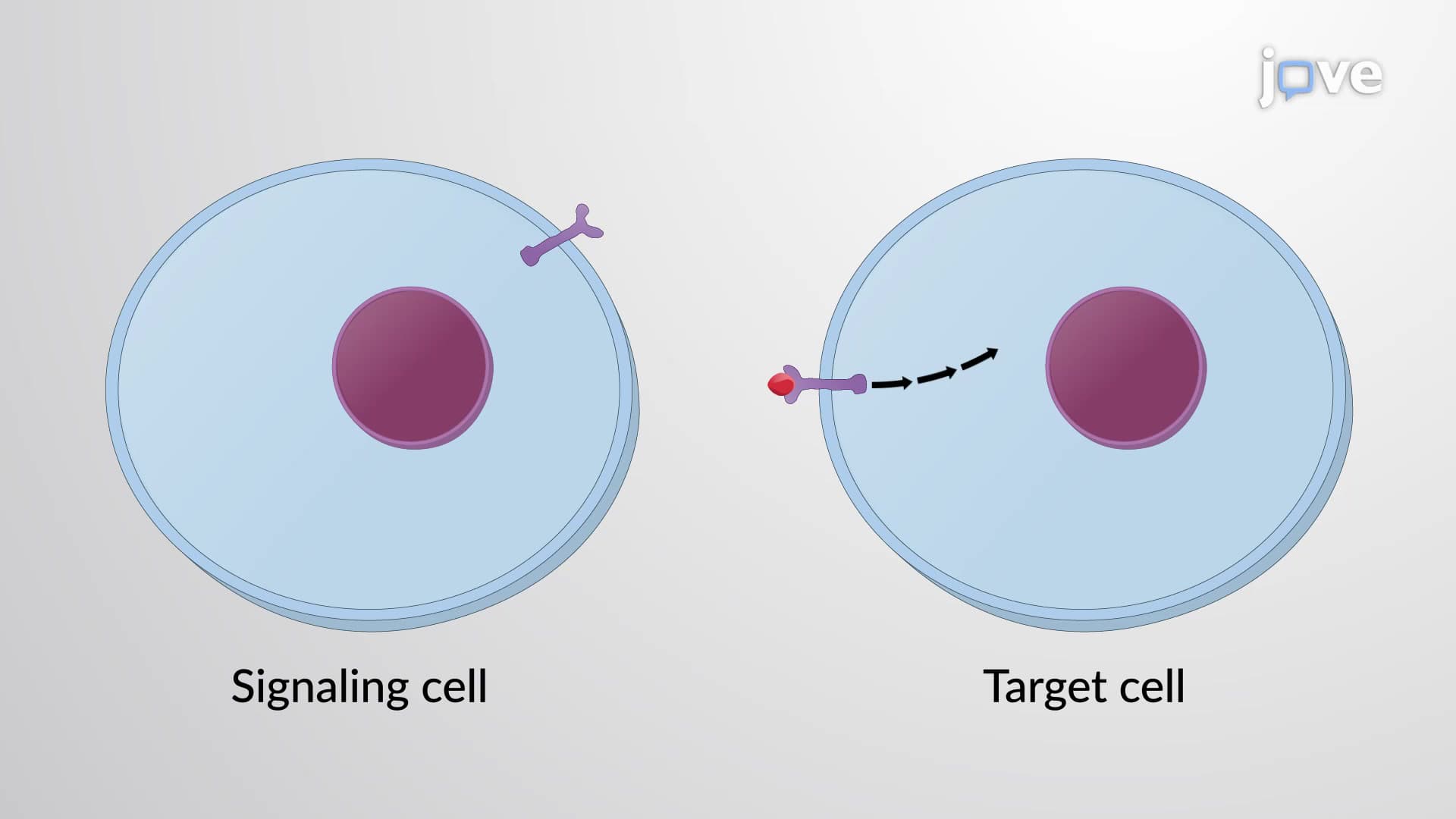
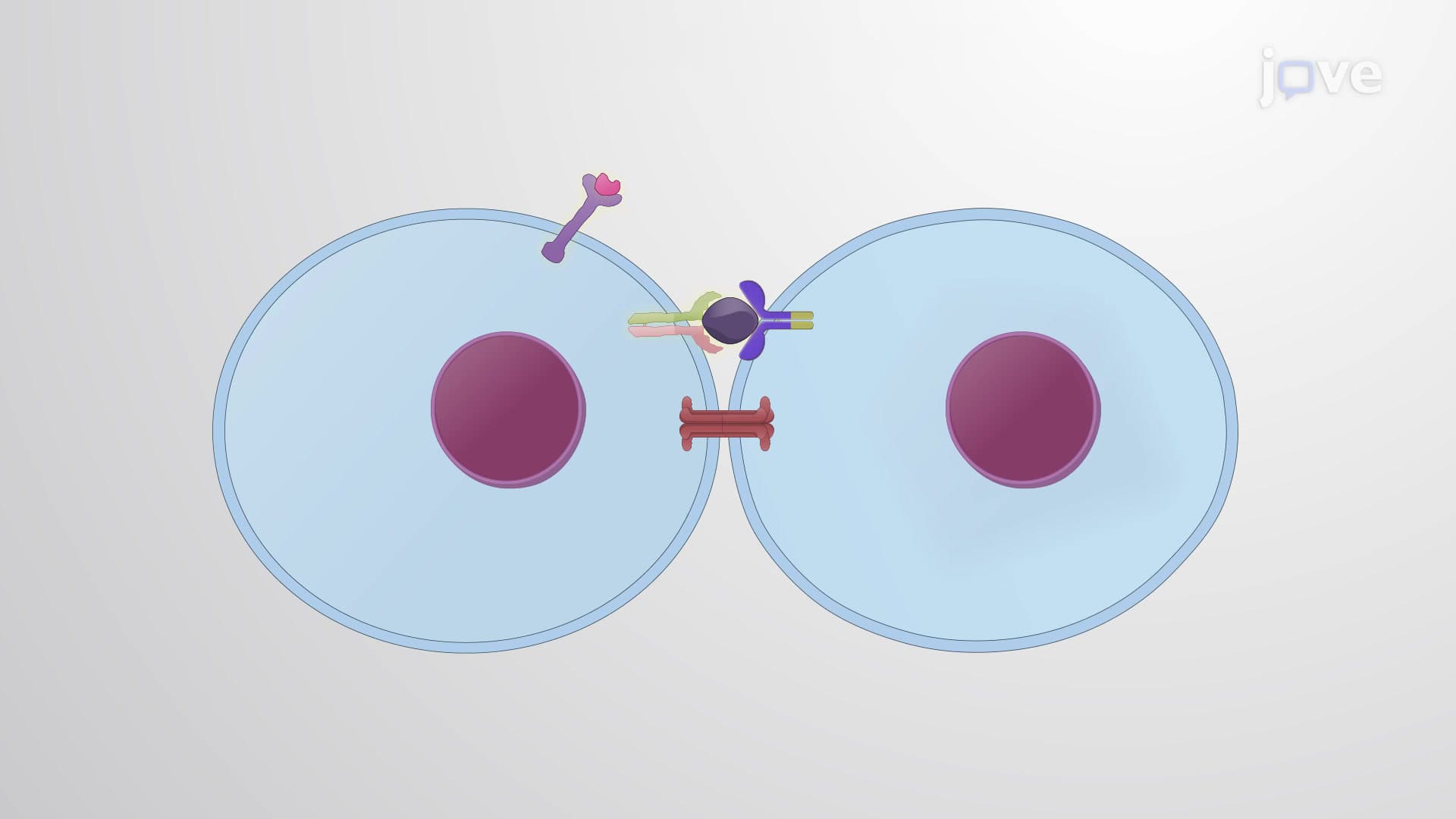
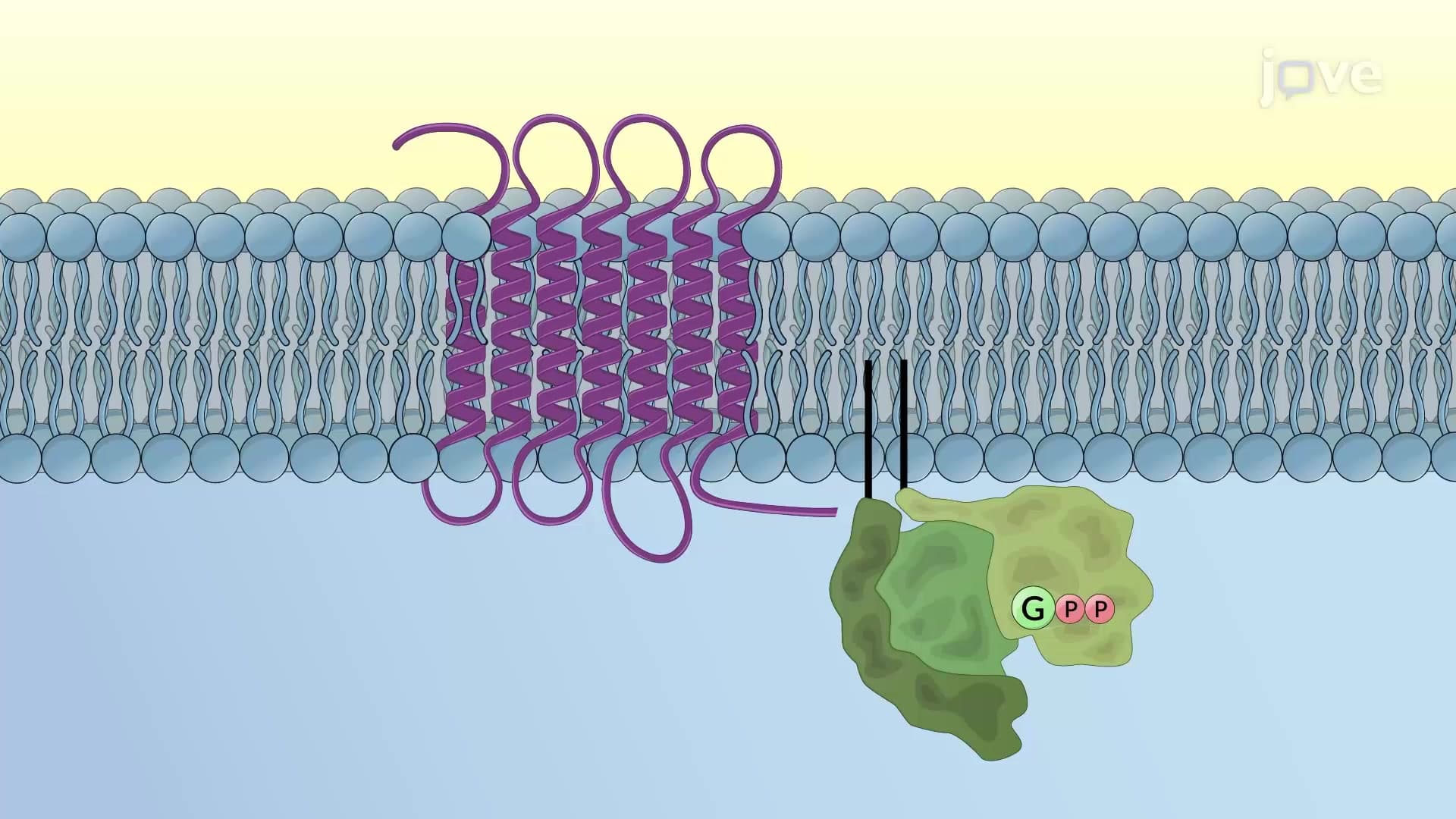
9. Cellular Signaling and Communication - Analyze the complex networks by which cells detect, process, and respond to environmental information. Students explore different signaling mechanisms including endocrine, paracrine, and autocrine signaling, along with the molecular basis of signal transduction through receptors like G-protein coupled receptors. This knowledge underlies pharmacology and drug development, explaining how medications work at the cellular level in US pharmaceutical research.
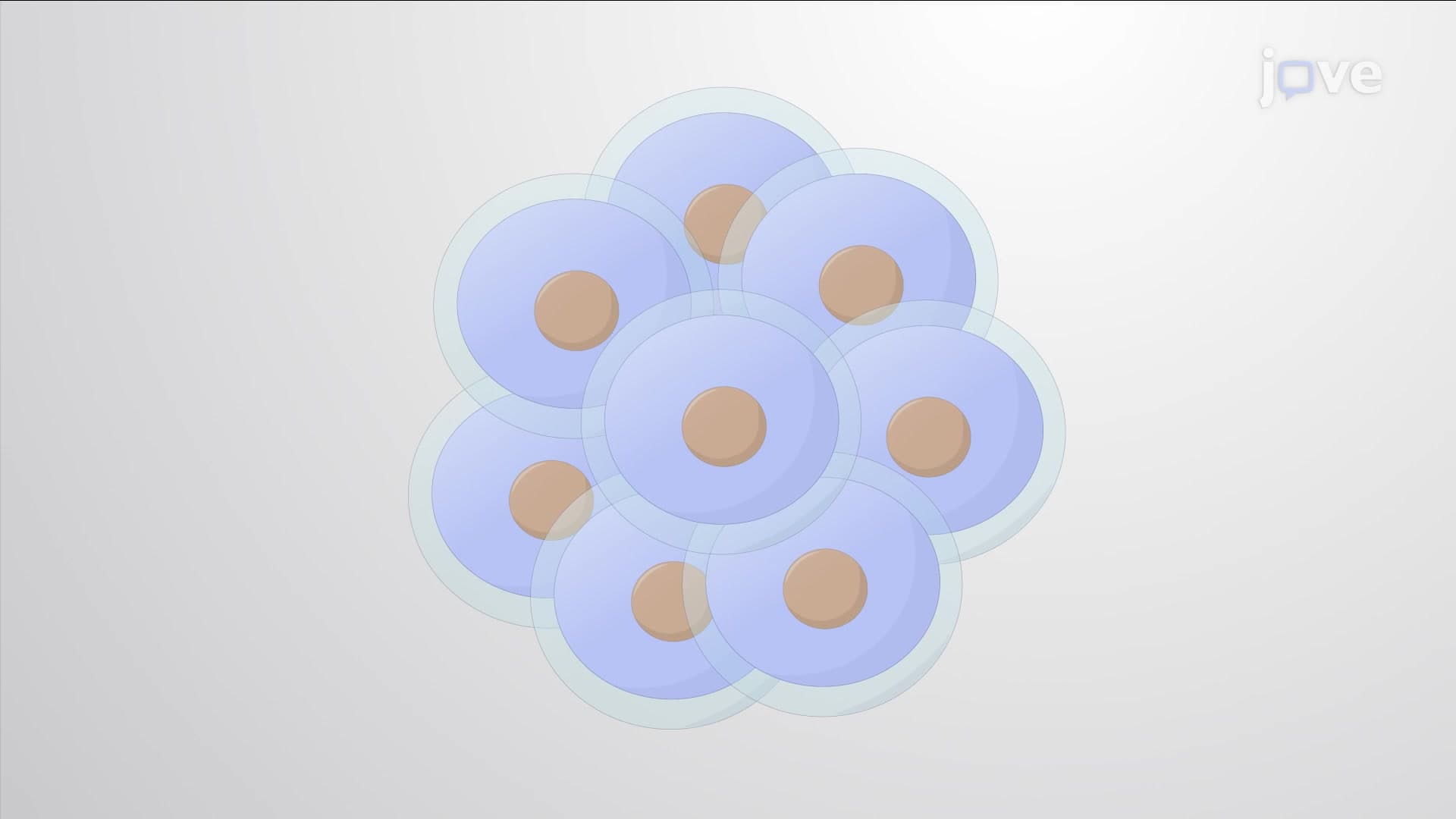
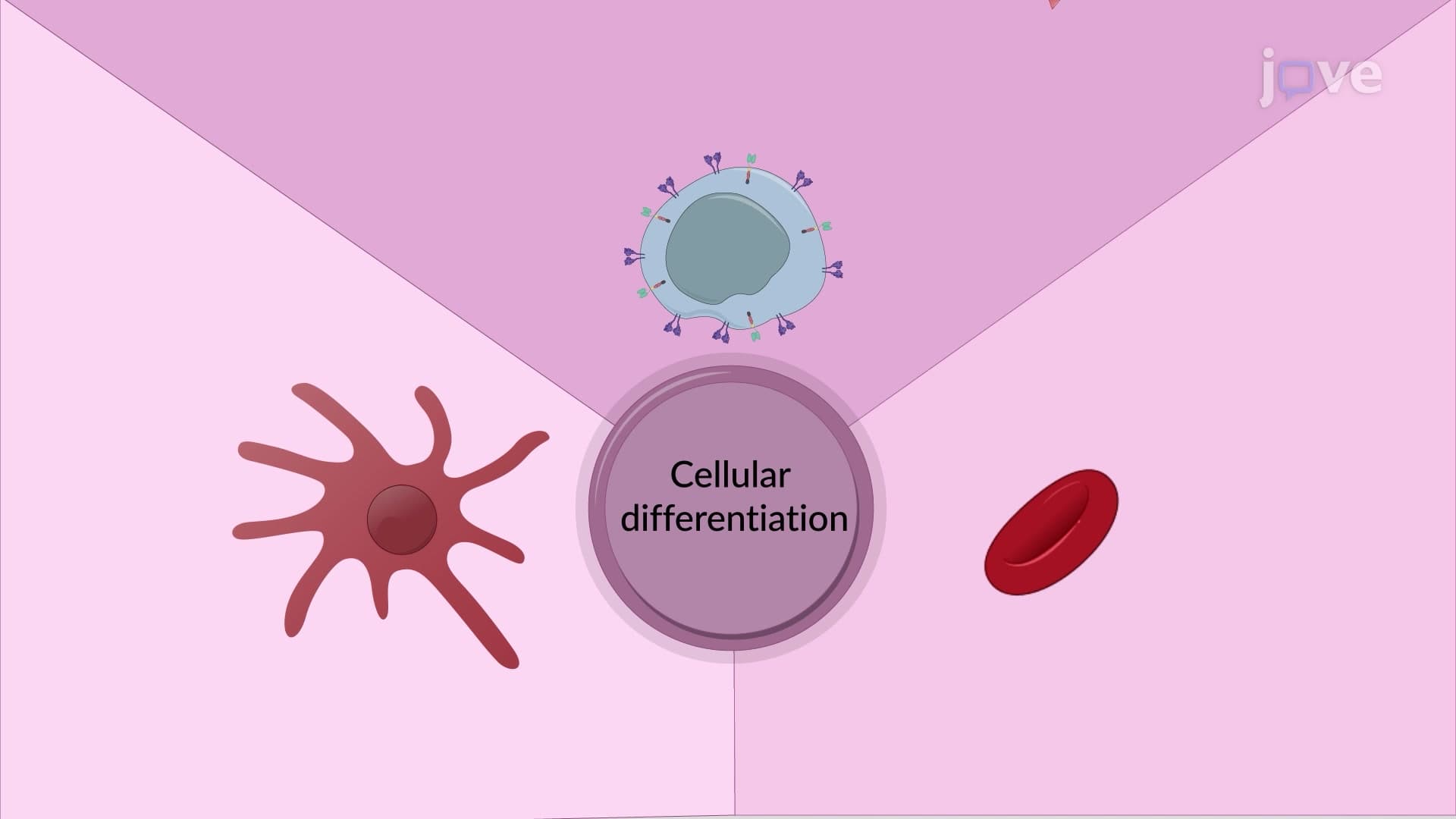
10. Cellular Differentiation and Development - Understand how totipotent stem cells progressively specialize into diverse cell types with distinct functions. Students examine the molecular mechanisms controlling cell fate decisions, the role of transcription factors in establishing cell identity, and how epigenetic modifications maintain differentiated states. This knowledge is fundamental to regenerative medicine research conducted at US institutions and the development of stem cell therapies for treating degenerative diseases.