Loading video…


 16 Concepts
 49.6K views

Video Summary: The Cell Cycle Definition
Every second, millions of cells in your body complete the cell cycle definition biology process, replacing worn-out skin cells and healing cuts. The cell cycle definition encompasses the ordered sequence of growth and division that transforms one cell into two identical daughter cells through distinct phases: G1, S, G2, and M. This fundamental process enables the human body to grow from a single fertilized egg to trillions of specialized cells, while also powering tissue repair after injuries like those treated at Mayo Clinic's regenerative medicine programs. Watch the full video on JoVE Coach to master this concept with expert-led visuals and step-by-step explanations.
The cell cycle definition biology encompasses a highly regulated series of molecular events that guide a cell from birth to division, creating two genetically identical daughter cells. This process represents one of biology's most fundamental mechanisms, enabling everything from embryonic development to wound healing. For students preparing for the AP Biology exam or college-level cell biology courses, mastering this concept is essential for understanding how multicellular organisms maintain, repair, and grow their tissues.
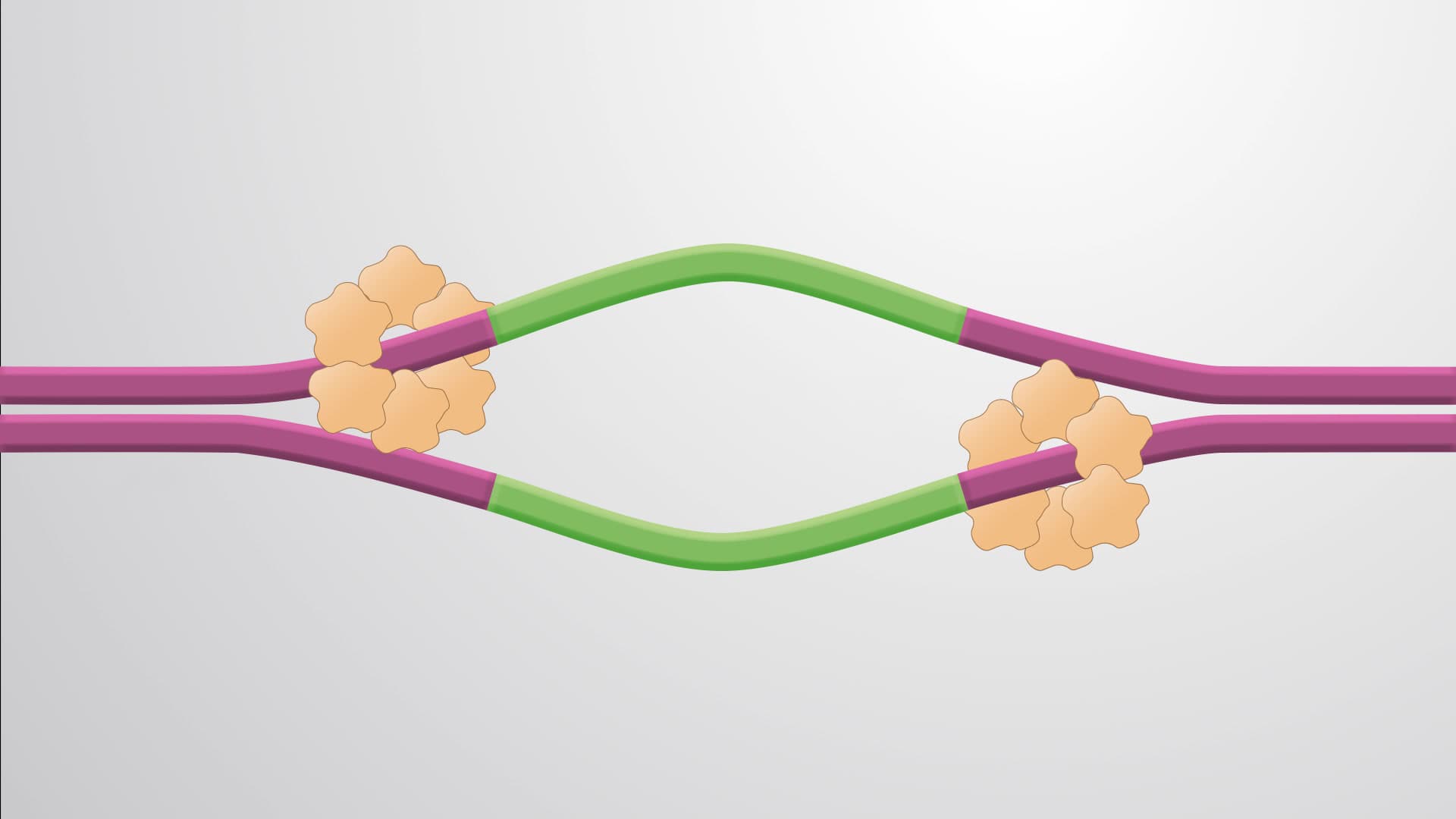
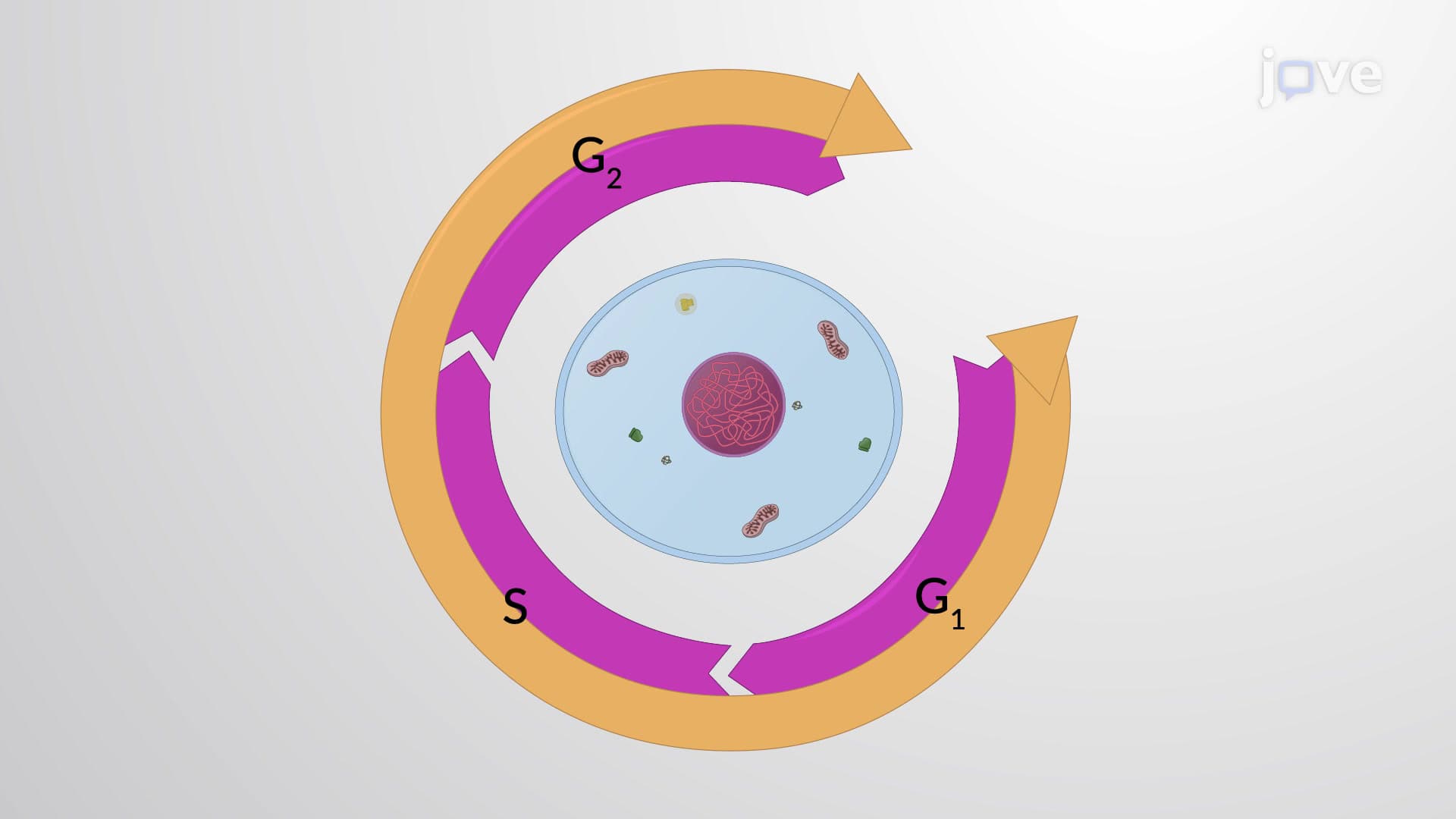
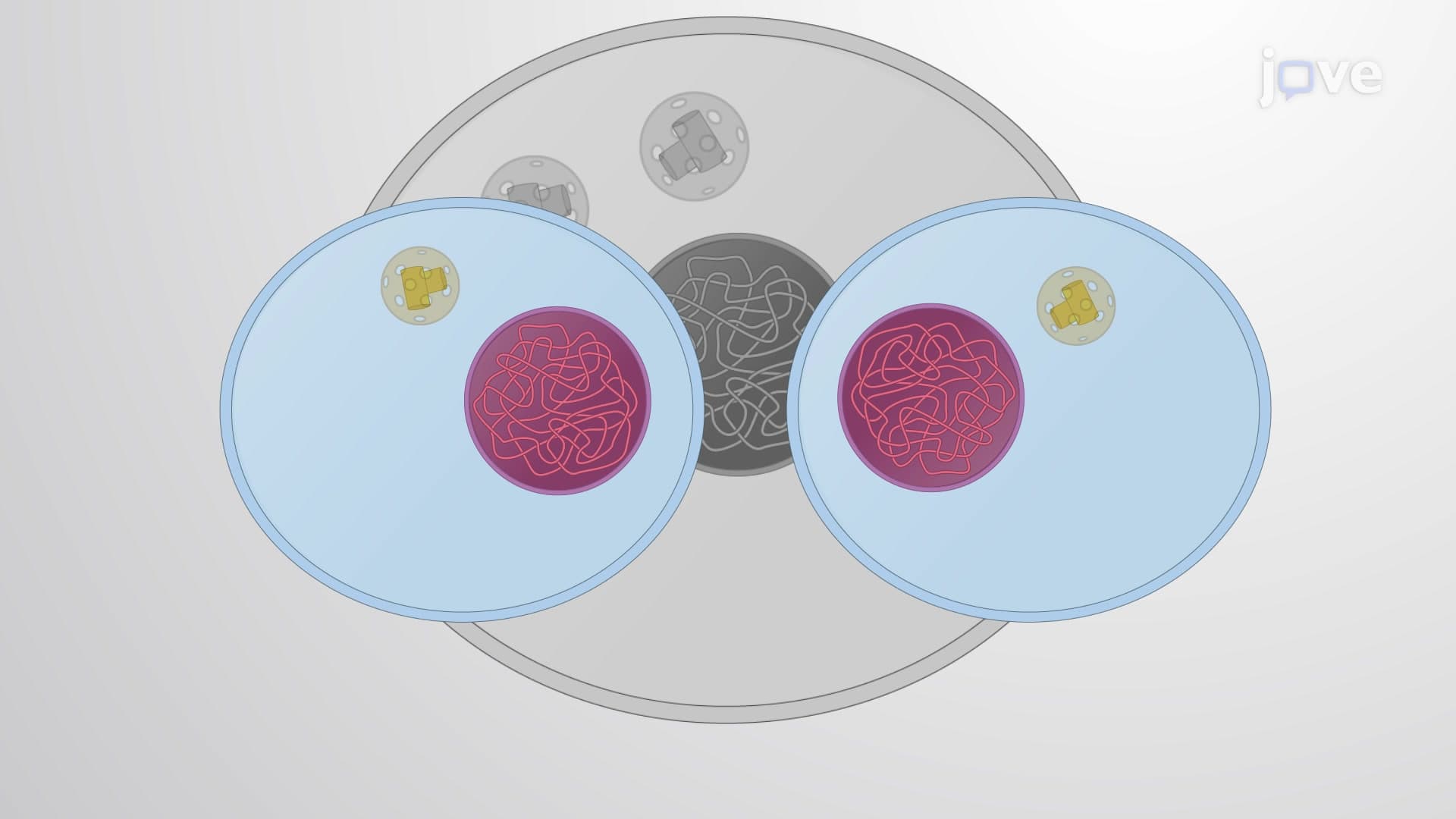
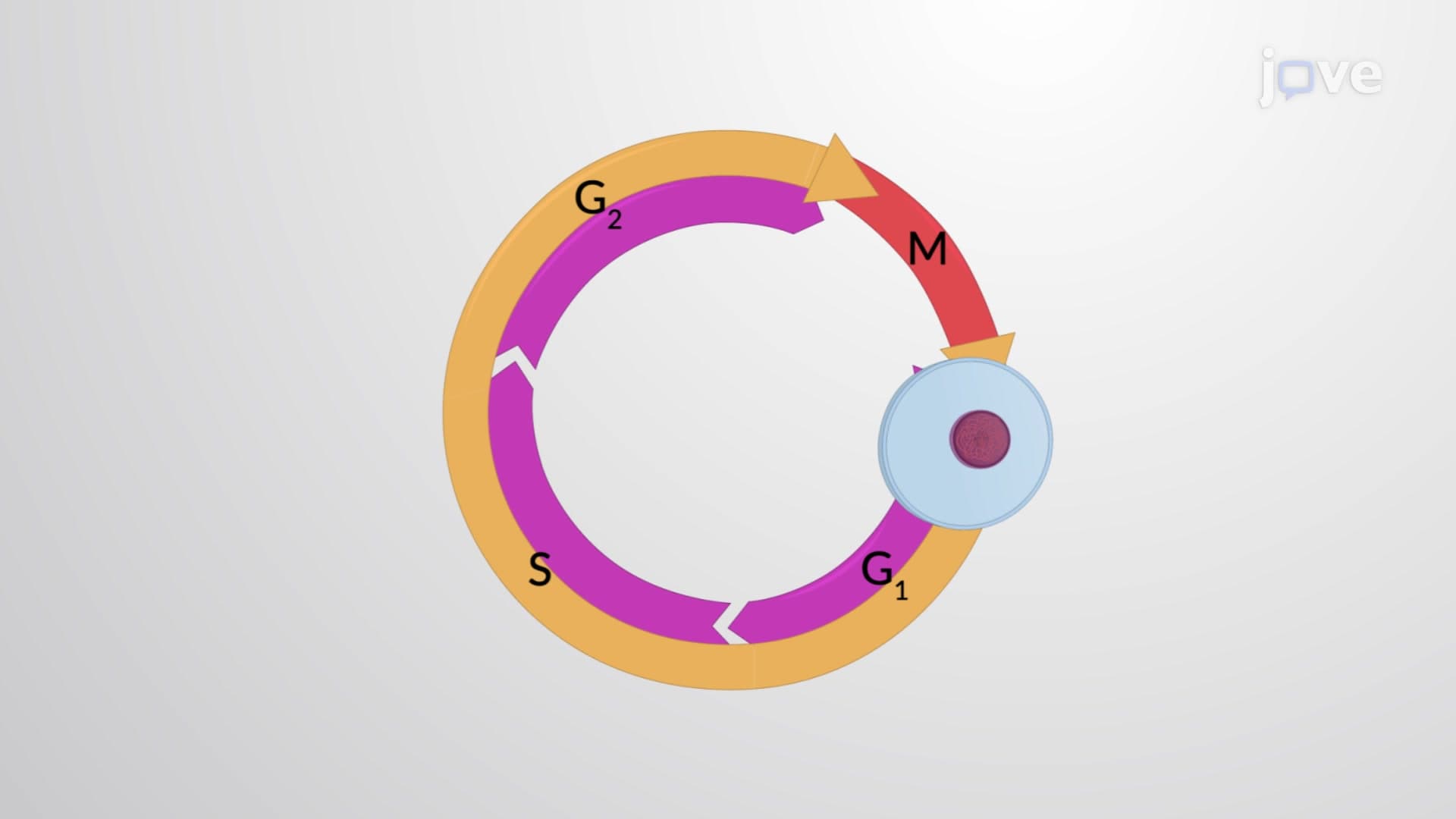
When students ask "what is the cell cycle in biology," the answer centers on four distinct phases. Interphase comprises three stages: G1 (Gap 1), where cells accumulate nutrients and grow in size; S phase (Synthesis), where DNA replication occurs; and G2 (Gap 2), where cells prepare for division by producing proteins necessary for chromosome condensation. The M phase (Mitosis) includes both nuclear division and cytokinesis, ultimately splitting one cell into two.
The G1 S G2 M phase progression follows strict molecular checkpoints. At the G1/S checkpoint, cells verify DNA integrity before replication begins. The G2/M checkpoint ensures complete DNA duplication before mitosis starts. These quality control mechanisms prevent the transmission of genetic errors that could lead to cancer.
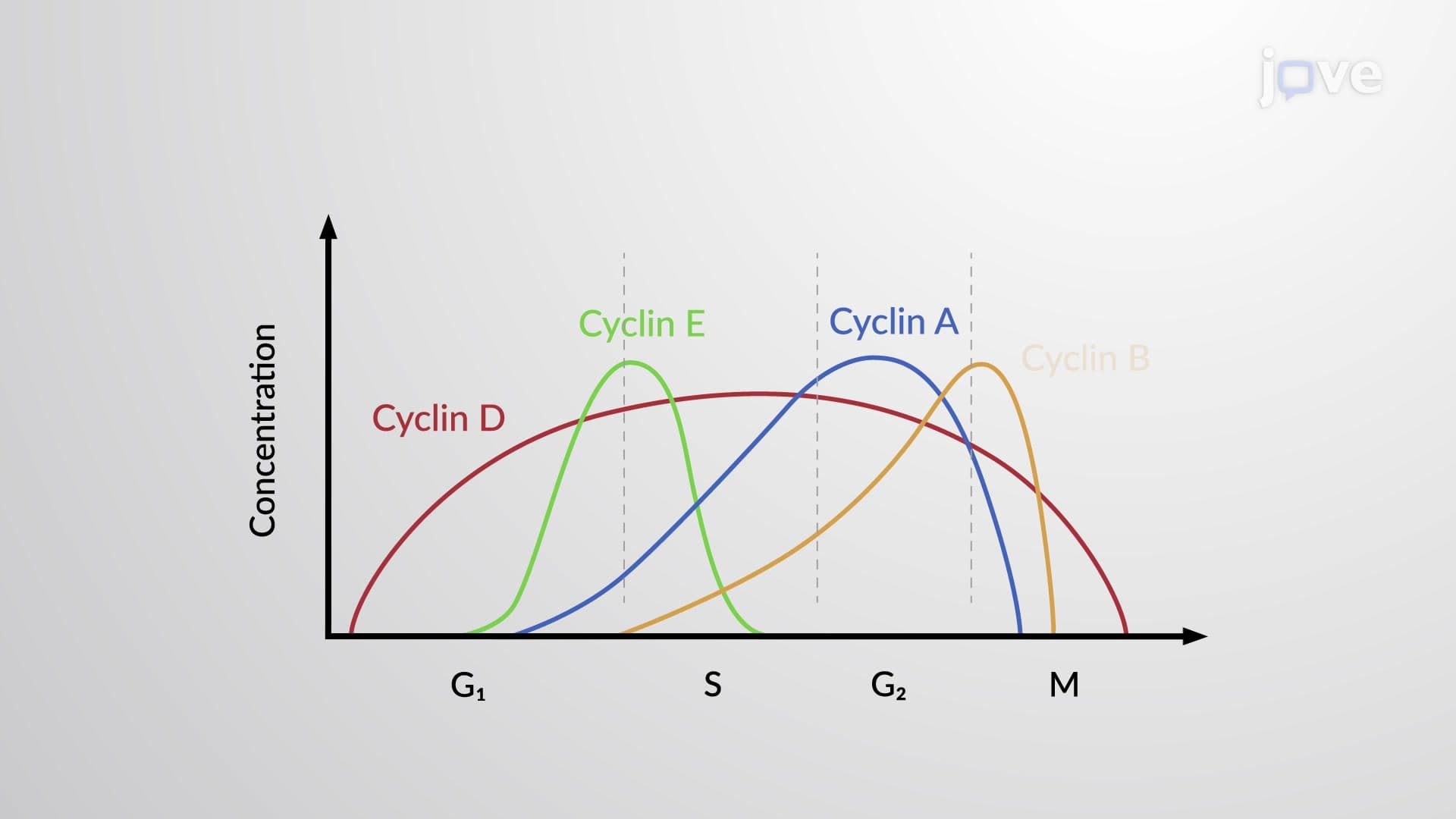
Cell cycle regulation involves complex interactions between cyclins and cyclin-dependent kinases (CDKs). Cyclins accumulate and degrade in predictable patterns, while CDKs remain constant but require cyclin binding for activation. This partnership controls progression through each phase, much like a molecular stoplight system.
Understanding the cell division cycle has revolutionized cancer treatment at institutions like MD Anderson Cancer Center and Johns Hopkins Hospital. Chemotherapy drugs often target rapidly dividing cancer cells by disrupting specific cell cycle phases. For example, taxanes prevent mitotic spindle formation during M phase, while antimetabolites interfere with DNA synthesis during S phase.
The interphase mitosis cycle concept frequently appears on standardized exams. MCAT questions often test understanding of checkpoint failures in cancer development, while AP Biology exams emphasize the relationship between cell cycle regulation and organism development. Students should focus on connecting molecular mechanisms to observable phenomena, such as how growth factors stimulate the G1/S transition or how DNA damage activates p53 tumor suppressor pathways.
Related Micro-courses