Loading video…


 16 Concepts
 49.6K views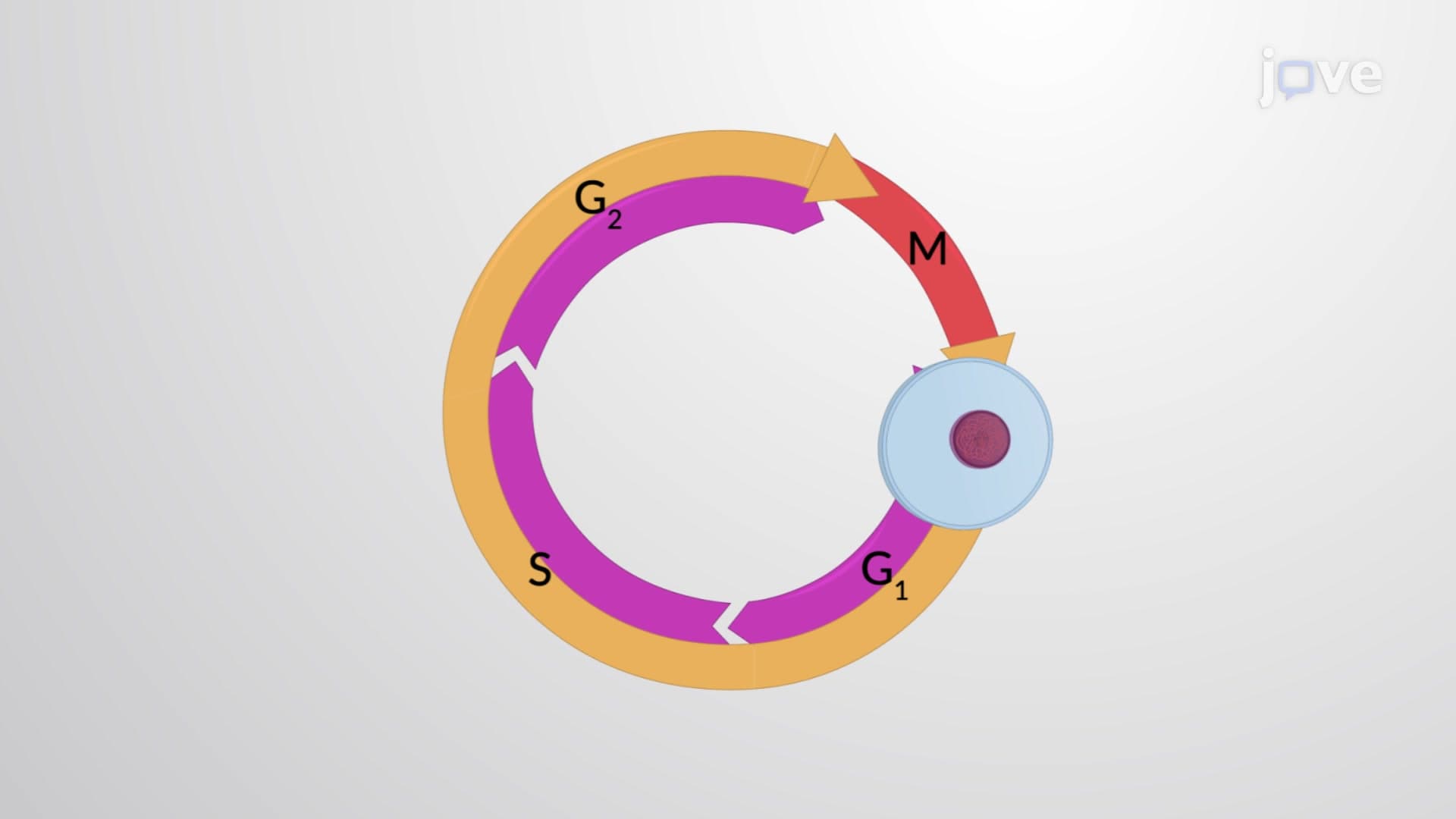

Video Summary: The Cell Cycle Control System Explained
Ever wonder why cancer cells divide uncontrollably while normal cells don't? The cell cycle control system acts like a biological quality inspector, using checkpoint proteins to prevent cellular chaos. For instance, when researchers at Johns Hopkins University study breast cancer mutations, they focus on how faulty checkpoint mechanisms allow tumor cells to bypass normal division controls. The Cell Cycle Control System Explained reveals how CDK-cyclin complexes coordinate precise timing and error-checking at critical junctions. Watch the full video on JoVE Coach to master this concept with expert-led visuals and step-by-step explanations.
The cell cycle control system operates as a sophisticated molecular machinery that ensures accurate cellular reproduction. Unlike a simple timer, this system responds dynamically to internal and external conditions, making critical go/no-go decisions at specific checkpoints. The regulatory network prevents premature progression while maintaining flexibility to pause division when conditions aren't optimal.
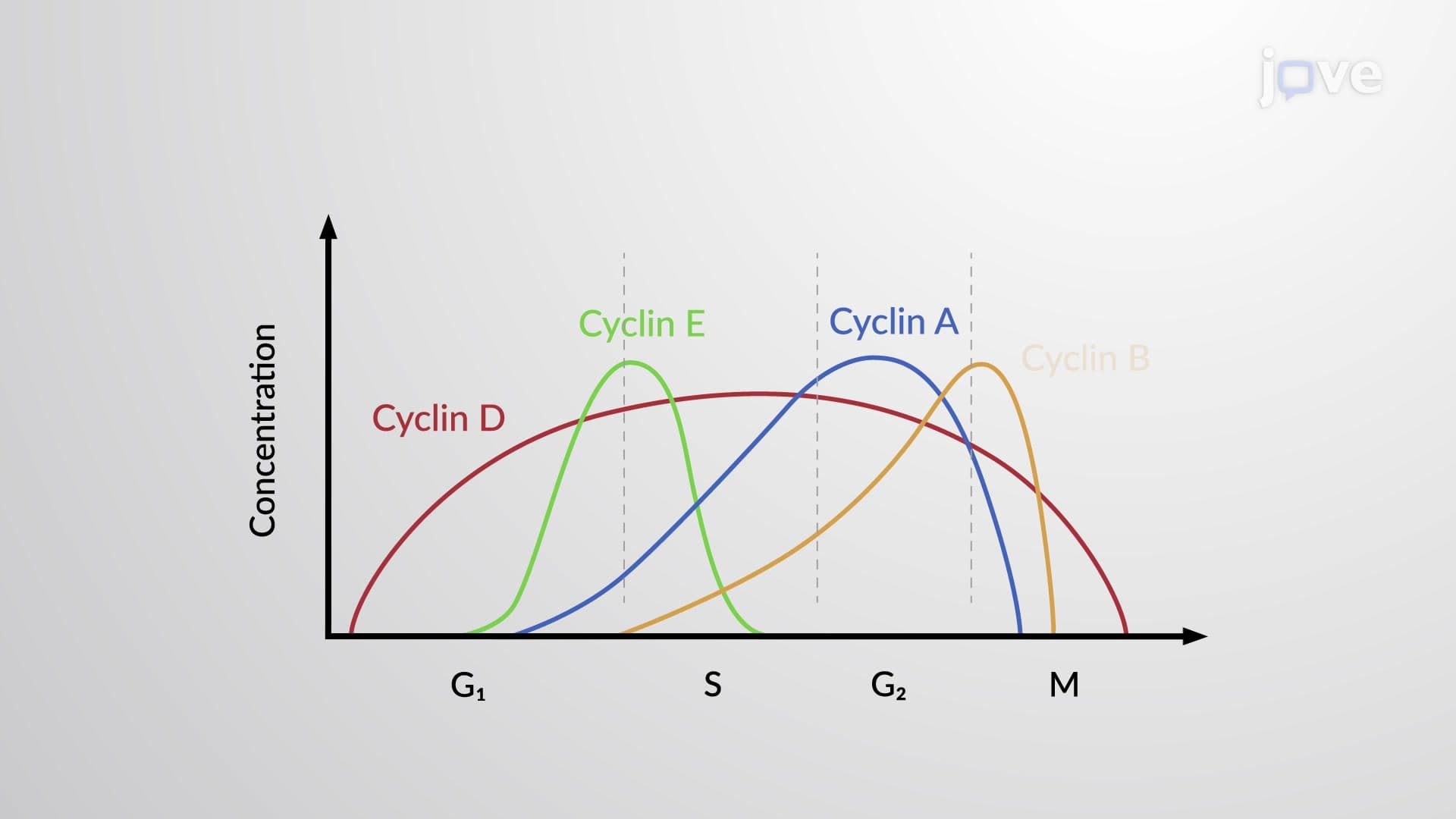
Three major checkpoints govern cell cycle progression. The G1/S checkpoint, often called the "restriction point," evaluates cell size, nutrient availability, and DNA integrity before committing to DNA replication. Cyclin E partners with CDK2 to drive S-phase entry, but only after checkpoint proteins give clearance. The G2/M checkpoint ensures DNA replication completed error-free before mitosis begins, while the spindle checkpoint prevents chromosome segregation until all kinetochores properly attach to spindle fibers.
CDK-cyclin complexes act as the engine driving these transitions. Different cyclin types accumulate and degrade cyclically, partnering with specific CDKs to phosphorylate target proteins. For example, cyclin D-CDK4/6 complexes initiate G1 progression by phosphorylating the retinoblastoma (Rb) protein, releasing E2F transcription factors needed for S-phase genes.
Checkpoint dysfunction underlies many cancers. The p53 tumor suppressor, nicknamed "guardian of the genome," monitors DNA damage at the G1/S checkpoint. When p53 mutations disable this surveillance, cells with damaged DNA proceed to replicate, accumulating oncogenic mutations. Approximately 50% of human cancers carry p53 mutations, highlighting this protein's critical role.
Modern cancer therapies exploit checkpoint dependencies. CDK4/6 inhibitors like palbociclib (FDA-approved for breast cancer) specifically target cyclin D-CDK4/6 complexes, forcing cancer cells into G1 arrest. These targeted approaches represent precision medicine's application of basic cell cycle knowledge.
Cell cycle control appears prominently on standardized exams. AP Biology emphasizes checkpoint molecular mechanisms, while MCAT questions often integrate cell cycle regulation with cancer biology. College genetics courses explore checkpoint mutations in model organisms like yeast, where CDK research originated. Understanding checkpoint logic-not just memorizing protein names-proves essential for advanced study in molecular biology, oncology, and biotechnology careers.
Related Micro-courses