Loading video…


 16 Concepts
 49.6K views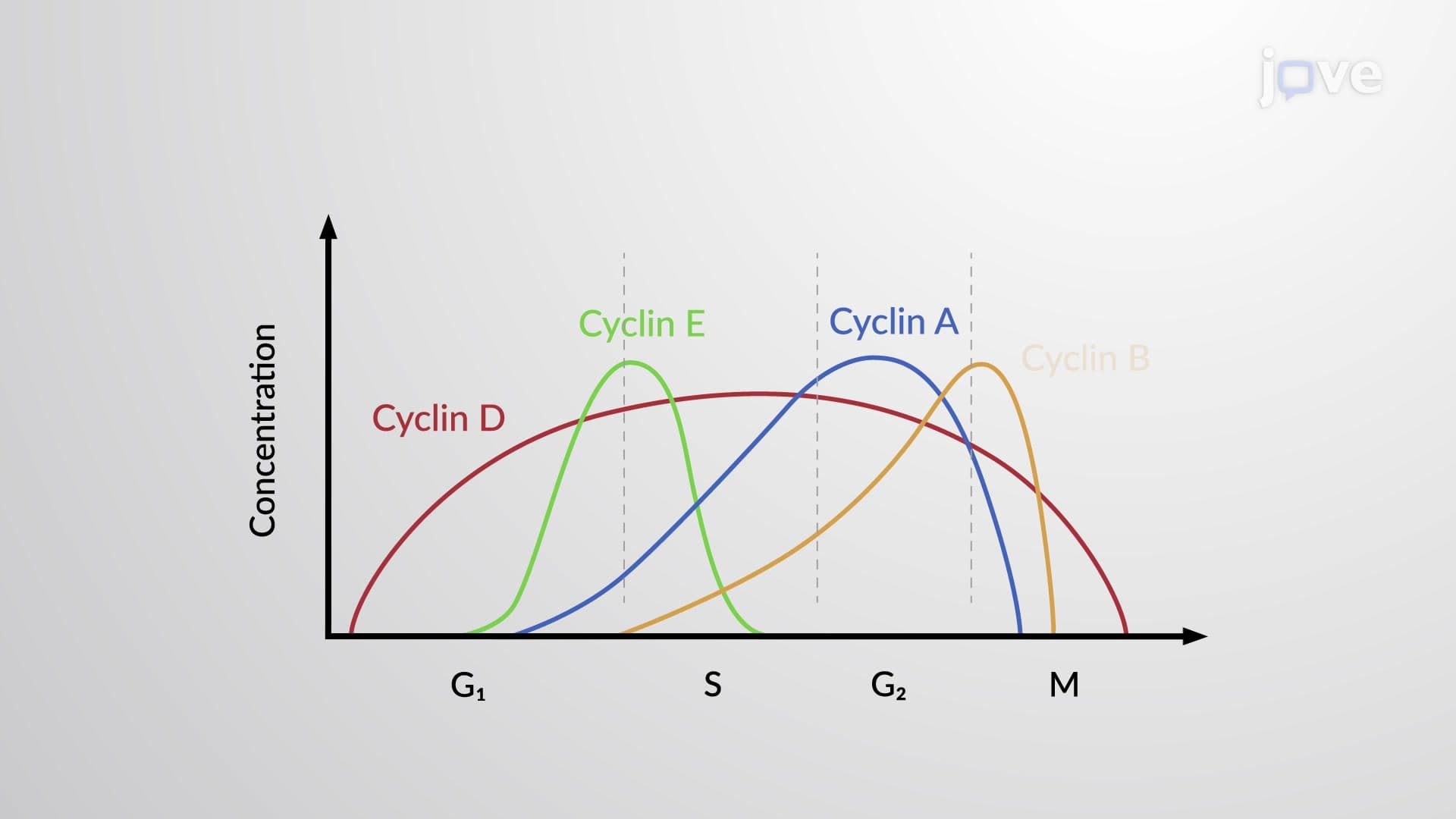

Video Summary: Molecular Factors Affecting Cell Division Explained
Ever wonder why cancer cells divide uncontrollably while normal skin cells replace themselves in perfect 28-day cycles? The molecular factors cell division depends on act like a sophisticated control system, with proteins called cyclins and cyclin-dependent kinases orchestrating when cells divide. The FDA's rigorous testing of cancer drugs specifically targets these cellular checkpoints to prevent tumor growth. Watch the full video on JoVE Coach to master this concept with expert-led visuals and step-by-step explanations.
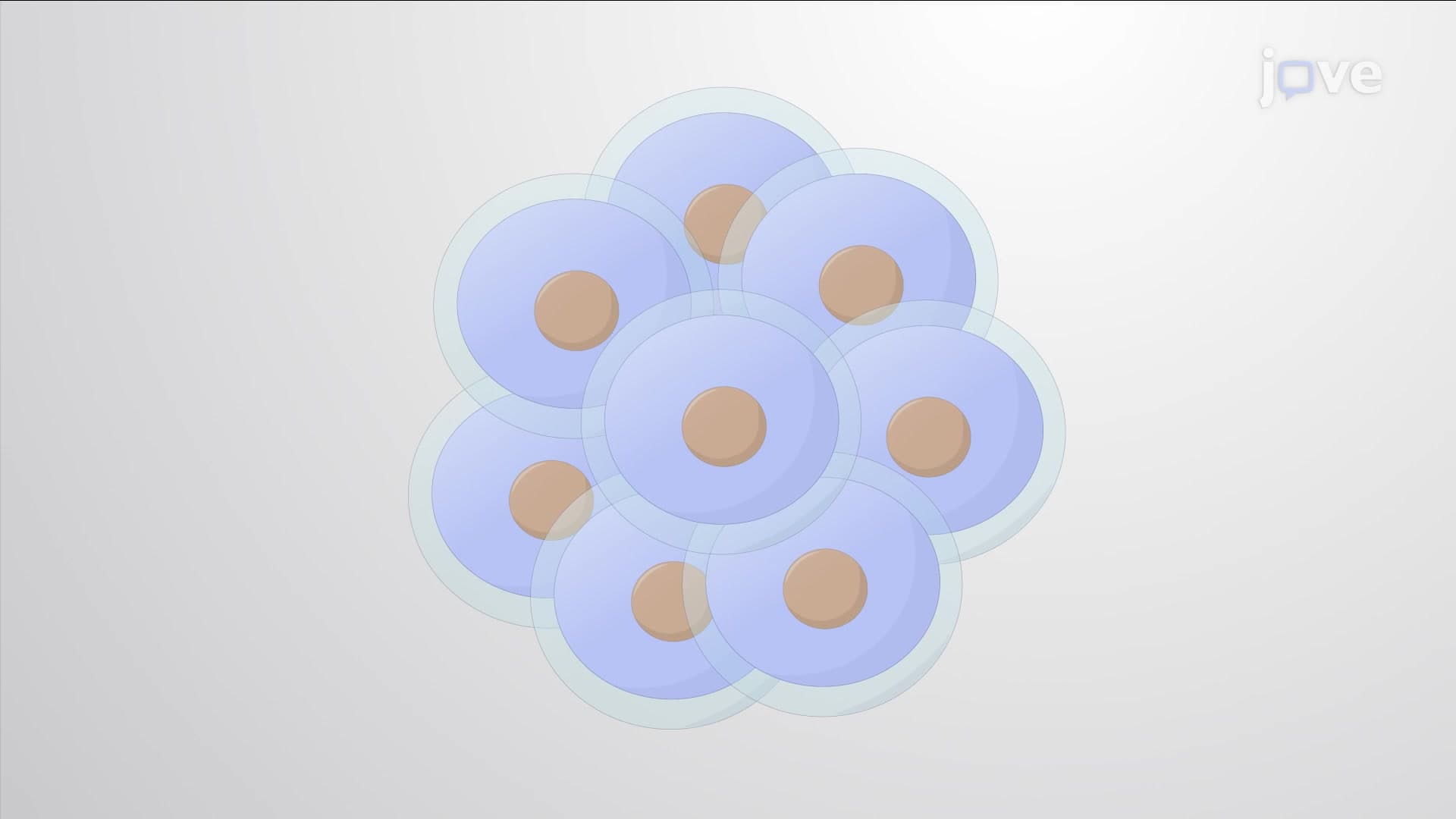
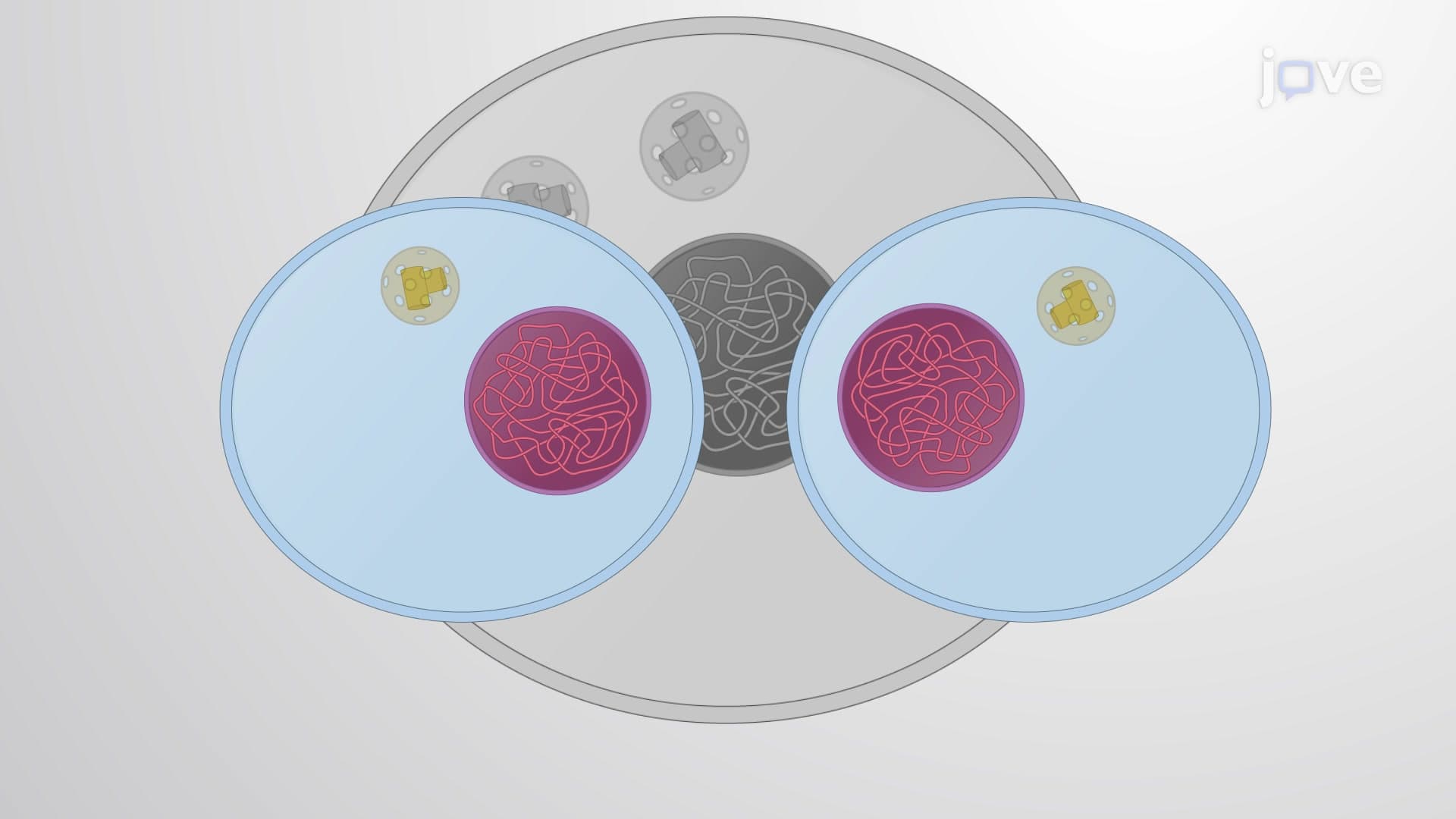
Cell division represents one of biology's most tightly regulated processes, controlled by an intricate network of molecular signals that determine when, where, and how often cells reproduce. These regulatory mechanisms ensure that organisms maintain proper tissue function while preventing uncontrolled growth that characterizes diseases like cancer.
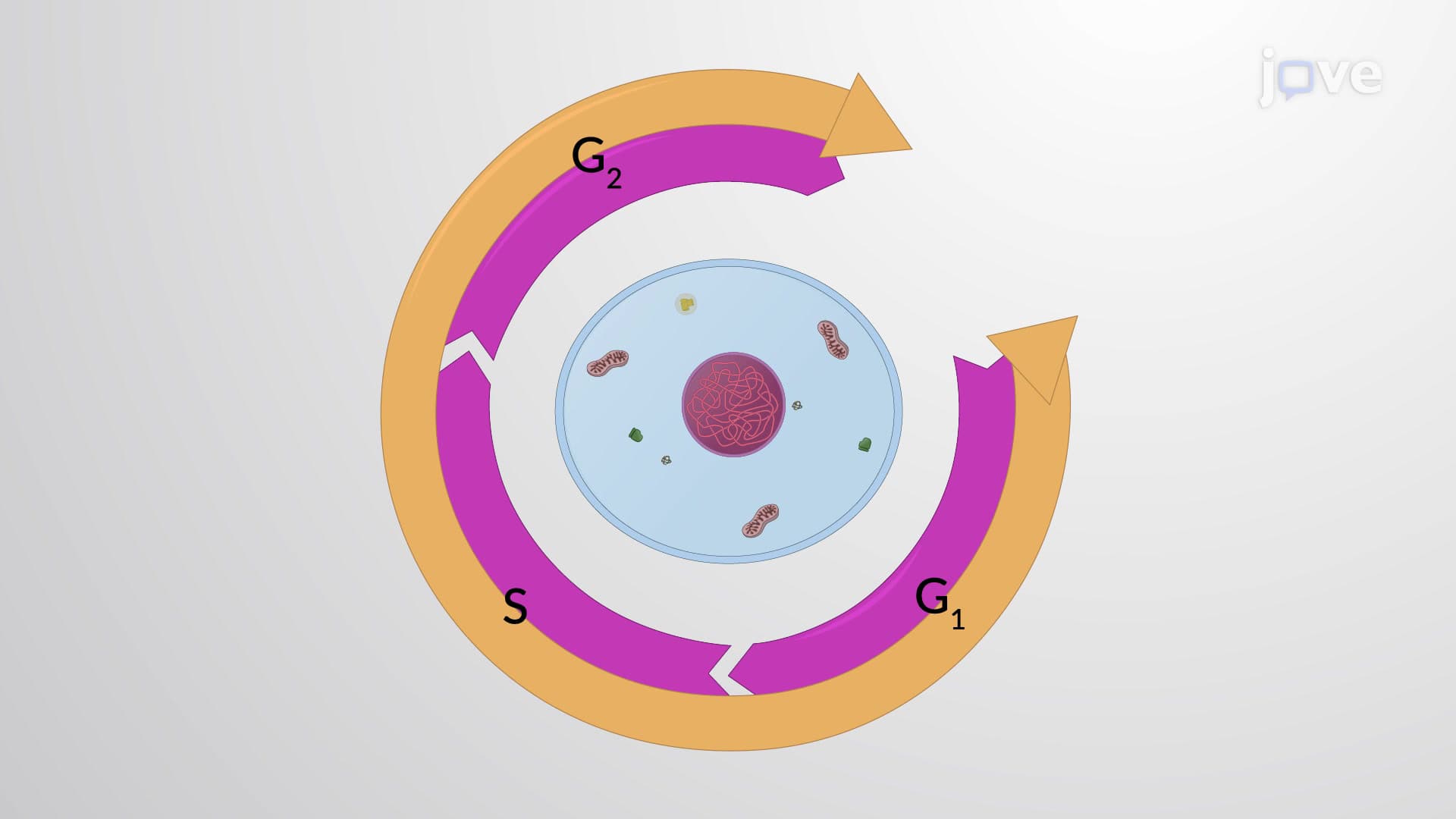
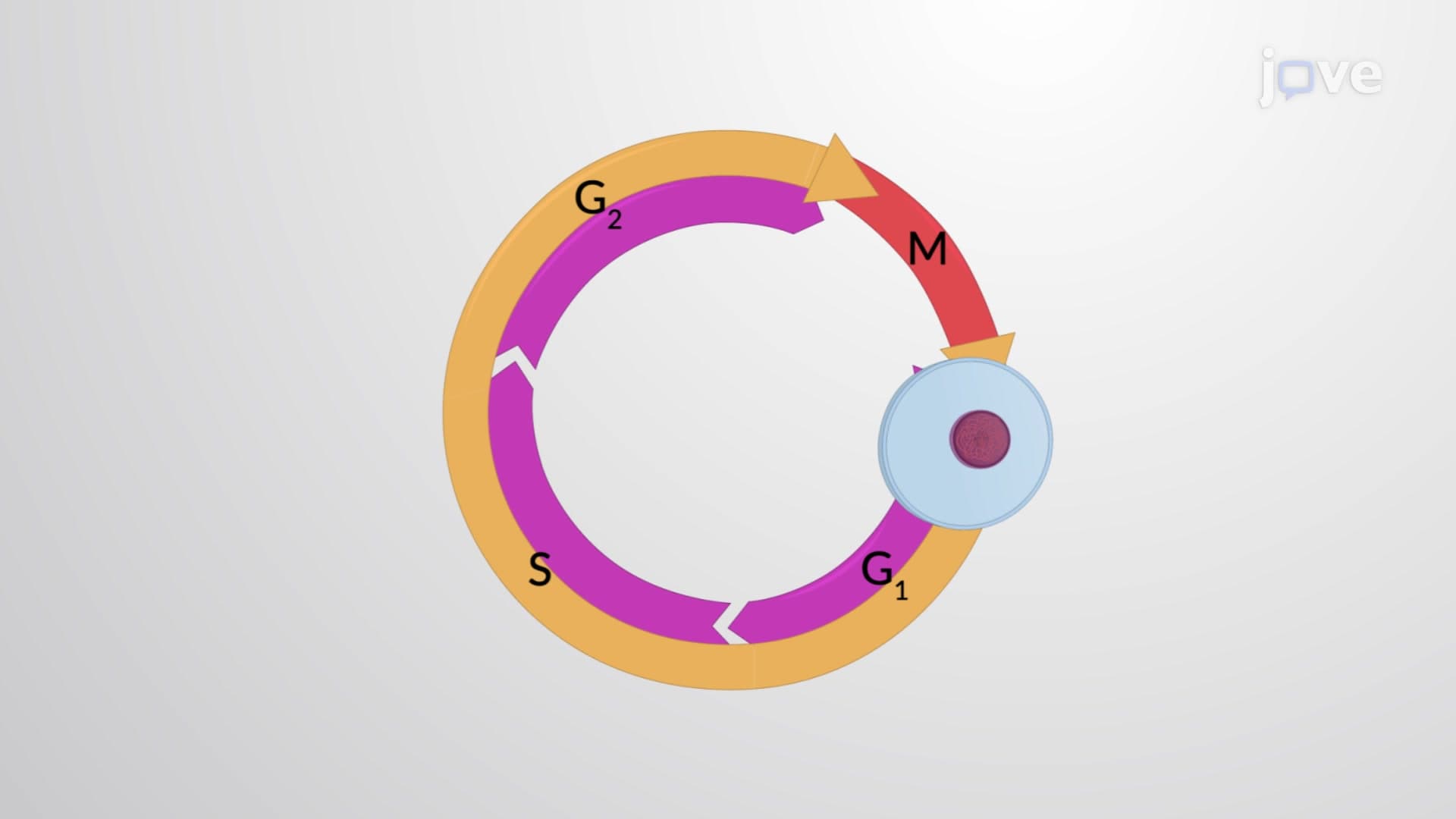
At the heart of molecules controlling cell division lies the cyclin-cyclin dependent kinase (CDK) system. Think of this partnership like a lock-and-key mechanism where cyclins serve as the keys that activate specific CDK locks at precise cell cycle phases. During normal cell division, cyclin B accumulates as cells approach the G2/M transition, eventually reaching concentrations high enough to bind Cdk1 and form the critical M-phase promoting factor (MPF).
This system operates with remarkable precision in human tissues. For example, intestinal epithelial cells in the small intestine replace themselves every 3-5 days using this exact molecular machinery, while neurons rarely divide once mature-demonstrating how the same basic system adapts to different tissue requirements.
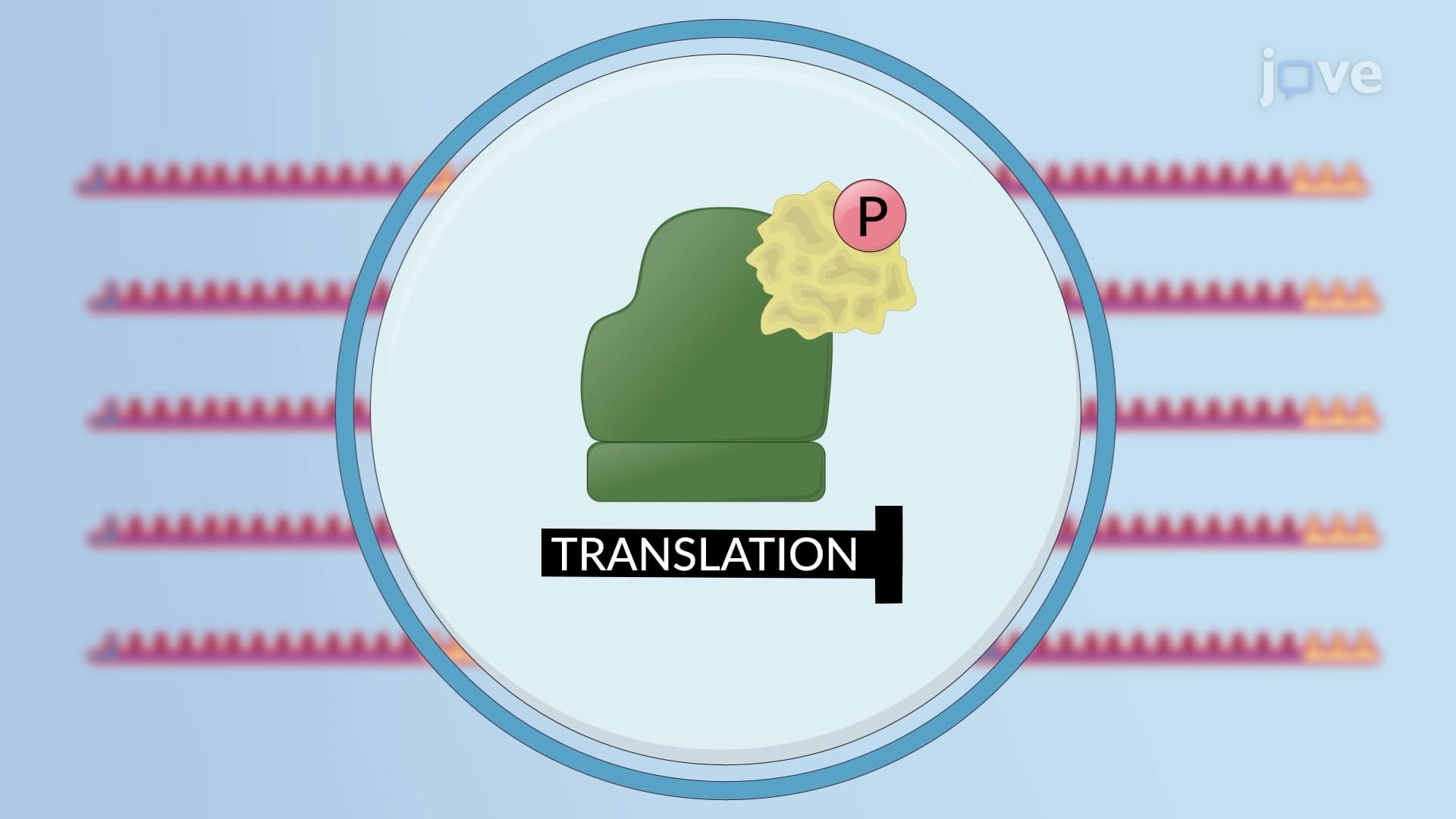
What molecular factors regulate cell division timing involves sophisticated checkpoint mechanisms that prevent premature entry into mitosis. Wee1 kinase acts as a molecular brake, phosphorylating tyrosine residues on MPF to keep it inactive until conditions are optimal for division. Conversely, Cdc25 phosphatase removes these inhibitory phosphate groups when DNA replication is complete and cellular conditions favor division.
This checkpoint system proves critical in cancer research and treatment. Many chemotherapy drugs, including those developed at institutions like MD Anderson Cancer Center, specifically target these regulatory pathways to prevent cancer cell division while sparing normal cells.
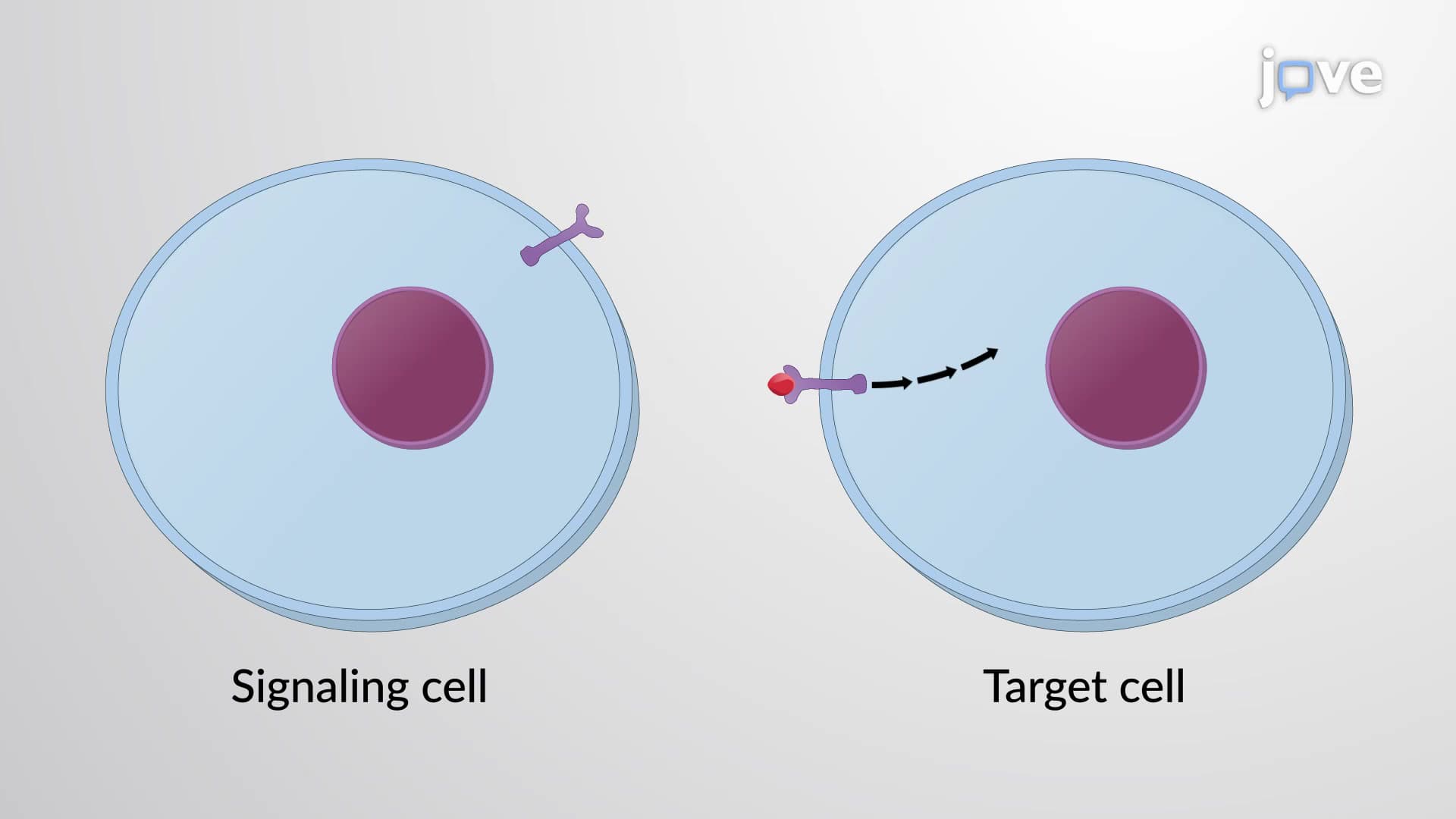
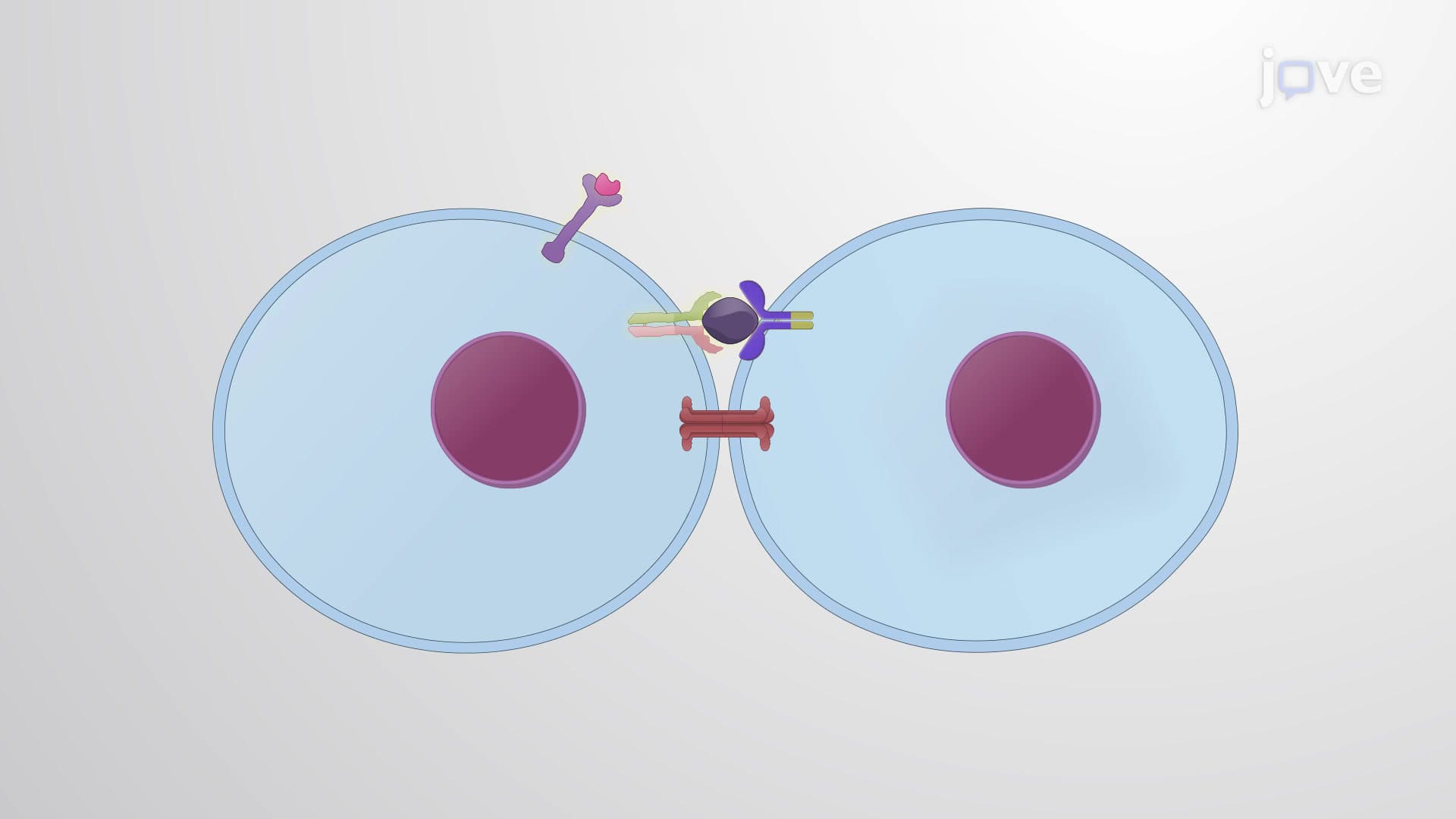
Beyond internal timekeepers, growth factor signaling division pathways integrate external cues that inform cells about their environment. Mitogen cell proliferation signals tell cells when tissue repair or growth is needed, while apoptosis regulation ensures that damaged or unnecessary cells are eliminated rather than allowed to divide inappropriately.
Students preparing for AP Biology exams should understand that these concepts frequently appear in free-response questions about cell cycle regulation and cancer biology, making thorough comprehension essential for academic success.
Related Micro-courses