Loading video…


 16 Concepts
 49.6K views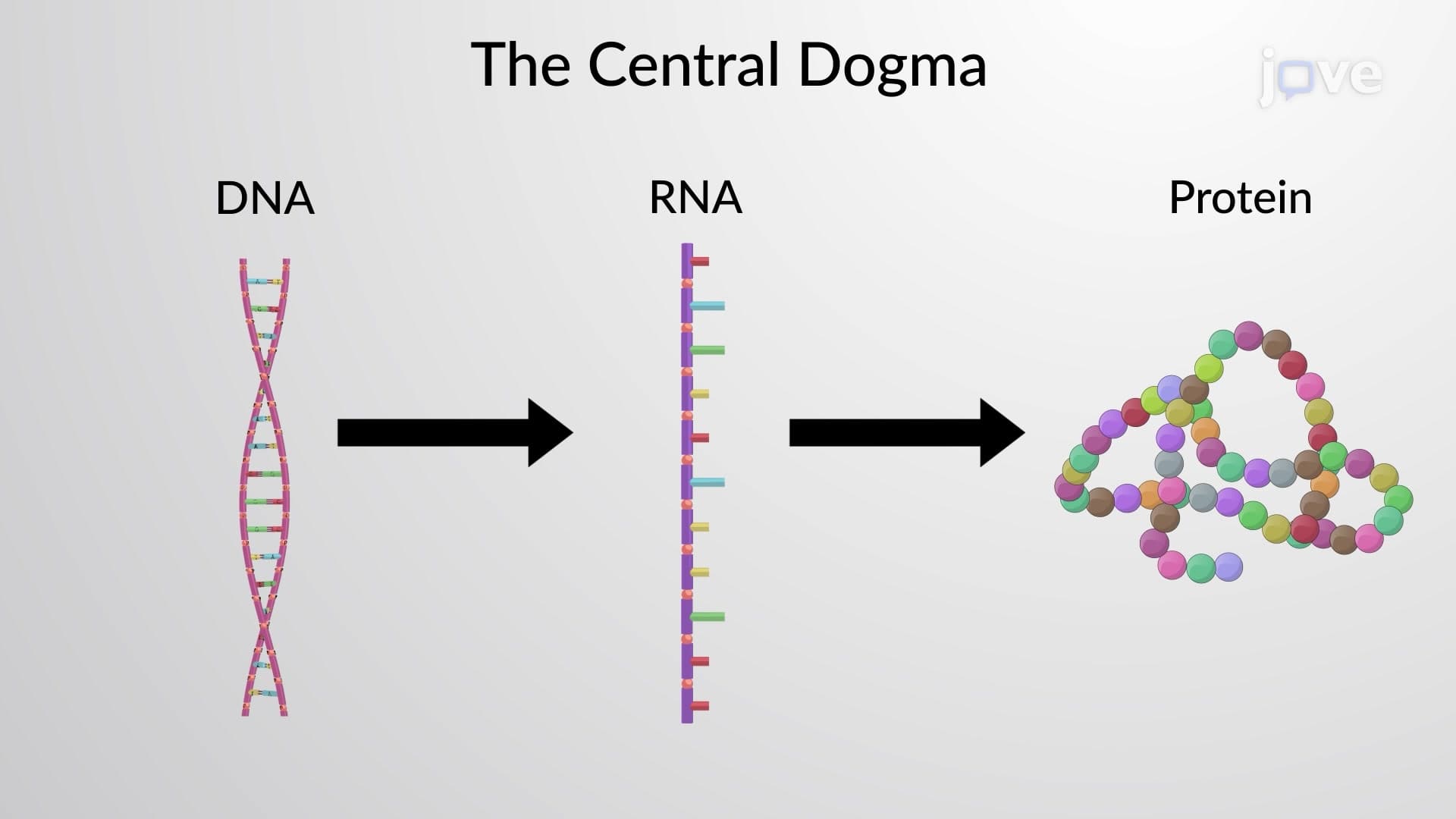

Video Summary: What Is the Central Dogma
Ever wonder how your body knows to make insulin when blood sugar rises? The central dogma biology explained reveals this molecular mystery through the DNA → RNA → protein pathway that governs all cellular functions. Francis Crick's groundbreaking framework shows how genetic instructions stored in your chromosomes become the working proteins that keep you alive, from the hemoglobin carrying oxygen in your bloodstream to the enzymes digesting your breakfast. Watch the full video on JoVE Coach to master this concept with expert-led visuals and step-by-step explanations.
The central dogma molecular biology represents one of the most fundamental principles governing life on Earth. Proposed by Francis Crick in 1958, this concept describes the sequential flow of genetic information: DNA stores hereditary instructions, RNA serves as the messenger, and proteins execute cellular functions. This unidirectional pathway forms the theoretical backbone for understanding everything from basic cellular metabolism to advanced genetic engineering techniques used in modern biotechnology.
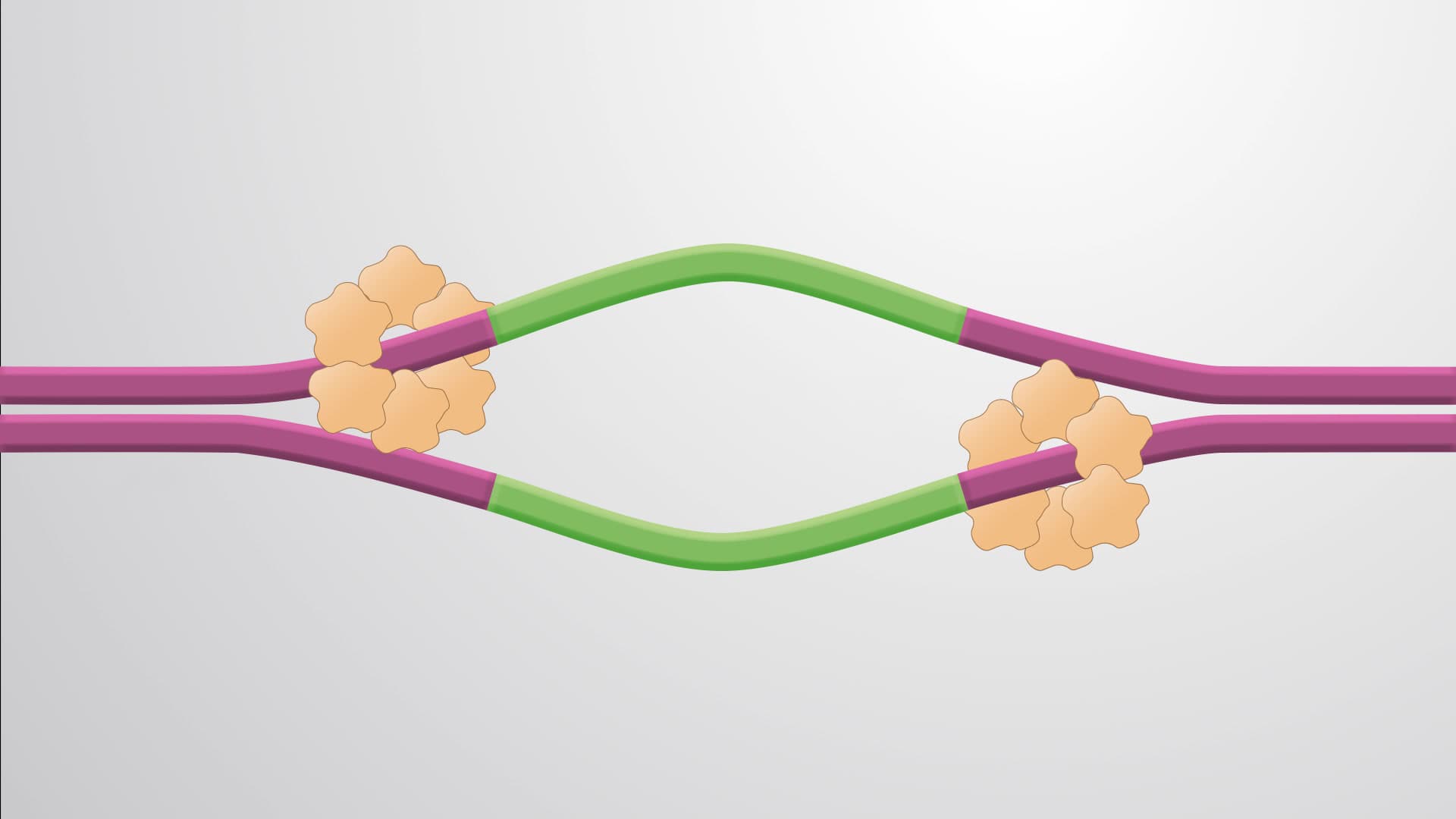
Transcription transforms the stable DNA blueprint into mobile RNA copies. Within the cell nucleus, RNA polymerase enzymes unwind specific DNA segments and synthesize complementary messenger RNA (mRNA) strands. This process is highly regulated-transcription factors and enhancer sequences determine which genes are activated in response to cellular signals. For students preparing for the MCAT or AP Biology exams, understanding transcription regulation is crucial, as questions frequently test knowledge of how environmental factors influence gene expression patterns.
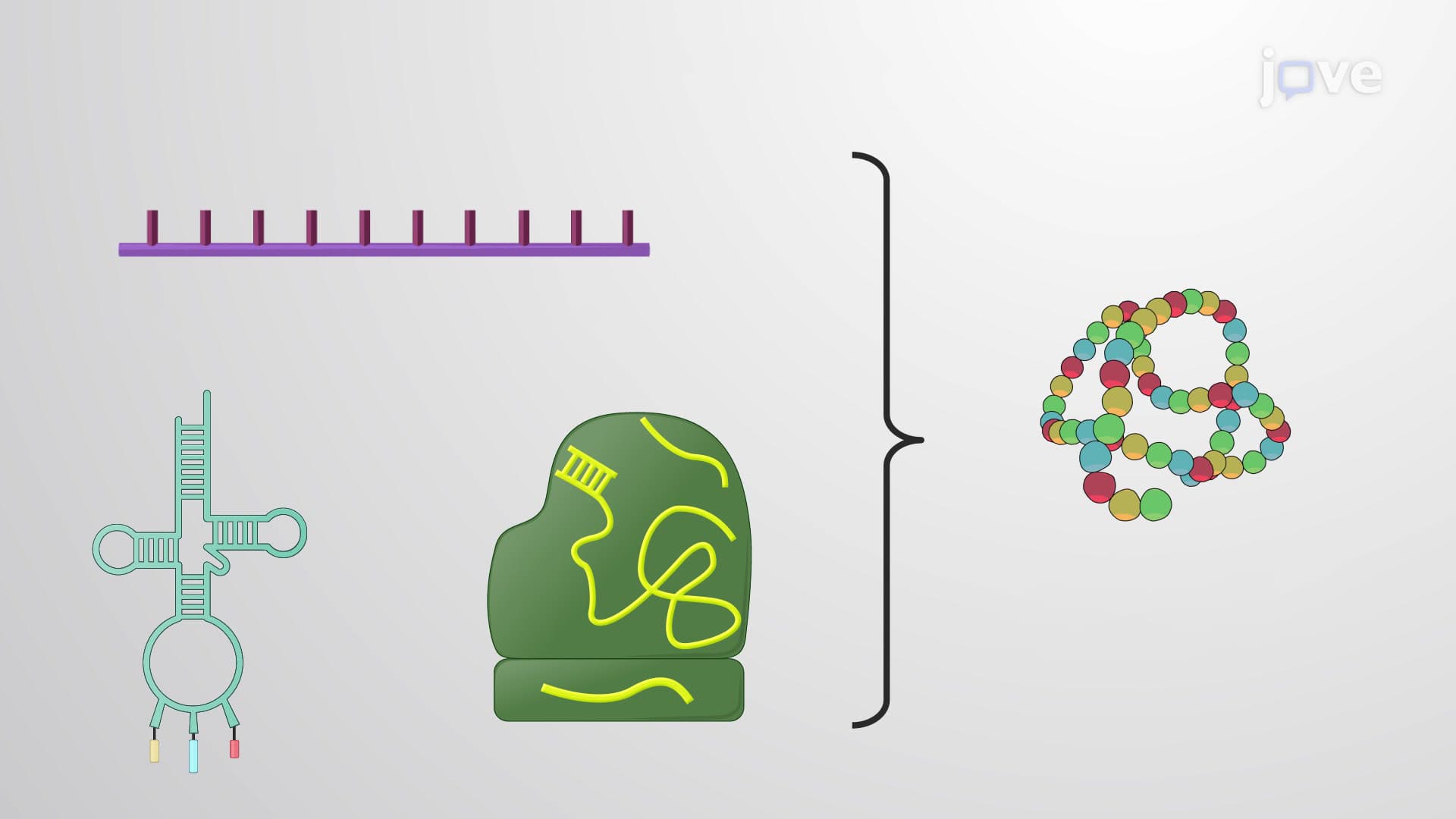
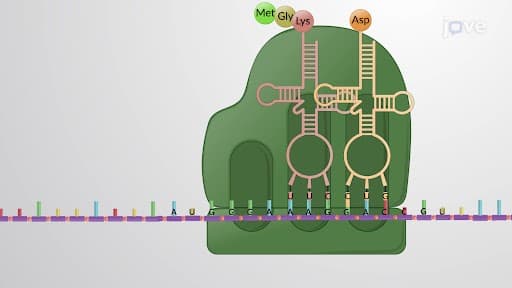
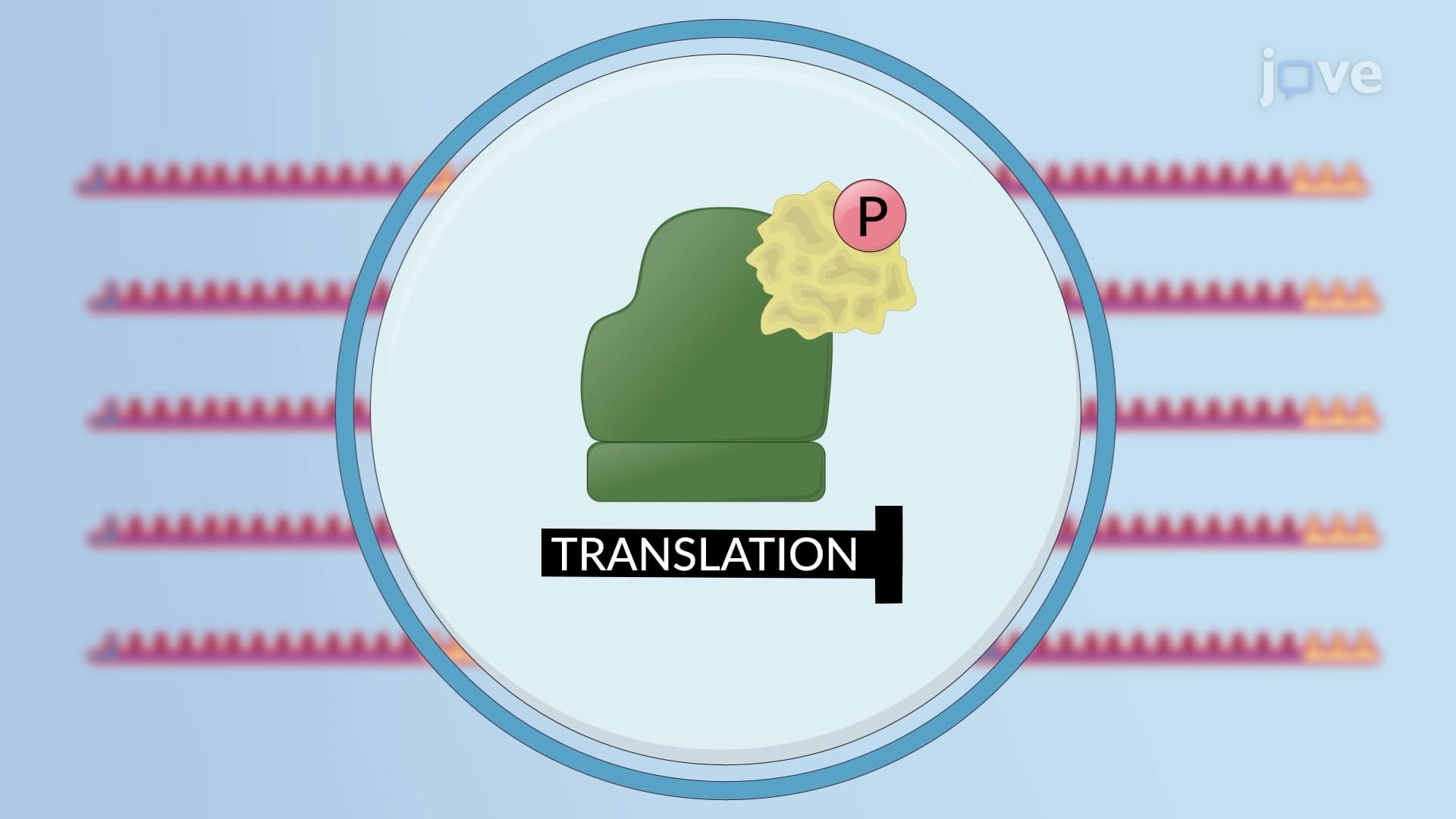
Translation occurs at ribosomes, where the genetic information flow culminates in protein synthesis. Transfer RNA (tRNA) molecules carry specific amino acids, while ribosomal RNA (rRNA) facilitates peptide bond formation. The genetic code-consisting of 64 possible three-nucleotide combinations-determines which amino acids are incorporated into growing protein chains. This degeneracy of the genetic code provides evolutionary protection against harmful mutations, a concept frequently explored in college-level genetics courses and standardized exams.
Understanding what is the central dogma of molecular biology has revolutionized American healthcare and biotechnology industries. Pharmaceutical companies like Pfizer and Moderna utilized central dogma principles to develop mRNA vaccines against COVID-19, demonstrating how genetic information can be harnessed for therapeutic purposes. Gene therapy treatments for conditions like sickle cell disease rely on correcting disrupted central dogma pathways. Students studying for healthcare entrance exams should recognize how mutations affecting transcription or translation can cause inherited disorders, making this knowledge essential for future medical professionals.
Related Micro-courses