Loading video…


 16 Concepts
 49.6K views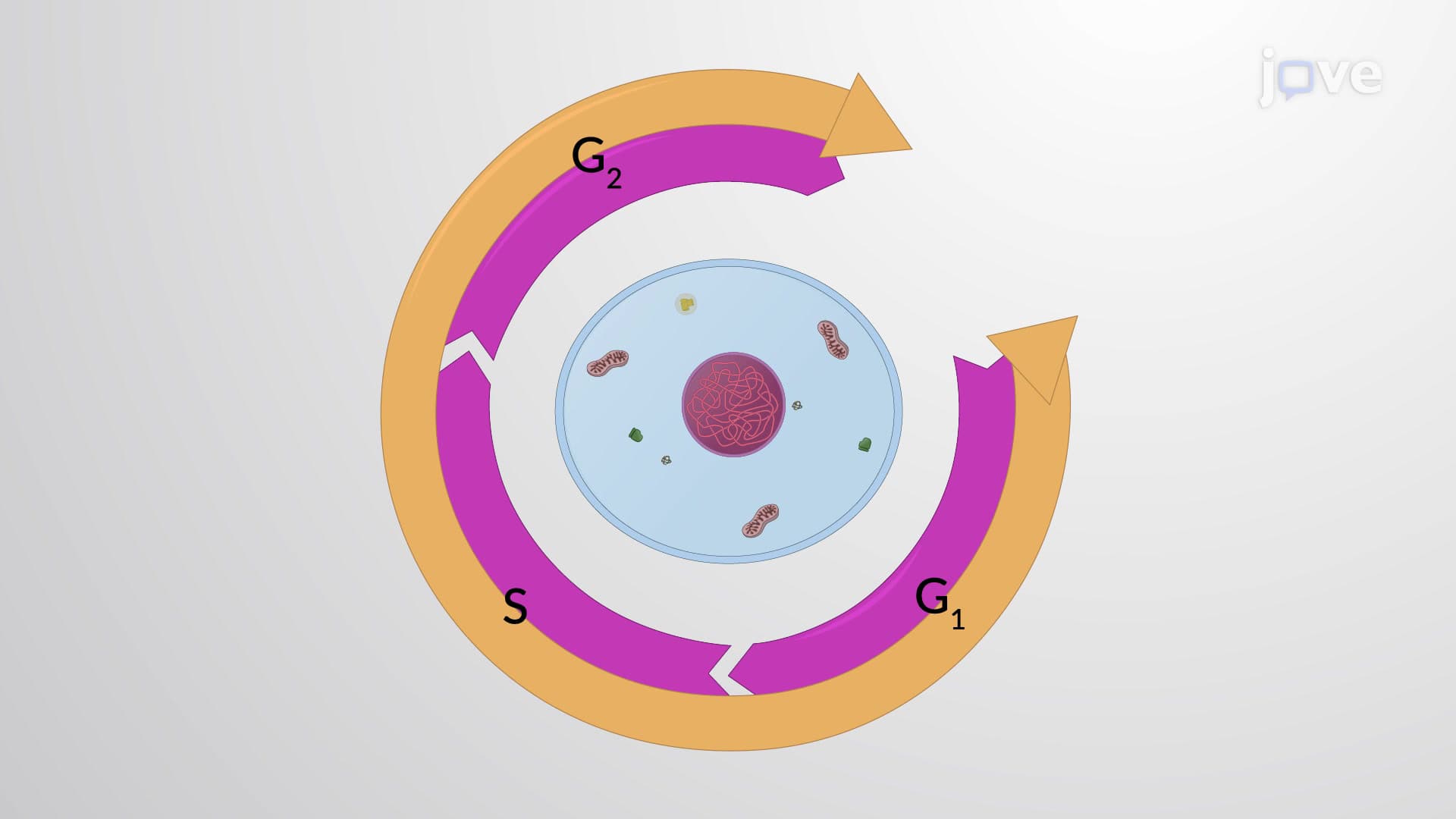

Video Summary: What Is Interphase
Did you know that your cells spend about 90% of their lives preparing for just one event-division? Interphase explained biology reveals this critical preparation period where cells grow, replicate DNA, and ensure everything is perfect before mitosis begins. Consider how skin cells constantly replace themselves after a cut heals-this remarkable process depends entirely on what is interphase and its three distinct phases working flawlessly. During this longest phase of the cell cycle, cells undergo intense metabolic activity, doubling their genetic material and organelles while monitoring for any potential problems that could lead to cancer or cell death. Watch the full video on JoVE Coach to master this concept with expert-led visuals and step-by-step explanations.
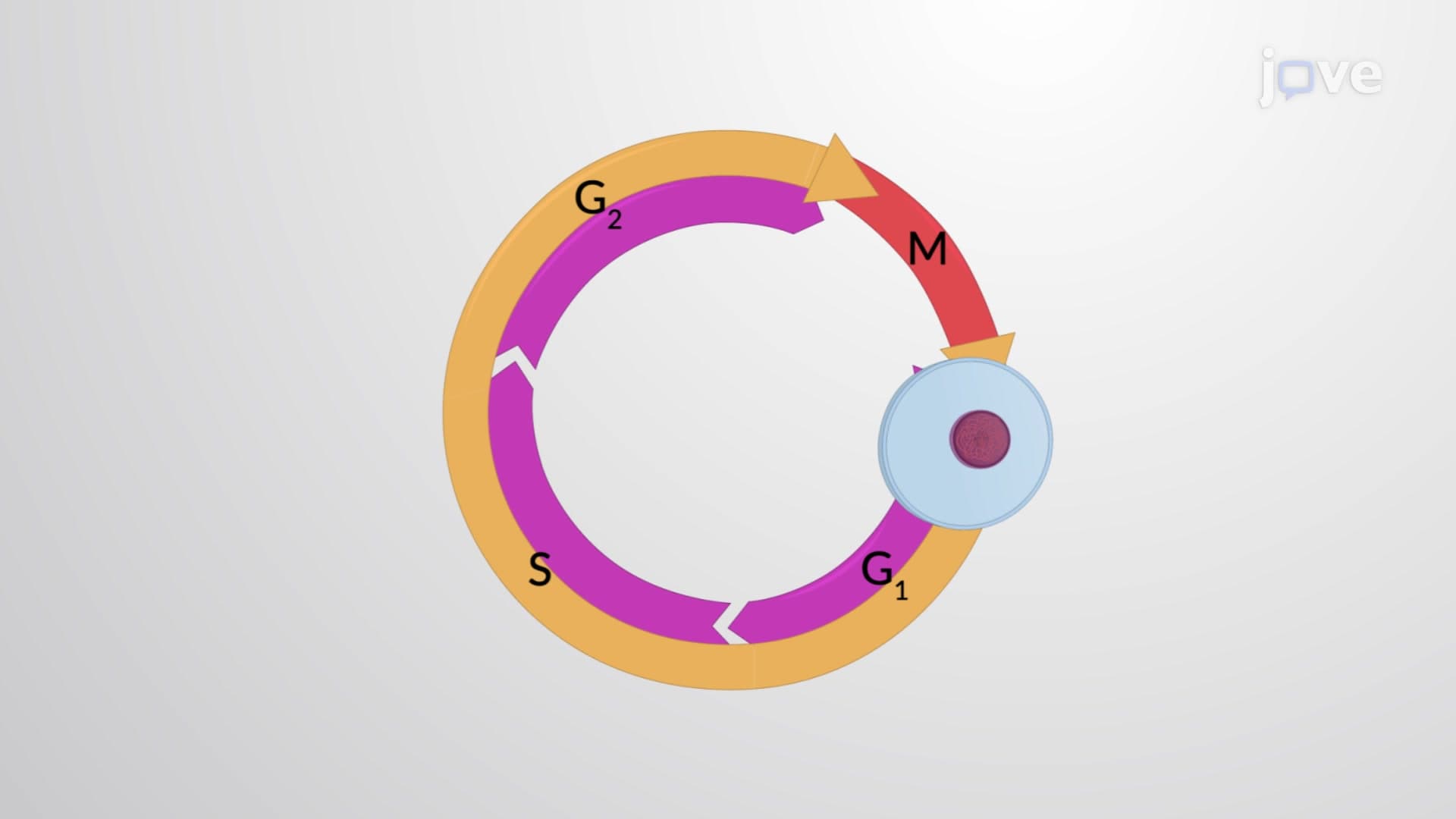
Interphase represents the most extensive period in a cell's life cycle, during which cells engage in critical preparation activities before attempting division. Unlike the dramatic chromosome movements visible during mitosis, interphase appears deceptively quiet under a microscope, yet it involves the most intense metabolic activity a cell experiences. This phase accounts for approximately 90% of the total cell cycle time, making it fundamentally important for maintaining healthy tissue function throughout the human body.
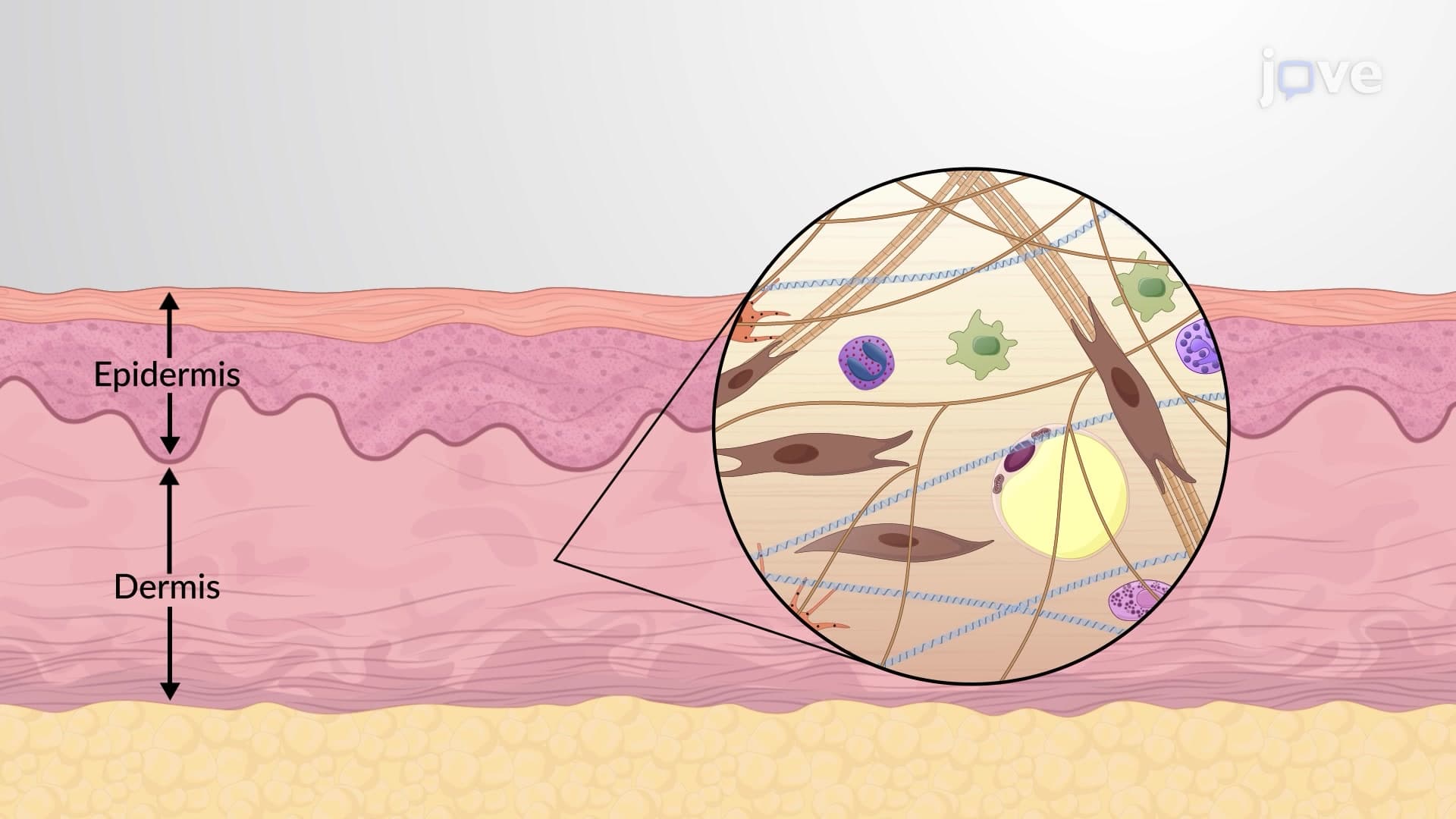
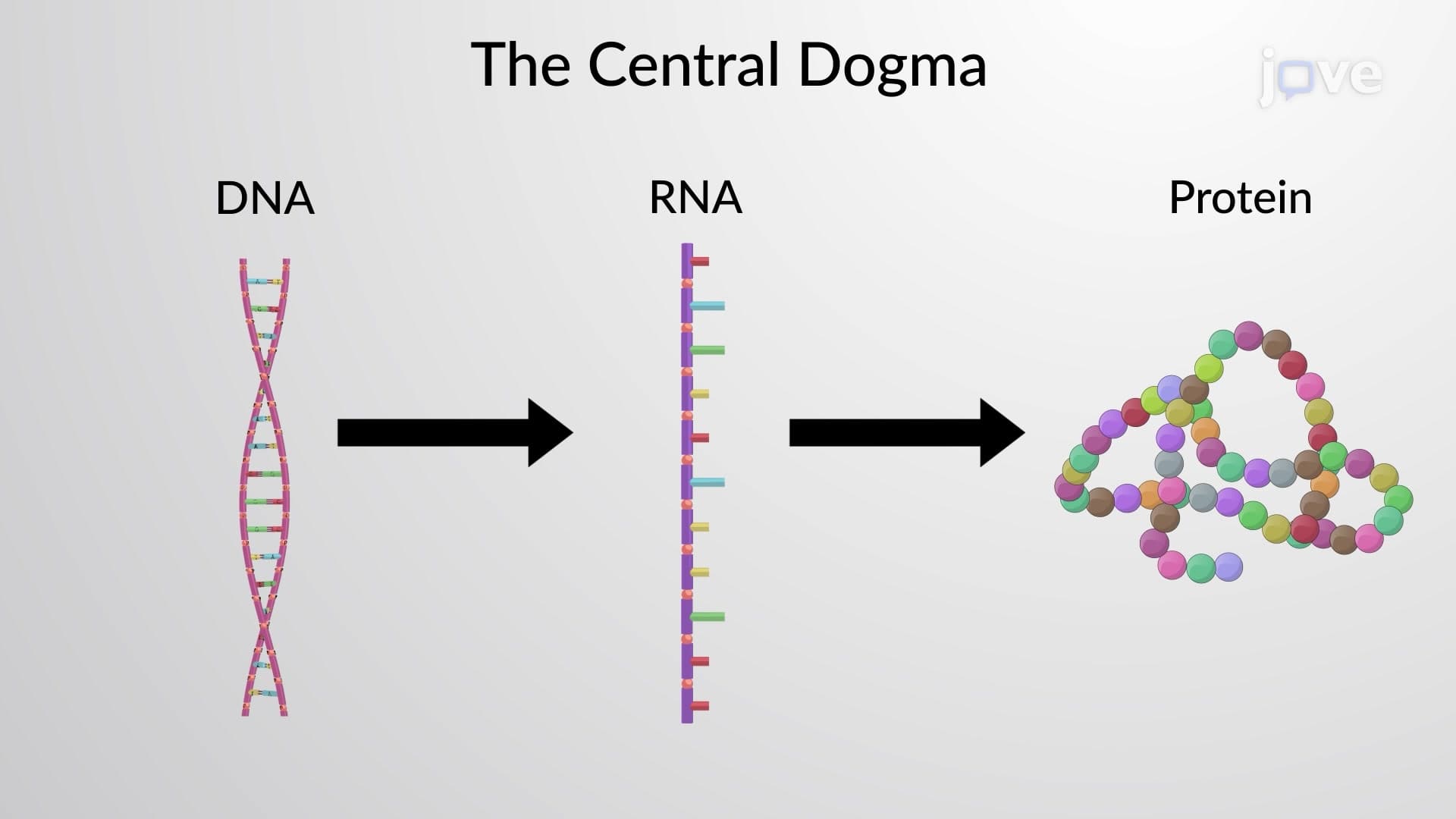
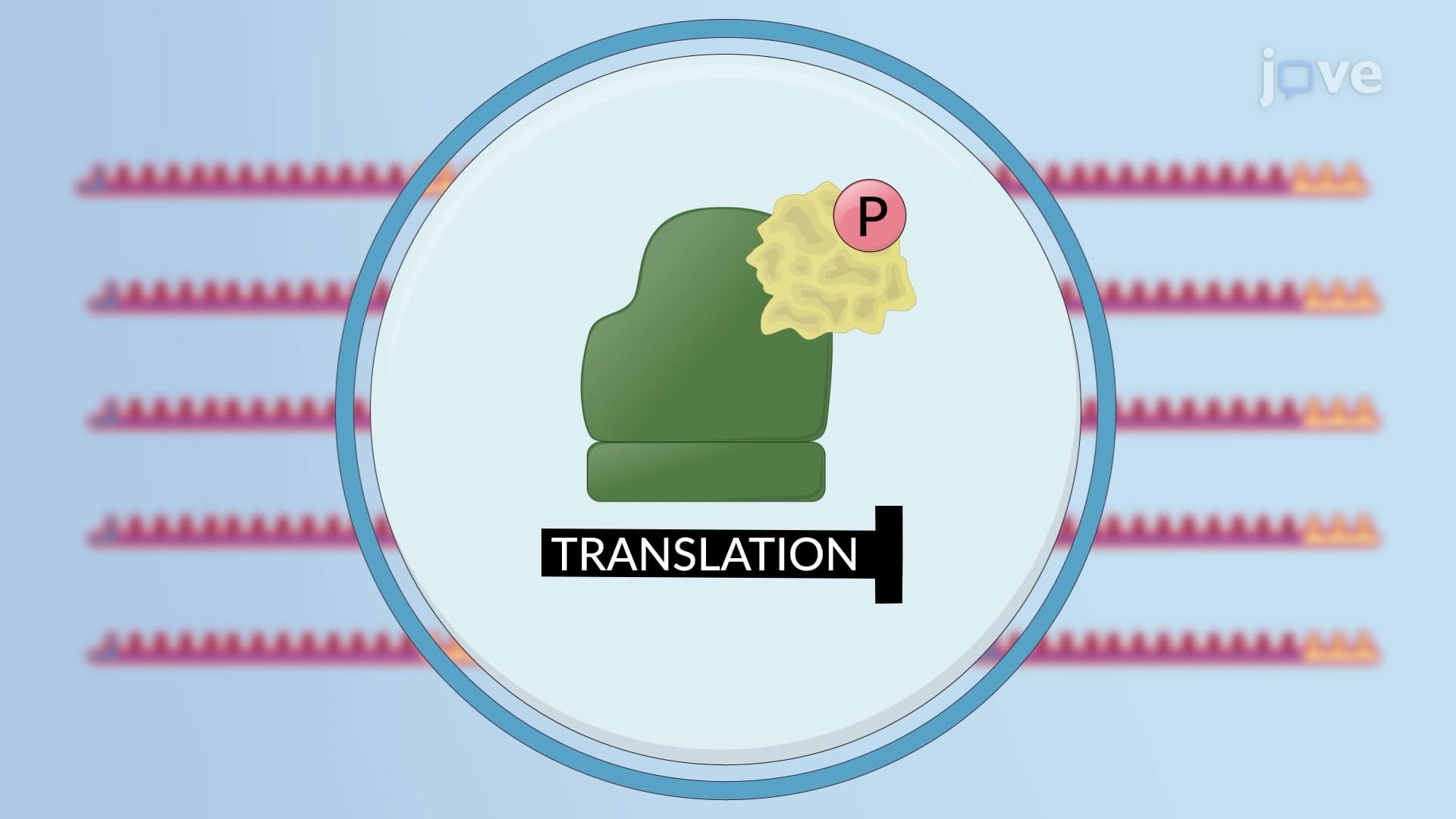
The G1 (Gap 1) phase marks the beginning of interphase, where cells focus primarily on growth and accumulating the resources necessary for DNA replication. During this period, cells synthesize essential proteins, increase their cytoplasmic volume, and produce RNA molecules required for protein synthesis. Perhaps most critically, G1 contains multiple checkpoint mechanisms that assess whether environmental conditions favor cell division. For example, skin cells in the basal layer must receive appropriate growth signals and have adequate nutrients before committing to division. Students preparing for the AP Biology exam should understand that G1 duration varies significantly between cell types-nerve cells may remain in G1 for years, while rapidly dividing cells like those in bone marrow complete G1 in hours.
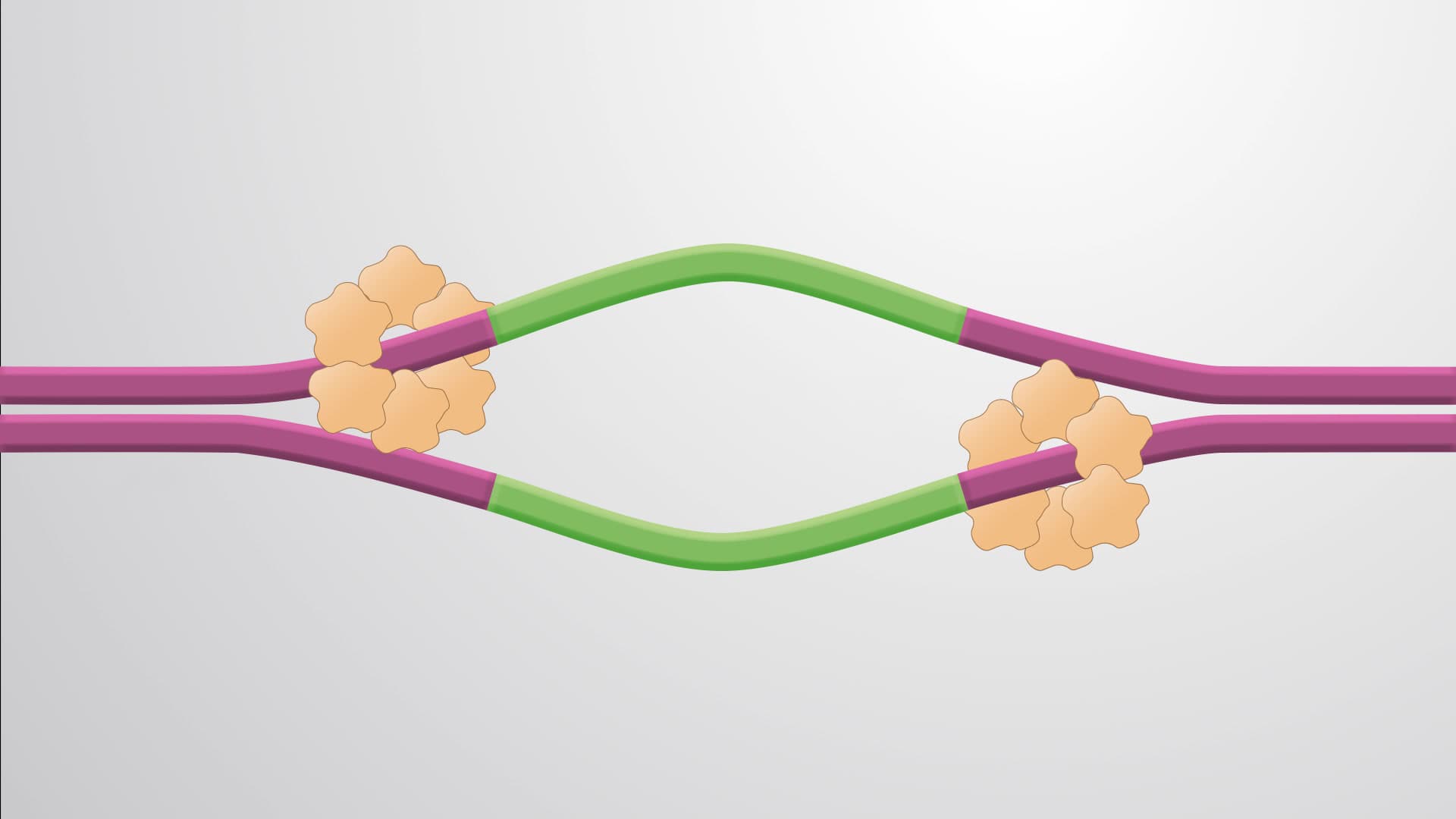
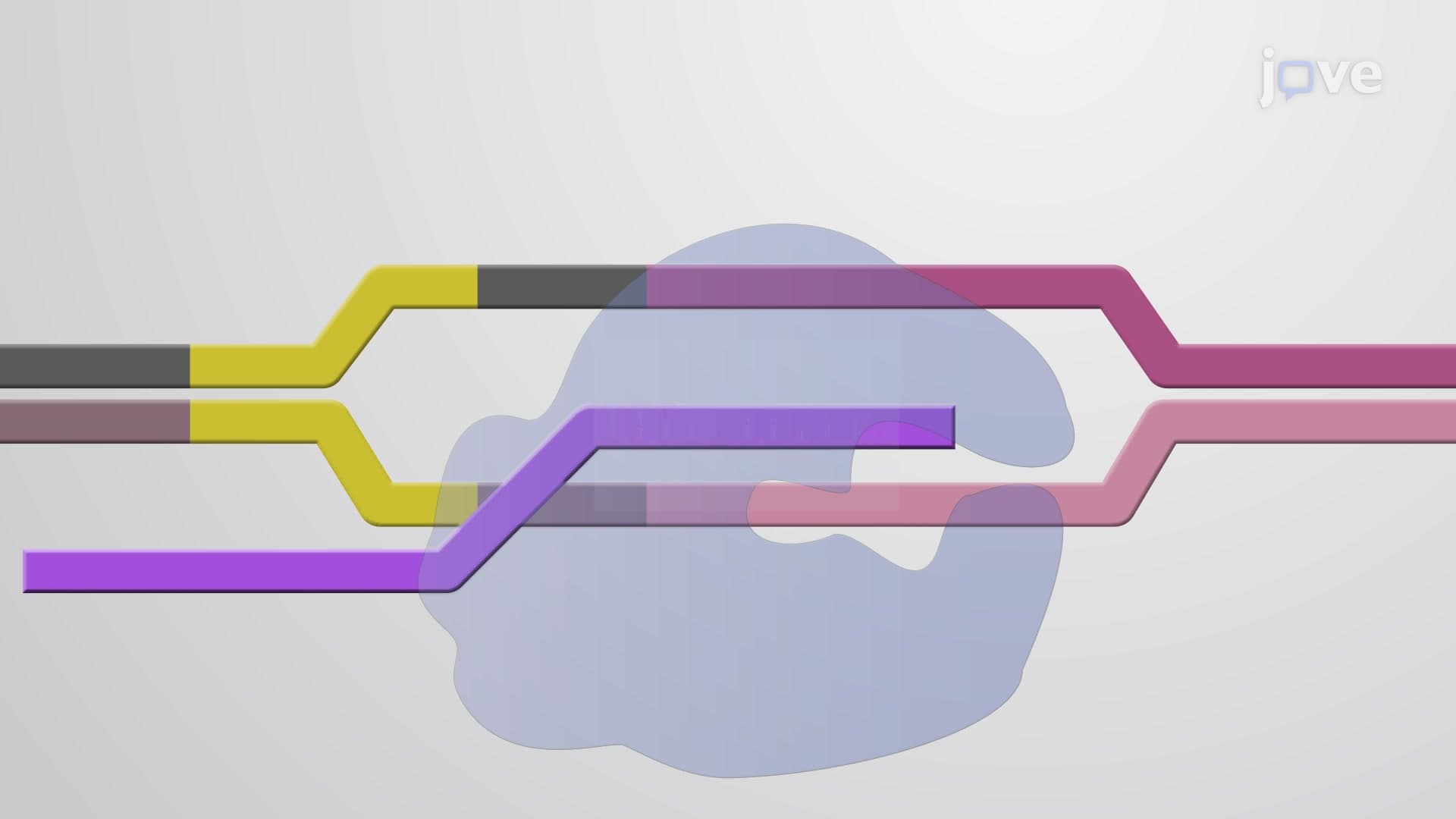
The S (Synthesis) phase represents the heart of interphase, where cells duplicate their entire genome with remarkable precision. This process involves unwinding the DNA double helix, synthesizing complementary strands using DNA polymerases, and implementing multiple proofreading mechanisms to prevent mutations. Consider that human cells must accurately replicate over 3 billion base pairs during each S phase-a process so complex that errors could lead to cancer or cell death. MCAT students often encounter questions about replication fork dynamics and the role of various enzymes in maintaining genetic stability during this phase.
G2 (Gap 2) serves as the final preparatory phase before mitosis, focusing on protein synthesis and organelle duplication. Cells produce tubulin for spindle formation, duplicate centrosomes, and synthesize proteins required for chromosome condensation and nuclear envelope breakdown. Additionally, G2 contains crucial DNA damage checkpoints that prevent cells with unrepairable genetic damage from entering mitosis. This quality control system becomes particularly relevant in cancer research, where understanding checkpoint failures helps explain how malignant cells bypass normal safety mechanisms.
Related Micro-courses