Loading video…


 16 Concepts
 49.6K views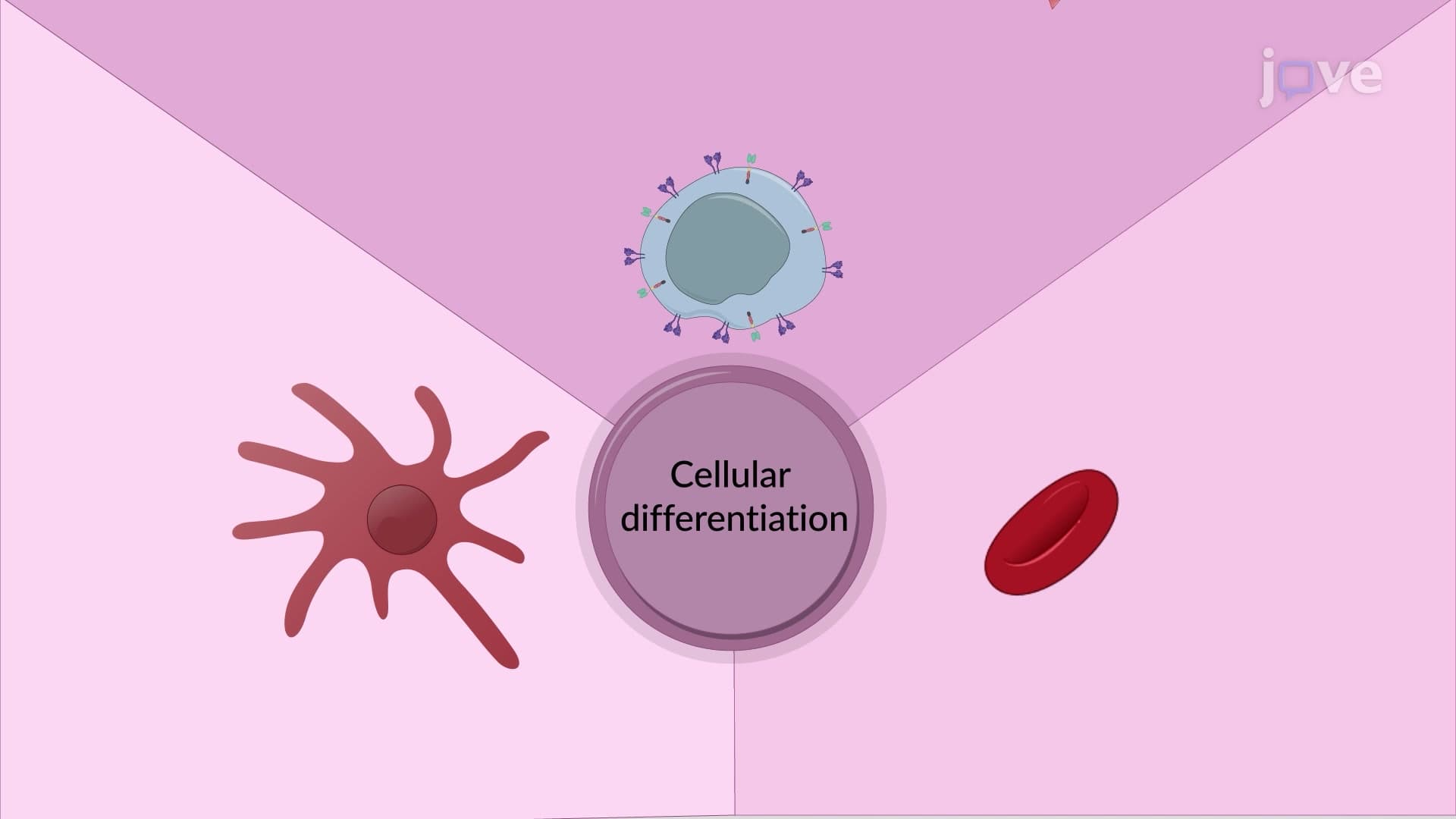

Video Summary: What Is Cellular Differentiation
How does a single fertilized egg become a complex human with over 200 different cell types? Cellular differentiation biology transforms unspecialized cells into highly specialized ones-like how stem cells in bone marrow become red blood cells, white blood cells, or platelets. What is cellular differentiation involves cells expressing specific genes while silencing others, despite containing identical DNA. Consider how researchers at Stanford University use induced pluripotent stem cells to create heart muscle cells for cardiac repair therapy. Watch the full video on JoVE Coach to master this concept with expert-led visuals and step-by-step explanations.
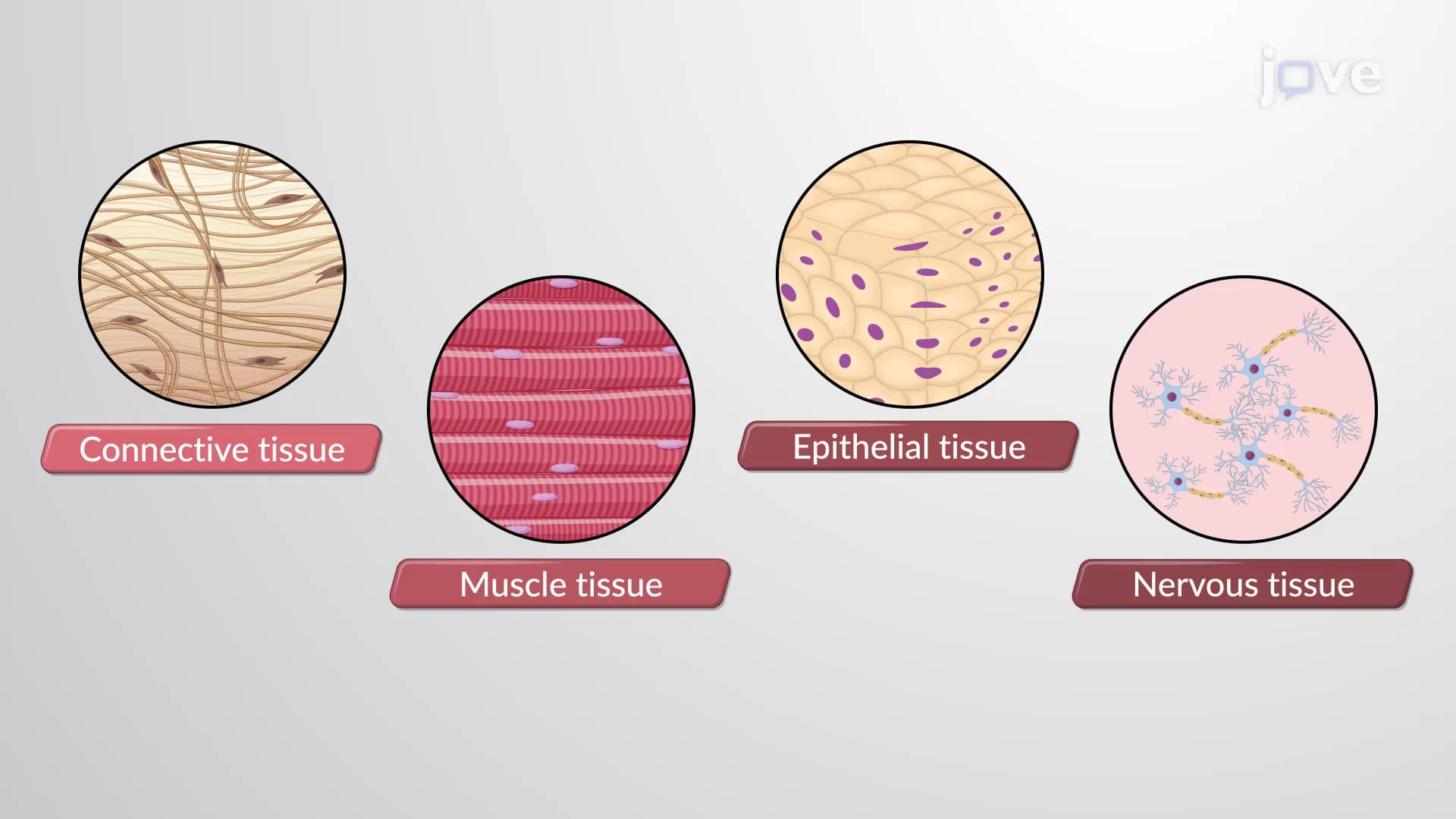
Cellular differentiation represents one of biology's most remarkable processes: the transformation of a single, unspecialized cell into the diverse array of specialized cells that comprise complex multicellular organisms. This fundamental biological mechanism underlies every aspect of human development, from the initial moments after fertilization through tissue repair and regeneration throughout life.
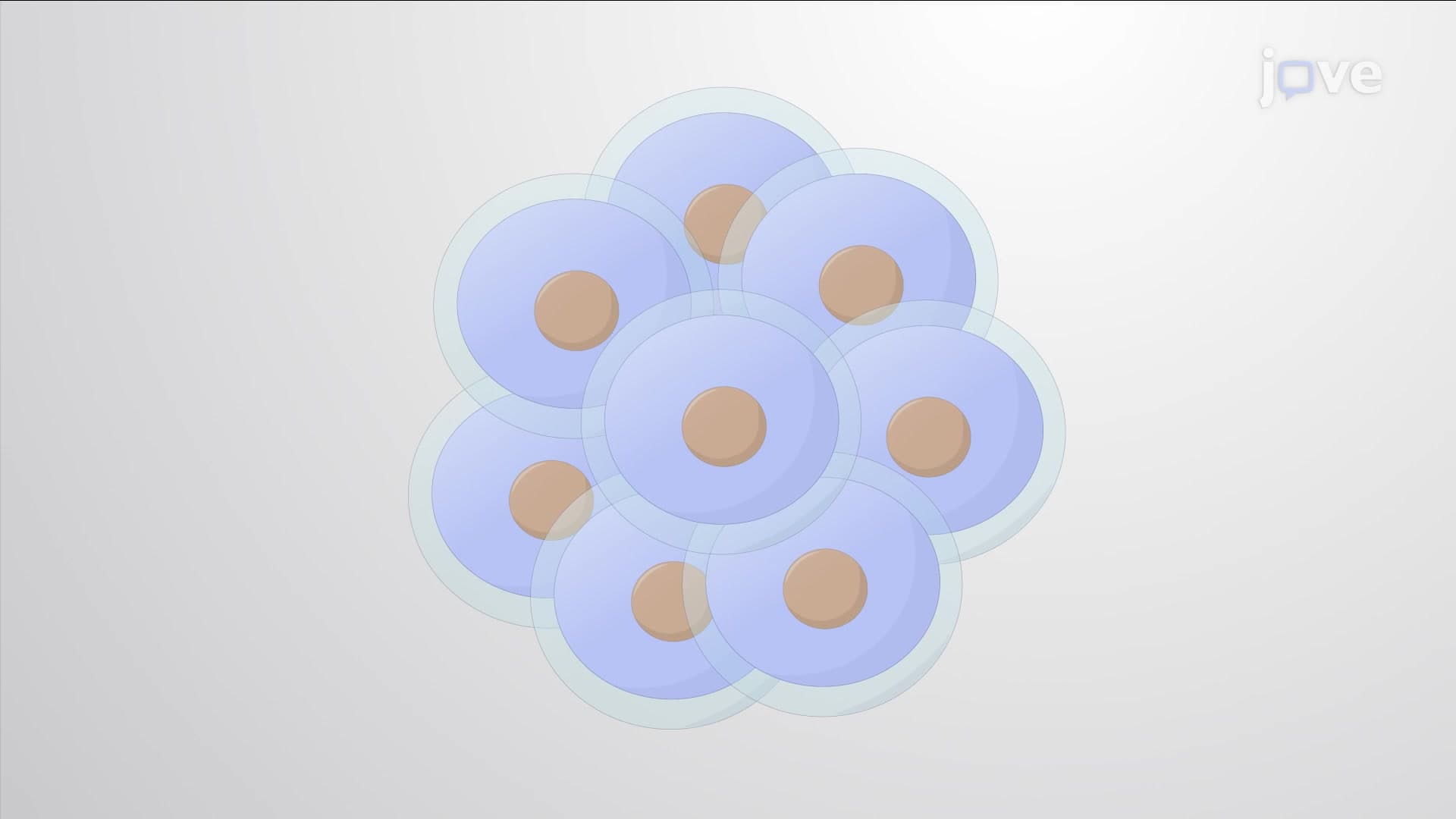
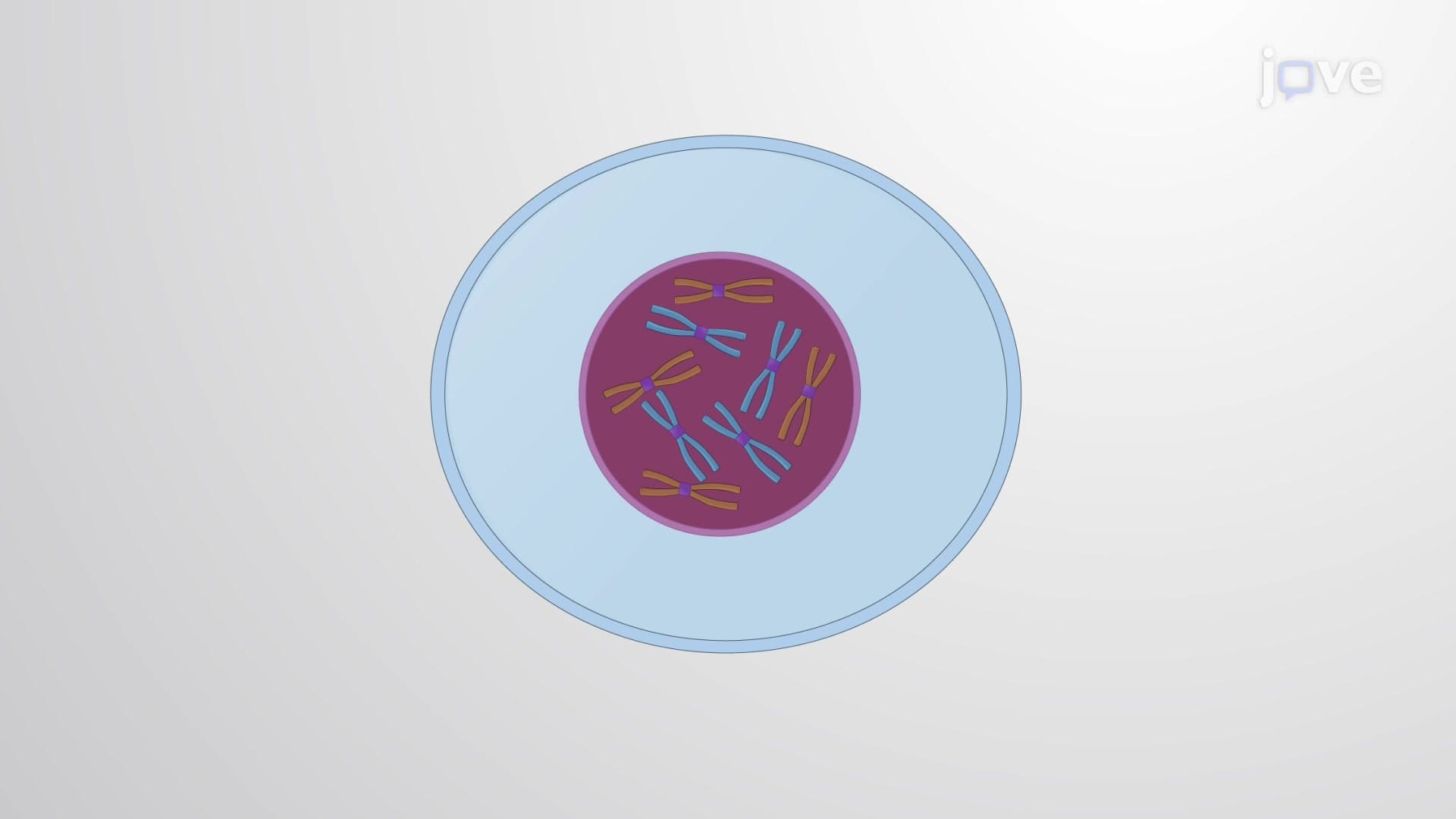
The process begins with a totipotent zygote-a fertilized egg capable of generating every cell type in the human body, including extraembryonic tissues like the placenta. As embryonic development progresses through successive cell divisions, daughter cells gradually lose this broad developmental potential. They transition from totipotent to pluripotent (capable of forming most body tissues), then to multipotent (restricted to specific cell lineages), and finally to fully differentiated, specialized cells.
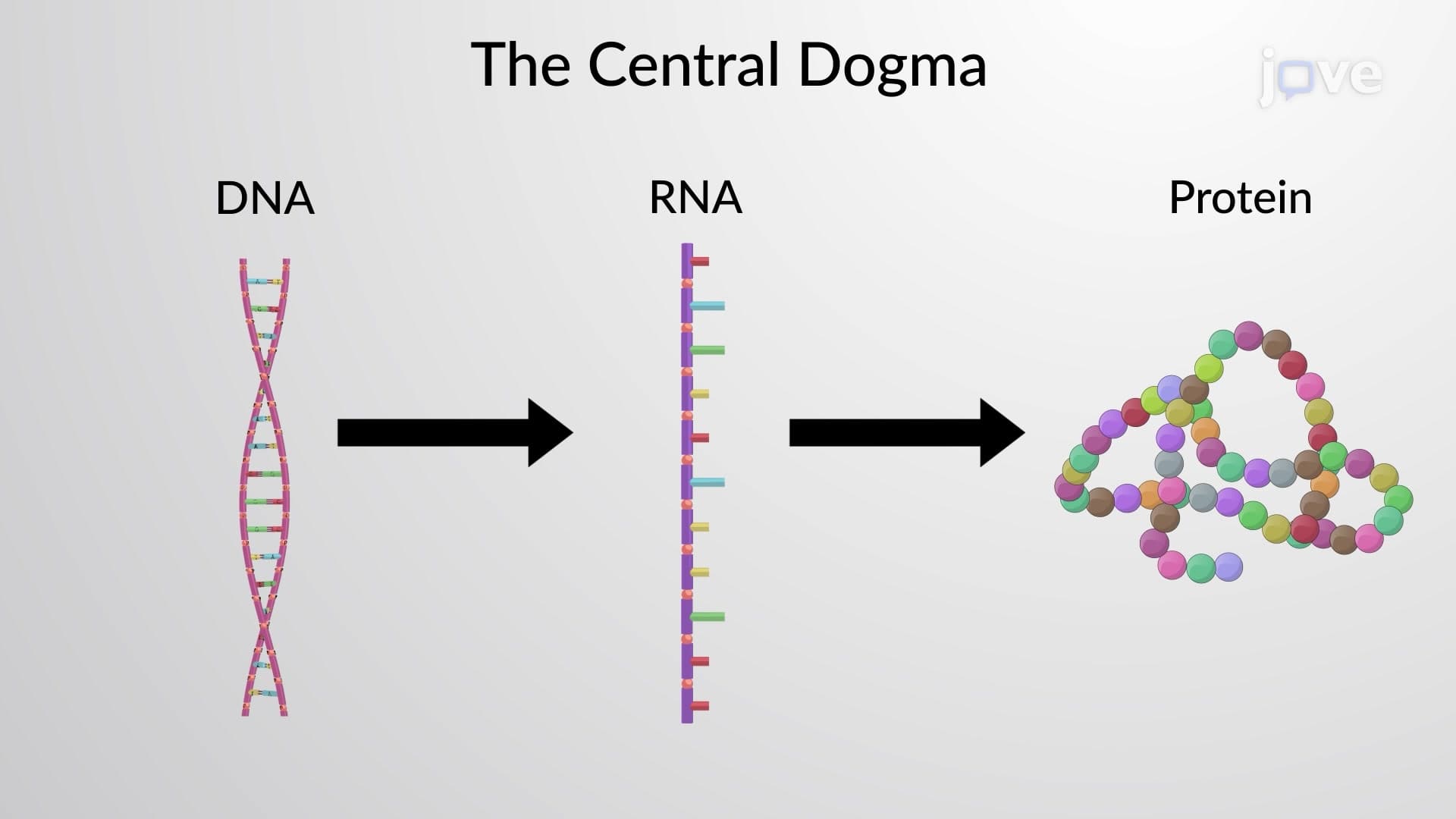
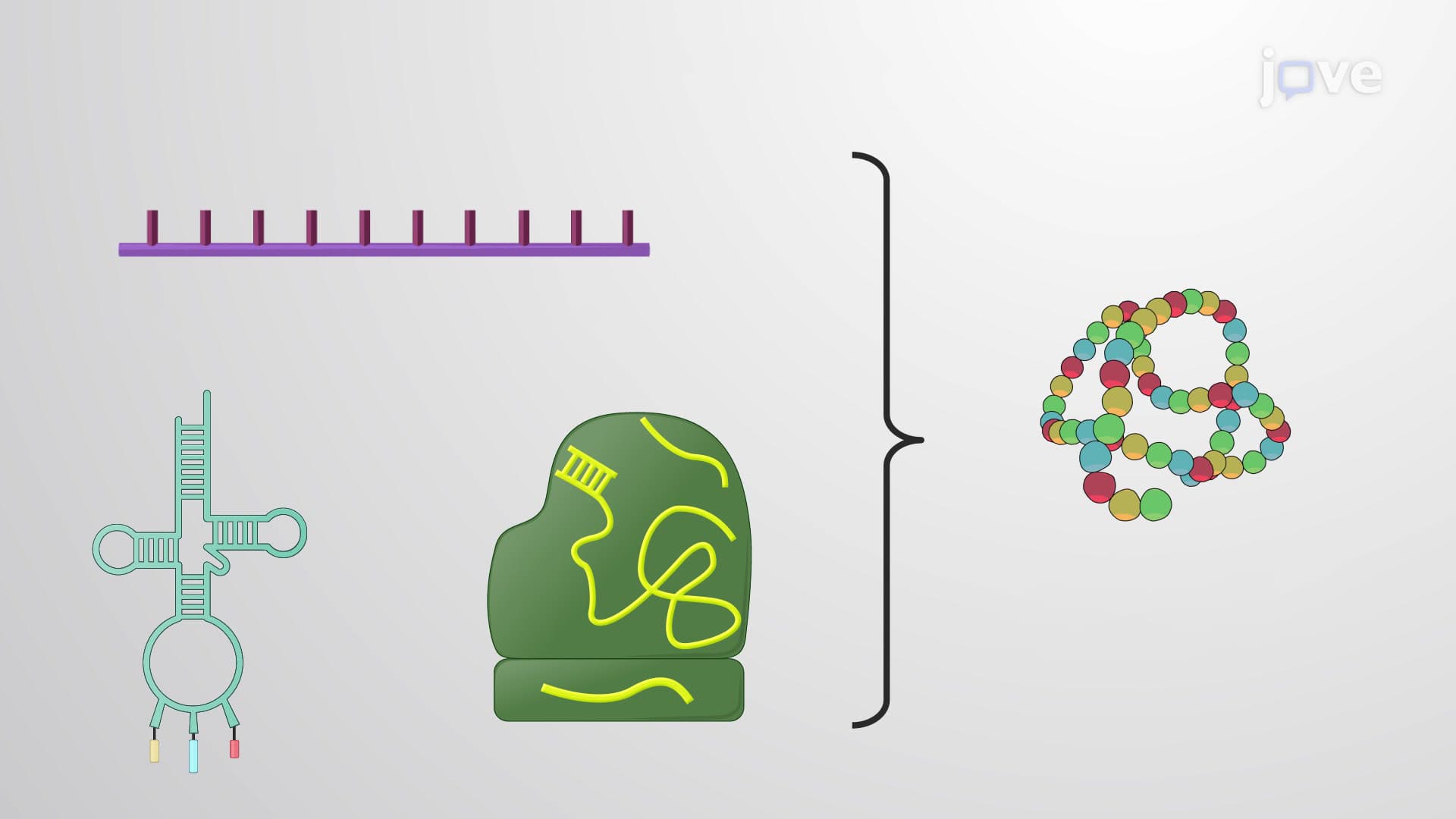
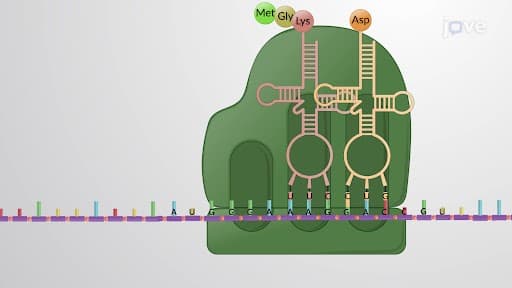
This progressive restriction of cell fate occurs through carefully orchestrated changes in gene expression. While every cell maintains the complete human genome of approximately 20,000-25,000 genes, differentiated cells express only specific subsets. For example, muscle cells predominantly express genes encoding contractile proteins like actin and myosin, while neurons prioritize genes for neurotransmitter production and electrical signaling. The National Institutes of Health estimates that individual cell types typically express 10,000-15,000 genes, with significant overlap but crucial differences determining cellular identity.
Transcription factor differentiation serves as the primary control mechanism. These regulatory proteins bind to specific DNA sequences, activating or repressing target genes in coordinated patterns. Master transcription factors like MyoD for muscle development or PAX6 for eye formation can single-handedly redirect cell fate. The discovery of these factors earned researchers like Dr. Harold Weintraub recognition for demonstrating how single genes control entire developmental programs.
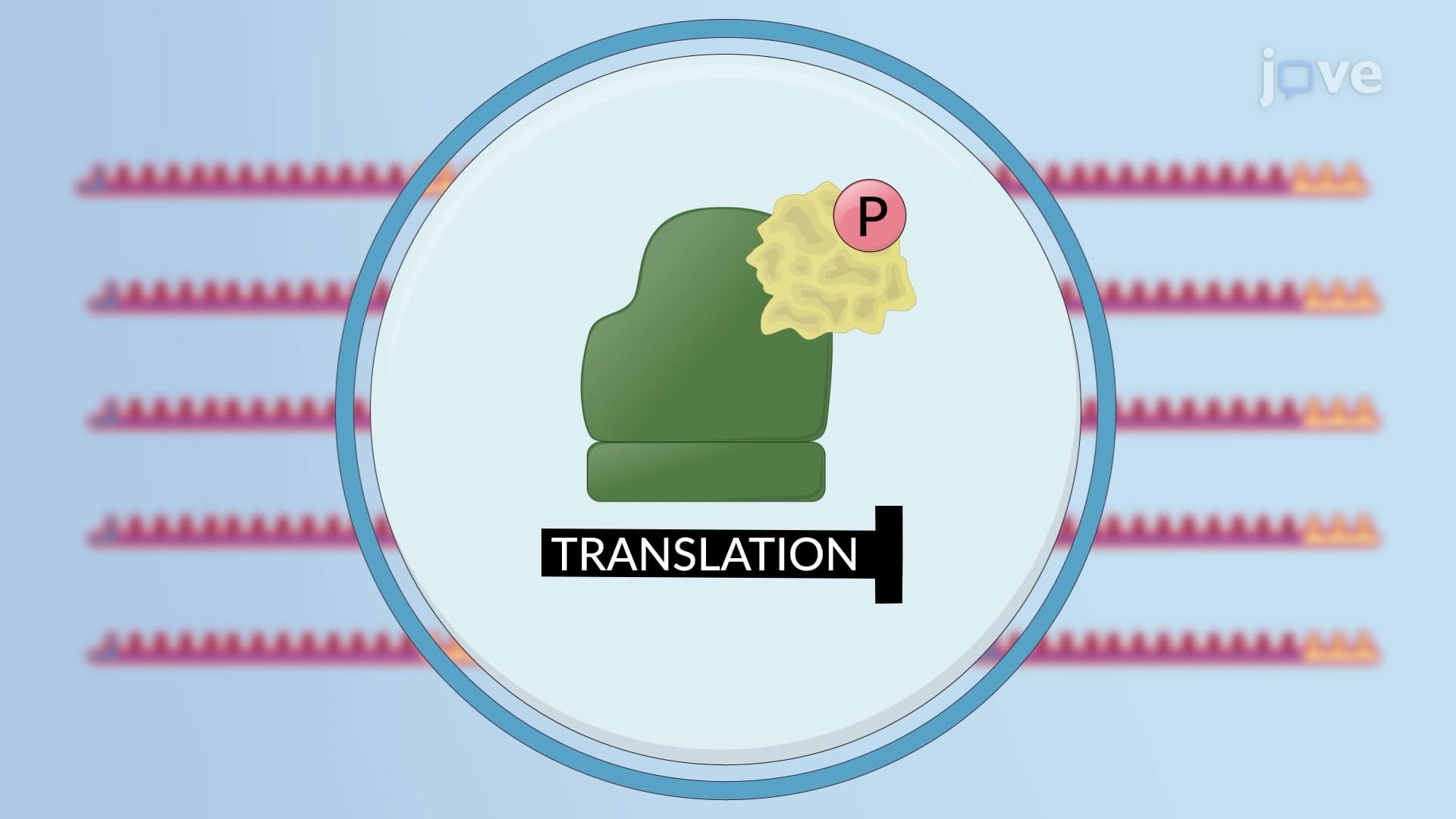
Epigenetic cell differentiation provides additional regulatory layers through DNA methylation, histone modifications, and chromatin remodeling. These mechanisms create heritable changes in gene expression without altering DNA sequence. Research at institutions like Harvard Medical School and the Broad Institute reveals how epigenetic marks establish and maintain cellular identity, explaining why differentiated cells remain stable throughout an organism's lifetime.
Understanding cellular differentiation proves essential for students pursuing healthcare careers. The MCAT extensively tests differentiation concepts, particularly in relation to embryology and tissue function. Medical schools emphasize these principles when teaching histology, pathology, and regenerative medicine approaches.
For high school AP Biology students, cellular differentiation connects multiple course themes: gene expression regulation, development, and evolution. College-level courses expand these concepts to include stem cell research applications, cancer biology (where differentiation goes awry), and therapeutic approaches using induced pluripotent stem cells-technology pioneered by researchers like Dr. Shinya Yamanaka and further developed at American institutions including Stanford and Harvard.
Related Micro-courses