Loading video…


 16 Concepts
 49.6K views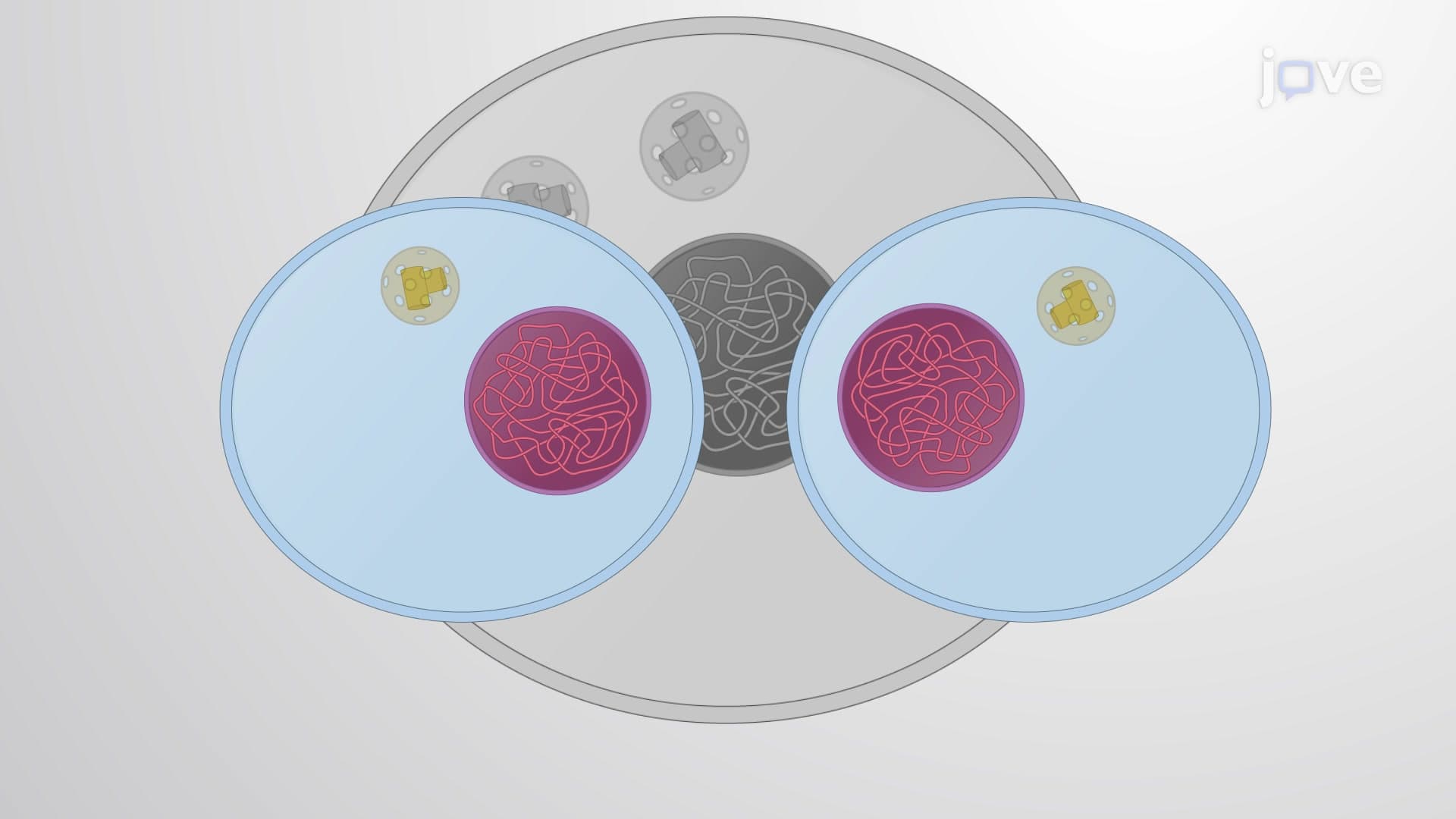

Video Summary: What Is Mitosis and Cytokinesis
Did you know that your body creates approximately 25 million new cells every second through mitosis cytokinesis explained processes? This incredible cellular machinery enables everything from healing a scraped knee to growing from a single fertilized egg into a complex organism. When cancer researchers at Johns Hopkins University study tumor growth, they focus intensively on understanding what is mitosis and cytokinesis-the fundamental processes that control how cells divide and multiply. Watch the full video on JoVE Coach to master this concept with expert-led visuals and step-by-step explanations.
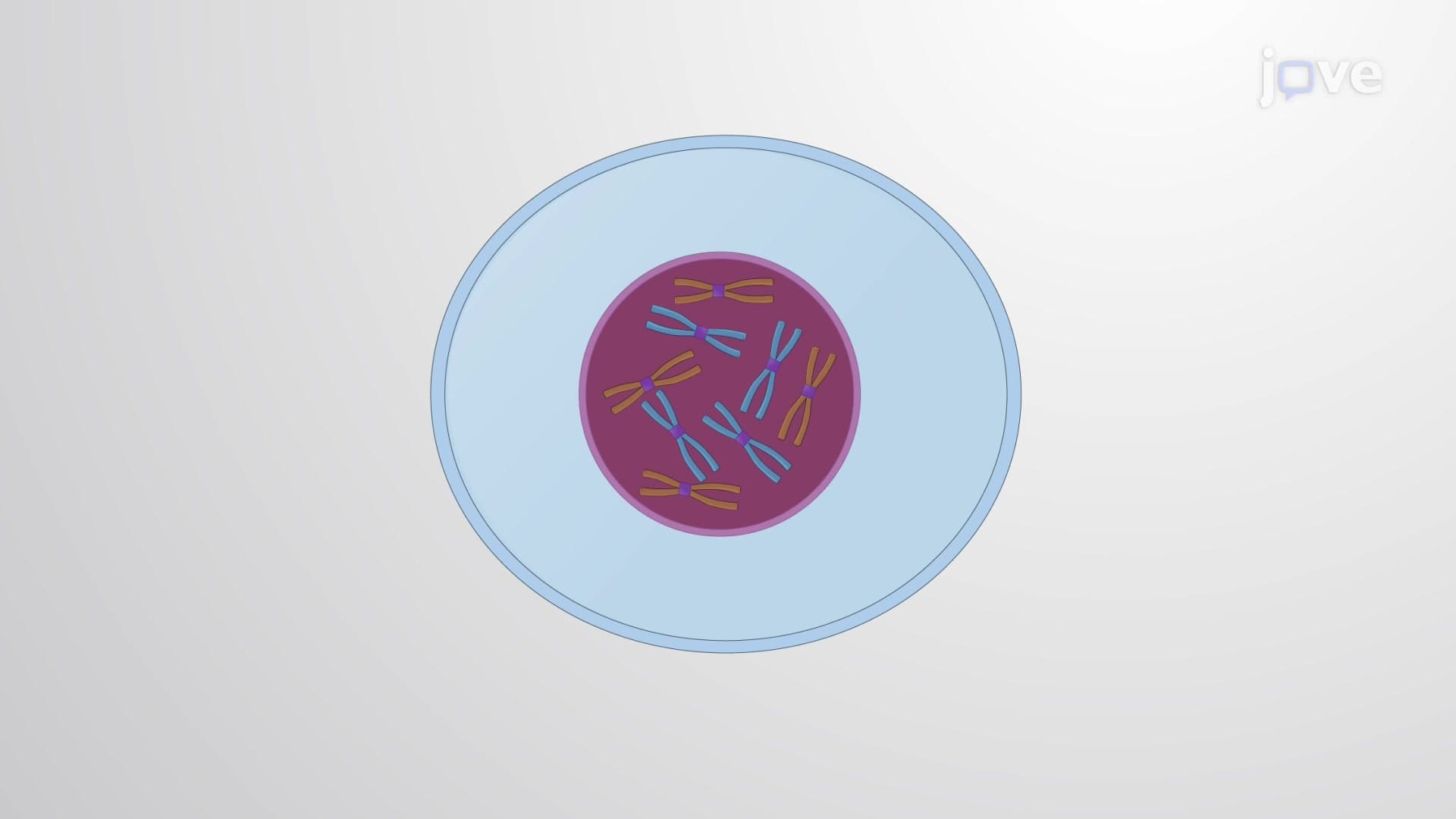
What is mitosis and cytokinesis represents one of biology's most elegant and essential processes. While often studied together, these are actually two distinct but coordinated events: mitosis divides the nucleus and its genetic material, while cytokinesis physically separates the cytoplasm and organelles. This mitosis and cytokinesis biology partnership ensures that each new cell receives exactly the same genetic information as its parent-a critical requirement for maintaining organism integrity.
The mitosis stages unfold in a precisely choreographed sequence. During prophase, chromatin condenses into visible X-shaped chromosomes while the nuclear envelope dissolves and mitotic spindle formation begins. Metaphase features the iconic image often seen in textbooks: chromosomes lined up perfectly at the cell's center, attached to spindle fibers like dancers holding hands across a stage. Anaphase dramatically separates sister chromatids, pulling identical copies toward opposite cell poles. Finally, telophase reverses many prophase events-nuclear envelopes reform and chromosomes begin to decondense.
The mitotic spindle serves as cellular scaffolding that ensures accurate chromosome segregation mitosis. This protein structure, composed primarily of microtubules, attaches to specialized chromosome regions called kinetochores. The spindle checkpoint mechanism prevents premature separation, acting like a quality control system that cancer researchers at institutions like MD Anderson Cancer Center study extensively. Understanding this process proves crucial for AP Biology students, as chromosome segregation questions frequently appear on College Board exams.
Following nuclear division, cytokinesis cleavage furrow formation physically pinches the cell into two separate entities. In animal cells, a contractile ring of actin and myosin proteins creates this furrow, similar to pulling a drawstring tight. This process ensures equal distribution of organelles, cytoplasm, and cellular machinery-essential for daughter cell survival. Medical students preparing for the MCAT often encounter questions about cytokinesis mechanisms, particularly in the context of cancer cell division abnormalities.
Related Micro-courses